Varicose Veins symptoms are aching legs, swelling around the ankles, throbbing or cramping at night, itchy or dry skin over the vein, and bulging, twisted blue or purple veins.
You might experience heaviness from standing, mild burning or pain that worsens by the end of the day. Skin may discolor adjacent to the vein, and minor ulcers may develop in extreme cases.
To assist you with severity and next steps, the sections below break down causes, risks, tests, and care options.
Key Takeaways
- You get varicose veins when vein walls and valves become weak and blood pools in superficial veins, generating the bulging, twisted lines you can see. Spider veins and reticular veins are tinier and closer to the surface.
- Your varicose vein symptoms can vary from cosmetic to aching, heaviness, swelling, and skin changes, indicating chronic venous insufficiency. Monitor your symptoms to identify triggers or worsening signs.
- You might experience nighttime problems, such as cramps and restless legs, that interfere with sleeping. Note these down to talk through with a doctor should they continue.
- Be alert to red flags like intense pain, extreme swelling, sudden bleeding, skin ulcers, or infections. Go to urgent care if you have chest pain, shortness of breath, or a swollen, painful calf.
- Your risk increases with age, pregnancy, genetics, being overweight, and extended periods of standing or sitting. Tight clothes, inactivity, and weak muscles exacerbate the symptoms.
- To relieve symptoms at home, wear compression stockings, elevate legs above the heart, move around regularly, control your weight, and care for your skin. See a clinician for up-to-date treatments such as sclerotherapy or laser therapy if symptoms continue.

Understanding Varicose Veins
You get varicose veins when blood no longer flows up the leg as it’s supposed to. When the vein walls weaken and valves fail, blood can pool in superficial veins close to the skin. This backflow increases pressure, causing the vein to bulge and appear as blue or purple lines. This condition is often a sign of venous insufficiency, which can lead to serious health problems if not addressed.
You might experience aching, heaviness, or a dull pull after a day spent standing. Cramps or a burning throb can flare at rest. Swelling around your ankles or feet, itching over the problematic vein, and skin color changes can come next. In severe cases, skin may become compromised and break down into ulcers, which require medical attention.
Varicose veins develop when the one-way valves inside prevent blood from flowing back toward your heart from closing well. Extra pressure builds from many causes: genes, age, long hours standing or sitting, pregnancy, extra body weight, low activity, a past leg injury, smoking, or hormone use such as oral contraceptive pills or hormone replacement.
All of these factors put additional pressure on the vein wall and its valves. Over time, the wall stretches, the vein twists, and the symptoms increase. This can lead to painful symptoms and even the formation of blood clots in more severe cases.
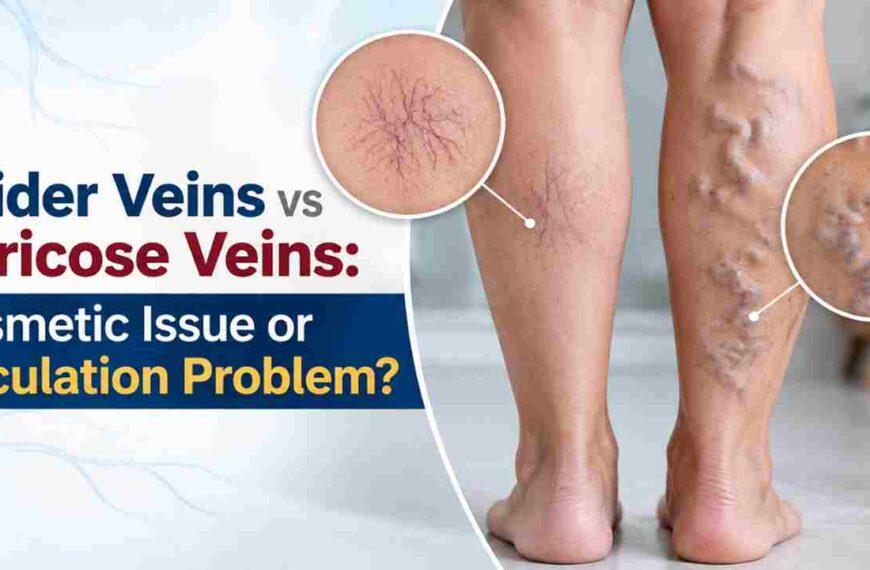
Varicose veins appear thick, rope-like, and raised. They meander along the calf or thigh and tend to be tender. Spider veins are significantly smaller—thin red, blue, or purple lines in a web or starburst pattern on the skin. These smaller vessels are often a cosmetic concern and can be treated effectively.
They lie in small surface vessels and are not elevated. Reticular veins sit in between: flat or slightly raised blue-green lines, two to four millimeters wide, often behind the knee or on the outer thigh. All three can appear together, but they are different vessel sizes.
Both genders can develop varicose veins, especially with long static postures on the job. They are more common in women, with close to half of all women aged 40 to 50 displaying some form. They are not just a cosmetic issue; they can indicate chronic venous insufficiency and sometimes more extensive flow issues.
Care varies from lifestyle changes and supervised exercise to interventions such as endovenous laser treatment, radiofrequency ablation, sclerotherapy, or vein stripping. These treatment options can provide relief from the uncomfortable sensations associated with varicose veins.
Aftercare includes wearing medical-grade stockings for 2 to 4 weeks, elevating your feet above heart level 3 to 4 times a day, and scheduling treatments 4 to 6 weeks apart, if necessary.
The Spectrum Of Varicose Vein Symptoms
Symptoms can range from cosmetic discoloration and surface veins to extreme pain, swelling, skin damage and ulcers. They can differ by the size of the veins, location (legs, ankles, feet, pelvis) and degree of valve insufficiency. Some of you experience bulging veins alone, others endure cramps, burning, or ulcers.
Note the onset of symptoms, what exacerbates them and any new changes. Keep in mind that symptoms often begin prior to age 40 and are approximately four times more frequent in women. Risk increases with advanced age, pregnancy, obesity, inactivity, leg trauma, smoking, and oral contraceptives or hormone therapy.
1. Visible Signs
You might observe bulging, convoluted groups of purple or blue veins reminiscent of ropes. They can bulge, be painful and fluctuate during the day.
Smaller surface patterns show up: spider veins (fine red or blue webs), thread veins, or red capillaries. These usually occur on calves, ankles, and feet. Pelvic veins can dilate as well, leading to vulvar or groin heaviness.
Comparison Table:
- Varicose veins: large, bulging, twisted, blue/purple; raised.
- Spider veins: thin lines, web-like; red/blue; flat.
- Reticular veins: medium, bluish; net-like; slightly raised.
If you shave or wear tight socks, look for new clusters or color changes after a long day.
2. Physical Sensations
Aching, throbbing pain and heavy legs tend to flare after long sitting or standing. Swollen ankles, burning along a vein or numb feet are typical. Minor knocks can cause bruising.
Restless legs and an urge to move can tag along with symptoms. If pain increases over the course of the day or after exertion, that suggests sluggish circulation from weakening venous valves that ought to be shuttling blood to your heart.
3. Skin Changes
Be on the lookout for brown patches, redness, dry or cracked skin or eczema around your ankles. These alert you to chronic pooling and tissue stress.
Constant itch, ulcers, or open sores around the ankles suggest complications. Seek care quickly, as deep vein thrombosis can occur with varicose veins and requires urgent interventions.
4. Nighttime Issues
Cramps, throbbing, and restless legs can spike at night and wake you. Swelling and numbness can continue when you lay down or even with your legs elevated.
Maintain a short log of nighttime symptoms, times, and triggers to discuss with your clinician.
5. Subtle Warnings
You’ll begin to experience mild swelling, tenderness or intermittent itching. A ‘heavy, full feel’ in the calves after a brief walk can predate visible veins.
Dismissing early symptoms allows CVI to advance. Pay attention to minor shifts, particularly if you’re a woman (almost 50 percent of women between 40 and 50 have some), pregnant, or obese.
Factors That Shape Your Symptoms
Symptom shifts occur based on how blood pools in leg veins and the function of tiny valves. You may experience sensations of heaviness, pain, itch, swelling, or night cramps, which are common symptoms of vein insufficiency and can indicate a need for varicose vein treatment.
What Drives Symptom Intensity
- Genetics: If a close family member has varicose veins, your risk is higher. Hello DVT, you may notice veins sooner, experience leg fatigue sooner post-walk, and observe quicker flare-ups with extended travel.
- Age: Normal aging weakens vein walls and valves. You could progressively develop more evening swelling, dry, itchy skin around your ankles, and delayed recovery after a day on your feet.
- Hormonal changes: Pregnancy, menopause, or hormone therapy can relax vein walls. In pregnancy, blood volume increases, and the uterus exerts pressure, so veins bulge even further by late day.
- Weight: Extra body mass raises leg vein pressure. Shedding 5 to 10 kg can reduce pain, diminish ankle swelling, and increase stair stamina.
- Standing Or Sitting: Hours at a desk, counter, or factory line slow calf pump action. Anticipate additional pain, itch, and tight calves at night. Short walk breaks every 30 to 60 minutes assist.
- Muscle Tone And Exercise: Weak calves move less blood. Brisk walking or light jogging for 20 to 30 minutes on most days increases flow and decreases cramp risk.
- Clothes And Gear: Tight waistbands, rigid shapewear, or high heels limit calf work and blood return. Switch to flats or low heels and non-constricting fits!
- Smoking damages vessels and worsens inflammation. Quitting can minimize the frequency of the flare and help skin heal faster.
- Self-Care Habits: Raise legs 15 to 30 minutes above heart level when you can. Wear compression stockings as recommended to control swelling.
- Complications: Watch for itchy, flaky skin, slow-to-heal sores, sudden, hard, tender cords, or new swelling, which are possible signs of blood clots. Get care early.

When Symptoms Signal A Problem
When your symptoms indicate an issue, they most commonly manifest on the lower legs—calves, ankles, and feet—where weak vein walls and valves can lead to blood pooling, a common sign of varicose veins. Risks for developing this condition increase with advanced age, family history, being a woman, additional weight, prolonged sitting or standing, leg trauma, pregnancy, smoking, and the use of oral contraceptives or hormone therapy.
When symptoms linger, they can indicate underlying concerns such as chronic venous insufficiency or a deep vein blood clot (DVT). Over-swelling that doesn’t subside overnight, severe pain that restricts walking, or unexpected bleeding from a vein near the skin requires immediate care. Varicose vein treatment options should be explored if these symptoms persist.
Skin changes such as hard, dark, or red patches, weeping fluid, itchy rash, or a slow-healing sore near the ankle signal skin ulcers or infection. Warm, tender, cord-like veins may indicate thrombophlebitis. If symptoms spread or worsen even after simpler measures like leg elevation above your heart for 15 to 20 minutes, seek medical attention promptly.
Chest pain, shortness of breath, coughing blood, or sudden faintness can mean a blood clot moved to your lungs (pulmonary embolism). Call 911 or your local emergency number right away. Calf swelling with tightness, heat, and pain, especially in one leg, can signal DVT and needs urgent evaluation.
Use this checklist to track red flags and consider discussing vein treatment options with your healthcare provider if you experience any concerning symptoms.
- Swelling: One leg larger by more than 2 cm at mid-calf, tight skin, shoe no longer fits by evening.
- Pain includes sharp or throbbing pain at rest, pain that spikes with calf squeeze, or pain with foot flex.
- Red streaks, warmth, hard lumps along a vein, dark brown skin near the ankle, rash, or an open sore.
- Bleeding is a sudden bleed from a bulging vein that soaks a bandage.
- Systemic signs include fever with leg redness, chills, or rapid heart rate.
- Breathing or chest signs include chest pain, shortness of breath, and cough with blood. Treat these as an emergency.
Debunking Common Myths
Varicose veins are not simply surface lines; they can lead to serious health problems affecting blood flow and may require medical attention for effective varicose vein treatment.
Varicose Veins Are Only Cosmetic
It’s not just a look thing. You could experience pain, a heavy pull, swelling around the ankle, skin itch or rash, and night cramps. A few folks experience no symptoms, but the danger persists.
Untreated veins can cause skin discoloration, hardened skin, vein bleeding after small trauma, or slow-healing leg ulcers. Addressing them can reduce costs, decrease swelling, and reduce the risk of more severe infections. That turns care into a wellness move, not a glamour patch.
Only Older Adults Or Women Get Them
Age does increase risk; they can begin at any age. They tend to make an appearance in young adults with a hereditary connection, pregnancy, or if your occupation involves long hours standing or sitting.
Men aren’t exempt either; nearly 45% of men will get them in life. Genes, weight, old leg injury, and long-haul travel contribute to risk. In other words, your day-to-day load on your legs, not your gender per se, configures your risk.
Treatment Is Harsh Or Not Worth It
You have actual, feather-light choices. Sclerotherapy closes the vein with a little shot. Laser therapy transmits heat through the vein wall from the skin or a fiber.
Both are non-invasive or minimally invasive, done in clinic and most people return to normal immediately. Most experience complete results in approximately two months, with minor discomfort and zero downtime.
Compression stockings aid circulation and relieve pain and swelling. Results are robust and most individuals experience definite relief following treatment.

Exercise Makes Symptoms Worse
The right moves assist in improving blood flow and alleviating symptoms of vein insufficiency. Activities like walking, calf raises, cycling, or swimming help pump blood through the legs and support vein valves, while elevating legs for 10 to 15 minutes can provide relief from problematic veins and poor circulation symptoms.
Wearing compression garments is a vital treatment option if you stand or sit for extended periods. Regular movement is essential for managing issues related to varicose veins and preventing serious health problems.
Managing Symptoms At Home
You can manage daily discomfort and temper symptom flare-ups with consistent, straightforward steps you can maintain at home. Concentrate on improved circulation, reduced inflammation, and soothed skin.
Wear Compression Stockings
Wear knee-high compression stockings, 18 to 21 mmHg. This spectrum bolsters vein walls, boosts return flow, and can reduce pain and throbbing. Wear them in the morning, before swelling sets in.
Swap them out in pairs every 3 to 6 months for consistent pressure. Select breathable material, proper fit, and eliminate folds to prevent hot spots. If you travel or sit long hours, wear them during the day.
Elevate Your Legs
Elevate your legs above heart level for 15 to 20 minutes, 2 to 3 times a day, to decrease pooling and pressure. Rest at home by lying down and resting calves on 2 to 3 firm pillows, or wedge them.
If lying down is impossible, sit and elevate your feet on a firm stool above your hips. Give this a shot after work, post-workout, and before hitting the hay.
Keep Moving And Manage Weight
Regular exercise keeps your calf pump pushing blood back up. Walk 20 to 30 minutes most days. Introduce ankle pumps by flexing your feet up and down for 1 to 2 minutes every hour.
Use an exercise bike or swim for low-impact options. If you sit or stand for long periods, take short breaks to stand, stretch, and move. Try to maintain a healthy weight to decrease the stress on your legs.
Keep yourself hydrated by drinking roughly eight glasses a day and reducing salt by avoiding packaged foods to assist with fluid balance and swelling.
Adjust Daily Habits And Care For Skin
Steer clear of tight waist or thigh bands that impede flow, opt for looser-fitting attire and flat, supportive shoes. Keep a daily skincare routine: wash gently, pat dry, and use plain, fragrance-free moisturizers to manage dry, itchy skin.
For mild itch or ache, attempt cool compresses or a basic, non-greasy topical gel. Inspect skin for fissures and color changes, and protect shins from bumps to avoid ulcers.

Conclusion
You know your legs better than anyone. Small signs add up: heavy calves after a long day, tight skin by the ankle, a blue rope under the knee, night cramps that wake you up. These indicate vein strain, not only age or standing for hours. Simple steps assist. Replace long sits with short walks. Elevate your legs for 15 minutes. Good-fitting compression stockings with 15 to 20 mmHg are helpful. Maintain skin hygiene. Monitor pain, itchiness, discoloration, and swelling with pictures week to week.
Serious flags need quick care: sudden hot swell, a hard cord, rapid color shift, or a sore that will not heal.
Need a crystal clear next step for your case. Tell us your worst symptom and your routine. I’ll outline a brief strategy you can apply today.
FAQ
What are the most common symptoms of varicose veins?
You could experience bulging, twisted veins, heaviness, aching, throbbing, burning, swelling around your ankles, night cramps, and itchiness. Symptoms tend to be worse after long periods of standing or sitting and improve when you elevate your legs.
How do varicose vein symptoms differ from spider veins?
Spider veins are small, flat, and generally painless, while varicose veins are larger, bulging, and can throb or swell, often indicating that varicose vein treatment is necessary if you experience heaviness or nocturnal cramps.
When should you see a doctor about your symptoms?
Care if pain restricts activity, swelling is persistent, skin discoloration or hardening occurs, sores develop, or a problematic vein rapidly becomes red and tender. Abrupt calf pain with shortness of breath may indicate serious health problems.
What factors can make your symptoms worse?
Family history, pregnancy, age, obesity, prolonged standing or sitting, heat, and hormone changes can all exacerbate symptoms of varicose veins. Additionally, tight clothing and high heels can increase uncomfortable sensations.
Can lifestyle changes really reduce your symptoms?
Yes. Walking, leg elevation, and calf-strengthening exercises can significantly enhance vein health and alleviate symptoms of varicose veins. Additionally, using compression stockings and managing weight while avoiding prolonged periods of standing or sitting can reduce pain and swelling.
Are varicose veins only a cosmetic issue?
No. Aside from being a cosmetic concern, untreated varicose veins can lead to skin changes, inflammation, sores, bleeding, and serious health problems like blood clots.
Do varicose veins go away without treatment?
They tend not to. Symptoms of varicose veins can be handled with conservative lifestyle measures and compression. For permanent elimination, minimally invasive varicose vein treatment techniques such as laser ablation or sclerotherapy work well with minimal downtime.