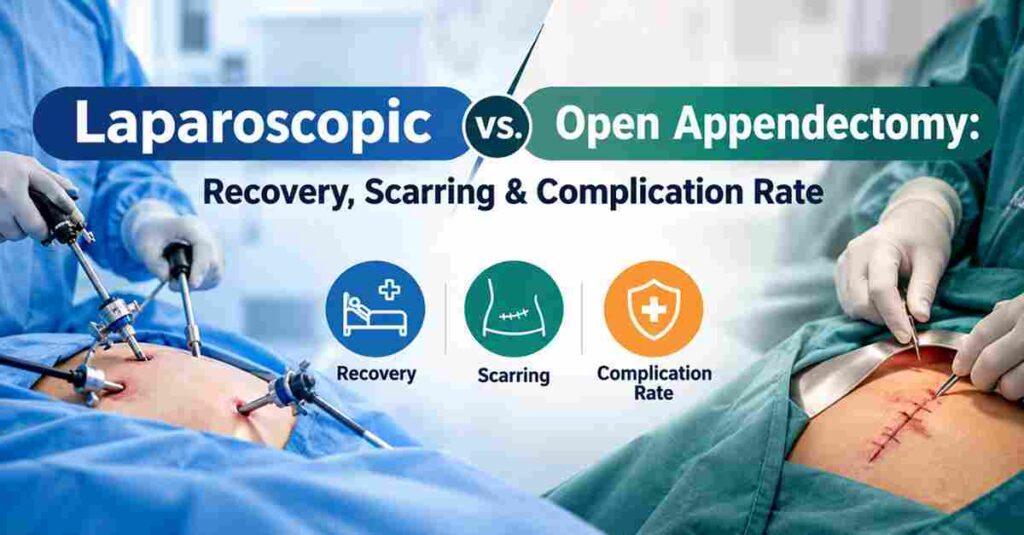
Exercise after a laparoscopic appendectomy begins with light activity within 24 to 48 hours and then progresses in stages as pain and inflammation diminish.
You may first walk short distances, introduce gentle stretches, and increase your pace over one to two weeks. Core and strength work might resume in two to four weeks, with heavy lifts and contact sports after clearance.
Be alert for fever, increasing pain, or problems with the wound. To schedule safe advances, you receive clear schedules, example workouts, and warning signs that follow.
Key Takeaways
- Anticipate mild to moderate pain, drowsiness, and small-incision soreness post-surgery and rest to initiate recovery. Watch for redness, swelling, drainage, fever, or increased pain and seek care if they develop.
- For the initial 24 hours, do deep breathing and ankle pumps. Take short assisted walks if tolerated and sip clear fluids. Be gentle with movements and monitor your incisions closely.
- Week 1: Walk short distances several times a day to boost circulation and decrease constipation risk. No lifting, no strenuous activity, and keep incisions clean and dry.
- Advance exercise in stages from weeks 1 through 6 and beyond: begin with walking and stretching, then light cardio, then moderate, then return full if pain free. Intensify only when you are free of pain, swelling, or drainage.
- Control pain with prescribed medicine, ice, loose clothing, rest, and light breathing or stretching. Stop activity if you experience sharp or increasing pain. Monitor symptoms daily.
- First, support recovery with water and simple foods that are easy to digest. Then add in fiber-rich foods and lean protein as tolerated. Rest, establish short-term goals, and reach out to your care team if you experience severe pain, vomiting, fever, or wound complications.

Your Body’s Immediate Response
Your body flares inflammation post-laparoscopic appendectomy, resulting in swelling, warmth, and a brief stomach ache. Anticipate some mild to moderate soreness around the small incisions, anesthesia grogginess, and light nausea and vomiting.
Be on the lookout for redness, swelling, warmth, pus-like drainage, or a bad smell around your incisions. Rest is paramount at this stage. Keep movement gentle so tissues can begin to stitch themselves back together.
The First 24 Hours
Do slow, deep belly breaths every hour while awake, along with ankle pumps and circles to boost blood flow and reduce clot risk.
Take it easy on the movement. Turn in bed, sit with assistance, and take mini-flat walks to the john if you feel stable. Cease if you begin to feel dizzy or experience a sharp pain.
Take small sips of clear fluids. Gradually increase to a light liquid diet as recommended to calm your stomach post-anesthesia.
Monitor for bleeding that soaks through the dressings, new intense pain, fever, or vomiting that doesn’t subside.
The First Week
Include brief, regular walks around your home to stimulate both circulation and bowel motion. This alleviates gas pain and decreases the risk of constipation, which is prevalent for several days.
Pass on intense lifts, gym routines, core exercises and extended stair climbs. Those little cuts take a couple of weeks to heal up nicely.
Take the pain pills so you can sleep and move! Taking a dose around 30 minutes before moving day can do wonders. Packing changes may sting initially.
Keep sites dry and clean. Shower upon discharge, pat dry, and avoid baths or pools.
Managing Discomfort
Use a simple plan: scheduled pain medicine, 10 to 15 minutes of ice (wrapped), and good sleep.
Observe your body’s initial reaction to it. Call your squad if pain spikes, with fever or drainage.
Wear loose clothes to restrict rubbing on sensitive skin and any numb patches.
Some mild side-to-side trunk stretch and slow deep breaths can relieve gas pain and tightness. Short walks help when you feel weak or tired.
The Roadmap To Exercise After A Laparoscopic Appendectomy
Map out your return in stages after your appendix removal surgery. Begin with deep breathing exercises and short walks, gradually progressing to full training while considering pain, energy, and the healing process. Avoid heavy lifting and strain for at least 2 to 6 weeks to protect your small incisions from complications.
1. The Foundational Phase (Weeks 1-2)
Begin with deep breathing. Take 5 to 10 slow breaths every couple of hours to keep lungs clear and reduce the chance of congestion.
Add ankle pumps. Do 10 to 20 on each side to assist with blood flow.
Walk short, flat courses in your room or hallway, twice to four times a day. Add a few minutes daily if it feels fine. You can try simple moves: lift one knee toward your chest while lying down, then lower it; or raise one leg a few centimeters with the knee bent, then rest.
Avoid abdominal strain, bending, and any load. Do not lift greater than 2 to 3 kgs. Take frequent rests. Be alert for pain, swelling, fever, or drainage and cease if they occur.
2. The Light Activity Phase (Weeks 2-4)
Engage in gentle walking outdoors, on a low-speed treadmill or easy elliptical for 10 to 20 minutes.
Introduce light stretches, shoulder circles, and pain-free knee bends. Keep your core relaxed; no crunches or planks.
As you become more active, inspect your incisions for any signs of redness, warmth, or discharge. Light housework if it doesn’t tug on your belly.
Some return to desk work or school in 3 to 5 days. Manual work might require 2 to 3 weeks off.
3. The Reintroduction Phase (Weeks 4-6)
Most can go back to normal activities by week 4 if wounds are dry and painless. Push walks a little longer, attempt some light cycling, or use easy resistance bands.
If cleared, supplement with light core work (pelvic tilts, dead bugs) without strain. Keep the weights low and stay away from any high-impact activities.
Add time and days only when you’re walking without new pain or fatigue.
4. The Full Return Phase (Week 6+)
Return to gym work, runs, and sport when pain-free at rest and with activities of daily living. Rebuild lifts over weeks, not days.
Add ab work incrementally and cease with sharp pain or swelling. Plan rest days and adhere to your clinician’s recommendations.
Progression Overview:
- Breath, ankle pumps, very short walks lead to light cardio, stretching lead to moderate cardio, low-load strength, gentle core lead to full training, sport, heavy lifts when ready.

Listen To Your Body’s Signals
You recover most effectively when you catch minor changes early. Monitor pain, swelling, and fatigue as you incorporate steps, light stretches, and then core work post-laparoscopic appendectomy. Tune into your body and modify the plan quickly if symptoms go the wrong direction.
A quick daily diary—time, activity, pain (0 to 10), swelling comments, energy, and bowel or bladder changes—can help catch patterns and avoid crashes. Your body signals stress with headaches, muscle tightness, bad sleep, or stomach upset. Answer by retreating and recalibrating, hydrating, and resting.
Sharp Vs. Dull Pain
Shooting pain can indicate incision irritation, a pulled stitch, a hernia or other issues. Dull aches are common from surgical gas, scar tissue stretch or muscle soreness as you reinitiate motion. Apply a 0 to 10 pain scale prior to and following every session.
If pain increases by more than 2 points or persists beyond 24 hours, load should be decreased or rested.
- Sharp or stabbing pain is sudden, pinpoint, and knife-like. It may follow a twist or lift. Stop at once and contact care if it persists, worsens, or pairs with fever, nausea, or a new bulge.
- Dull or aching sensations are broad and low-grade. They ease with walking or warmth. Track and advance gingerly.
- Burning at incision means friction or early nerve healing. Change clothes and tape edges if approved.
- Throbbing with redness/heat: possible infection; seek care.
Cease any maneuver that provokes stabbing abdominal or incision pain. Only resume when baseline pain returns and daily activities feel okay.
Swelling And Bruising
Mild puffiness and small bruises at ports are normal during the first one to two weeks.
Checklist To Track:
- Size: Measure the width in millimeters against previous photos taken in the same light.
- Color: Dark purple to green or yellow fading is expected. Bright redness that is spreading is not.
- A temperature equal to nearby skin is fine. Warm with pain means bad stuff.
- Shape: A stable outline is typical. A firm, expanding bulge requires evaluation.
If legs or feet swell, rest with feet elevated and apply light compression only if your clinician approves. Record changes in the morning and evening for trend checks.
Unusual Fatigue
A little lethargy is to be expected post-anesthesia and limited nutrition. If fatigue deepens from day to day or you require extended naps following short strolls, retreat in volume and intensity.
Listen to your body: prioritize 7 to 9 hours of sleep, consistent protein and fluids, and small meals to match hunger and fullness.
Switch to quick spurts, such as 10 minutes walking, with as much rest. Be on the lookout for numbness, tingling, depression, or anxiety. These signals still count and might require medical or mental health intervention.
Athletes employ the same type of self-checks to prevent injury, and you can as well. This awareness is hard to build, but it is well worth it.
Fueling Your Recovery Engine
What you consume after your appendix removal surgery significantly impacts your recovery time and gut comfort, influencing your return to normal physical activity. It’s crucial to focus on fluids, easy foods, and gentle exercises, while also ensuring adequate rest and support medications for a successful healing process.
Hydration First
Staying hydrated maintains blood volume, aids digestion, and supports wound repair. Guzzle water during the day. Most adults respond well to plain water on a regular schedule, not in large boluses. Drink more after short walks or any sweating.
Do not consume more than one cup of coffee or energy drinks and sugary sodas that suck water from your gut or aggravate your stomach. Clear broths, oral rehydration drinks and diluted fruit juice can assist if you don’t care for plain water.
Monitor your urine. Pale yellow indicates that you’re well hydrated, while dark yellow usually means you need more fluids. If you’re on antibiotics or pain pills, fluids help reduce the risk.
- Water, diluted 100% fruit juice, oral rehydration solutions
- Clear soups or broths with sodium and potassium
- Herbal teas without caffeine
- Ice chips if nausea limits intake
Brief ambulations about your house increase blood flow in your legs. Deep breathing a few times an hour helps keep the lungs clear.
Gentle Nutrition
Immediately following surgery, your gut can be sluggish, and you may feel weak and achy for 1 to 2 weeks. Small and simple, to begin with. Pick easy foods: soup, mashed potatoes, plain spaghetti, cottage cheese. If your stomach is okay, introduce soft fruit like bananas, cooked carrots or zucchini, and rice.
If possible, avoid spicy, greasy, or very high-fiber foods in those first days. These can induce gas, cramps, or bloating. Introduce solid food in increments. If pain or swelling flares after a meal, take a step back and try again the next day.
Stay away from heavy lifting or hard workouts for a few weeks while most people bounce back in four to six weeks. Take pain meds and antibiotics as prescribed.
Fiber And Protein
Load with fiber to ward off drug‑induced constipation and with protein to restore tissue and immune function. Balance each plate with a lean protein, a fiber source, and a small amount of healthy fat. Add fiber gradually and drink extra water or you may become gassy.
Table: Foods and benefits
- Fiber-rich foods such as oats, brown rice, bananas, berries, cooked carrots, and lentils support bowel regularity and gut health.
- Lean proteins such as chicken breast, fish, eggs, tofu, and Greek yogurt support tissue repair and immune response.
Beyond the physical recovery
You’re not just repairing cuts and tissue after an appendectomy; you’re resetting your energy, mood, and daily flow. Prepare for a gradual return to physical activity following your appendix removal surgery, be on the lookout for red flags, and handle stress to ensure you come back to working out with progress, not regression.

Mental Readiness
Prepare for highs and lows. Anxiety, low mood, or irritability can manifest post-surgery from stress, pain, or bad sleep. It is common to feel weak and wiped out for days, which can restrict even light chores, work, or childcare.
Use short, simple tools to calm your system: 4-6 breathing (inhale for 4 seconds and exhale for 6 seconds), body scans for 5 minutes, or brief mindfulness while you sit or walk. Twice or three times a day is plenty.
Set micro-goals each week. For example: Week 1—walk 5 to 10 minutes, twice daily. Keep incisions clean and dry. Avoid heavy lifting and deep bending. Week 2—walk 15 to 20 minutes and do light stretches. Week 3—return to desk work if cleared and add gentle bodyweight moves without strain.
Mark wins you can see: a pain-free cough, a full night’s sleep, or a walk of 1 km without stops. Little successes restore faith in your body.
Patience And Mindset
Recovery is a journey. Most return to a normal routine, including work or school, in one to three weeks. Timelines vary by job demands and your baseline fitness. Tough work might require more time.
If it plateaus, label it normal repair, not breakdown. Compare it against your last week — not anyone else’s. Talk to yourself like you would a friend.
More than just physical recovery, a slow, stepwise plan reduces the risk of wound problems and hernia. Follow orders: keep incisions dry and clean, avoid heavy lifting for several weeks, and adjust diet with more fiber or a supplement to prevent constipation.
Be careful for red flags—unremitting abdominal pain, fever, nausea or vomiting—and get care.
Celebrating Progress
Note key markers: a longer walk without fatigue, the first commute back, or your usual sleep schedule returning.
Post updates to a partner or friend for support. It keeps spirits high.
Maintain a structured but minimal journal noting dates, walk times, pain scores, and incision healing photos.
Celebrate goals with a new book, a walk through nature, or music time. Ditch the food rewards.
When To Consult A Professional
Know when to stop exercising and seek care, so you recover well and prevent a relapse. Consult these checkpoints to direct your next move.
See a doctor if you have severe abdominal pain, uncontrollable vomiting or high fever, or heavy bleeding. Severe or worsening pain that prevents walking, deep breathing, or sleeping is a red flag. Vomiting beyond a few hours can imply dehydration or bowel problems. A fever of 38.0 or above, chills, or heavy bleeding from any incision requires immediate attention.
For any emergency, dial 911. If symptoms are mild but aren’t letting up, call your doctor or nurse advice line for next steps.
Reach out to your care team if you have incision healing, drainage or infection concerns. Be on the lookout for spreading redness, warmth, pus-like drainage, a foul smell, or edges that retract. A slight discharge of clear or pink fluid can be normal early on, but thick yellow or green is not.
If dressings soak quickly or you notice new bleeding following light activity, cease and call. Attend all follow-up visits and bring wound photos if it fluctuates.
Report sudden changes in swelling, bruising, or fatigue that don’t get better. Rapid belly swelling, new hard lumps or bruises that enlarge could indicate a bleed or seroma. Fatigue that deepens following light strolls or breathlessness with light chores requires evaluation.
If you haven’t had a bowel movement after 2 to 3 days, inquire about a mild laxative with your doctor.
Seek tailored recovery plans or exercise modifications as necessary. Agenda, then before you return to full workouts, particularly core work and lifting more than 5 to 10 kilograms.
In cases where you had a ruptured appendix or open surgery, you may require additional hospital days and a slower plan. In general, get your doctor’s approval before resuming normal training to reduce the risk of hernia or setback.
If any problems or uncertainties arise at any stage, get in touch with your physician.

Conclusion
Your body heals at its own pace, but clever strategies assist. Short walks initially. Slow steps. Good form. No pressure on your belly. Clear goals beat guesswork: 10 to 15 minute walks, 2 to 3 times a day. Light stretch for hips, back, and calves. Light breath work to loosen tight ribs. Core work waits until your pain subsides and your doctor gives the all clear.
Real signs take you. If you have sharp pain, fever, or new swelling, stop and call your care team. Lean protein, fruit, vegetables, and water support your recovery. Sleep sets the stage. Mood swings pop up as well. Short lows sense plain. A friend, coach, or counselor can assist.
Want a plan that fits YOUR day? Contact for a fast, simple checklist you can implement today!
FAQ
How soon can you start walking after a laparoscopic appendectomy?
You can typically begin light walking within 24 hours post-appendectomy. Take it easy and keep it short, gradually adding distance each day if there is no pain or fatigue, as walking promotes healing after appendix surgery.
When can you return to the gym or structured workouts?
Most patients can return to gentle exercises in 2 to 3 weeks following their appendectomy, but should avoid heavy lifting or core straining for 4 to 6 weeks to ensure a successful healing process.
What exercises are safe in the first two weeks?
Engaging in gentle movements like slow walks and deep breathing exercises is essential during recovery from appendix surgery. Avoid strenuous exercises and any activity that causes discomfort to ensure a successful healing process.
How do you know if you’re pushing too hard?
Look for stabbing pain, worsening swelling, new redness, drainage, fever, dizziness, or sudden tiredness. If symptoms arise, cease physical activity and rest. If they continue, reach out to your healthcare provider.
How should you fuel recovery for better exercise outcomes?
Focus on protein, fiber, fruits, and vegetables, while ensuring adequate hydration. After an appendectomy, it’s essential to eat small, nutritious meals to support recovery. Minimize alcohol and ultra-processed foods, aiming for a protein intake of 1.2 to 1.6 grams per kilogram of body weight per day, if cleared by your healthcare provider.
When can you do core and abdominal exercises again?
Wait 4 to 6 weeks for most core work after your appendectomy. Begin with light activation, such as diaphragmatic breathing and pelvic tilts. Incorporate harder maneuvers only once cleared by your healthcare provider when you feel zero pain in your incision area.
When should you call a professional?
Contact your surgeon if you have a fever, increasing pain, wound redness or discharge, vomiting, or cannot pass stool or gas. It’s a good idea to ask before resuming physical activity, including heavy lifting or intense training.

 vegascasinodeals.com says: