Varicose vein recurrence after laser treatment happens in a significant percentage of cases, sometimes as soon as 2 to 5 years. You might develop new veins from valve failure in untreated branches, neovascularization, or lifestyle risks like long-standing, high BMI, or pregnancy.
You could experience sensations of heaviness, ache, or mild swelling. To plan next steps, you need clear follow-up, duplex scans, and guidance on options like repeat ablation, foam, or microphlebectomy discussed ahead.
Key Takeaways
- Recurrence can occur even following successful laser treatment since vein disease is progressive. You can handle expectations by knowing that new or untreated veins, not failure, make symptoms come back.
- Both medical and personal factors fuel recurrence, such as vein anatomy, technology limitations, genetics, age, hormones, obesity, pregnancy, and prolonged standing. You minimize risk by confronting the risks you can influence.
- Follow-up matters. Go to checkups, wear compression as directed, and report new pain, swelling, heaviness, or skin changes promptly.
- Here are your daily habits to sustain the results. You should seek to walk regularly, strengthen your calves, elevate your legs, maintain good nutrition, a healthy weight, and take movement breaks if you sit or stand for extended periods.
- Monitor your health to detect it earlier! Maintain a straightforward symptom diary and go over previous treatment records to let your clinician customize next steps if veins return.
- If it does, you still have options. Address varicose vein recurrence post laser, talk about retreatment options like repeat laser, sclerotherapy, or other treatments, and maintain prevention habits.
Why Does Varicose Vein Recurrence Happen?
Varicose veins can recur for several reasons, with varicose vein recurrence rates ranging from 7 percent to as high as 80 percent. Factors such as disease biology, treatment selection, and individual risk play a significant role. Understanding these causes helps in planning effective varicose vein treatment, setting realistic goals, and ultimately reducing the risk of future vein problems.
1. Disease Progression
Chronic venous disease creeps forward even after a great initial outcome. Vein walls and valves remain susceptible to weakening, thus new reflux can arise in side branches or deep-connecting veins. As things move forward, new heaviness, swelling, skin itch, or night cramps might arise.
For most, this is the progression of a chronic vein condition, not a cure-all.
2. Incomplete Treatment
Missed reflux paths can seed a comeback. Complex anatomy, such as tortuous tributaries, small perforators, or pelvic inflow, may be difficult to close in one session, and partial closure allows flow to return. As much as 17% of recurrences begin in other vein reflux.
Look back at your operation notes, duplex maps, and closure reports for clues, like leaving behind untreated tributaries or failing to completely drain a saphenous system, which drive worse long-term outcomes.
3. New Vein Formation
Your body can develop new varicose routes as time passes, unrelated to veins that have been treated. Genes are part of it, so if you have family members with vein disease, new vulnerable segments will show up years down the road.
Daily life matters too: long sitting or standing, heat, or heavy loads can drive new changes. Postoperative neovascularization, occasionally driven by gradients of pressure, is a common late culprit.
4. Technical Limitations
Results are dependent on the tool and the hands employing it. Very large trunks and short segments near joints or groin and knee junctions can be tricky for the laser. Energy settings, fiber type, and pullback speed all matter.
Weak energy can leave segments open. Strong technique and duplex-guided endpoints reduce technical misses.
5. Patient Factors
A higher BMI, particularly over 30 kilograms per square meter, along with factors like pregnancy, hormones, and age, can elevate the risk of developing varicose veins. Additionally, occupations that involve prolonged standing or sitting can contribute to preventing varicose vein recurrence. Missing compression therapy, follow-up scans, or activity advice may hinder progress in vein health.
To optimize your vein health, identify your individual risk factors and implement preventive measures. Focus on weight management, incorporate movement breaks, engage in calf exercises, and schedule regular duplex scans to monitor the condition of your veins.
Understanding Recurrence Statistics
You need concrete numbers on vein recurrence and its causes. These numbers differ by technique, duration of follow-up, and personal risk factors, so take these statistics as a range, not a guarantee.
The short-term results appear to be very impressive for EVLT. For example, one study in 500 people treated with a 980‑nm laser found no recanalization at 6 months, which conforms to other reports of low early failure. Long-term numbers explode. Depending on treatment, recurrence ranges from 7 to 80 percent, depending on technique, how complete the initial procedure was, and your risks.
A lot of long-run series indicate 20 to 50 percent recurrence. Classic surgery tends to come in higher, around 20 to 30 percent or more over the years, than modern, minimally invasive options. Daily strain counts. Long hours standing, heavy lifts, and long flights can spike rates higher if you omit compression, movement breaks, or weight control.
Severity and your identity influence risk. More odds are given by larger truncal reflux, multiple diseased segments, and previous DVT. Pregnancy, obesity, and family history heighten risk over time. Initial data indicate that 1-year recurrence is greater in BF than RF laser procedures, probably secondary to more uniform vein wall contact with RF.
Age alone is less predictive than lifestyle and reflux extent. Routine scans detect early changes. Most experts recommend checks at 1 month, 6 months, and then annually.
You can reduce risk with straightforward steps. Wear graded compression as recommended, walk every day, break up long sits or stands, maintain a healthy body mass, and treat residual tributaries if your clinician identifies them. These decisions allow you to save a good early outcome for decades.
| Measure | Short term (≤1 year) | Long term (≥3–5 years) |
| EVLT recanalization | 0% at 6 months (980‑nm study) | 7–30% in mixed reports |
| Overall recurrence (all methods) | Often <10–15% | 20–50% typical; up to 80% in high-risk |
| Surgery (stripping) | Variable early | 20–30% or higher |
| Fiber type (laser) | Higher with BF vs. RF at 1 year | Limited, suggest RF advantage |
The Evolving Nature Of Vein Disease
Vein disease is progressive. It changes with age, hormones, weight, sedentary employment, and genetics. Even with a clean ultrasound and smooth recovery, your venous system continues to change, so risk never goes down to zero.
You can develop new signs over time. A calf vein that appeared fine last year can bulge this year. Pain after long drives, evening edema, or itchy skin around the ankle may represent new reflux routes. This is typical, even if your previous laser closure was effective.
Long-term studies indicate a recurrence rate of 7% to 80%. That broad span represents varying techniques, how thorough the initial repair was, and your personal risk factors. Endovenous laser ablation generally performs well, with one study recording an 80% primary success rate in 404 veins over 3 years, low recurrence, and minor complications.
Nonetheless, veins adjust. Neovascularization, which refers to new tiny vessels that form after treatment, can account for as many as 17% of recurrences. Reflux from deeper systems, such as the iliofemoral tract, can also re-feed surface veins. If the saphenous system was not drained well the first time, later results can slip.
Your lifestyle and health determine results. A BMI greater than 30 kilograms per square meter is associated with increased surgical recurrence. Vein Disease: The New Mobile Threat. Anticipate a rapid resumption of normal activities.
Research indicates averages of 2.56 and 6.9 days, but brief recovery doesn’t substitute for long-term attention. Monitor progression with annual examinations or sooner if you experience heaviness, nocturnal cramps, or a newly developed cord-like vein.
Wear graduated stockings when you’re on a flight, during a heat wave, or on a marathon desk day. Build a simple plan: walk 30 minutes a day, keep weight in a healthy range, and manage hormones and pregnancy plans with your clinician.
Recurrence doesn’t mean your treatment failed. It means your veins continued to evolve and now require a new direction.
How To Reduce Your Risk
Tips for preventing varicose vein recurrence: How to cut down your risk of varicose veins coming back after laser therapy. You achieve this through consistent habits, diligent monitoring, and savvy decisions that align with your physiology and lifestyle.
Post-Treatment Care
- Wear compression stockings as directed, typically day and night for the initial 48 to 72 hours, then during the day for one to two weeks.
- Take short walks several times a day, starting on day one. Most return to normal activity within 2 to 3 days, with an average of 2.58 days in one study.
- Maintain hygienic care of the treated area by keeping it clean, dry, and protected. Avoid hot baths or saunas for one week.
- Take medications only as directed. Certain clinicians utilize aspirin 75 mg for 15 days to reduce thrombosis risk.
- Go to all follow-up scans. Early venous reflux detection and management lower recurrence.
- Report at once new swelling, severe pain, redness, fever, sudden shortness of breath, or calf tenderness.
Lifestyle Adjustments
Elevate your legs for 10 to 15 minutes, 2 to 3 times a day. This assists in draining pooled blood.
Disrupt extended sitting or standing. Move – get up and move for two to three minutes every thirty to forty-five minutes (even if it’s just ankle pumps).
Consume a balanced diet high in fiber, plants, lean protein, and adequate water. Aim for regular bowels and lower sodium to decrease edema.
Avoid tight waistbands, skinny fits, and high heels. Choose flats or low heels to help your calf pump.
Weight Management
Maintaining a healthy weight decreases the pressure on leg veins and increases circulation. Aim for small, consistent targets if you’re trying to shed pounds, such as 0.25 to 0.5 kg per week.
Stay on track with a convenient log or app, including steps and meals. Pair diet shifts with exercise; both in tandem work best for vein health.
Regular Activity
- Strive for five 30-minute sessions a week, totaling 150 minutes, of moderate exercise.
- Add in calf raises, ankle circles, toe taps, and gentle hamstring and calf stretches.
- Construct a maintainable weekly plan with walk and rest days.
- Even small bumps in movement help prevent recurrence.
Note for surgical planning: Endovenous laser ablation has low recurrence and minor complications. The saphenofemoral junction causes nearly 50% of recurrences.
Meticulous high ligation through a 2 cm incision using a titanium clip flush on the femoral vein, combined with proper follow-up, can curb neovascularization at 2 years.
Recognizing The Signs Of Recurrence
Recurrence can occur after EVLT. They can be anywhere from 7% to 80%, depending on anatomy, technique, risk factors, and follow-up. Early detection provides you with more choices and improved long-term control.
Be On The Lookout For Recurrence. Symptoms To Watch For Include:
- New or worsening leg heaviness by day’s end
- Achy, dull pain after long standing or sitting
- Swelling around the ankle or calf that eases overnight
- Tingling, burning, or throbbing along a prior vein path
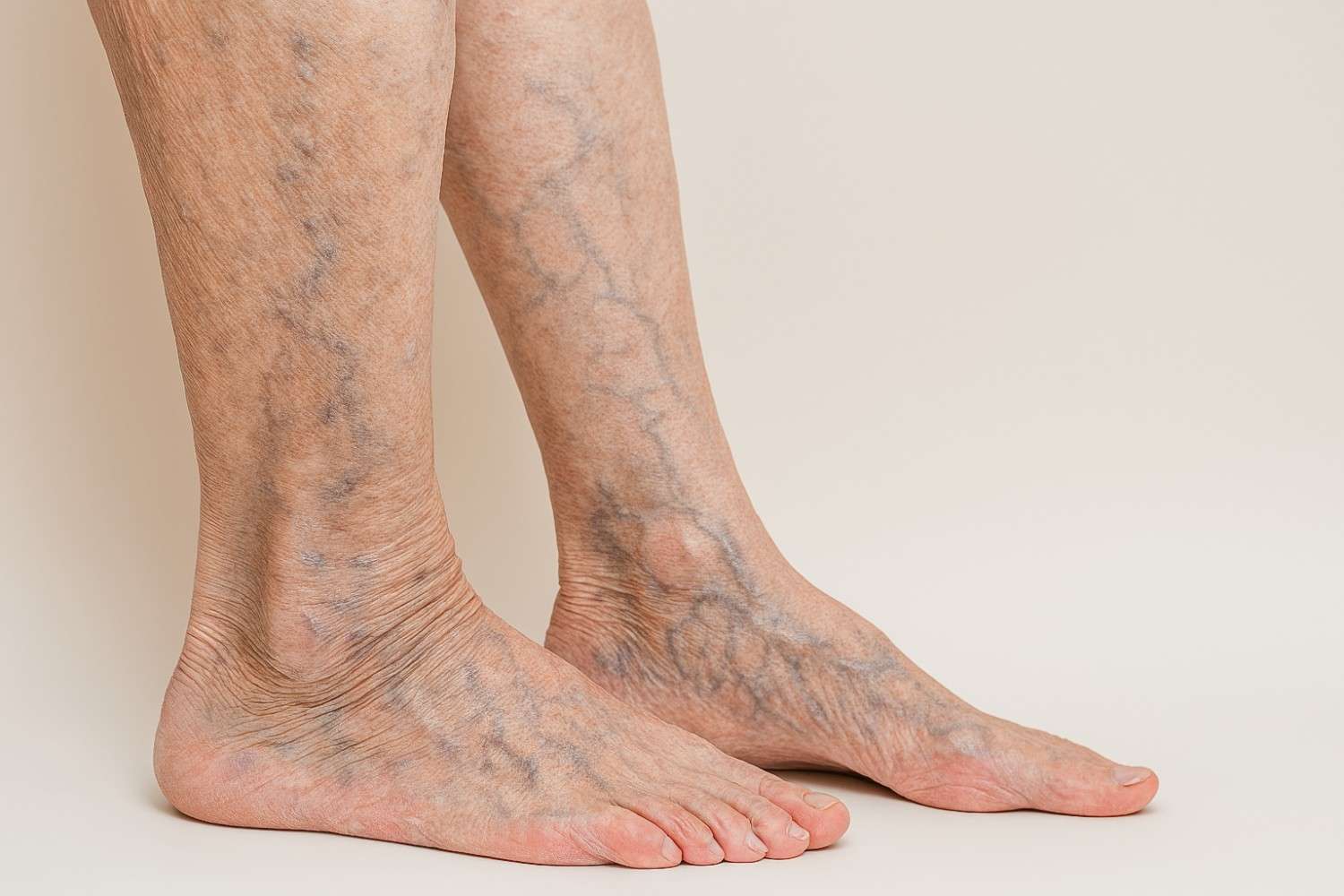
- Surface blue or purple veins that were not there previously
- Bulging, rope-like veins near the treated line
- Night cramps or restless legs linked to standing days
- Itch or tight skin over a vein track
Record any brown stain, red flare, or bluish tinge near the treated areas, along with dry, shiny, or taut skin that is indurated to the touch. These may indicate venous pressure fluctuations. If you spot a small spider vein cluster around the groin or inner thigh, it can indicate problems near the saphenofemoral junction (SFJ).
Maintain a straightforward symptom log. Log date, time, activity, leg side, pain score from zero to ten, measure of swelling such as ankle circumference in centimeters, skin changes, and a photograph when feasible. Patterns assist your clinician in connecting symptoms with reflux origins, which fuel as much as seventeen percent of recurrences.
Know the triggers. A BMI greater than 30 kilograms per square meter increases the risk of surgical recurrence. Inadequate saphenous drainage, particularly in GSV cases, foretells less robust long-term outcomes.
Postoperative neovascularization, which is new vessel growth often from pressure gradients, can re-establish flow. Recurrent reflux at the SFJ or along tributaries is frequent. Correct study of SFJ hemodynamics should involve the deep system, with particular attention to the iliofemoral tract, so as not to overlook sources.
Don’t wait. Book an ultrasound if symptoms increase for 2 to 4 weeks, new bulging veins develop, or if skin tone changes. Schedule yearly follow-ups or more if you’re high-risk, have a previous recurrence, or are planning a pregnancy.
What To Do If Veins Return
If varicose veins look raised again or symptoms creep back, respond early to identify what shifted and plan your next step. Preventing varicose vein recurrence can mean two things: the same vein segment opening up again, or new vein development in the area. Both need a clean checkup.
Document Symptoms And Changes For Medical Review
Keep a journal of how you feel and what you observe. Notice aching, heaviness, itch, cramps, or burning. Track when swelling appears, what exacerbates it, and what assists.
Include photos every week, in the same light, to compare vein size and skin color. Note daily activities that could inflame reflux, such as prolonged standing, long-haul flights, or heavy lifting. Take this log with you on your visit. It assists your clinician in connecting symptoms with reflux patterns and scheduling tests such as a duplex ultrasound.
Review Prior Treatment Records To Guide Next Steps
Collect your initial scan, the treated vein map, device type, energy dose, and op notes. Endovenous laser ablation has a low recurrence and minor complication rate. The three-year recurrence is about 7 to 9 percent, so a targeted chart review can find other causes.
Inquire if follow-ups occurred at 1 month, 6 months, and annually. If not, book now. Aging, feebler connective tissue, and valve wear can still tweak results years down the road.
Explore Additional Treatment Options If Needed
Ask for a duplex study that examines the saphenofemoral junction and the deep venous system because pressure gradients and neovascularization can facilitate new flow. Based on findings, options may include:
- Repeat endovenous ablation of residual reflux.
- Ultrasound‑guided foam sclerotherapy for tributaries.
- Phlebectomy for bulging side branches.
- In certain operations, high ligation at the junction is one technique described.
Careful dissection through a 2-cm incision with a titanium clip flush to the femoral vein is another. Your strategy should fit the vein diameter, reflux length, and your objectives.
Maintain Preventive Habits Even After Recurrence
Wear graded compression as recommended. Walk daily, maintain a healthy body weight, and elevate your legs 6 to 12 inches whenever you rest.
If you’re standing at work, keep moving from foot to foot, and take sitting breaks to elevate your legs. Don’t stand or sit for prolonged periods. Maintain annual scans to catch small changes early.

Conclusion
You’ve got a long game when it comes to vein care. Laser heals damaged veins quickly, but new vulnerabilities can emerge. That danger remains. You bring it down with a consistent lifestyle and intelligent aftercare. Consider brisk walks for 30 minutes a day, most days. Maintain a consistent weight. Wear thigh-high 20–30 mmHg socks on long shifts or flights. Book a duplex scan at 6 to 12 months and then annually. Watch for early symptoms such as ankle swelling, calf pain, night cramps, or new cords on the skin.
Real life looks like this: you walk to work, put your feet up at lunch, wear socks on a 6-hour flight, and book that scan each year. You heap mini-victories.
Feel free to ask questions or share a flare that irritates you. Contact your vein team now!
FAQ
How common is varicose vein recurrence after laser treatment?
Recurrence of varicose veins occurs in approximately 10 to 30 percent of patients over a few years, depending on vein size, anatomy, and follow-up care. Selecting a skilled vein specialist and adhering to aftercare reduces your risk.
Why do varicose veins come back after laser treatment?
Vein disease is progressive in nature, as factors like genetics, hormones, and weight contribute to the development of varicose veins. New veins can become faulty, leading to problematic veins and affecting optimal vein health.
How soon can varicose veins return after laser treatment?
They may observe changes in their vein health as early as 1 to 3 years, while others remain clear for much longer, making routine follow-ups essential for preventing varicose vein recurrence.
What signs suggest your veins are coming back?
Be alert for symptoms of venous insufficiency, such as leg heaviness, aching, swelling, itching, night cramps, or visible rope-like varicose veins. Skin discoloration near the ankle or the development of new spider veins can indicate varicose vein recurrence.
How can you reduce your risk of recurrence?
To maintain optimal vein health, keep moving, watch your weight, elevate your legs, wear compression as recommended, and avoid prolonged sitting or standing. Treat feeder veins when advised and maintain annual ultrasound checkups.
Are there effective options if your veins return?
Yes, there are options for varicose vein treatment, such as repeat endovenous laser therapy, foam sclerotherapy, or microphlebectomy, customized by your vein specialist according to ultrasound mapping.
When should you see a specialist?
Schedule a visit to a vein treatment center if symptoms recur, you notice skin changes, or varicose veins return. Initial postoperative duplex screening results in easier and more successful varicose vein treatment.