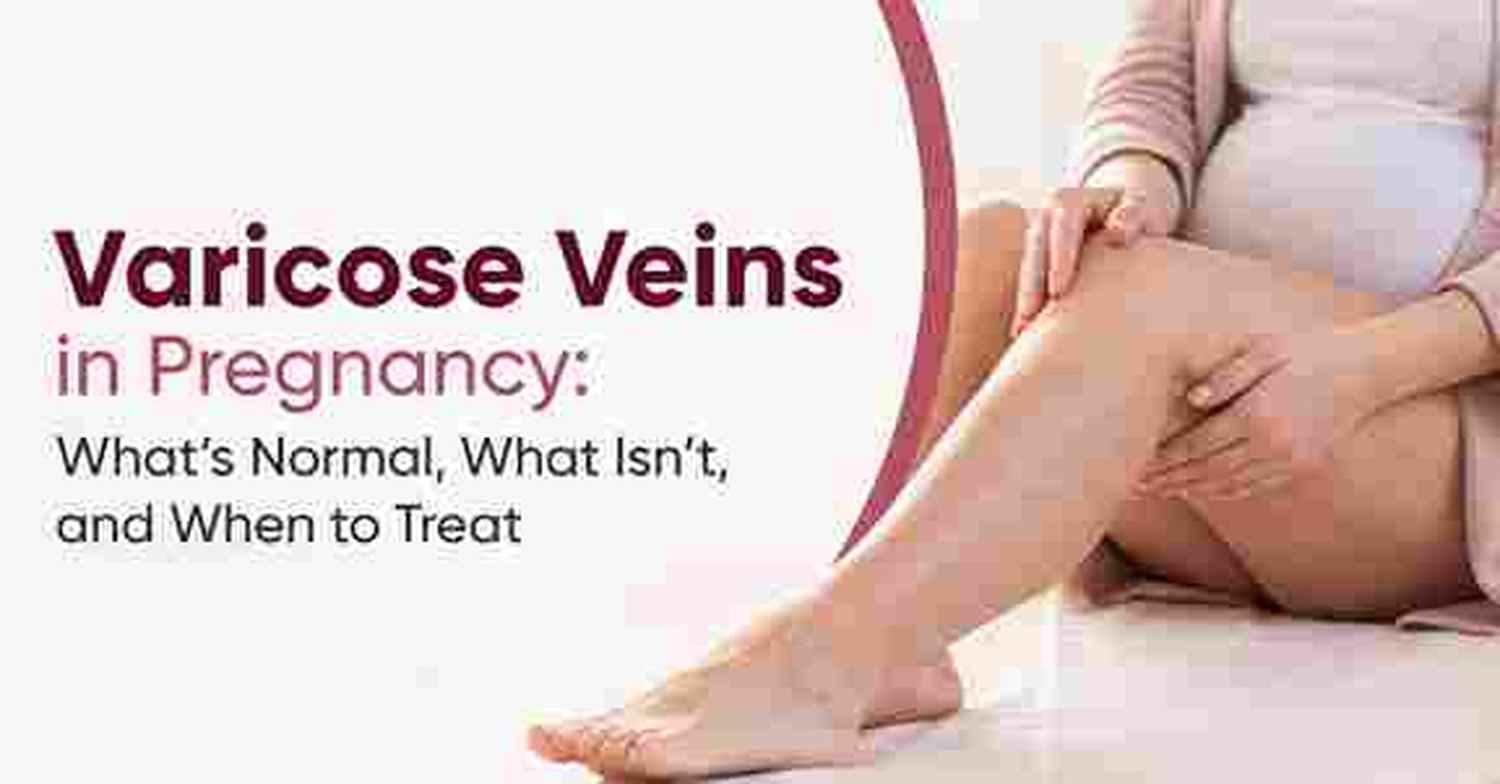
During pregnancy, varicose veins are swollen, wiggly veins that typically appear on your legs, vulva, or rectal region as your body transforms and blood volume increases. You might notice blue or purple lines, heaviness, mild pain or itch, and observe that they exacerbate after long stretches on your feet.
You may be concerned about safety for you and your little one. Below, you get the straight facts, causes, and safe relief alternatives.
Key Takeaways About Varicose Veins During Pregnancy
- You are more prone to see varicose veins during pregnancy due to hormonal changes, increased blood volume, added uterine pressure, weight gain, and any genetic predisposition to weak vein walls. Understanding these causes helps you focus on what you can realistically control and what you cannot.
- You can identify pregnancy varicose veins by twisted or bulging veins, leg heaviness, pain, swelling, itching, burning, or night cramps that often intensify after standing. Keeping track of when and where these symptoms arise assists your doctor in making a diagnosis.
- These are varicose veins that can occur outside of your legs, such as vulvar varicosities and hemorrhoids. You can watch for genital swelling, visible bluish veins, or rectal pain and bleeding and report these early.
- You can relieve symptoms safely with everyday habits such as leg elevation, compression stockings, mild exercise (walking or swimming), loose-fitting clothing and good hydration. You assist your veins by keeping to recommended pregnancy weight gain and avoiding extended periods of sitting or standing.
- You can reduce hemorrhoid risk and irritation by eating a high fiber diet, drinking enough water, remaining active, and avoiding straining during bowel movements. If necessary, you can inquire with your doctor about safe topical medications during pregnancy.
- You should seek immediate medical attention if you experience sudden or severe leg pain, rapid swelling, redness, warmth, skin discoloration, ulcers, or profuse bleeding from varicose veins. Post-birth, if prominent veins or symptoms persist a few months after delivery, you can consider consulting a vein specialist for evaluation or treatment.
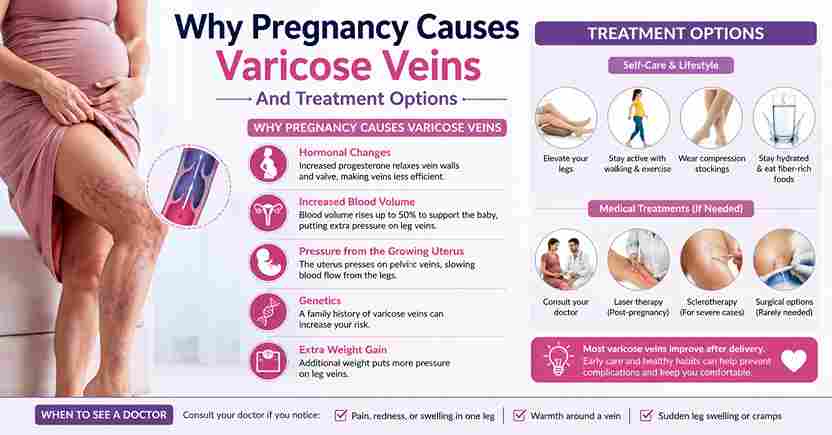
Why Pregnancy Causes Varicose Veins And Treatment Options
Your circulation takes a few twists and turns during pregnancy. Hormones, increased blood volume, a growing uterus, and added weight gain all exert additional pressure on your veins and their one-way valves, particularly in your legs and pelvis.
1. Hormonal Shifts
Progesterone, which rises fast in early pregnancy and stays high, relaxes smooth muscle in your vein walls so they lose tone and stretch more easily. When veins dilate in this way, their little valves can’t close completely and blood sneaks back and begins to pool. This is an important step in varicose vein formation.
These slow down blood flow in general, so it lingers longer in the veins of your legs, particularly if you remain sitting or standing in one position for extended periods at work or in the home. Flow that’s more sluggish makes it easier for gravity to conquer and for veins to balloon and tangle.
Hormonal shifts can alter the tiny capillaries that feed your larger veins, making their walls leakier and more delicate, which is why you’ll see both bulging veins and fine spider veins. These effects can be strongest in the first trimester when hormones surge and again in the third trimester, which often corresponds with the timing of when you first detect visible varicose veins.
2. Blood Volume
Your blood volume increases roughly 40 to 50 percent in pregnancy for your fetus and placenta. This excess fluid has to travel through the same veins you already had before pregnancy.
- Greater volume ramps up venous pressure in your lower extremities.
- Stretched vein walls and valves cope with increased back pressure.
- Even milder vein problems can flare into obvious varicose veins.
- New weak spots can appear as prominent, bulging blue or purple cords.
This additional burden frequently presents itself in the form of ankle swelling or a tight sensation in your calves by the evening. You can observe by tracking leg circumference and daily swelling; a consistent rise may indicate additional blood pooling from volume and valve stress.
3. Uterine Pressure Develops Varicose Veins
As the uterus expands, it compresses deep pelvic veins and the inferior vena cava, the primary vein that returns blood from your legs to your heart. This mechanical pressure slows the normal upward flow of blood, so it backs up into smaller leg veins that are already dealing with higher volume and weaker valves.
This effect is generally most pronounced in late pregnancy and in multiple pregnancies when the uterus is larger. By lying on your left side, you help relieve pressure on the vena cava, which can reduce the fullness of your veins and heaviness in your legs.
4. Genetic Link Can Make You Worried About Varicose Veins
There’s a powerful hereditary factor that determines how your veins react to all this pregnancy-induced chaos. If close relatives have varicose veins, chronic venous insufficiency, or required vein procedures, your own vein walls and valves may be more fragile from birth.
Pregnancy just exposes a built-in vulnerability rather than “causing” it from scratch. You can draw up a quick family chart of who has leg veins, when they appeared, and if any treatments were applied. This provides you and your clinician a good sense of inherent risk.
With inherited vein wall weakness, you can still get varicose veins even if you exercise regularly, maintain weight gain in check, and avoid prolonged sitting or standing.
5. Weight Gain & Varicose Veins Are Common During Pregnancy
Regular pregnancy weight gain places additional strain on your pelvic and leg veins, increasing pressure in the veins already battling gravity. Additional body weight, particularly around the abdomen and hips, can inhibit venous return, contribute to venous stasis, and increase susceptibility to evening leg swelling and prominent veins.
Fast or excessive weight gain can accelerate varicose veins. Staying within the range your prenatal team recommends, as best you can, won’t prevent varicose veins if you’re susceptible to them, but it typically helps keep symptoms such as pain, throbbing, and heaviness more manageable.
Identifying The Symptoms To Treat Varicose Veins
You begin to identify varicose veins when veins close to the surface of your skin appear thick, twisted, or rope-like, usually on your calves or inner legs. They can appear blue, purple, or dark red and can protrude even further throughout the day. In pregnancy, these changes typically arise in the second trimester and may gradually worsen as your due date approaches.
You may notice slight swelling in your feet, ankles, or lower legs and that your shoes feel tighter by the evening, even if they were loose in the morning. You may experience a mild pain or a sense of heaviness or pulling in the legs, particularly after being seated or standing for an extended period. This weight can make stairs, long walks, or even routine chores seem tougher than normal.
Swelling contributes to this, so your legs feel tight, stiff, or sore by night. Skin above the vein can become dry or itchy and you’ll find yourself scratching the same areas over and over, which can occasionally make the skin more fragile or inflamed. Other symptoms are sensorial. You’ll have burning, throbbing, or a warm, buzzing sort of pain along the course of a vein.
Night leg cramps, usually in the calves, can arouse you from sleep and might be associated with the same leg that has outward signs of veins or swelling. They tend to be worse at the end of the day or after long shifts, travel, or anytime you’re in one position sitting or standing, because your leg veins have to pump harder to push blood up to your heart.
You assist your practitioner immensely when you record what you experience and when it occurs. Observe which leg is most affected, the intensity of the pain or itch on a basic scale from 0 to 10, and the frequency of swelling or cramps. Note what you were doing before, like standing at work, long drives, or sitting cross-legged.
This history will lead to a more targeted exam, eliminate other issues, and inform a treatment plan. While pregnancy varicose veins are generally not harmful to you or your baby and tend to subside or diminish within a few months to one year post-partum, obvious documentation helps you monitor progress.
Beyond The Legs
Varicose veins do not stay limited to your legs. During pregnancy, you can get them in the vulva and rectum because the veins in your pelvis handle more blood flow while facing higher pressure from your growing uterus. These non-leg varicosities can look like twisted, bluish veins under the skin and may bring pain, pressure, or swelling in the genital or anal area.
They are common in pregnancy, which affects up to 40% of people with varicose veins, but they can hint at wider circulation problems or, less often, blood clots. Track any new swelling, pain, or visible veins outside your legs and tell your clinician, especially if one side looks much larger, feels hot, or you notice sudden tenderness, as these can be warning signs for deep vein thrombosis.
Vulvar Varicosities
Vulvar varicosities are swollen, twisted veins in the vulva, often showing up in the second or third trimester when pelvic pressure peaks. You may see bulging, bluish lines or grape-like clusters around the vaginal opening, or only feel a dull ache or heavy, “dragging” sensation that gets worse when you stand for long periods, walk a lot, or at the end of the day.
Symptoms can include fullness, pressure, burning, or sharp pain during sex, exercise, or even when sitting on a hard chair. The area may feel puffy or tender when you wipe or wash. For many, these veins appear along with leg varicose veins or hemorrhoids since the same pelvic congestion affects all those veins at once, especially if you have a family history of varicose veins or already notice bulging veins elsewhere.
Most vulvar varicosities resolve a few months after delivery as blood volume and hormones stabilize. Until then, support garments or specially designed pelvic support belts, cool compresses, side-lying rest, and compression stockings for your legs can relieve symptoms and reduce swelling.
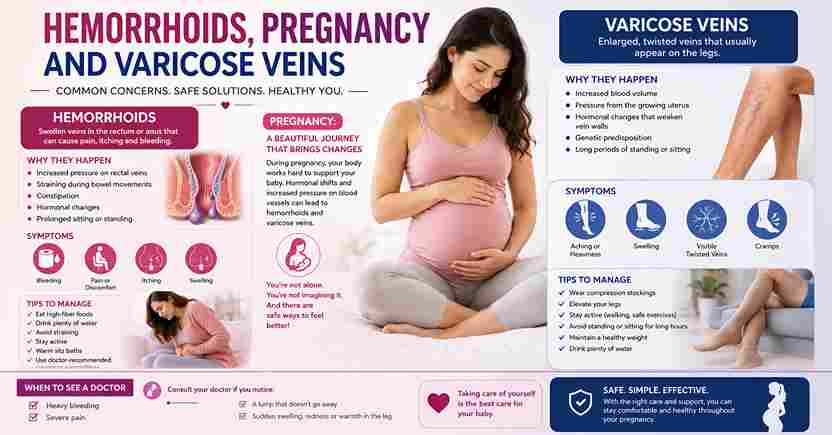
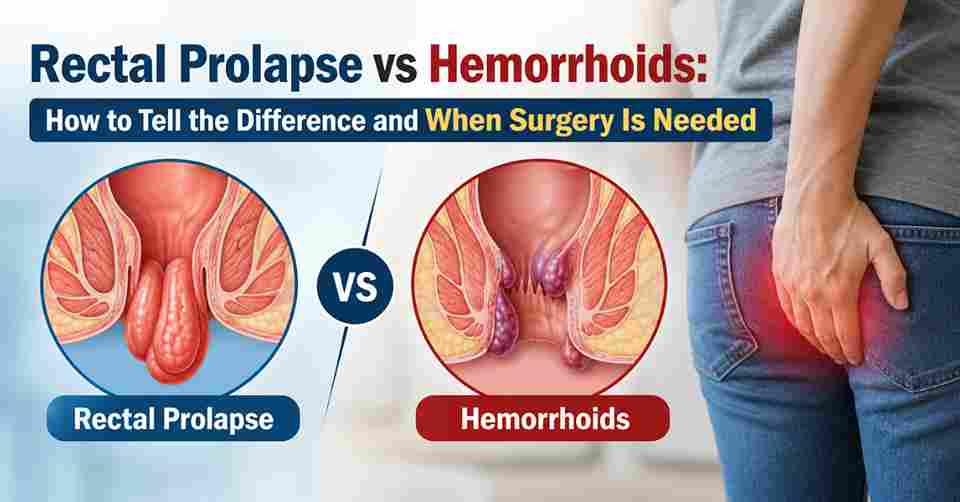
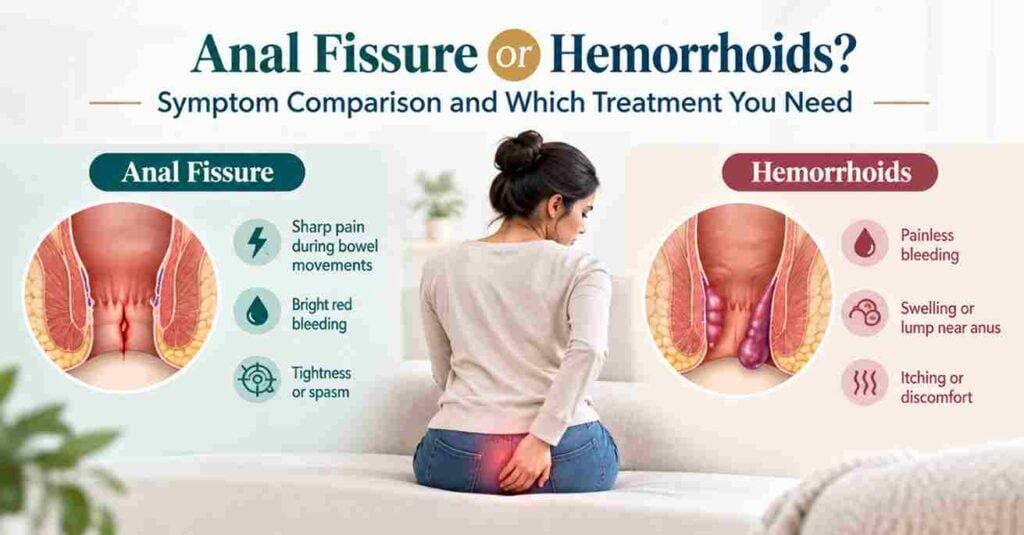
Hemorrhoids , Pregnancy And Varicose Veins
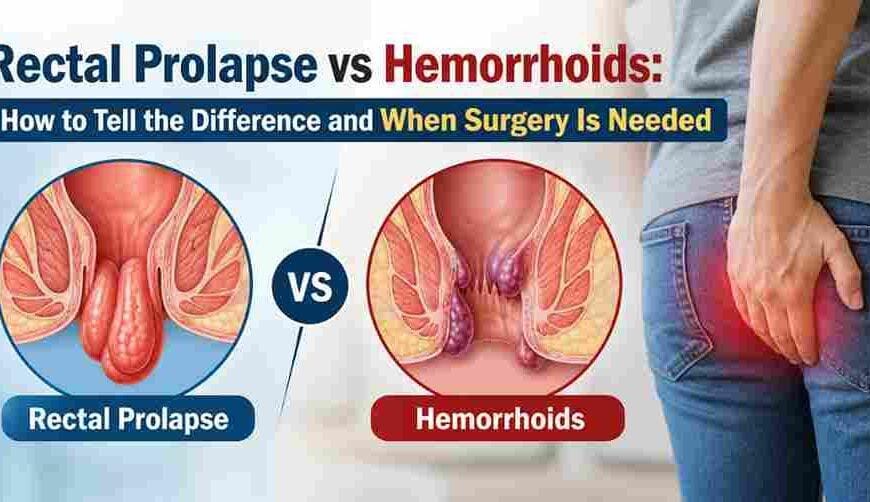
Hemorrhoids are varicose veins in the rectal area that often flare during pregnancy due to a mix of higher pelvic pressure, slowed blood flow, and constipation. You might feel itching, burning, swelling, or sharp pain around your anus, with bright red blood on the toilet paper or in the toilet after a bowel movement.
Sitting for long periods, straining on the toilet, or lifting heavy objects can make them worse and raise overall vein pressure. Use this checklist to lower your risk and ease symptoms:
- Drink enough water so your urine stays pale yellow.
- Consume fibrous foods such as oats, beans, fruits, and vegetables.
- Keep moving with safe activity, such as walking for 20 to 30 minutes on most days.
- Shorten your straining or employ a footstool to raise your feet on the toilet.
- Don’t sit or stand for too long without micro-breaks.
- Check with your clinician before applying any creams, suppositories, or pain relief.
A lot of us see hemorrhoids and other pregnancy-related varicosities calm down post-birth, but some symptoms persist, particularly if you have a robust family history. Be on the lookout for intense pain, hard masses, or profuse bleeding and get medical attention, as hemorrhoids and rectal varices can occasionally indicate more serious vein issues.
Safe Pregnancy Relief Methods
Here’s how you can relieve vein pain in pregnancy with easy, everyday habits that safeguard circulation, reduce pressure in your legs, and slip into a regular routine with no special tools or therapy.
- Raise your legs above heart level multiple times a day to help blood drain back towards your heart and decrease swelling.
- Wear medical-grade compression stockings that support vein walls, reduce pooling, and minimize the appearance and pain of varicose veins.
- Engage in light exercise like walking or swimming to assist your calf muscles in pumping blood and counteract the increased blood volume of pregnancy.
- Drink adequate water and consume fiber-rich foods to avoid constipation. Straining with bowel movements can exacerbate leg veins and hemorrhoids.
Avoid prolonged standing, sitting with crossed legs, tight clothes, and high heels, as they all increase pressure in your leg veins. Incorporate these relief measures into a regular daily routine so they become habits, not band-aids.
Lifestyle Adjustments To Get Rid Of Varicose Veins
Elevate your legs on a pillow or folded blanket so that your feet rest higher than your heart for 15 to 20 minutes, a few times a day. This can reduce swelling and pressure, and over weeks you might experience less heaviness by night.
Many find avoiding long, fixed postures to be helpful. If you stand at work, take short walk breaks, and if you sit most of the day, stand up frequently, do calf raises, or walk a short circuit in your home or office.
Stay near a healthy weight with good nutrition, as each additional kilo stresses your leg veins. Choose meals that are abundant in fruits, veggies, whole grains, and legumes so you receive plenty of fiber to reduce constipation and straining.
Loose, breathable pants, dresses, and underwear allow blood to flow better and can reduce itch, heat, and visible bulging. High heels push weight to the front of your feet and alleviate your calf pump, so select flat or low, wide-heel shoes most days.
Compression Wear
Compression stockings or socks provide controlled, graduated pressure from the ankle upward, which can reduce pain, swelling, and the bluish or purplish lines you see on your legs.
Graduated styles, which are snugger at the ankle and softer toward the thigh, assist blood flow to push blood upwards and reduce blood from accumulating in lower veins. Typically, for optimal results, you wear them in the morning before swelling sets in and throughout the day, removing them at night unless your provider tells you otherwise.
Have a clinician or trained fitter assist you in locating the appropriate size and strength, as bands that dig into your skin, non-medical “shapewear” or very tight tops can obstruct flow and exacerbate symptoms.
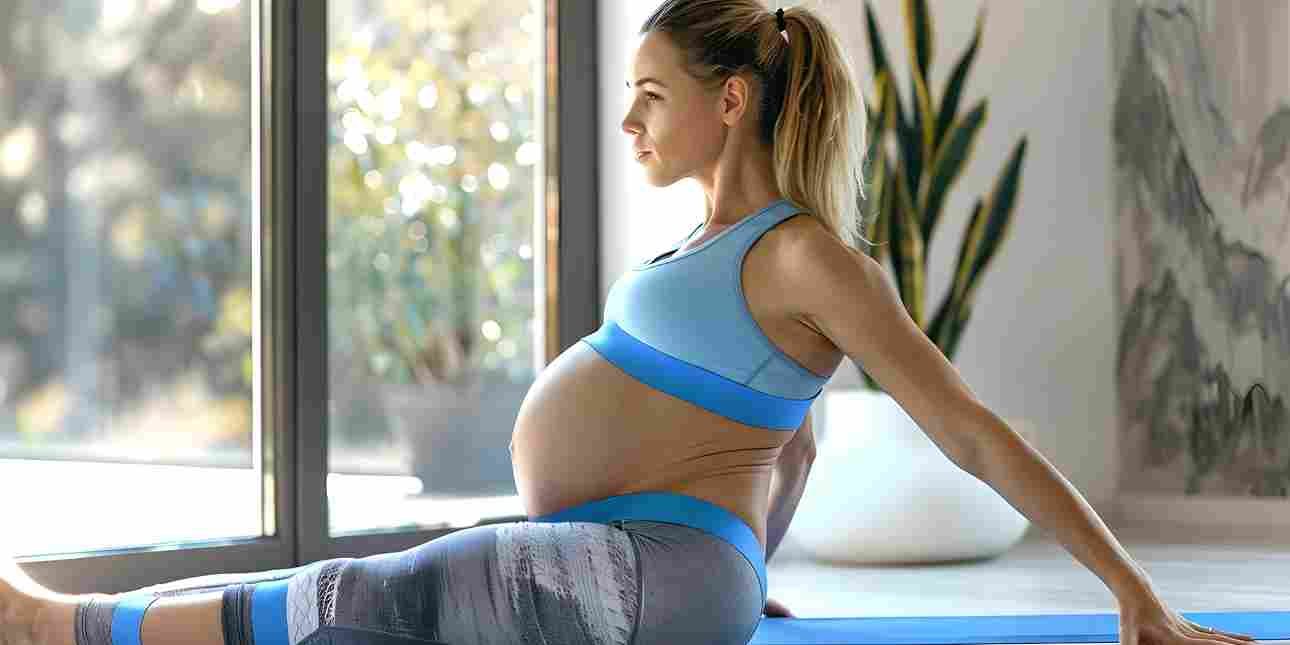
Gentle Exercise
Gentle, frequent movement goes a long way and most individuals experience reduced swelling once they incorporate daily walks into their pregnancy. Walking, swimming, and prenatal yoga are all low-impact options that keep your calf muscles engaged without great exertion.
Simple calf raises, ankle circles, and flex-and-point moves while you sit or lie down function like a mini-pump to push blood back toward your heart. If you can, try to get a little movement every hour or so during the day as opposed to one long, hard workout.
Avoid high impact sports, heavy lifting, or workouts that leave you breathless or cause leg cramping. Consult with your prenatal care team before beginning anything new.
Natural Remedies
Cool water rinses in the shower or quick, cold foot baths can soothe hot, swollen veins and provide temporary relief. Resting, elevate your feet by placing a pillow or rolled towel under your calves. This easy adjustment can alleviate edema come sundown.
Gentle foot or lower-leg massage, or light lymphatic-style strokes toward the heart, may feel good to relieve a sense of tightness. Steer clear of deep, hard pressure on visible varicose veins and always check massages with your clinician.
A high-fiber pattern of fruits, vegetables, whole grains, and legumes helps prevent constipation, which lowers strain on pelvic and leg veins and can reduce hemorrhoid risk. Most pregnancy varicose veins fade away within approximately 3 to 6 months after delivery, and the treatment is typically deferred until after pregnancy and nursing.
When To Seek Medical Advice
You don’t need a crisis before seeking varicose vein help while pregnant. Medical advice can guide you on what is normal for pregnancy and what might indicate a more serious vein or clotting issue, now or post-birth.
Pursue urgent or emergency care for severe pain, sudden swelling, or a significant change in one leg, particularly if it feels warm or tight, or appears red or blue. These might indicate a blood clot in a deep vein (DVT).
Sudden breathlessness, chest pain, or coughing up blood require immediate emergency care, even if you think it’s “just pregnancy.” These may be indicative that a clot has traveled to your lungs.
Call your doctor or vein specialist if pain, aching, or discomfort from your veins begins to interfere with your daily activities, such as walking at work, standing to cook, or sleeping at night.
If you see a hard, tender lump along a vein, or the skin over a vein is red and sore, that needs medical review, as it may be a clot in a surface vein. It’s prudent to get advice if you notice swelling, skin changes, or patches of discolored or brown skin around your ankles or calves.
See a clinician if you observe skin breaks, slow-healing sores, or any bleeding from a bulging vein, even if it stops spontaneously.
Request an ultrasound or varicose vein check if symptoms intensify, spread higher up the leg, or fail to improve three to six months postpartum.
You can consult with a specialist if you have a strong family history of vein disease or if the appearance of your veins concerns you and you want to understand your options.
Postpartum Vein Outlook
Pregnancy causes your veins to pump with more exertion to send blood back to your heart. Extra blood volume, hormone shifts, and the weight of your uterus all put pressure on veins in your legs, lower abdomen, and pelvic floor. This pressure, combined with injury to the one-way valves within your veins, creates the environment for varicose veins to emerge or worsen.
Almost all pregnancy varicose veins mellow post delivery. As your hormones decrease and your uterus contracts, the pressure on your veins reduces. For most, the prominent and dark rope-like lines subside considerably or even disappear within around three months.
You may find your legs are lighter, less sore before bed and less swollen after standing or walking. This is true even if your veins looked pretty spectacular in the third trimester or if you sported new veins on your vulva or behind your knees.
Not all veins disappear. If you continue to notice large, raised, or twisted veins six months post-delivery, and they continue to ache, itch, throb, or feel heavy, you may require a check-up. This is especially true if you had varicose veins during a previous pregnancy, if close relatives have them, or if you gained more than around 18 kg during pregnancy.
A few veins that begin in pregnancy will not self-resolve and require treatment such as sclerotherapy, which involves small injections that shut the vein down, or small surgical excision through needle-sized incisions.
Watch for swelling that doesn’t match your other leg, pain that blows you awake at night, or fresh bulging veins that arise months after birth. A visit to a vein center or vascular specialist provides you with a customized care plan and helps you determine whether you should observe, wear compression, or undergo treatment.
Conclusion
Varicose veins in pregnancy can be rough. At least now you know the “why,” the signs, and safe ways to ease them. You know they typically subside post-birth or once your body ‘resets.’
You don’t have to repair each vein at this moment. You simply have to be vigilant, look after your legs and raise a voice if pain, heat or big swelling appears. A quick chit-chat with a doctor can erase a lot of uncertainty and tension.
For next steps, keep a simple log of your vein changes, bring it to your checkup, and ask one clear question: “What is the best plan for my veins and my baby?
Frequently Asked Questions
Can pregnancy cause new varicose veins even if I never had them before?
Yes. Pregnancy increases blood volume and hormones that relax your vein walls. Your expanding uterus is pressing on leg veins. All of these changes combined can bring about new varicose veins, even if you never spotted any before pregnancy.
Are varicose veins during pregnancy dangerous for you or your baby?
Most pregnancy varicose veins are innocuous and a cosmetic issue. While they are uncomfortable, they rarely pose a danger to you or your baby. Sudden pain, redness or swelling can indicate a clot. If so, then you need to urgently visit your doctor.
How can you safely relieve varicose vein pain while pregnant?
You can elevate your legs, avoid extended periods of standing or sitting, sleep on your left side, wear medical-grade compression stockings, and maintain an active lifestyle with gentle exercise. These are typically safe in pregnancy. As always, check with your prenatal care provider.
Do varicose veins only appear on your legs during pregnancy?
No. Pregnancy might enlarge vulvar, pelvic, and rectal veins. Hemorrhoids are, in fact, varicose veins of the rectum. If you observe pressure, swelling, or bulging veins anywhere other than your legs, talk to your doctor or midwife about this.
When should you see a doctor about varicose veins in pregnancy?
You should see your doctor if you experience severe pain, sudden swelling in one leg, skin changes, hard or warm veins, bleeding from a vein, or any symptoms of a clot like shortness of breath or chest pain. Don’t wait in these cases.
Will pregnancy varicose veins go away after you give birth?
Most pregnancy related varicose veins improve within 3 to 12 months after delivery, particularly after your first pregnancy. Others will continue to be visible or symptomatic. If they bother you beyond that point, you can discuss treatment options with a vein specialist.
Can you prevent varicose veins in future pregnancies?
You can’t completely prevent them, particularly with family history, but you can reduce risk. Maintain a healthy weight, remain active, avoid extended periods of standing or sitting, use compression stockings, and prop your legs up each day. It helps to have started the habits before pregnancy.