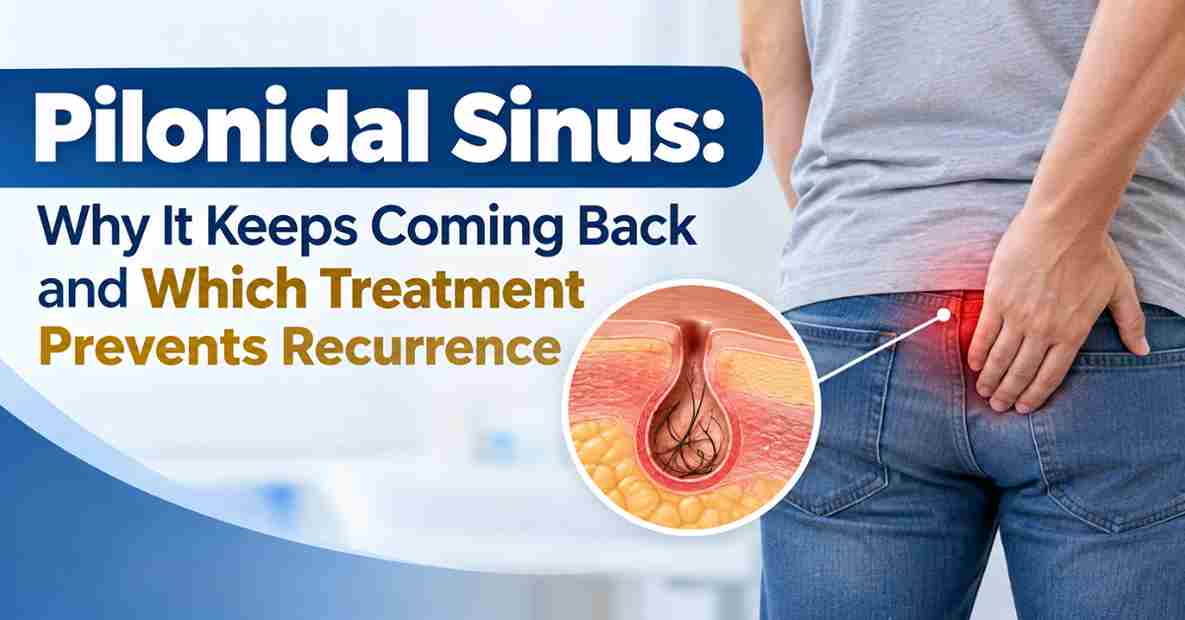
If you’ve been grappling with the discomfort and frustration of a recurring pilonidal sinus, you’re not alone. This guide delves into understanding why this condition persists, exploring the various pilonidal sinus treatment options available, and ultimately pinpointing which approach offers the best chance for preventing recurrence and achieving lasting relief. Let’s uncover the solutions together.
Key Takeaways
Understanding pilonidal sinus disease is crucial for effective treatment. A pilonidal sinus is a small hole or tunnel in the skin, often near the tailbone, that can become infected. The recurrence of pilonidal sinus is a common and frustrating issue for many individuals, often due to inadequate initial treatment or predisposing factors.
| Treatment Type | Description |
| Conservative Methods | Without surgery |
| Surgical Procedures | Various options, each with its own advantages and disadvantages regarding recurrence rates. |
Effective treatment for pilonidal sinus often involves a surgical procedure to remove the sinus tract and prevent future infections. When considering treatment, it’s vital to explore various options. Choosing the right type of surgery or even opting for non-surgical treatment in less severe cases can make a significant difference in your long-term comfort and health, preventing the need for repeated operations.
| Treatment Option | Key Benefit |
| Laser or Flap Surgery | Significantly reduces the risk of recurring pilonidal sinus compared to simpler incision and drainage. |
| Pilonidal Sinus Treatment Without Surgery | An option for less severe cases. |
Understanding Pilonidal Sinus
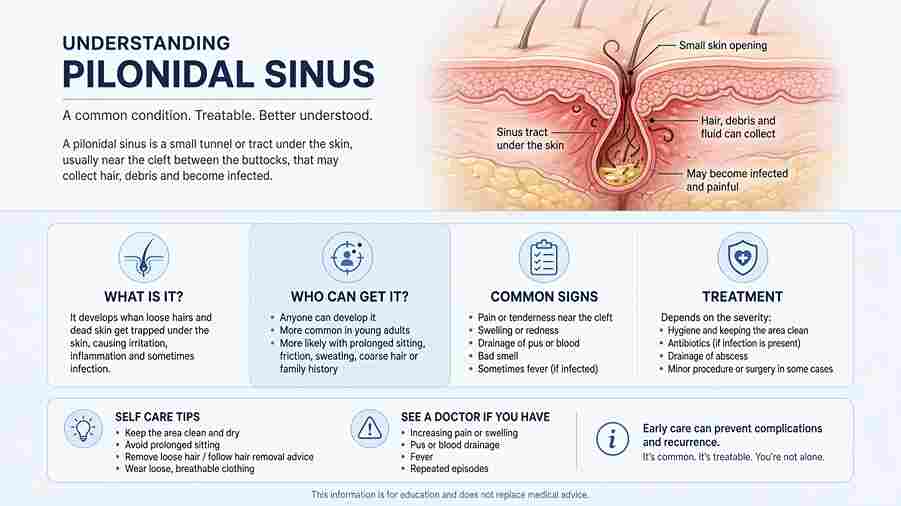
A pilonidal sinus is more than just a minor skin irritation; it’s a chronic condition that can cause significant discomfort and disruption to your daily life. It typically manifests as a small hole or tunnel in the skin, often situated in the natal cleft, near the tailbone. This sinus tract can trap hair and debris, leading to inflammation and, frequently, a painful pilonidal sinus infection. Understanding its nature is the first step toward finding an effective treatment and preventing recurrence.
What Is Pilonidal Sinus?
A pilonidal sinus is essentially a small tunnel or tract in the skin that most commonly develops in the crease of the buttocks, near the tailbone. It originates from an ingrown hair, which then creates a cavity or pilonidal cyst under the skin. This cyst or sinus can become infected, leading to an abscess filled with pus. When you have an infected pilonidal sinus, it can cause severe pain and swelling, making everyday activities uncomfortable. The disease is characterized by this recurring sinus tract, which often requires a specific type of surgery for pilonidal to resolve permanently.
Causes Of Pilonidal Sinus
The primary cause of pilonidal sinus is the penetration of loose hairs into the skin, often in the natal cleft. These hairs, combined with friction and pressure from prolonged sitting or certain activities, can create a small nodular swelling which eventually forms a sinus tract. Hair follicles become clogged, leading to irritation and the development of a pilonidal cyst. Once the cyst forms, it’s susceptible to becoming an infected pilonidal sinus, leading to an abscess. Factors like excessive sweating, obesity, and a sedentary lifestyle can increase your risk of developing pilonidal sinus, contributing to its recurrence if not properly addressed.
Symptoms And Diagnosis
Recognizing the symptoms of a pilonidal sinus is crucial for early intervention. Diagnosis typically involves a physical examination by a healthcare professional, who will inspect the area for signs of a sinus tract, swelling, or drainage. Identifying these symptoms accurately helps in determining the most effective treatment.
| Symptom Category | Specific Symptoms |
| Common Signs (especially with abscess/infection) | Pain, swelling, and redness near the tailbone; drainage of pus or blood from a small opening in the skin. |
| Other Possible Signs | A small, painless pit or dimple. |
Treatment Options For Pilonidal Sinus
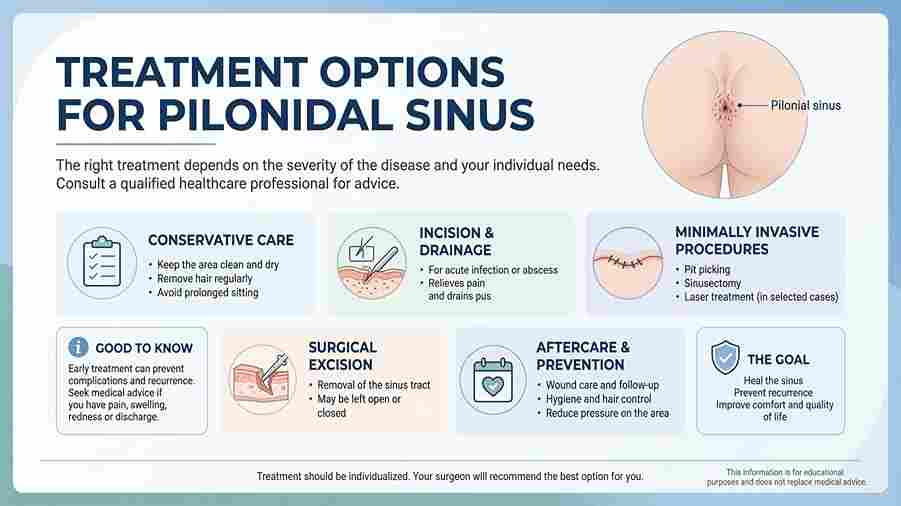
When dealing with pilonidal sinus, understanding the various treatment options is crucial for achieving lasting relief and preventing recurrence. From conservative non-surgical approaches to advanced surgical procedures, each method aims to address the underlying cause and eliminate the sinus tract. Your choice of treatment for pilonidal sinus will depend on the severity of your condition, the presence of an infected pilonidal sinus, and your personal circumstances.
Pilonidal Sinus Treatment Methods
Several pilonidal sinus treatment methods are available, ranging from simple drainage to complex surgical interventions. For an acute abscess, incision and drainage may provide immediate relief from pus accumulation. However, for chronic pilonidal sinus disease, more definitive solutions are often required to prevent recurring pilonidal sinus. These can include various types of surgery for pilonidal, each designed to remove the sinus tract and promote healing, minimizing the chances of needing to be operated on for pilonidal sinus again.
Pilonidal Sinus Surgery Overview
Pilonidal sinus surgery remains the most effective treatment for pilonidal sinus, especially for recurring cases. Common surgical approaches include wide excision and open healing, excision and primary closure, and more advanced flap surgery techniques like Karydakis or Bascom flap procedures. These surgical procedures aim to remove the entire sinus tract and any associated pilonidal cyst, reducing the likelihood of recurrence. The goal is to create a flatter, cleaner area, particularly in the natal cleft, which is less prone to trapping hair and developing a future sinus infection.
Non-Surgical Treatment For Pilonidal Sinus
While surgery is often recommended for definitive resolution, some non-surgical treatment options can be considered for less severe cases or as initial management. These include maintaining strict hygiene, hair removal in the affected area, and antibiotics for an infected pilonidal sinus. For chronic but uninfected pilonidal sinus, laser treatment (e.g., laser surgery) can be an option, where a laser fiber ablates the sinus tract without a large incision. However, it’s important to note that without surgery, the recurrence rate can be higher compared to surgical interventions like flap surgery.
Risks And Complications Of Pilonidal Sinus
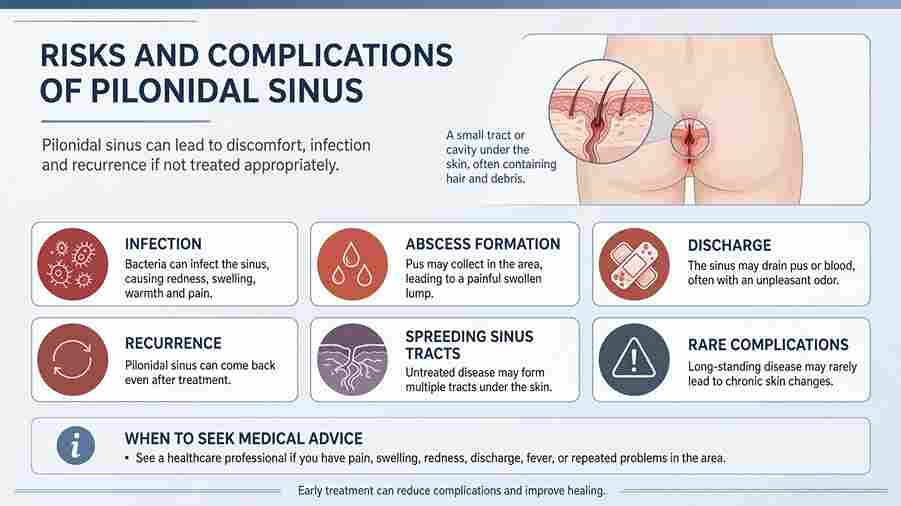
While effective treatment for pilonidal sinus is paramount, it’s equally important to be aware of potential risks and complications associated with the condition itself and its various treatments. Understanding these factors can help you make informed decisions about your care and manage expectations regarding your recovery and long-term prognosis. Addressing these risks proactively contributes to a better overall outcome.
Complications Of Pilonidal Sinus Surgery
Despite being the most effective treatment, pilonidal sinus surgery is not without its complications. These can include wound infection, delayed wound healing, bleeding, and nerve damage. The most significant complication remains the recurrence of pilonidal sinus, even after a seemingly successful surgical procedure. Factors like incomplete removal of the sinus tract, poor wound care, or continued hair entry into the wound can contribute to a recurring pilonidal. Choosing a skilled surgeon and appropriate flap surgery technique can significantly minimize these risks.
Sinus Infection And Infected Pilonidal Sinus
A primary risk associated with pilonidal sinus is the development of a severe sinus infection. When the sinus tract traps hair and debris, it creates an ideal environment for bacteria to flourish, leading to an infected pilonidal sinus. This can result in the formation of a painful abscess, filled with pus, causing significant discomfort and requiring immediate drainage. Repeated sinus infection episodes not only cause more pain but also complicate future pilonidal sinus treatment, potentially necessitating more extensive surgery for pilonidal.
Understanding Pilonidal Sinus Disease
Pilonidal sinus disease is a chronic condition that, if left untreated or inadequately managed, can lead to persistent discomfort and recurrent infections. Understanding the nature of this disease, including its tendency to recur, is key. Chronic pilonidal sinus can cause multiple tracts, persistent drainage, and even increase the risk of rare complications like squamous cell carcinoma in long-standing, untreated cases. Early and effective treatment of pilonidal sinus, whether through laser or flap surgery or other suitable methods, is vital to prevent these long-term issues.
Cost And Accessibility Of Treatments
Understanding the financial implications and accessibility of various pilonidal sinus treatments is a crucial aspect of managing this condition. The cost of pilonidal sinus surgery and other interventions can vary significantly depending on the type of surgical procedure, the healthcare facility, and your geographical location. Exploring both the expenses involved and the availability of specialized care, especially concerning pilonidal sinus treatment in Sharjah, can help you make an informed decision for an effective treatment without undue financial burden or logistical challenges.
Cost Of Pilonidal Sinus Treatment
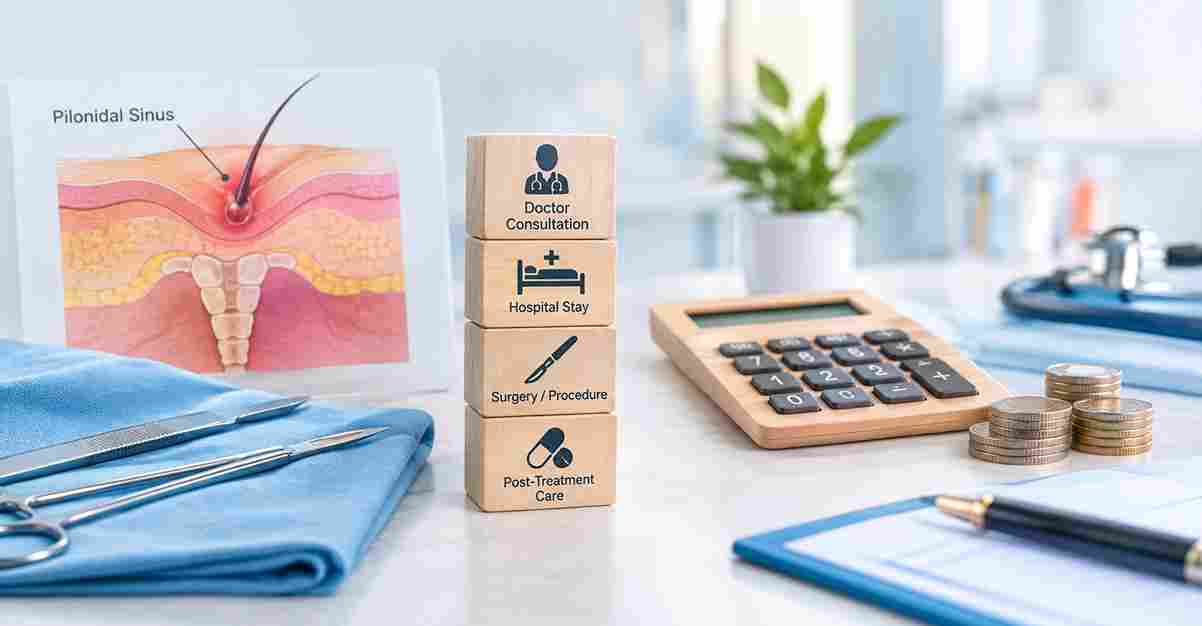
The cost associated with pilonidal sinus treatment can be a significant factor for many patients. Surgical procedures, such as flap surgery or even less invasive options like laser surgery, will typically incur higher costs than non-surgical approaches. Factors influencing the total expense include hospital fees, surgeon’s fees, anesthesia costs, and post-operative care. It is important to discuss these costs with your healthcare provider and insurance company to understand your out-of-pocket expenses for treating your pilonidal sinus. Effective treatment is vital, and understanding the financial aspect ensures you can pursue the best option for your recurring pilonidal sinus.
Pilonidal Sinus Treatment In Sharjah
For individuals seeking pilonidal sinus treatment in Sharjah, there are several reputable medical facilities offering a range of options, from conservative management to advanced surgical procedures. Many clinics and hospitals in Sharjah provide specialized care for pilonidal sinus disease, including modern techniques like laser or flap surgery, aimed at reducing the recurrence of pilonidal sinus. Accessibility to experienced surgeons and state-of-the-art equipment ensures that you can receive comprehensive and effective treatment for your pilonidal sinus, whether it’s an initial diagnosis or managing a recurring pilonidal.
Laser Ablation As A Treatment Option
Laser ablation represents an advanced and often preferred pilonidal sinus treatment without surgery for many. This minimally invasive technique involves using a laser fiber to ablate and close the sinus tract from the inside, significantly reducing the size of the incision and promoting faster healing. Laser ablation for pilonidal sinus is particularly appealing due to its lower pain levels and quicker recovery times compared to traditional open surgery. While it may not be suitable for all cases, particularly those with a complex or deeply infected pilonidal sinus, it offers a promising alternative for achieving effective treatment and preventing recurrence.
Conclusion
Successfully managing pilonidal sinus disease requires a comprehensive understanding of its causes, symptoms, and the various pilonidal sinus treatment options available. While non-surgical methods can offer temporary relief, surgical interventions, particularly advanced techniques like flap surgery or laser surgery, generally provide the most effective treatment for preventing recurrence. By choosing the right approach, whether in Sharjah or elsewhere, you can significantly improve your quality of life and put an end to the frustrating cycle of recurring pilonidal sinus infections, ensuring lasting comfort and well-being.
Frequently Asked Questions
1. What is a pilonidal sinus?
A pilonidal sinus is a small hole or tunnel in the skin, most commonly located near the tailbone in the natal cleft. It often forms when loose hairs penetrate the skin, leading to a pilonidal cyst or a sinus tract. This tract can become infected, resulting in an abscess filled with pus, causing pain and swelling. It is a recurring condition that frequently requires pilonidal sinus treatment to prevent further complications.
2. How is a pilonidal sinus treated?
Pilonidal sinus treatment varies depending on the severity. For an acute abscess, incision and drainage may be performed to release pus. For chronic or recurring pilonidal sinus, surgical procedure is often necessary, such as wide excision, primary closure, or advanced flap surgery. Non-surgical options like laser treatment can also be considered for less severe cases. The goal of any treatment for pilonidal sinus is to remove the sinus tract and prevent recurrence.
3. What are the risks of pilonidal sinus surgery?
While pilonidal sinus surgery is an effective treatment, risks include wound infection, delayed healing, bleeding, and nerve damage. The most significant concern is the recurrence of pilonidal sinus, even after surgery, if the entire sinus tract is not removed or if new hairs enter the wound. Choosing the right type of surgery and diligent post-operative care can help minimize these complications and reduce the chances of being operated on for pilonidal sinus again.
4. Can pilonidal sinus be treated without surgery?
Yes, pilonidal sinus can sometimes be treated without surgery, especially for less severe or uninfected cases. Non-surgical options include maintaining strict hygiene, hair removal, and antibiotics for an infected pilonidal sinus. Laser treatment, such as laser ablation, is also a minimally invasive pilonidal sinus treatment without surgery that aims to close the sinus tract. However, these methods may have a higher recurrence rate compared to definitive surgical options like flap surgery.
5. What causes recurrent pilonidal sinus?
Recurring pilonidal sinus is often caused by incomplete removal of the initial sinus tract during previous treatment or continued penetration of loose hairs into the skin. Factors like deep natal clefts, obesity, excessive sweating, and a sedentary lifestyle can predispose you to developing pilonidal sinus and its recurrence. Effective treatment, such as a specialized flap surgery, aims to alter the anatomy to reduce these contributing factors and prevent future episodes of sinus infection.
6. Is laser treatment effective for pilonidal sinus?
Laser treatment, particularly laser ablation, is considered an effective treatment for certain types of pilonidal sinus, especially for uncomplicated cases with a single sinus tract. It’s a minimally invasive option that causes less pain and allows for faster recovery compared to traditional open surgery. While it reduces the risk of recurrence for many, its effectiveness can vary based on the complexity of the pilonidal sinus disease, and it might not be suitable for all patients.
7. How much does pilonidal sinus treatment cost?
The cost of pilonidal sinus treatment varies significantly based on the type of surgical procedure, the healthcare facility, the surgeon’s fees, and whether you opt for non-surgical methods. Complex procedures like flap surgery will typically be more expensive than simple incision and drainage or laser treatment. It’s advisable to consult with your chosen clinic or hospital and your insurance provider for a detailed breakdown of costs, especially if seeking pilonidal sinus treatment in Sharjah, to understand your financial responsibilities.