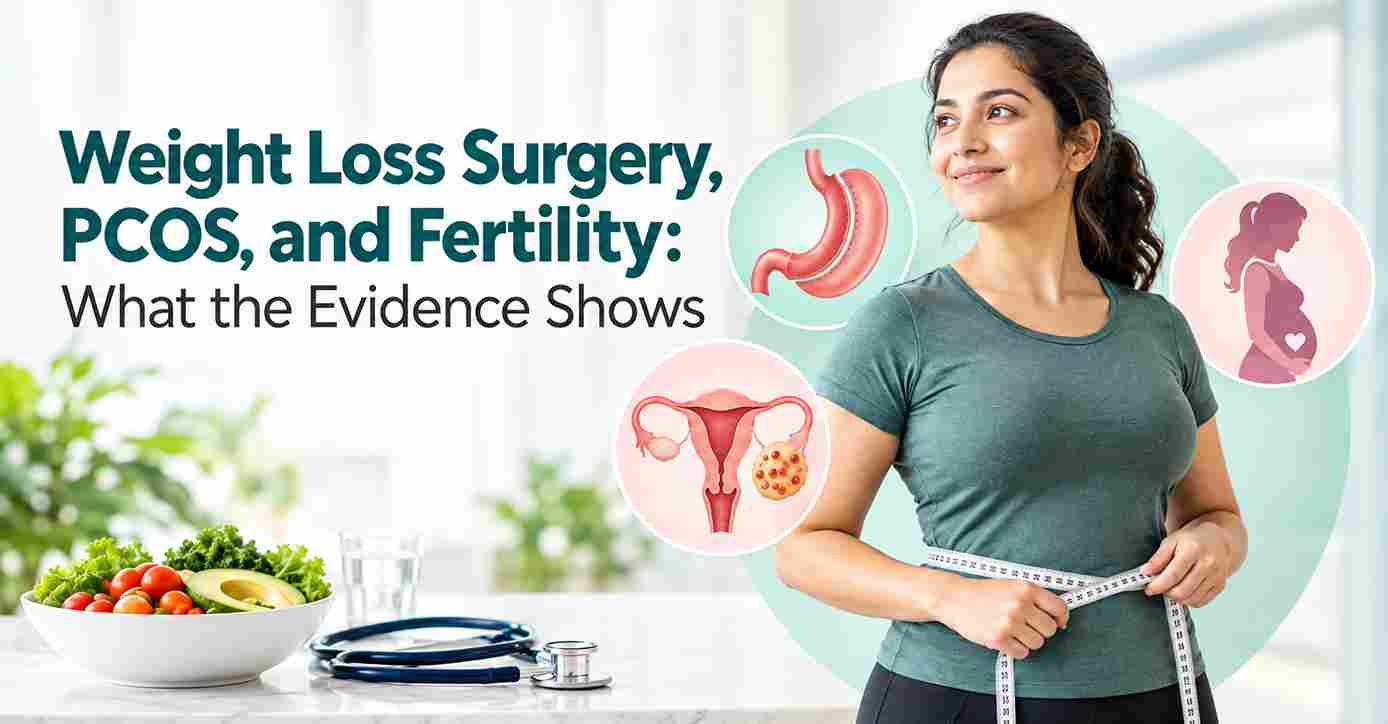
Bariatric surgery for PCOS fertility, as in weight loss surgery, can help you rebalance your hormones, get ovulation back, and increase your fertility. When you live with PCOS and a high body weight, you’re likely to deal with insulin resistance, irregular cycles, and diminished fertility.
Bariatric surgeries can cause consistent weight loss and decreased androgens that might facilitate a safer pregnancy and conception. Next, observe how advantages and dangers weigh for you.
Key Takeaways About Bariatric Surgery For Pcos
- You experience the most robust fertility advantages when you treat PCOS and obesity simultaneously, as excess weight exacerbates insulin resistance, hormone imbalance, and sporadic ovulation. If lifestyle changes aren’t sufficient, bariatric surgery may be one option your care team goes over with you.
- Bariatric surgery gastric bypass and sleeve gastrectomy can result in significant weight loss, improved hormone regulation and ovulation and therefore enhance your likelihood of natural conception. You can experience benefits in terms of menstrual regularity, PCOS symptoms and overall metabolic health.
- Post-surgery hormonal and metabolic “reset” effects frequently help enhance insulin sensitivity, reduce androgens and normalize more predictable cycles. You’ll experience other advantages like more regular periods, less hirsutism and improved responses to whatever fertility treatments you still require.
- If you plan a pregnancy after bariatric surgery, you typically need to wait 12 to 18 months, utilize dependable birth control during rapid weight loss, and collaborate closely with your team regarding nutrition. This risks you and your baby falling victim to issues such as nutrient deficiencies, low birth weight, and preterm birth.
- Long-term success requires lifelong follow-up, vitamin and mineral supplementation, and healthy eating and activity habits. Bone, digestive, and metabolic marker monitoring fuels not only your overall health but your fertility as well in the long run.
- You don’t have to go through this on your own — a multidisciplinary team comprising a surgeon, endocrinologist, gynecologist, dietitian, and mental health professional can oversee every step. You can come prepared with a checklist of appointments, questions, and goals so your team can tailor treatment to your fertility plans.
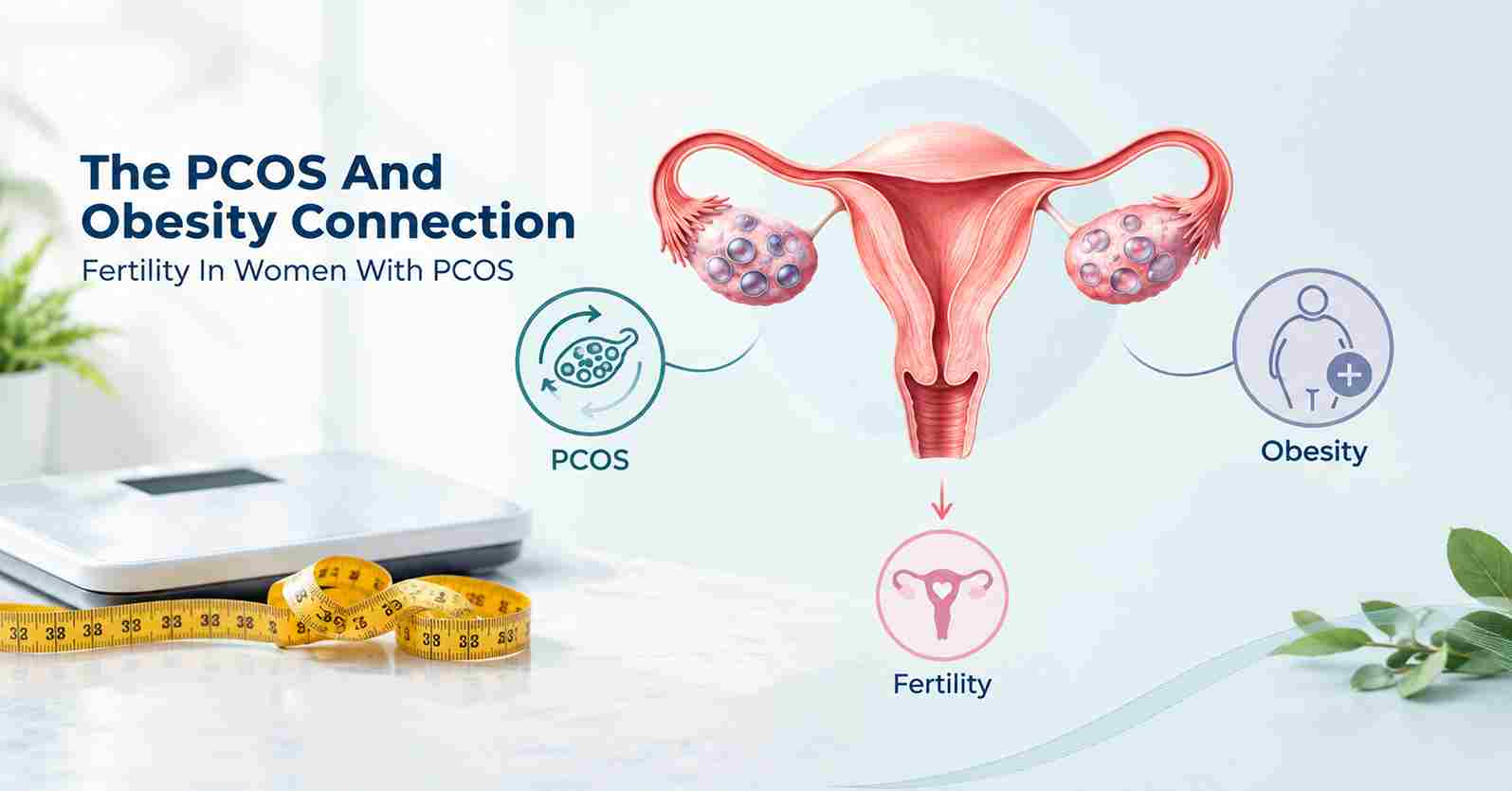
The PCOS And Obesity Connection ,Fertility In Women With Pcos
You deal with two linked issues when you have PCOS and obesity at the same time: hormones out of balance and extra body fat that keeps that imbalance going. PCOS is a hormonal disorder in which your ovaries don’t ovulate regularly, your body produces increased levels of androgens (aka “male” hormones), and you experience irregular periods.
PCOS is closely linked with insulin resistance, a condition where your cells don’t respond properly to insulin, so your body makes extra insulin. That excess insulin encourages your ovaries to produce more androgens, which then disrupts ovulation and cycles.
You spot the weight link in the figures. Obesity among the general female population is closer to 35%. Studies indicate that approximately 60–80% of people with PCOS are overweight or obese. Obesity is a risk factor and driver of worse symptoms.
Fat tissue isn’t inert; it acts like an endocrine organ. When you have additional fat, it alters your body’s response to insulin, estrogen, and inflammation. That shift tends to make your periods more unpredictable, your acne or facial hair worse, and your energy depleted.
For many with PCOS, even a modest weight-loss target, often 5 to 10 percent of body weight, can improve insulin sensitivity, lower excess androgens and move hormones closer to a healthier range. Your cycles can become more regular and ovulation can return, which is crucial for fertility.
The reality is that PCOS itself makes weight loss more difficult, so lifestyle changes by themselves aren’t always sufficient. Common health problems in obese patients with PCOS include:
- Irregular or absent periods
- Anovulation and infertility
- Insulin resistance and type 2 diabetes
- High blood pressure and high cholesterol
- Obstructive sleep apnea
- Fatty liver disease
- Depression and anxiety
When you mix obesity and PCOS, your chance of anovulation and infertility goes up even more. High insulin androgens disrupt signals between your brain and ovaries. You ovulate infrequently or not at all, hence the reason you can go months without a period or have extremely long cycles.
Even when ovulation occurs, egg quality can be compromised from chronic inflammation and metabolic health. For some, it simply means it’s a longer road to conception, and for others, that natural conception doesn’t occur without intervention.
As such, weight loss is virtually always included in first-line treatment if you are overweight or obese with PCOS. It’s not a cure, and everyone’s results will vary, but it can tip the balance in your favor.
Bariatric surgery comes into play when your BMI is in the obese range and other approaches haven’t panned out. After surgery, everyone loses a significant amount of weight, becomes insulin sensitive, and androgens drop.
Studies report improved menstrual regularity, more predictable ovulation, and increased likelihood of pregnancy in PCOS patients after bariatric surgery. Even then, no approach can guarantee total symptom resolution, so you need to have realistic expectations and tight follow-up with your care team.
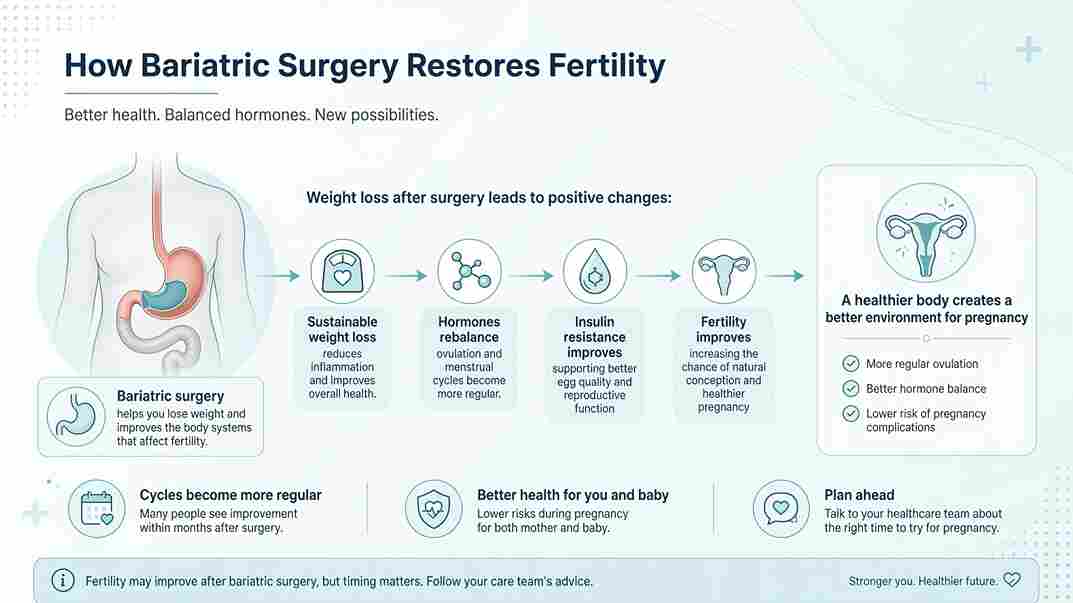
How Bariatric Surgery Restores Fertility
Bariatric surgery, including sleeve gastrectomy and gastric bypass, results in significant and consistent weight loss, improved glycemic control, and reduced inflammation. For most of you with PCOS and obesity, this combination can reignite ovulation, revive regular periods, and increase your pregnancy potential with and without fertility therapy.
1. Hormonal Reset
Post surgery, your gut hormones change rapidly. Ghrelin levels drop, insulin falls, and other gut signals alter the way your brain and ovaries communicate with each other. This change allows your hormone cycles to operate on more of a fixed cycle rather than fluctuating.
With lower insulin, your ovaries produce less androgen and testosterone, which helps tame hyperandrogenism. Many experienced improved acne, reduced facial and body hair growth, and diminished evidence of “male-pattern” hair going forward.
This “reset” facilitates ovulation that is more consistent and more responsive to fertility medications if you still require assistance. Research indicates that more than 70 percent of women with PCOS experience normal menstruation following surgery, and close to 60 percent become pregnant within approximately two years.
2. Insulin Sensitivity
PCOS is closely linked to insulin resistance. With weight loss surgery, your cells begin to respond to insulin again, so your body doesn’t have to pump out as much to keep glucose in range. This reduces the chronic risk of type 2 diabetes and promotes better ovulation.
As fasting glucose and HbA1c improve, cycles frequently shift from being super long or missing to more regular. Most of you come off metformin or other diabetes drugs with your doctor’s permission, which makes your daily care easier and reduces drug side effects.
3. Ovulation Return
Within months of bariatric surgery, many women with PCOS transition from rare or absent ovulation to obvious ovulatory cycles, demonstrated by mid-cycle pain, cervical mucus changes, or laboratory tracking.
With ovulation restored, your likelihood of natural conception increases and you may no longer require intense doses of fertility medications or multiple stimulation cycles. Regular ovulation also indicates that your hormone and ovarian function are normalizing post weight loss.
For those with longstanding infertility, resuming ovulation is frequently the primary clinical objective when you and your care team elect to have surgery.
4. Menstrual Regularity
Bariatric surgery frequently changes cycles from months apart to more regular. As many as 70 percent of those who had irregular periods pre-surgery experience normal cycles following rapid weight loss.
You might notice alterations in your bleeding frequency, duration of your cycle, and flow intensity. More regular periods are an excellent indicator that your ovaries are releasing eggs more frequently and that your hormone signals have calmed.
When your cycles are regular, it’s simpler to time intercourse or fertility treatment and easier to keep tabs on your reproductive health.
5. Surgical Differences
Not all bariatric procedures are the same, and that’s important for PCOS. Sleeve gastrectomy excises a large portion of the stomach, which disrupts ghrelin and typically provides robust weight loss with a reduced risk of certain nutrient deficiencies.
Gastric bypass bypasses food beyond a portion of the stomach and small intestine, which tends to deliver more powerful metabolic benefits for insulin resistance and increases the risk of vitamin and mineral deficiency.
Biliopancreatic diversion results in the most weight reduction and robust metabolic changes. It has higher complication and deficiency dangers, resulting in less frequent utilization. Adjustable gastric banding typically delivers less weight loss and less potent metabolic change. It is now preferred less for PCOS-related infertility.
| Procedure | Typical weight loss | Metabolic effect for PCOS | Key risks / issues | Usual wait to try pregnancy |
| Sleeve gastrectomy | High | Strong | Moderate vitamin gaps, reflux | 12–18 months |
| Gastric bypass | Very high | Very strong | Higher risk of iron, B12, Ca, Vit D lack | 12–18 months |
| Biliopancreatic diversion | Maximal | Very strong | Major nutrient lack, more surgical risks | Often >18 months |
| Adjustable band | Moderate | Modest | Band slip/erosion, less hormonal impact | 12–18 months |
For any of them, you’ll require close nutrition monitoring, as folate, iron, vitamin B12, calcium, and vitamin D are crucial for fetal development. They will probably have more frequent scans in pregnancy to look out for small-for-dates babies.
Surgery can restore fertility, but it’s no magic bullet. You still need a heart-to-heart with your team about risk versus reward and timing.
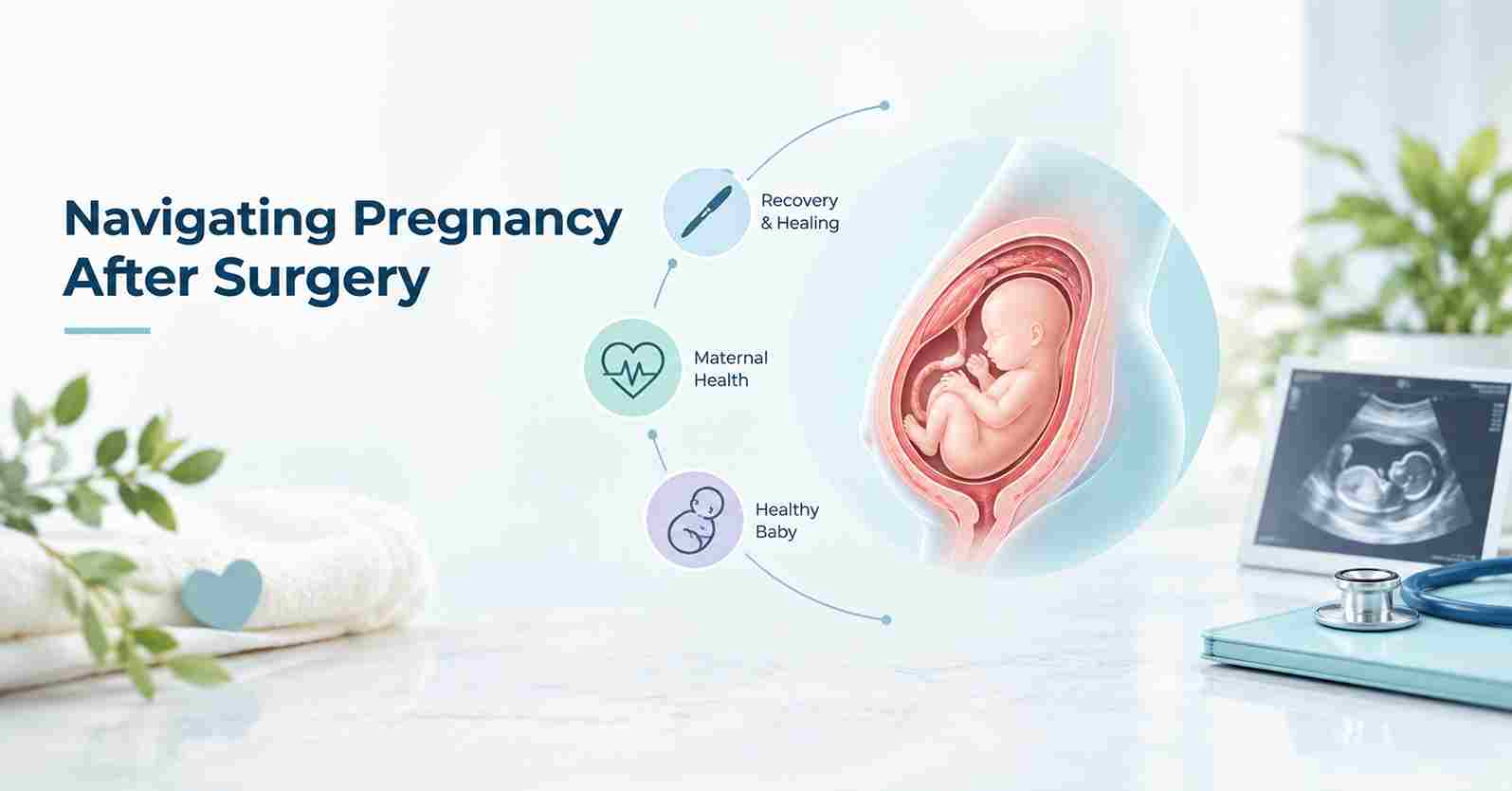
Navigating Pregnancy After Surgery
Pregnancy after bariatric surgery is feasible and frequently safer than pregnancy while overweight. It requires greater planning, closer monitoring, and cautious nutrition from the outset.
Conception Timing
You are typically told to wait 12 to 18 months post-surgery before attempting pregnancy. During this time, your body is experiencing quick weight loss, your hormones are still adjusting, and your nutrient levels can decline, even with a good diet.
Pregnancy too soon can increase the risk of fetal malnutrition, SGA babies, and preterm birth. You might not have sufficient iron, folate, vitamin B12, calcium, or vitamin D to sustain you and a developing fetus simultaneously.
Your team will likely tweak timing to your specific procedure and health. After gastric bypass or sleeve, many specialists desire a stable weight for at least 6 to 12 months. With malabsorptive procedures, they can be closer to 18 months and only once blood work is stable.
Try to get back to your target weight goal, have regular cycles, and demonstrate good nutrient levels before you begin trying.
Birth Control
Since fertility tends to bounce back soon after weight loss, good birth control during that first year is crucial. IUDs and implants tend to be popular because they do not depend on gut absorption.
Oral contraceptives are not as dependable after malabsorptive surgery like gastric bypass because the intestine absorbs fewer hormones. That’s why most teams want non-oral routes.
You can talk about shots, patches, rings, or sponges. The point is to avoid an unexpected pregnancy in the quick weight loss period and allow you time to get healthy and stable first.
Nutritional Needs
After bariatric surgery, you typically require lifelong vitamin and mineral supplementation. In pregnancy, this becomes even more critical because your needs increase while your intake remains confined.
Some of the key nutrients at risk are iron, folate, vitamin B12, calcium, and vitamin D, along with fat-soluble vitamins A, E, and K. Low levels can increase the risk of anemia, birth defects, poor bone health, low birth weight, and intrauterine growth restriction.
A bariatric-savvy dietitian should assist you with meal planning, fine-tuning your supplements dosages, and setting protein goals, often at a minimum of 60 to 80 grams per day. Your team might recommend a custom plan including additional iron, folic acid, calcium, vitamin B12, and occasionally higher-protein shakes that satisfy your pouch volume.
Regular blood work leading up to and during pregnancy monitors these levels, allowing your care team to adjust doses early rather than wait for symptoms. You’ll require more ultrasounds to monitor growth and to look out for small babies.
Ideally, your prenatal care should be directed by an obstetric team experienced with bariatric patients, often in consultation with a bariatric surgeon and nutritional specialist. You should construct a birth plan that mentions your surgery type, any pouch concerns, and anesthesia requirements.
Potential Risks And Long-Term Safety
You consider bariatric surgery not just for fertility and PCOS relief, but for your long-term safety. You require a transparent perspective on risks, side effects, and what “safe” actually means over years, not weeks.
Possible issues can arise at various stages post-surgery. Here’s a breakdown of potential complications:
| Possible issue | When it may show up | What it can mean for you |
| Bleeding, infection | First days–weeks | Fever, pain, slow healing, need for antibiotics or more surgery |
| Anastomotic leak | First week | Sudden pain, fast heart rate, sepsis; needs urgent care |
| Blood clots (DVT/PE) | First month | Leg pain/swelling, chest pain, short breath; can be life-threatening |
| Stricture or obstruction | Weeks–months | Nausea, vomiting, trouble eating, may need endoscopy or surgery |
| Ulcers | Months–years | Stomach pain, bleeding, anemia |
| Gallstones | Months–years | Right upper belly pain, may need gallbladder surgery |
| Nutrient deficiencies | Months–years | Fatigue, hair loss, nerve issues, bone loss, anemia |
Early issues, predominantly during the first month, can be intense and even deadly, so you require a center that responds quickly. Anastomotic leaks frequently present in the first week and require emergency surgery or interventions.
Death following bariatric surgery is rare, roughly 0.1 to 0.3 percent, but your risk is connected to the expertise of the group and the quality of the hospital. Late problems frequently arise months or even years later and are more prevalent in malabsorptive procedures such as gastric bypass.
You require life-long monitoring of bone health, gastrointestinal symptoms, and lab work for vitamins, minerals, glucose, and lipids. This is crucial if your BMI begins above 50 kg/m², where surgery is trickier.
Others display a modest increase in suicide risk, so comprehensive mental health screening prior to surgery and consistent follow-up isn’t optional. Most experiences improved hormones and improved mood after weight loss.
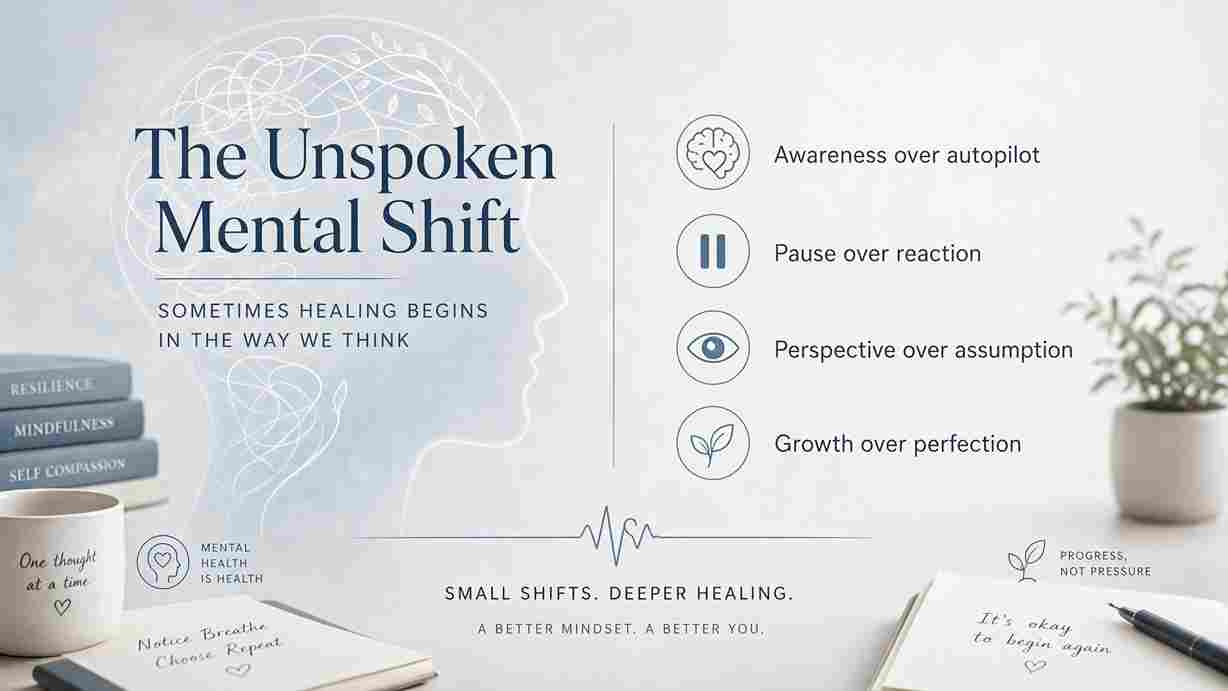
The Unspoken Mental Shift
The unspoken mental shift is the subtle transformation in your mindset and your emotional relationship with your body, food, and future following bariatric surgery. It is as significant as the decrease in your weight, yet it tends to receive less fanfare than hormone charts or ovulation sticks.
You can drop 20 to 40 kg in little time and yet still feel like ‘you’ on the inside. Your mind gets behind your body. Mirrors can show you one thing, your mind can show you another. This gap can feel weird and even scary. You might be proud of a tiny body and yet walk around like you occupy more space than you do presently.
Food becomes a battleground. Prior to surgery, you might’ve used it to deal with stress, PCOS symptoms, or infertility blues. Post-surgery, you’re a slave to restrictions, small portions, and an anxiety of “wrecking” your work. That can translate into guilt when you eat, shame when you slip, or anxiety every time you get on a scale.
Some people describe it as grieving their old life: social events built around food, old comfort routines, and even an identity as “the big one” in the group.
Along with it, you might sense new power. Your periods become more predictable, your tests come back better, and your physician starts discussing actual possibilities of conception. That can feel like freedom, but it adds pressure: “I did all this; now I must get pregnant soon.
This cocktail of hope and dread is every day when PCOS and fertility are your companions. Support groups, one-to-one counseling, and psychiatry or psychology care give you a place to say things you might not want to say to family, like fear of weight regain, worry about sex or intimacy in a new body, or anger that change took surgery to start.
Talking this through helps you build new habits that last, which is key for long-term weight loss and stable hormones. When your head and body move in the same direction, you tend to sleep better, manage stress better, and keep up with follow-ups, supplements, and movement, all of which support ovulation and a safer pregnancy later.

Your Multidisciplinary Care Team
You deal with more than one problem at once: obesity, PCOS, and questions about your fertility. You require more than one specialist. A multidisciplinary care team unites diverse expertise and examines your complete portrait, not one test score or one symptom in isolation.
Your bariatric surgeon schedules and executes the surgery, evaluates the risk versus benefit, and verifies timing against your fertility planning. This individual monitors how your body weight, blood pressure, and surgery recovery coincide with your cycle fluctuations and pregnancy intentions.
Clinical guidelines say your care should flow through a team, not the surgeon alone, to minimize the risk of poor outcomes.
Your endocrinologist addresses hormones, insulin resistance and metabolic health. In obese individuals with PCOS, such care can assist in enhancing ovulation, reducing elevated androgen levels and increasing insulin sensitivity.
Your endocrinologist might adjust the dose of metformin or other medications before and after surgery, coordinating with your surgeon to schedule dose changes as your weight and blood work fluctuate.
Your gynecologist maintains the focus on your ovaries, uterus, and cycles. This person monitors ovulation, plans safe birth control post-surgery, and assists in timing when to begin attempting conception.
If you require fertility drugs down the road, your gynecologist or fertility specialist will continue to build on the data your team has already collected.
Your dietitian leads you through rigorous diet phases pre- and post-op, so your weight loss is healthy and gradual. This assists with weight stability, adequate protein, essential vitamins, and a long-term plan you can live with.
A mental health expert assists you in handling body image shifts, food regulations, stress, and relationship strain. This support counts because your long-term success isn’t just about the size.
Conclusion
You’ve got a lot to deal with PCOS. Weight, rough cycles, mood swings, and fear about your future family. Nothing about that feels insignificant.
Bariatric surgery doesn’t repair every piece of PCOS. It can still tip the scales in your favor. Most experience more regular periods, improved hormone levels, and increased pregnancy rates. Others experience diminished pain, increased energy, and greater control in everyday life.
You still make trade offs. You monitor food. You schedule labs. You schedule every future pregnancy. You don’t walk that road alone.
For next steps, discuss it with your doctor, a bariatric team, and a fertility expert. The question is tough. Define your objectives. Let your plan suit your life, not vice versa.
Frequently Asked Questions
How can bariatric surgery improve my PCOS symptoms and fertility?
Weight-loss surgery generally reduces insulin resistance and androgens. This can jump start ovulation on schedule again, decrease hirsutism, and clear acne. Most PCOS patients experience improved cycle regularity and an increased likelihood of natural conception 6 to 18 months post-surgery.
When is it safe to try to get pregnant after bariatric surgery?
Most experts advise waiting 12 to 18 months. This allows your weight, hormones, and nutrition to stabilize. Waiting assists in reducing the chance of complications for you and your baby and gives your care team time to address any vitamin or mineral deficiencies initially.
Are there specific bariatric procedures better for PCOS and fertility?
Bariatric surgery, which causes dramatic and sustained weight loss, like gastric bypass or sleeve, tends to have the best PCOS and fertility outcomes. What is “best” depends on your health, BMI, age, and pregnancy plans. Your bariatric surgeon should personalize this decision.
What are the pregnancy risks after bariatric surgery?
You might even be at less of a risk of gestational diabetes and high blood pressure, in comparison to maintaining the higher weight. There’s an increased risk of nutrient deficiencies, small-for-gestational-age babies, and complications from surgery. Close supervision with a high risk OB is necessary.
Will I need special vitamins or nutrition before and during pregnancy?
Yes. After bariatric surgery, you require lifelong vitamin and mineral supplementation. Pre-pregnancy, your team will typically check iron, vitamin B12, folate, vitamin D, calcium, and more through pregnancy. Doses often increase and you might require more frequent blood testing.
How does bariatric surgery affect my mental health and body image?
When you experience rapid weight loss and hormonal shifts, they can send your emotions on a rollercoaster. You might be more confident but still battle with your body image, loose skin, or anxiety about weight regain. Continued therapy and support groups will help you develop a healthier relationship with food and your body.
Who should be part of my care team if I want pregnancy after bariatric surgery?
You need to collaborate with a bariatric surgeon, endocrinologist, OB-GYN (preferably high-risk), a fertility specialist if required, a dietitian, and a mental health expert. This team approach guides you through managing PCOS, protecting your nutritional status, and planning a safe pregnancy and birth.