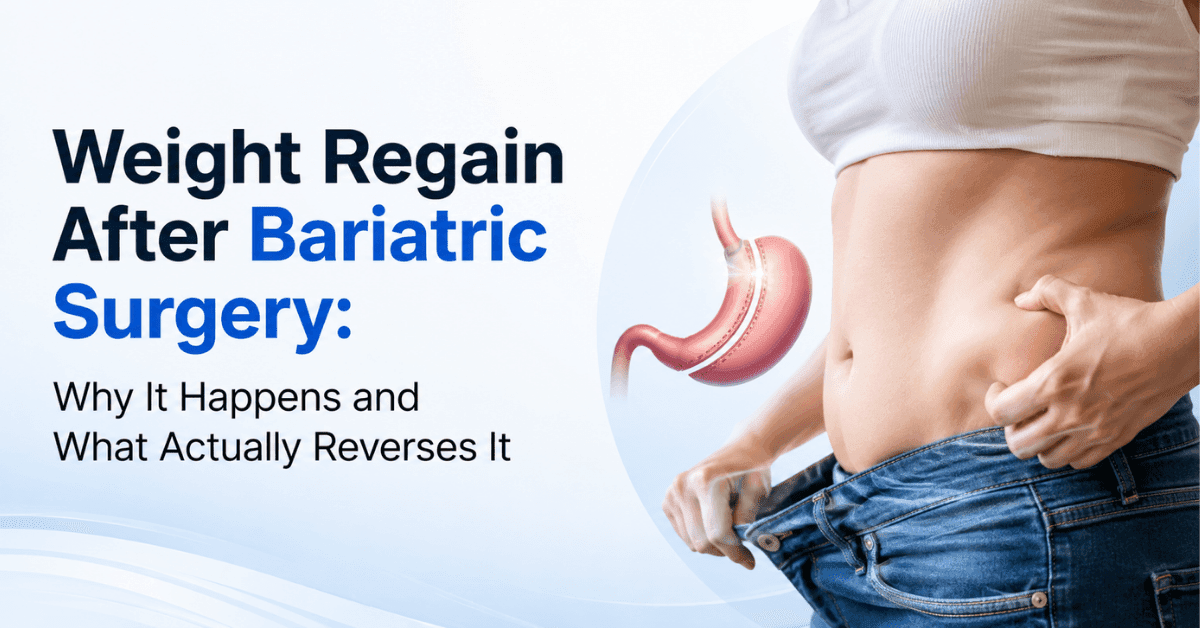
Weight regain post bariatric surgery means your weight comes back up months or years after surgery. Maybe old habits reemerge, hunger intensifies, or life stress makes staying on plan difficult.
Some regain is normal, but heavy regain can impact your health and mood. To detect early signs, understand the common causes, and review your realistic possibilities, the next sections discuss what works best.
Key Takeaways About Weight Regain After Bariatric Surgery
- You can regain weight post bariatric surgery due to biological shifts, behavioral drift, psychological factors, anatomical changes, and social pressure. It benefits you to conceptualize your journey as nuanced rather than a black-or-white success or failure. This thinking primes you to respond early rather than get discouraged.
- You could encounter metabolic adaptation, amplified hunger, and reduced calorie needs as time goes on. Frequent follow-ups with your care team and personalized nutrition tweaks are key. Monitoring your lab results and symptoms assists you and your providers in making adjustments to your plan.
- You can mitigate behavioral and emotional triggers for regain through food journaling, structured routines, and therapy or support groups. Mindful eating and stress management practices help you identify when emotions, not hunger, motivate you.
- You gain from tracking your gut health, microbiome balance, and nutrient absorption via symptoms and regular bloodwork. Backstopping your gut with recommended supplements, high fiber foods, and expert advice fortifies long-term weight maintenance.
- Follow your regain with weight graphs, apps, and timelines of milestones, plateaus, and regain periods. Tracking trends instead of single weigh-ins allows you to modify your exercise, eating habits, and support in a timely manner.
- You maintain lifelong results by blending mindful nutrition, movement, mental fortitude, and structured support, and by sourcing professional assistance at first signs of trouble. Taking notes on your weight data, symptoms, and habits ahead of appointments allows you to explore options like medications or revisional procedures when appropriate.
Why Weight Regain Happens
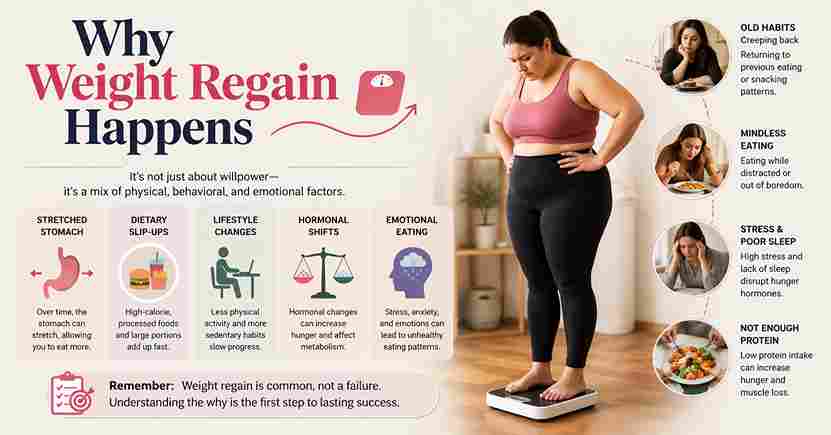
Weight regain post-bariatric surgery is common and complicated. It stems from a combination of biology, behavior, psychology, and environment. Both sleeve gastrectomy and gastric bypass can cause significant initial weight loss, but as much as 76% of patients gain some of that weight back within six years.
Because obesity is a chronic, relapsing disease, long-term follow-up and consistent lifestyle effort remain necessary.
1. Biological Shifts And Weight Loss
Once you have surgery, your body battles weight loss. Metabolic adaptation means you burn fewer calories at rest, so your calorie requirements fall and maintenance becomes more difficult, even if you eat “the same” as before.
Fat oxidation slows, so your body stores more energy as fat instead of burning it. Gut hormones move as well. Weight regain happens immediately post sleeve or bypass. Ghrelin and other hunger signals plunge, which gives you that feeling of fullness on small meals, with the hormones potentially drifting back toward pre-surgery levels over time.
You may see hunger increasing, diminished satiety, and heightened attraction to calorie-dense foods. If your team monitors labs and metabolic markers, they can fine-tune your protein, overall calories, and meal timing. Frequent checks help adjust your strategy rather than speculate.
2. Behavioral Drift
Because old habits creep back, a few bites at a time. Grazing throughout the day, late-night eating, and fast and convenient foods pack on many hidden calories. Those who continue to eat past fullness or forget to self-weigh ahead of and following surgery typically shed less weight and regain more.
A basic food journal or tracking app can reveal trends, such as stocking up on snacks, sugary beverages, or alcohol. That history provides you specific goals to modify. Structured routines help: planned small meals with lean protein, vegetables, and whole grains, at least 1.5 to 2 liters (about 64 fl oz) of water per day, and regular self‑weighing.
Shoot for about 300 to 400 minutes per week of combined cardio and strength training to maintain loss.
3. Psychological Factors
Emotional eating, stress and low mood can drive you back to mindless snacking or binge episodes despite a shrunk stomach. Food can still be comforting after tough days, strife or isolation and that can trump physical satiety signals.
Internalized weight bias and stigma from others or yourself can sap motivation. If you’re afraid of being judged when weight creeps up, you might skip follow-up visits or support groups, which creates a lag in getting help.
Working with a bariatric-savvy therapist—whether through cognitive behavioral therapy, acceptance-based work, or group programs—can provide skills to resist urges, label emotions, and identify alternative coping mechanisms. Mental health care is not an optional add-on. It is part of complete weight management.
4. Anatomical Changes
Over time, anatomical shifts can increase what you’re able to eat. One explanation for why weight regain occurs is that the gastric pouch or sleeve can stretch and the gastrojejunal stoma, the outlet from the pouch, can enlarge.
When the stoma widens, food empties faster, satiety declines, and you can eat larger volumes at a meal with less discomfort. In gastric bypass, a gastrogastric fistula or remnant stomach volume growth can reintroduce a more functional stomach and acid.
These changes typically manifest themselves as consistent weight regain and a feeling that you’re not as restricted as you were in the first year. Ongoing follow-up with your bariatric team and tests like endoscopy or imaging when required assist in nipping these issues in the bud.
Sometimes, when anatomy is a significant driver of regain, endoscopic stoma tightening or revisional surgery is the optimal repair.
5. Social Pressures
Your circle of friends influences your decisions more than you realize. Family eating habits, communal take-out, and portion size expectations can all drag you from your strategy. Holiday parties, cocktails, and decadent restaurant dishes make it easy to slip back into calorie overload.
Peer pressure to “eat like everyone else” or cultural expectations to clean your plate or using food as the primary way to bond can cause adherence to falter over time. Without support, NO-ing gets exhausting.
A bariatric support network—online communities, local groups, or trusted friends who know your goals—can provide accountability and tips for dealing with events or trips. Clear, calm boundaries help too: stating your dietary needs, bringing your own dish, or choosing smaller portions without long explanations.

The Unspoken Reality Of Gut Health
Gut health silently determines what happens to your weight post surgery. Your new anatomy alters the way your gut processes food, calories and hormones, so neglecting your digestive tract tends to leave a big part of the weight-regain mystery unsolved.
Microbiome Imbalance
Bariatric surgery modifies the size and shape of your stomach and, in certain instances, reconfigures your intestines. That shift alters pH, bile flow, and where digestion encounters bacteria, so the gut microbiome typically looks quite different post-surgery.
Because the gut helps control calorie harvest and metabolism, a disrupted microbiome can make it easier to regain weight, potentially explaining why studies estimate that as many as 76% of people regain weight within six years.
You may feel this imbalance in the form of bloating, gas, new food intolerances, constipation, loose stool or pale, greasy stool that floats. Low energy, frequent colds, and hair loss can point to poor nutrient absorption linked to your gut bacteria, not just ‘bad habits.’
You support diversity by eating many plants: vegetables, fruits, beans, lentils, oats, and other high-fiber foods, as tolerated. Fermented foods such as live culture yogurt, kefir, kimchi, or sauerkraut provide probiotics, while onions, garlic, bananas, and whole grains serve as prebiotics, feeding them.
Monitor your digestion from week to week, including stool pattern, bloating, pain, and post-meal sensations. Introduce this log to your squad so small gut flare ups do not balloon into massive weight gain.
Nutrient Absorption
Malabsorptive operations — gastric bypass, specifically — truncate where vitamins and minerals are absorbed. That increases your likelihood of deficiencies in iron, vitamin B12, vitamin D, calcium, folate, and fat-soluble vitamins, which can drag down your metabolism, exacerbate fatigue, and make workouts and meal planning much harder with age.
Even restrictive choices such as sleeve gastrectomy may result in insufficient weight loss or subsequent gain since you consume less quantity but assimilate fewer essential nutrients if your diet is unstructured.
You decrease that risk by adhering to medical nutrition therapy from your bariatric team. That frequently includes daily bariatric patient-specific multivitamins, along with additional iron, calcium with vitamin D or B12, as your labs dictate.
Regular blood tests, typically at 3, 6, and 12 months, then at least annually, can detect issues before you notice symptoms. Your specific strategy should align with your surgery type, your diet, and your labs history. A bypass patient and a sleeve patient shouldn’t receive the same default diet.
Gut–Brain Axis
Your gut is always talking to your brain via hormones and nerves that determine hunger, satiety, and cravings. Post surgery, hormones like GLP‑1 and PYY frequently spike, which can suppress appetite initially.
These markers can fluctuate over time and alterations in gut health may dilute that initial “surgery effect” on appetite. Because the gut is so key in calorie intake and metabolism, this switching gut–brain chatter can fuel weight gain when your body requires fewer calories but your intake oscillates upward again.
If your appetite feels more intense, strikes at night, or accompanies stress or boredom, that may be your gut–brain axis and emotions conniving, not a deficiency in willpower. Emotional eating or constant grazing, particularly caloric-rich snacks, can sabotage your initial success, which is typical when life stress spikes or sleep declines.
You can train this awareness more by taking a moment before you eat to rate your hunger on a simple 1 to 10 scale, then eating without distraction and as slowly as possible. Shoot for little, frequent meals based on protein, plants, and ample fluids, as both good hydration and sleep aid the gut.
Know how diet, lifestyle, and even genetics tailor your microbiome to take long-term measures. Consistent exercise, 7 to 9 hours of sleep, fiber-packed meals, and calorie trims when your metabolism slows help keep your gut and weight in a healthier place.

Charting Your Weight Journey
You handle this stage most effectively if you chart it in straightforward manners. Step on the scale at the same time, record the deviation from surgery day, your percentage weight loss, and regain over time. Most teams consider 15 to 25 percent of total body weight lost at one to two years a typical range and some regain, often 15 to 25 percent of what you lost, is normal.
It’s the trend that counts, not an isolated weigh-in. Chart your weight journey – use apps or spreadsheets to plot weight, percentage total weight loss and percentage excess weight loss so you see your curve over months and years. Weight regain after bariatric surgery is common.
Studies show as many as 76% of people regain some weight within roughly six years. An easy line graph will indicate whether your recovery is gradual and stable or accelerating, which may require an adjustment in habits or a check-in with your care team.
Log meals, movement, sleep, mood and craving notes in a tool or diary. That combination of numeric and word-based data helps you catch connections, such as your weight drifting upwards when sleep dips below 7 hours, water intake goes below approximately 1.9 liters (64 fl oz) a day, or late night and convenience foods creep back in.
Documenting wins and slips keeps you honest and provides you evidence that incremental movement, such as eating 3 to 5 small balanced meals, drinking plenty of water, and getting in 150 minutes of cardio and 2 to 3 days of strength work per week, still shifts the needle.
We like to chart stress levels or mood since fragile emotional health can fuel overeating, while a balanced mood encourages healthy eating and consistent workouts.
| Time after surgery | Typical pattern (average) |
| 0–6 months | Rapid loss, steep downward curve |
| 6–12 months | Slower loss, first small plateaus |
| 12–24 months | Nadir (lowest weight), then leveling off |
| 24–72+ months | Risk window for gradual or progressive gain |
Typical Timeline
You’ll probably experience rapid weight loss during the first 3 to 6 months while your consumption falls and your body burns stored energy. From 6 to 12 months, loss slows and short plateaus appear. Most individuals reach their nadir weight between 12 and 24 months.
The period from year 2 to year 6 is when slow regain tends to make its appearance, which can remain relatively modest or escalate if habits slip. It’s useful to sketch a personal timeline and indicate surgery date, every 3-month and 12-month landmark, lowest weight, first whispers of regain, and any major life or health events.
You can add notes like ‘started a new job,’ ‘stopped strength training,’ or ‘more night shifts’ so you can see how life and weight shifts line up.
Interpreting Graphs Of Weight Loss
When you review your graph, pay attention to the general slope, not daily bumps. Body weight can fluctuate one to two kilograms from fluid shifts alone. A weekly average line smooths these fluctuations.
If you can, plot three things: total weight (kg), percentage of total body weight lost, and percentage of excess weight lost. A flat or slightly rising curve over weeks indicates stability or regain, although the daily dots bounce up and down.
Indicate any plateaus, when the line is flat, new losses, when the line drops again, or regain, when the line starts to climb, on your chart. Glancing over this graph each month with your diary alongside it allows you an opportunity to course correct early by tweaking portions, cutting late-night snacks, or tightening fast-food use before small gains become your new normal.
Identifying Plateaus
A weight loss plateau is when your weight remains within 1 to 2 kg for 3 to 6 weeks even though you maintain your food and activity plan. Bariatric patients experience this frequently and it doesn’t indicate the surgery has “failed.
Most of the time, your body is just adjusting, your metabolism took a slight dive, or daily activity fell through the cracks. Other usual suspects are more liquid calories, grazing, bigger portions or less strength training, which can cost you muscle.
Emotional stress, bad sleep, and low water intake can nudge your body into weight-holding mode. You can test new steps to break a plateau: tighten your food logging for 1 to 2 weeks, eat protein first at each of your 3 to 5 small meals, increase non-starchy vegetables, and watch fast and convenience foods.
Ramp up cardio to 150 minutes per week and include 2 to 3 strength sessions to protect muscle. Getting 7 to 8 hours of sleep and at least 64 fluid ounces (about 1.9 liters) of water a day supports change.
Record every plateau in your journal along with your habits, your stress level, and your emotions. Over time, you might notice trends like plateaus right after holidays, shift changes, or when you cease scheduled gym visits.
That history helps you plan ahead, pose focused questions during clinic visits, and react early if the weight begins to creep back up.

Proactive Prevention Strategies
You reduce your risk of weight gain by approaching bariatric surgery as the beginning of a lifelong shift, not a one-time occurrence. You do best when you line up three pillars together: mindful nutrition, steady movement, and strong mental habits, backed by regular self-checks and early action if your weight starts to rise.
Sustainable lifestyle shifts to focus on:
- Eat three planned meals a day, no grazing
- Choose protein first, then vegetables, fruits, and whole grains
- Limit sugar, alcohol, and high‑calorie drinks
- Shoot for at least 150 minutes of moderate cardio each week.
- Do strength training 2–3 times per week
- Sleep 7–9 hours of quality sleep each night
- Weigh in at least weekly and note trends.
Early detection is key because a few weeks of small weight or waistline creep are easier to fix than a big gain over many months.

Mindful Nutrition To Maintain Weight
You’ll want the majority of your food from lean protein (fish, eggs, tofu, yogurt, beans), non-starchy vegetables, whole fruits, and whole grains like oats or brown rice. This combination provides the ideal ratio to maintain muscle, keep you satiated, and stabilize blood sugar.
Cut back on sugar, ultra-processed foods, and high-calorie snacks that sneak in extra energy without fullness, like chips, candy, pastries, and sweetened drinks. Even little bonuses each day accumulate.
Use simple tools to guard your portions: a small plate, pre-measured containers, or digital food scales. Food timers or phone reminders can keep you from grazing all day, which is one of the 7 core behaviors associated with weight regain control.
Meal planning saves you from those last minute decisions that derail you. A food journal or tracking app, on the other hand, adds accountability and can reveal patterns like late-night snacking or high-calorie drinks you cease to notice once they feel routine.
Consistent Movement For Weight Recurrence
Active post bariatric surgery is not optional if you want to maintain your loss. Even small declines in daily activity can allow your weight to creep back up again. Joint-friendly cardio alternatives like brisk walking, cycling, swimming, or dancing can be done most anywhere. You can walk in a park, at home, climb stairs, or use a simple skip rope.
Strength training 2-3 times per week helps you hold onto muscle mass, which keeps your metabolism from plummeting. You could employ resistance bands, body-weight moves such as squats and wall push-ups, or simple dumbbells. Short sets sprinkled throughout the week still count.
Establish weekly targets, for example, “walk 30 minutes, 5 days” or “two strength sessions,” and gradually increase time or intensity as your fitness improves. Gradually work your way up to at least 150 minutes of moderate aerobic exercise weekly or the amount recommended by your care team.
Mark your workouts in a journal, calendar, or app. Easy ticks such as checkboxes or step counts enable you to identify trends, detect slumps early, and associate your routines with changes on the scale or in your clothes.
Mental Fortitude
Weight regain risk is not just about what you eat or how you move. It’s about how you talk to yourself and how you cope with stress. You encounter weight stigma, old habits, and real-life pressure, so you need mental skills that support you in staying in the game even when the scale creeps up 5 to 10 percent of your lost weight, which is often a normal range over time.
Employ positive and realistic self-talk when I face setbacks, as in, “I slipped this week, I can repair my next meal,” not, “I blew it.” This shift prevents a tough week from turning into months of quitting. Address emotional eating directly: notice when you eat from stress, sadness, or boredom, and try a pause routine—drink water, step away for five minutes, or journal one page before you decide to eat.
Stress management tools — simple breathing drills, short mindfulness audio tracks, or just 5–10 minutes of quiet meditation — can tamp down impulsive urges that drive you toward comfort food. Many people benefit from setting realistic, behavior-based goals (“walk 20 minutes after dinner” or “no snacks after 21:00”) and then celebrating non-scale wins, such as better sleep, stronger legs, or climbing stairs with less breathlessness. These markers are what count when the scale plateaus.
If you discover that emotions, trauma history, or chronic stress fuel your eating, therapy or rigid behavioral programs provide an additional layer of assistance. Cognitive behavioral therapy, dialectical behavior therapy skills, or group-based programs can help you build new coping methods that extend well beyond the “honeymoon” phase post surgery.
Structured Support
You don’t have to handle weight regain risk on your own. Bariatric support groups, whether in‑person or online, link you with people dealing with the exact same food restrictions, social pressure, and evolving body as you. You get actionable advice, such as how to survive parties without grazing or how to discuss your surgery with people in your life.
You also learn that regain struggles are universal, not a character defect. Routine checkups with your bariatric team, including your surgeon, dietitian, and sometimes psychologist, keep you on course. They can track your weight trends, examine for anatomical concerns such as pouch shifts, modify your meal plan, or screen for mood issues impacting eating.
Early monitoring matters. Small shifts in weight, habits, or labs flag problems before they grow. Drag your wife, husband, or best friend with you into your new life. You could schedule joint evening walks, prepare protein-rich dishes together, or commit to storing less calorie-dense foods in the house.
A solid home base helps you stay on three meals a day, no grazing, and respect your 7 to 9 hour sleep window. If you’re stumped, inquire about comprehensive lifestyle programs offered by hospitals or clinics. These typically mix nutrition guidance, exercise scheduling, behavioral counseling and community support.
They enable you to reset habits when you see the initial signs of regain, rather than waiting until you’ve regained a ton.
When To Seek Professional Help
Professional help counts when weight regain begins to impact your health, your mood, or your daily life. The right action at the right time can prevent minor setbacks from becoming long-term issues.
Recognizing Signs
Be alert for rapid or unexplained weight gain, particularly if you regain 10% or more of what you lost. If you lost 40 kg and put back on 4 to 5 kg within a short span, that is clinically significant and warrants a medical visit.
Notice if your clothes are tighter, your waist is expanding, or the scale trend has been upward for consecutive weeks. Utilize a straightforward checklist that you examine once every week.
Include current weight and trend, hunger and fullness cues, snacking at night, number of sugary drinks, and episodes of stress or emotional eating. Include sleep hours, exercise, and meal skipping, as these behaviors tend to change prior to significant weight changes presenting.
Track possible deficiency signs: new or worse fatigue, hair loss, brittle nails, dizziness, pale skin, frequent infections, or new numbness in hands or feet. Digestive problems are important too, including reflux, vomiting, difficulty swallowing, or persistent changes in bowel habits.
Mind your mind. If you find yourself frequently frustrated, angry, ashamed, or depressed about regaining weight or losing motivation to adhere to your plan, that’s a sign to reach out.
If stress eating, emotional eating, or lack of support at home make it tough to stay on track, counseling or therapy can provide you with tools you won’t develop on your own. Prior to any appointment, jot down your weight trends, food logs from at least one to two weeks, symptoms, and questions you want to ask.
Medical Options For Gastric Bypass Surgery
Medical options for weight gain typically pair lifestyle assistance with medication. You might have anti-obesity drugs added when you have done your best with nutrition, exercise, and lifestyle changes but still can’t keep the weight at bay or old comorbidities popping back up, like type 2 diabetes, hypertension, or sleep apnea.
These medications aren’t a silver bullet, but they can assist you in losing additional weight or preserving weight loss by reducing appetite, enabling you to feel satiated with smaller portions, or optimizing blood sugar and metabolism so that your body less aggressively resists weight loss.
Doctors might think about medication if your BMI is greater than or equal to 30 kilograms per square meter, or greater than or equal to 27 kilograms per square meter with obesity-related conditions, and if your labs and medical history do not suggest strong contraindications to certain drugs.
Pharmacotherapy should sit inside a full plan that includes regular follow-ups, lab checks, nutrition guidance, and behavioral help. This facilitates early identification of side effects, dose adjustments, or drug changes.
| Medication (generic) | Main action / benefits | Typical use after bariatric surgery* |
| Orlistat | Lowers fat absorption in the gut | Patients who prefer non-systemic drug; watch GI side effects |
| Liraglutide (GLP‑1 RA) | Reduces appetite, slows stomach emptying | Weight regain with strong hunger or diabetes |
| Semaglutide (GLP‑1 RA) | Strong appetite control, high weight loss effect | Clinically significant regain or high cardiometabolic risk |
| Naltrexone/bupropion | Targets reward eating and cravings | Emotional or craving-driven eating, if no seizure risk |
| Phentermine/topiramate | Lowers appetite, may raise fullness | Patients needing stronger effect, with heart risk screened |
*Your physician will discuss safety, dose, and country approvals. Bring a typed list of all medicines and supplements you take, along with any previous side effects from weight loss medications, so your care team can select the safest agent.
Surgical Revisions
Revisional surgery or endoscopic procedures can be considered when weight regain remains significant despite aggressive medical management or if anatomic issues exist with your initial bariatric procedure. Typical concerns are an enlarged pouch or sleeve, a dilated outlet, or a bypass that no longer provides sufficient malabsorption.
Signs can be consistent weight gain, robust recurrence of diabetes or sleep apnea, and imaging or endoscopy demonstrating definitive changes in your anatomy. Popular revision routes are conversion to another procedure, for instance, sleeve to gastric bypass, pouch or sleeve resizing, narrowing a dilated gastrojejunal outlet with endoscopic suturing, or adding a malabsorptive component like distalization.
Endoscopic options are generally less invasive with shorter recovery, but they can result in smaller weight shifts compared to full revision surgery. You and your team have to balance the benefits and risks of additional surgery compared to medical and behavioral treatment alone.
Complications such as leaks, bleeding, strictures, and nutrient malabsorption may require lifelong supplements and close follow-up. Meanwhile, ignoring health problems when they come back can increase your long-term risks for your heart, kidneys, and joints.
Before a surgical consult, round up all your old operative notes, endoscopy and imaging reports, weight charts, and a mini history of your post-op course, including plateaus, complications, and major life events.
This journal assists the surgeon in determining if your weight gain is predominantly anatomical, behavioral, or both and planning a personalized approach.
Embracing A Lifelong Commitment
Bariatric surgery alters how your body processes food. It does not cure obesity. Obesity is a chronic condition, and surgery is one option in a lifelong strategy, not a quick cure. You still have to make daily decisions that suit your new body and your health objectives.
You adopt an eating lifestyle for life. This means eating little, slow, and mindful, even years later. You learn to quit when you’re full, to chew thoroughly, and to not ‘graze’ all day. For most folks, that translates into steering clear of sugar and starch-rich foods and beverages, like candy, juices, regular soda, and lots of baked goods, because they can induce weight gain and dumping symptoms.
Exercise goes from ‘when you have time’ to ‘part of who you are’. You go for regular movement most days of the week, such as brisk walking, cycling, or swimming. Additionally, 2 to 3 times per week you do some strength work to maintain your muscle. You don’t need a gym to begin. A 20-minute walk after meals or just climbing stairs at home still counts.
You’re nutrient conscious. With your new stomach/intestine configuration you absorb less, so daily vitamins and minerals are not up for debate. Your team might recommend a multivitamin, iron, B12, calcium and vitamin D. Periodic blood work tests see if these remain sufficient, and clinic visits help you tweak dosages, browse your food journal, and modify your exercise regimen.
Long-term success means establishing objectives beyond year one, then evaluating and revising them. You might want to maintain your weight in a range, improve lab numbers, or stay off certain medicines. You measure progress with your care team lifelong.
Conclusion
Weight regain after bariatric surgery feels heavy, but it doesn’t wipe away your efforts or your development. Your body adapted. Your behaviors shifted. Your life was transformed. You still did.
You now know your gut, your mind, your triggers and your tools. You know weight can fluctuate. That’s not failure. That’s a real body in real life.
You don’t have to fix everything in one day. You only require your next obvious step. Chat with your care team, track a habit, or get support. Choose one small step today that supports the life you desire and begin there.
Frequently Asked Questions
Is weight regain common after bariatric surgery?
Yes. A large percentage of patients gain back some weight 2 to 5 years post-surgery. This does not imply that you’re a failure. It typically signifies habit, hormone, and gut changes. With early intervention and support, you can slow, stop, or even reverse much of the gain.
How much weight gain is considered a red flag?
If you regain over 10 to 15 percent of the weight you lost, or your clothes fit significantly differently, consider it a red flag. Now is the time to get on the phone with your bariatric team and reassess your nutrition, activity, and medications.
Can gut health affect my weight after bariatric surgery?
Yes. Your gut bugs, digestion, and inflammation impact hunger, cravings, and fat storage. Poor gut health can make recovery easier. A high fiber diet, fermented foods, and adequate protein intake can promote a healthier gut.
What can I do right now to prevent further weight gain?
Journal everything you consume for 1 to 2 weeks. Re-focus on protein, vegetables, and fluids. Cut back on liquid calories and grazing. Reintroduce some daily activity, even a walk here and there. Then share your logs with your bariatric team to tailor your plan.
When should you seek professional help for weight regain?
Contact us if regain persists for 3 to 6 months, you sense you’re out of control with food, or previous health issues re-emerge. A bariatric surgeon, dietitian, and sometimes a therapist can figure out medical, emotional, or surgical reasons and customize treatment.
Are weight-loss medications safe after bariatric surgery?
In most cases, yes. Newer medications such as GLP‑1 agonists can amplify your surgical outcome in the hands of a doctor. Your bariatric doctor will first consider your surgery type, history, and labs before prescribing anything.
Is bariatric surgery a lifelong commitment?
Yes. Your surgery is a tool, not a cure. You require long-term follow-up, blood tests, vitamins, and habits. When you approach it as a lifelong collaboration with your care team, you safeguard your outcomes.