Foods to avoid after gastric sleeve are ones that delay healing, stress your new stomach, or increase the potential for discomfort and complications.
You have a much smaller stomach now, so heavy, greasy, sticky and hard‑to‑chew foods impact you sooner and stronger. You respond more to sugar, gas‑producing foods and alcohol.
In the following sections, you get straightforward lists and plain explanations, so you’re able to plan meals with increased clarity.
Key Takeaways About Avoiding Certain Foods
- Stay away from tough meats, fibrous fruits and vegetables, carbonated beverages, sweets and refined starches as they can lead to blockage, discomfort and delayed healing in your new smaller stomach. Opt for soft, moist proteins and cooked or pureed vegetables instead.
- You’ll progress through clear liquid, puree, and soft food stages before regular textures, and each stage has rigid guidelines to safeguard your stomach. Listen to your surgical team’s timeline and progress only when they tell you it’s safe.
- Be sure to read labels and restrict sneaky sugars, junk fats, and artificial sweeteners in packaged foods. Focus on clean, whole foods with minimal ingredient lists to encourage weight loss and recuperation.
- You can minimize risks such as vomiting, pain, and stretching of your stomach pouch by discontinuing any offending food immediately. When in doubt, reach out to your healthcare team prior to re-attempting a problematic food.
- You should bring new foods back slowly and be mindful of early fullness signals, like pressure, tightness, or mild nausea. Eat slowly, take small bites, and stop as soon as you feel satisfied, not stuffed.
- You have to guard against long-term nutrient deficiencies with an emphasis on protein, prescribed supplements, and regular checkups. Schedule balanced meals and regular lab tests to detect and address any problems early.
Foods To Avoid After Gastric Sleeve
Since your new stomach is much smaller and more sensitive, certain foods after gastric sleeve surgery have the potential to cause pain, nausea, and even blockage. You have to shield healing tissue and fuel slow weight loss, not fast sugar spins.
Common problem foods include:
- Dry, tough meats (steak, pork chops, overcooked chicken)
- Raw, stringy vegetables (celery, corn, cabbage, salads)
- Carbonated and fizzy drinks (soda, sparkling water, beer)
- High-sugar items (cakes, candy, sweet drinks, many “smoothies”)
- Refined starches (white bread, rice, pasta, pastries)
High-fat, high-fiber, and very sugary foods are difficult for your smaller stomach to process and can cause vomiting, dumping, or cramps.
1. Tough Meats
Tough meats require excessive chewing and stomach processing, which your reduced pouch can’t handle as efficiently initially. Steak, lamb chops, dry pork, and stringy chicken can sit heavy in your stomach, cause pressure, or come back up as vomiting or foam.
Choose tender, moist proteins instead, such as flaky fish, lean ground meat in sauce, or braised chicken. Prepare the meat to be super tender and cut into very small bites. Chew very slowly.
Try to get to your daily protein goal first, as protein aids healing and weight loss more than carbohydrates or fat.
2. Fibrous Produce
Raw, fibrous vegetables such as celery, sweetcorn, cabbage, and salad mixes can bunch up and slosh slowly within your new stomach. The long strings and skins can cause cramps, bloating, or even blockage if ingested too soon or in large quantities.
Begin with well-cooked, peeled or pureed vegetables — think mashed carrots, soft pumpkin, or pureed spinach. Introduce one new veggie at a time and observe how your body responds.
Later, you can experiment with small portions of softer raw fruits and vegetables, but adhere to your surgical team’s progression of diet stages.
3. Carbonated Drinks
Carbonated drinks, even “zero sugar” or fizzy water, introduce gas into your pouch. That gas has very little place to escape, so it can cause sharp pressure, chest pain, or painful bloating. In large quantities, fizzy drinks can stretch the pouch and sabotage your surgery over time.
Trade soda, beer, and sparkling water for still water, tea, or sugar-free flavoring. Aim for around 1.5 to 2 liters per day, but sip at a slow pace.
Drink approximately 20 minutes before and wait 20 minutes after meals, so you don’t wash food through your pouch too quickly. Stay away from calorie-laden beverages such as milkshakes, juice, sweet smoothies, and energy drinks. They contribute sugar and calories without making you feel full.
4. Sugary Items
Highly sweet foods and drinks pass rapidly from your stomach into the small bowel. This can trigger dumping syndrome with sweating, cramps, loose stool, and a sharp blood sugar drop afterward. Cakes, candy, regular soda, fruit juice, sweetened yogurt, and a lot of bottled coffee drinks are the usual suspects.
Opt for low-sugar, high-protein options instead, such as plain yogurt with some fruit, cottage cheese, or a protein shake your team signs off on. Read labels and watch for words such as sucrose, fructose, corn syrup, or honey, because sugar likes to hide in sauces and ‘healthy’ snacks.
Low sugar keeps your weight loss and your energy more stable.
5. Refined Starches
White bread, soft rolls, rice, pasta, and pastries can absorb fluid in your pouch and become a sticky mass. This can create pressure, nausea, or a feeling of food being “stuck.” These foods digest quickly and provide minimal fiber or micronutrients, so they don’t support long-term weight objectives.
If your squad permits carbs, keep servings petite and pick things that sit easier, like mashed root veggies or a handful of nicely cooked whole grains. Stay focused on protein first at every meal, then small amounts of vegetables, and only some starch if there’s room.
Carb restriction, particularly before surgery and in the initial post-operative months, can support weight loss and reduce the chance of blood sugar fluctuations. Don’t nibble on crackers or chips all day long. Consume small, scheduled meals and snacks so your pouch can empty and relax.
Alcohol strikes quicker post-surgery, contributes empty calories, and frequently results in bad food decisions.
Dietary Stages And Restrictions , Post-Surgery Diet
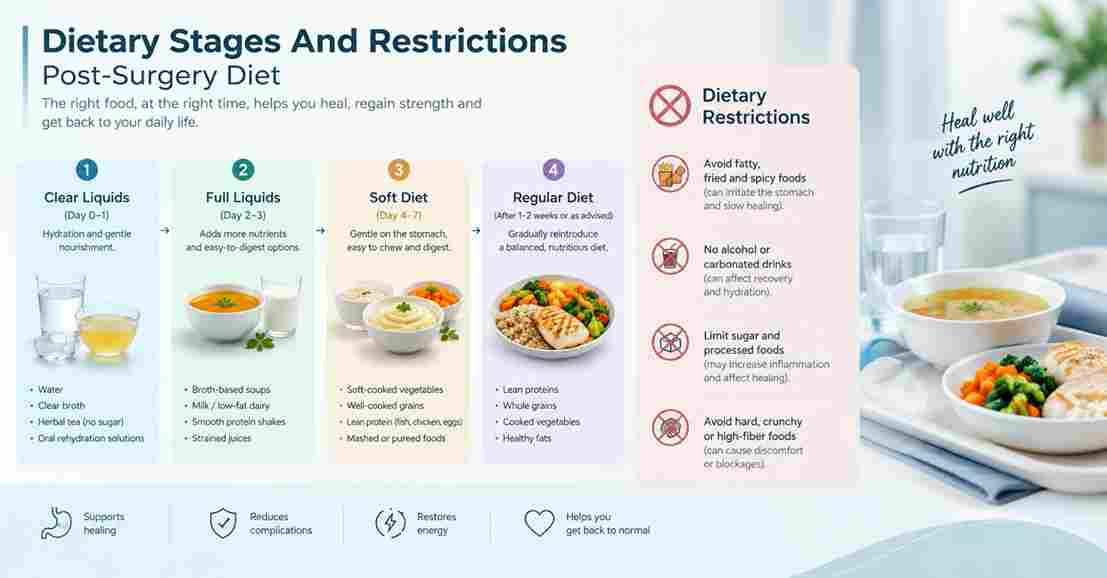
Post gastric sleeve surgery, you adhere to a staged diet so your reduced stomach can heal, adapt to new textures, and support your weight loss in a safe way. Every phase boasts clean eating guidelines and exactly how much and how fast you should progress throughout.
You typically schedule an all-liquid diet 2 to 3 days pre-surgery, then liquid for weeks post-op, soft foods for about 2 weeks, and only then transition towards normal textures. In each stage, you reduce calories, typically 800 to 1,200 kcal per day, restrict carbohydrates and added sugar, avoid large or hard pieces of food, and have very small portions.
You target at least 64 oz (about 1.9 L) of fluid a day, 60 g or more of protein, and eat protein first at every meal to help preserve lean muscle. You abstain from drinking for 30 minutes prior to and 1 hour after eating so that the stomach is not overloaded and the food does not wash through too quickly.
Clear Liquid Stage
Immediately post-surgery, you’re strictly on clear liquids, like water, diluted broth, sugar-free gelatin, noncarbonated electrolyte drinks, and herbal tea. This stage often bleeds into a full-liquid stage, where you can incorporate protein shakes or thin milk substitutes that keep you from vomiting, being dehydrated, and food getting stuck in your healing gut.
You steer clear of all solid food, dairy if it bloats you, creamy soups with chunks, pulpy juices and sodas since they can strain the staple line and trigger discomfort or reflux. You sip slowly, like a few small sips over a few minutes, no straws because they cause you to swallow air.
You monitor consumption so you remain near that 64 oz liquid target without gulping large amounts at a time.
Puree Stage
After your team approves, you graduate to purees like pureed vegetable soups and pureed lean meats with broth, smooth low-sugar yogurt, mashed beans, and pureed fruit without skins or seeds. You steer clear of chunks, peels, fibrous stalks, seeds, spicy sauces and high-sugar foods such as sweetened yogurt or pureed desserts, as they can upset your stomach and raise blood sugar.
You puree to full smooth, like baby food, with no lumps, and eat in very small increments, 2 to 4 tablespoons at a time, taking slow bites and pauses. You incorporate one new pureed food at a time so you can detect if it induces nausea, cramping, or reflux, then retain or eliminate it according to your body’s response.
Soft Food Stage
In the soft food phase, you begin foods that mash easily with a fork, such as scrambled eggs, cottage cheese, soft cooked fish, minced soft chicken, thoroughly cooked vegetables, and canned fruit in water. For roughly two weeks, you develop chewing skills and pacing as your sleeve continues to heal.
You still eschew crispy foods (chips, toast), tough meat, raw crunchy vegetables, skins, nuts and seeds, and sticky foods like white bread or gummy candy, as they can scrape or block the new stomach and cause pain.
You keep your meals small and frequent, usually 4 to 6 mini-meals, eating protein first, then a bite or two of soft vegetables or fruit. You continue to keep drinks separated from food, still adhere to the 30-minute before and 1-hour after timing, and select ultra-lean high-protein, low-fat, low-sugar options so calories remain in the 800 to 1,200 range while hunger remains tame.
Hidden Additives To Eliminate From Eating Habits
After gastric sleeve, you’re living with a tinier stomach and a greater risk of aches if you eat or drink incorrectly. Hidden additives in packaged foods and drinks can sabotage your weight loss, cause dumping-type symptoms, or irritate your new stomach even if portions appear small.
You’ve got to read ingredient lists with care, not just the nutrition label. A lot of sauces, yogurts, protein bars, and “healthy” cereals are loaded with added sugars such as sucrose, glucose syrup, corn syrup, dextrose, or honey. These hidden additives to eliminate calories fast cause blood sugar swings and can leave you hungry again soon.
Added fats like palm oil, hydrogenated oils, and cream-based additives increase calories with minimal satiety, which is less than optimal when every bite matters. Artificial sweeteners and sugar alcohols may appear to be benign because they cut calories, but they can still cause gas, bloating, or diarrhea in a smaller gut.
Certain additives, colors, or emulsifiers can set off sensitivities or allergies in some, so you may need to cut those out completely to play it safe. Processed foods that contain preservatives and flavor enhancers tend to be loaded with sodium. This can lead to water retention, swelling, and increased blood pressure and can even make you thirstier as you attempt to hit 1.5 to 2 liters of fluid a day.
‘Low-fat’ or ‘diet’ foods can camouflage added starch, maltodextrin, or sweeteners to maintain flavor, so you still receive a calorie bang that halts weight loss. Drinks deserve similar attention. Fruit juices, malt drinks, and fruit smoothies can pack a whole lot of sugar into a tiny little glass.
Soda, even sparkling water, can cause pain, bloating, and pressure on your pouch. High-calorie smoothies, milkshakes, alcohol, sugar-free squash, and other sweet drinks all add up and often need to be cut or reserved for occasional use.
Key additives to watch for in packaged foods and drinks:
- Added sugars (sucrose, glucose syrup, high-fructose corn syrup)
- Sugar alcohols (sorbitol, mannitol, xylitol, maltitol)
- Artificial sweeteners (aspartame, sucralose, saccharin, acesulfame K)
- Hydrogenated or partially hydrogenated oils
- Palm oil and other cheap added fats
- Artificial colors and flavors
- Preservatives (sodium nitrite, sodium benzoate, sulfites)
- Flavor enhancers (monosodium glutamate / MSG, disodium inosinate, disodium guanylate)
- High-sodium additives (monosodium phosphate, sodium bicarbonate, sodium caseinate)
Physiological Risks Of Unsafe Choices
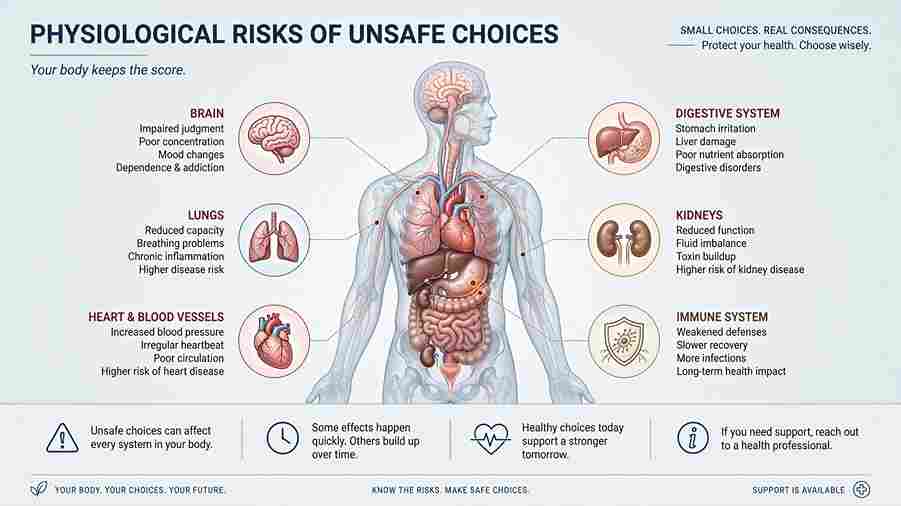
Your stomach post-gastric sleeve is much smaller and more sensitive, so “forbidden” foods aren’t about hard rules but real physiological dangers that can impede healing and halt weight loss. Each unsafe choice impacts the functionality of your new stomach and the overall way your body feels.
Drinks such as smoothies, fruit juice, sweet coffee drinks, and energy drinks are high-calorie and work their way through your pouch quickly. They don’t satisfy you, yet they still add too many kilojoules. This can induce nausea, cramping, or diarrhea as the liquid speeds into your small bowel. It makes weight loss more difficult, even if you’re eating very little.
Fizzy drinks, even carbonated water, shovel air into the sleeve. They can bring on acute pain, pressure, and bloating. Over time, this perpetual stretch from gas can fight against that reduced stomach capacity. Fried foods and other high-fat meals can sit heavy in your pouch and cause you to puke, have greasy stools, and reflux. They add simple calories that can lead to weight gain.
Immediately after surgery, the joint in your stomach is still mending. Ignoring a modified texture diet during the first 6 weeks or eating too fast can stress that region. Overly large bites, dry meat or bread can cause the food to get stuck, induce extreme pain, or even in rare cases increase the risk of a leak. Vomiting from these decisions places additional strain on the staple line.
Long term, your body requires sufficient protein and fluids to recover and maintain muscle. You’d want at least 70 grams of protein per day and about 1.5 to 2 liters of non-carbonated, low-calorie fluids. Too little protein can cause you to feel tired, heal poorly from wounds, and lose hair, particularly during the rapid weight loss in the first 6 to 9 months.
Not enough fluids lead to dehydration, dizziness, kidney strain, and constipation that exacerbates abdominal pain. Alcohol is dangerous because it’s more quickly absorbed post-surgery, has a stronger impact, and presents a greater risk of addiction. It piles on the empty calories and can ravage your liver while you’re at it.
Mindful Reintroduction And Satiety Signals
You have to reintroduce foods in a gradual, conscious manner such that your new stomach and your mind can adjust. Post gastric sleeve, fullness feels different and arrives quickly with significantly less food than you were previously consuming. If you eat beyond that, you’re looking at pain, nausea, vomiting and sleeve stretching in the future.
Mindful eating is now used worldwide to help with binge eating, diabetes, and obesity because it moves the emphasis from “clearing the plate” to “listening to the body.” That very same skill is crucial for you post surgery. Some assume surgery will allow them to put thoughts of food out of their mind, but studies indicate most continue to face compulsive eating and snacking.
Emotional eating is another huge and untreated risk that if you don’t confront will damage your long-term results.
Reintroduce new foods slowly, one at a time, in small bites, chewed well. Notice how your body responds over the next few hours: any pressure, cramps, reflux, or sudden fatigue. Quit at that initial twinge of pressure beneath the breastbone or constriction in the throat, a bout of hiccups, or a surge of heat.
Those can be your new fullness signals. You want to feel ‘satisfied and able to move,’ not stuffed or sleepy.
A basic food journal aids you in identifying what is effective and what’s not. Record what you ate, how much you ate, how long it took, and how you felt before and after. Over time you can spot patterns and can change your plan with your care team.
Such mindful reintroduction responds to satiety signals, making it easier to avoid restarting the cycle of binging and purging.
- Eat without screens and distractions
- Put your fork down between bites
- Take at least 15–20 minutes per meal
- Rate hunger and fullness before and after eating
- Note emotions and stress level with each meal
- Plan non‑food ways to cope with hard feelings
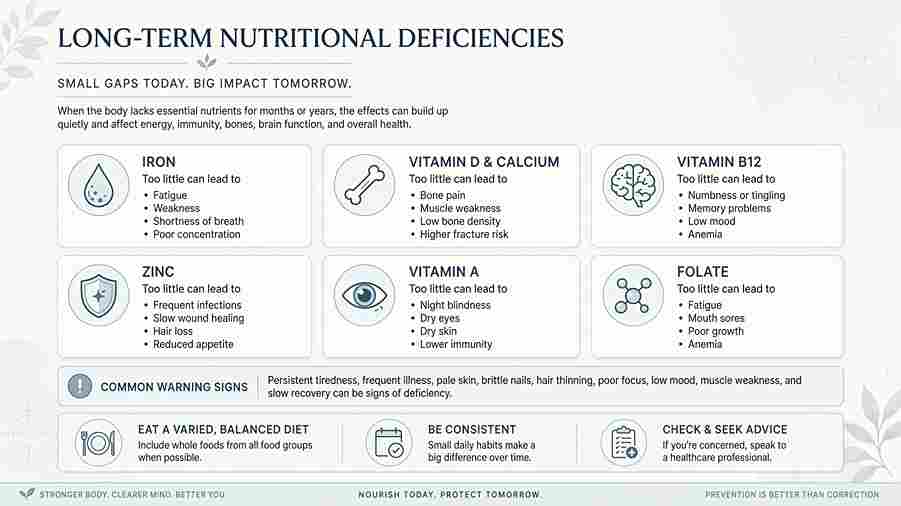
Long-Term Nutritional Deficiencies
Because your stomach is smaller, you consume less food, so your chances of becoming deficient in essential nutrients increase. Over the long term, that can become actual health issues, not just short-term fatigue or hair loss.
You have to monitor protein, vitamins, and minerals for life. After gastric sleeve, you can still absorb food quite well, but the reduced intake itself can cause deficiencies in protein, iron, vitamin B12, folate, calcium, vitamin D, and trace minerals such as zinc and copper.
As if that wasn’t enough, some get gut changes that decrease absorption even further. This is why a lot of bariatric teams refer to supplements as ‘non‑negotiable’ long term.
Daily proteins are your foundation. Try to have a good source of protein with each meal and snack such as eggs, fish, chicken, meat, tofu, lentils, Greek yogurt, or a whey or soy protein shake.
This helps defend your lean muscle, keeps your immune system robust, and supports wound healing. Not enough protein may lead to muscle loss instead of fat, feeling weak, and stalling your weight loss.
Most require supplements lifelong to remain safe. It’s common to recommend a daily bariatric-grade multivitamin and mineral, with iron, folic acid, selenium, copper, zinc, and B vitamins.
Most require supplemental calcium citrate with vitamin D and, depending on bloodwork, additional iron or B12. Missing your pills or only taking them “when you remember” increases your risk for anemia, osteoporosis, and even nerve and brain problems.
Schedule meals and portion plates. Try for three small meals and one to two planned snacks, as opposed to grazing.
Structure your meals around protein, then supplement with vegetables, some fruit and small amounts of whole grains. Frequent follow-up and blood work help your team catch issues early and tailor your dose so you do not experience fatigue, bone loss and other long-term damage.
Conclusion
Food tastes different after gastric sleeve. Your body has new regulations. Your job is not to eat perfectly. Your job is to remain cognizant, remain truthful, and pivot quickly.
Now you know what foods hit hard. Greasy fries, thick steak, soda, sweets, large buns. You know why they hit so hard. Pain, dumping, reflux, low vitamins, slow loss. That’s the truth, not the click bait!
Small victories pile up. A soft egg as opposed to a sausage patty. Water or tea over soda. Greek yogurt in lieu of ice cream. Your sleeve does some of the work. Your daily food selection takes care of the rest.
For your next meal, choose one small thing that honors your new stomach.
Frequently Asked Questions
What foods should you strictly avoid right after gastric sleeve surgery?
During the initial weeks, steer clear of solids, sodas, alcohol, caffeine, sugar, and fried or greasy items. These may irritate your new stomach, slow healing, and cause pain, nausea, or vomiting. Strictly adhere to your surgeon’s step-wise diet plan.
Why are high-sugar foods a problem after gastric sleeve surgery?
High sugary foods can induce dumping syndrome, with nausea, diarrhea, sweating, and rapid heartbeat. They slow weight loss and cause cravings. Avoid candy, soda, desserts, and sweetened coffee or tea. Opt for protein and low sugar foods instead.
When can you start eating solid foods again?
Most folks begin soft foods at week 3 to 4 and solid at week 5 to 6. The timing depends on your healing and your surgeon’s protocol. Always proceed slowly, take small bites, chew thoroughly, and stop at the first sign of fullness.
Which hidden additives should you watch for on food labels?
Observe added sugars (syrup, fructose, dextrose), hydrogenated oils, high sodium, and artificial sweeteners that upset your stomach. They are hidden in many sauces, dressings, flavored yogurts, and “diet” products. Reading labels keeps your pouch safe and your results long-term.
What are the risks of eating too fast or too much after surgery?
If you eat too quickly or overeat, you could vomit, feel pressure in the chest, experience sharp pain, have reflux, or even stretch your pouch over time. It can cause bad weight loss. Use small plates, chew slowly, and quit as soon as you’re satisfied, not stuffed.
How do you know when it is safe to reintroduce a new food?
Add one new food at a time in a very small quantity. If you experience pain, nausea, bloating or reflux, stop and try again in a few weeks. Track everything in a food journal and listen to your team’s instructions on what foods to try in each phase.
What long-term nutrient deficiencies should you watch for after gastric sleeve?
You’ll be at risk for low protein, iron, B12, vitamin D, calcium, and folate. Deficiencies can lead to fatigue, hair loss, brittle nails, and bone loss. Take your supplements, prioritize protein, and have routine blood tests with your bariatric team.