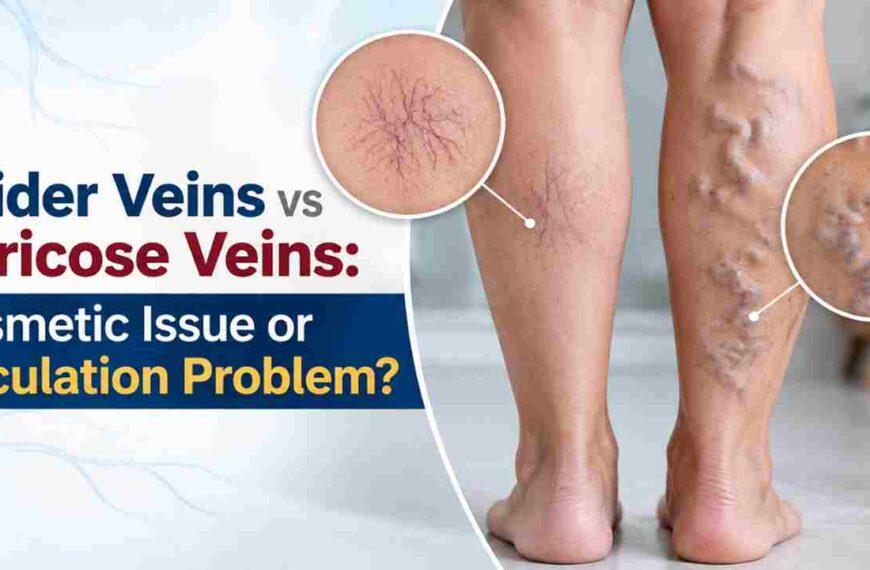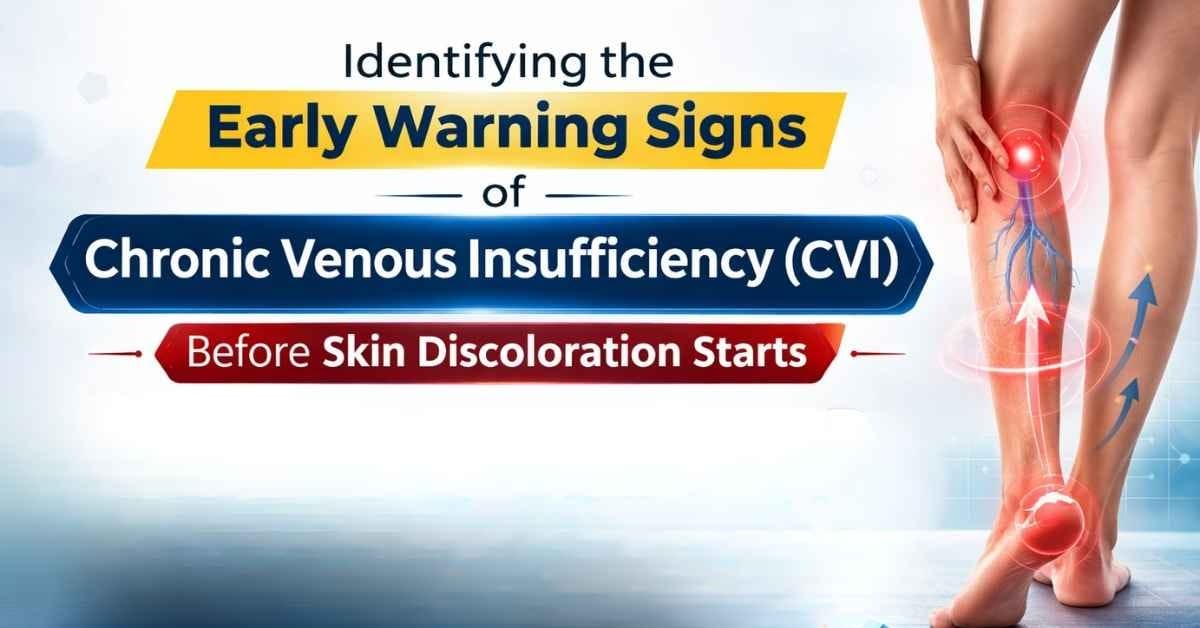
Heavy legs, evening ankle swelling, dull calf ache, and itch or tight skin that marks from socks are the early signs of chronic venous insufficiency.
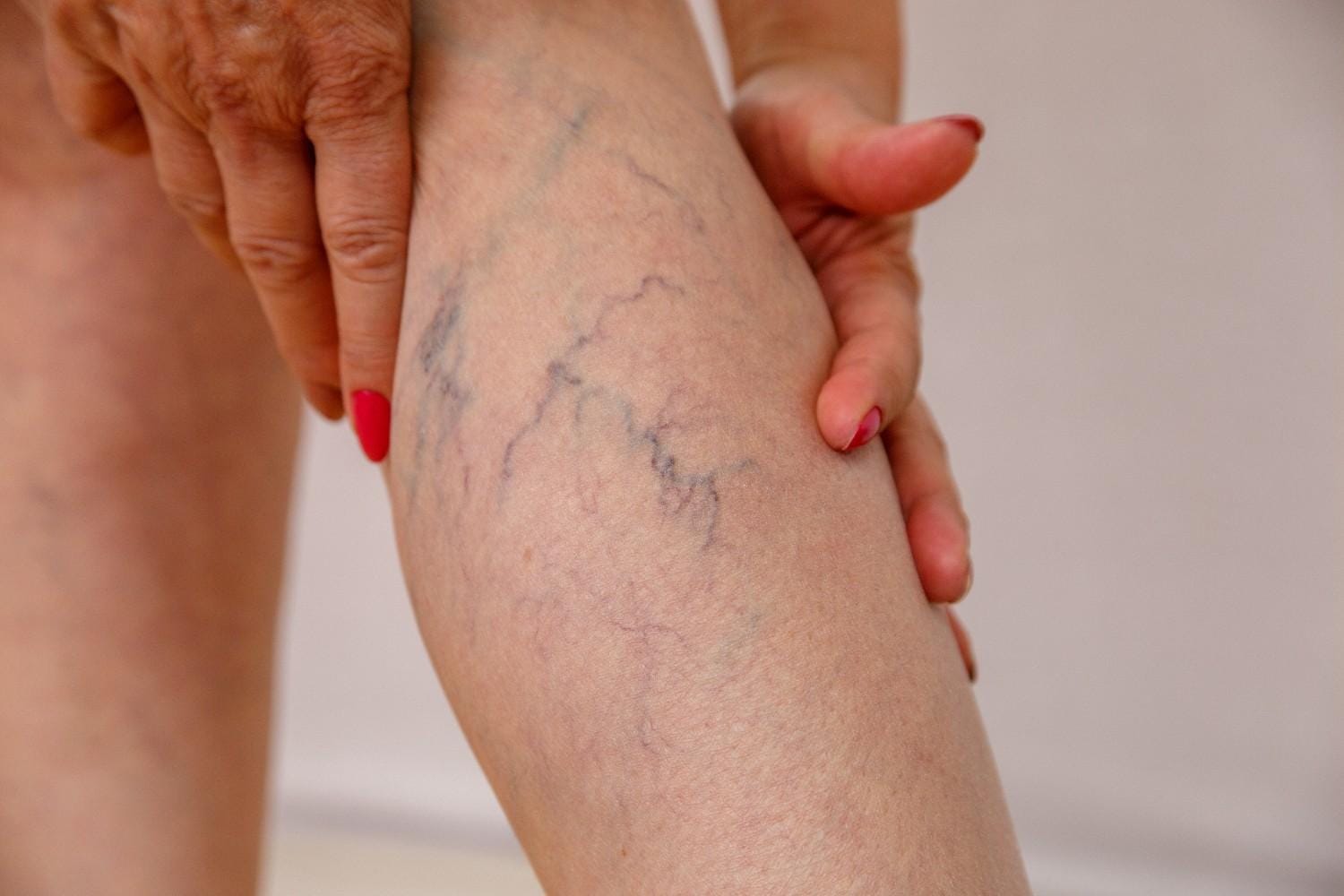
Watch for spider veins, bluish bulges, or skin discoloration near the ankles. Night cramps, tingling, and slow-healing nicks on the lower legs indicate venous problems.
To help identify trends, record when swelling begins, its duration, and whether rest with legs elevated alleviates it.
Ahead, you receive definitive action and treatment alternatives.
Key Takeaways
- Watch for these signs to catch early CVI: subtle swelling, leg heaviness, dull aching, nighttime cramps, and unusual skin sensations. Keep a record of when symptoms begin, what aggravates them, and what provides relief.
- You minimize risk by avoiding extended periods of sitting or standing, being active, keeping a healthy weight, not smoking, and staying hydrated. You’ll do well with daily walks and some calf-strengthening exercises.
- Simply put, you can take easy, at-home steps to alleviate symptoms. You prop your legs above heart level, wear well-fitted compression stockings, and get up for movement breaks every 30 to 60 minutes.
- You should be thinking about your own risk profile. You go over family history, previous blood clots or leg injuries, pregnancies, and chronic conditions that can raise your risk of CVI.
- You distinguish CVI from other causes of leg pain or swelling by identifying symptoms that alleviate with elevation or compression and exacerbate with prolonged standing. You seek medical care if pain is acute, unilateral, or accompanied by sudden swelling or discoloration of the skin.
- You can receive an early diagnosis through a clinical exam and a duplex ultrasound that tests blood flow and valve function. Book an appointment as soon as you see early signs of chronic venous insufficiency.
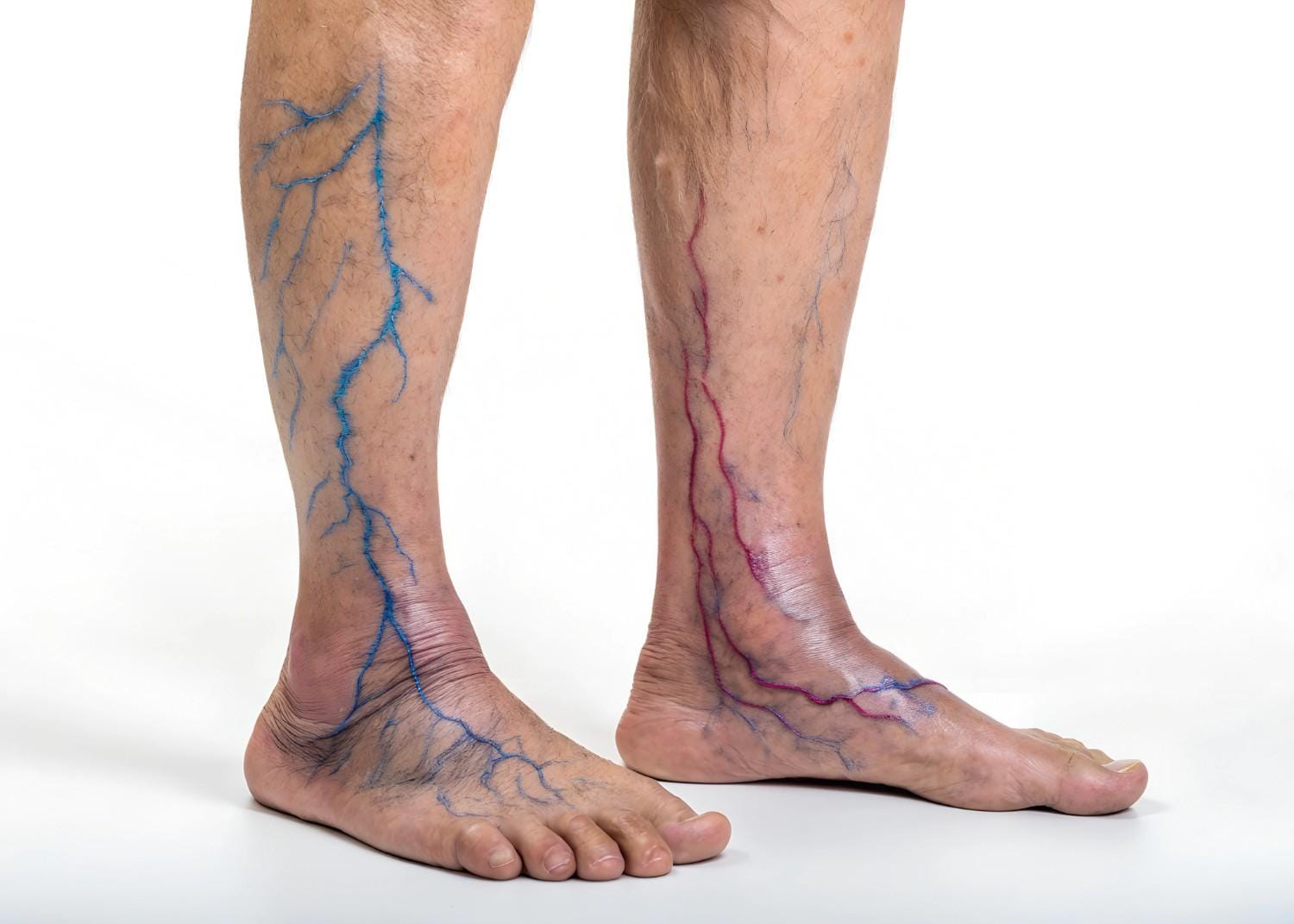
Understanding Chronic Venous Insufficiency
Chronic venous insufficiency (CVI) occurs when your leg veins cannot efficiently promote blood flow back to your heart, leading to blood pooling in the lower legs and increased venous pressure. This condition is prevalent globally, with about 10% to 35% of adults experiencing some degree of venous disease, especially as they age, highlighting the importance of seeking medical attention.
What Drives Cvi And How It Starts
Your leg veins fight gravity. One-way valves and your calf muscles propel the blood upward for recirculation. In CVI, those valves become weak or damaged. Blood leaks backward, pools by the ankles and pressure develops.
As the years pass, the vein wall continues to stretch, valves continue to fail, and the cycle accelerates. Women experience CVI more frequently than men, and risk can increase following pregnancy or hormonal changes. Family history, standing jobs, prolonged sitting and being overweight increase the burden.
How Cvi Progresses And Why Early Signs Matter
CVI progresses in stages. It can start with spider veins or small varicose veins (Stage 1). As it progresses, you’ll experience aching, heaviness, and fatigue that worsens by evening, followed by ankle and leg swelling (edema) by Stage 3.
Skin may discolor, become dry or itchy, then later harden. In severe cases, it results in near-ankle ulcers that are stubborn to heal. Early symptom spotting, such as persistent swelling, that dragging or heavy feeling, bulging veins, or skin staining, lets you intervene before full-blown edema and ulcers take hold.
What Helps You Slow Or Manage Cvi
Early attention changes results. Maintain a healthy weight, walk most days, and interrupt long sitting or standing every 30 to 60 minutes. Elevate your legs above your heart level for 15 to 20 minutes a few times a day, say two to three times.
Maintain skin hygiene and hydration. Wear compression as recommended to assist flow. Others get help from pneumatic compression or lymphatic massage to shift the fluid and reduce swelling. These steps, taken early, can slow stage progression and protect your skin.
What Are The Early Signs Of Chronic Venous Insufficiency?
Early symptoms of chronic venous insufficiency commonly appear as typical end-of-day tiredness, which may lead to postponed treatment. Monitor those little changes in how your legs look and feel to identify trends and intervene earlier.
- Mild ankle or lower‑leg swelling that worsens by evening
- Leg heaviness or fatigue, particularly following prolonged standing or sitting.
- Dull aching, burning, or throbbing pain, worse late in the day.
- Night cramps or restless legs that disturb sleep
- Tingling, itching, or “pins and needles.”
- Early skin changes: discoloration, dry or eczema‑like patches
- New or enlarged varicose veins
1. Subtle Swelling
Check for mild ankle or shin puffiness that leaves sock marks. It tends to build throughout the day and then subsides when you elevate your legs or recline.
This occurs when feeble vein valves allow blood to stagnate, forcing fluid into surrounding tissue. Record the time of day, triggers such as extended travel or desk work, and the rate of resolution with rest.
Maintain a brief daily log with a 0 to 10 scale and calf circumference in centimeters to identify trends.
2. Leg Heaviness
You might experience a persistent heaviness, fullness, or fatigue in one or both legs following hours spent on your feet or sitting, for example, following work or a long flight.
This represents compromised venous return and increasing venous pressure. Compare sides. Greater heaviness on one leg can indicate asymmetric vein disease.
CVI impacts nearly 40% of adults, with women aged 40 to 49 frequently diagnosed.
3. Aching Or Pain
Early CVI pain is dull, aching, burning, or throbbing in calves or thighs. It typically peaks late in the day, can interrupt sleep, and abates with leg elevation or compression.
Sharp, sudden pain with swelling could be another problem, such as DVT, and requires urgent evaluation. Record location, duration, and triggers, such as stairs or heat.
4. Nighttime Cramps
Night calf cramps and restless legs are common in early CVI and cause daytime fatigue. Venous reflux and poor flow irritate muscles even at rest.
Monitor how often, how severe, and how you relieve it to report to your clinician.
5. Skin Sensations
Tingling, itch, or prickling can indicate early inflammation or minor nerve irritation from insufficient circulation.
Be alert to any new or persistent changes, particularly if accompanied by discoloration, dry patches, eczema-type rash, or new varicose veins.
Who Is Most At Risk?
You’re more likely to have early CVI symptoms if you’re over 50, obese, currently pregnant or had multiple pregnancies, or lead a sedentary lifestyle. Occupations that trap you in long standing or long sitting increase risk, from retail and food service to driving and desk work.
A family line with varicose veins or venous ulcers counts. Previous DVT, vein thrombosis or leg injury dramatically raises risk within a few years. Women, particularly between the ages of 40 to 49, are more often diagnosed with the condition.
Approximately 20% of adults have varicose veins and approximately one in fifty develop CVI. Risk and symptom load rise beyond 65.
Your Lifestyle
Long periods of immobility stress the veins in the legs. When you sit or stand in one place, pressure mounts. Valves have to pump harder and fluid settles in the lower legs.
If you skip exercise, your calf pump weakens. Strong calf muscles assist in pushing blood up to the heart. Weak calves reduce flow and contribute to swelling and heaviness.
Smoking damages vessel linings and valves. Dehydration makes blood thicker and may exacerbate cramps and swelling. Adding heat exposure, tight knee-highs, or constant long-haul travel increases the load.
- Prolonged sitting or standing without breaks
- Little leg-focused exercise (walking, cycling, stairs)
- Smoking or vape nicotine use
- Low daily water intake
- Obesity and high-salt diet
- Frequent long flights or drives without movement
Your Genetics
Genes influence valve toughness and vein wall composition. If you inherit weak valves or more elastic vein walls, blood can leak backward earlier. Symptoms begin earlier and progress faster.
A family history of varicose veins, venous ulcers or thrombosis indicates increased risk. Look back at your family medical tree for early varicose veins, leg ulcers or recurrent clots down the line.
Your History
Previous DVT, superficial thrombosis or blunt leg trauma are strong predictors of CVI. Valvular damage following a clot can cause chronic swelling, skin change and ache within one to two years.
Most major surgeries, particularly vascular or orthopedic knee or hip work, can change flow or valve function. Chronic heart failure, kidney disease, and diabetes introduce fluid shifts and vessel stress.
- Past clots: DVT, PE, or superficial vein clot. Age, therapy, and relapses.
- Leg injuries include fractures, crush injuries, or surgery near the groin, knee, or calf.
- Procedures: vein stripping, ablation, sclerotherapy, arterial/venous grafts
- Chronic conditions: heart failure, kidney disease, diabetes, hypertension
- Hormone use: contraceptives, HRT, or fertility therapy timelines
Is It Cvi Or Something Else?
You’re interested in whether leg signs indicate chronic venous insufficiency (CVI) or other etiology. CVI can masquerade as lots of problems, making a clear read important. The vein doctor will review your history, examine your legs, and perhaps order a duplex ultrasound to map flow and exclude deep vein thrombosis (DVT). This step is key because skin color change, swelling, and a dull ache can come from CVI, but also from peripheral artery disease (PAD), arthritis, myositis, neuropathy, or simple overuse.
CVI signs often build throughout the day. You might experience heavy, tight calves by late afternoon, mild to marked ankle swelling, itch or burn around the inner ankle, and brown or blue skin patches from pooled blood. Night cramps and restless legs can present as well. Varicose veins are common, affecting 20% of adults, but not all cases of CVI are caused by varicose veins. Many with these vein issues have symptoms from other causes.
Match patterns to better understand your condition. Venous pain tends to be relieved by elevating your legs or using compression therapy. PAD differs: cramp-like calf pain starts with walking and eases with rest. Feet may feel cold, pulses are weak, and wounds heal slowly. Arthritis causes joint-line pain, morning stiffness, and bony swelling, not sock-line edema. Myositis causes muscle weakness rather than swelling and frequently presents with difficulty ascending stairs.
Peripheral neuropathy causes numbness, burning, or a pins-and-needles sensation in a stocking pattern, not color change around the ankle. Deep vein thrombosis can mimic CVI but is acute: one leg gets sudden swelling, warmth, and pain, which is an urgent issue.
Use a simple checklist to sort signals before you see a healthcare provider. If most boxes fit, then it’s probably CVI. If you record exertional calf pain, cold feet, weak pulses, focal joint pain, or acute unilateral swelling, consider non-venous or urgent causes. A clinician can identify the source and arrange appropriate care for your vein health.
- Swelling that peaks by evening and improves overnight.
- Itch or dark skin near the inner ankle.
- Ache that eases with leg elevation or compression.
- Visible varicose or reticular veins.
- Normal foot pulses and warm feet.
- History of clots, long sitting/standing, or obesity.
Understanding these symptoms and patterns is crucial in assessing your condition. Keeping track of your experiences can help your healthcare provider create a tailored treatment plan for you.
How Is Early Cvi Diagnosed?
This begins with your history and a careful inspection of your lower extremities. You receive a directed exam, specific imaging, and a standardized score to stage disease. Early calls result in earlier care, like compression and meds, which reduces the risk of ulcers, clots, and skin infection.
Physical Examination
Your clinician reviews your symptoms and risk factors first, which may include gradual leg ache, heaviness after standing, and night cramps. They also consider your history of chronic venous insufficiency, prior clots, and prolonged sitting or standing at work. Inquiring about skin changes, itching, and slow healing wounds is crucial in assessing your venous condition.
During the examination, both legs are checked for symmetry, and you might be asked to stand to reveal bulging veins or ankle swelling. The clinician looks for tenderness along superficial veins, warmth, and pitting edema, all of which are important warning signs of potential vein problems.
Skin is examined for color changes, including yellow-brown patches and early ulcers around the medial ankle, which can indicate complications related to venous insufficiency. They can stage the severity of your condition with CEAP, which helps in determining an appropriate treatment plan.
This thorough evaluation guides next steps in managing your venous health, ensuring that any potential issues are addressed effectively. It’s essential to keep track of these symptoms and seek medical attention when necessary.
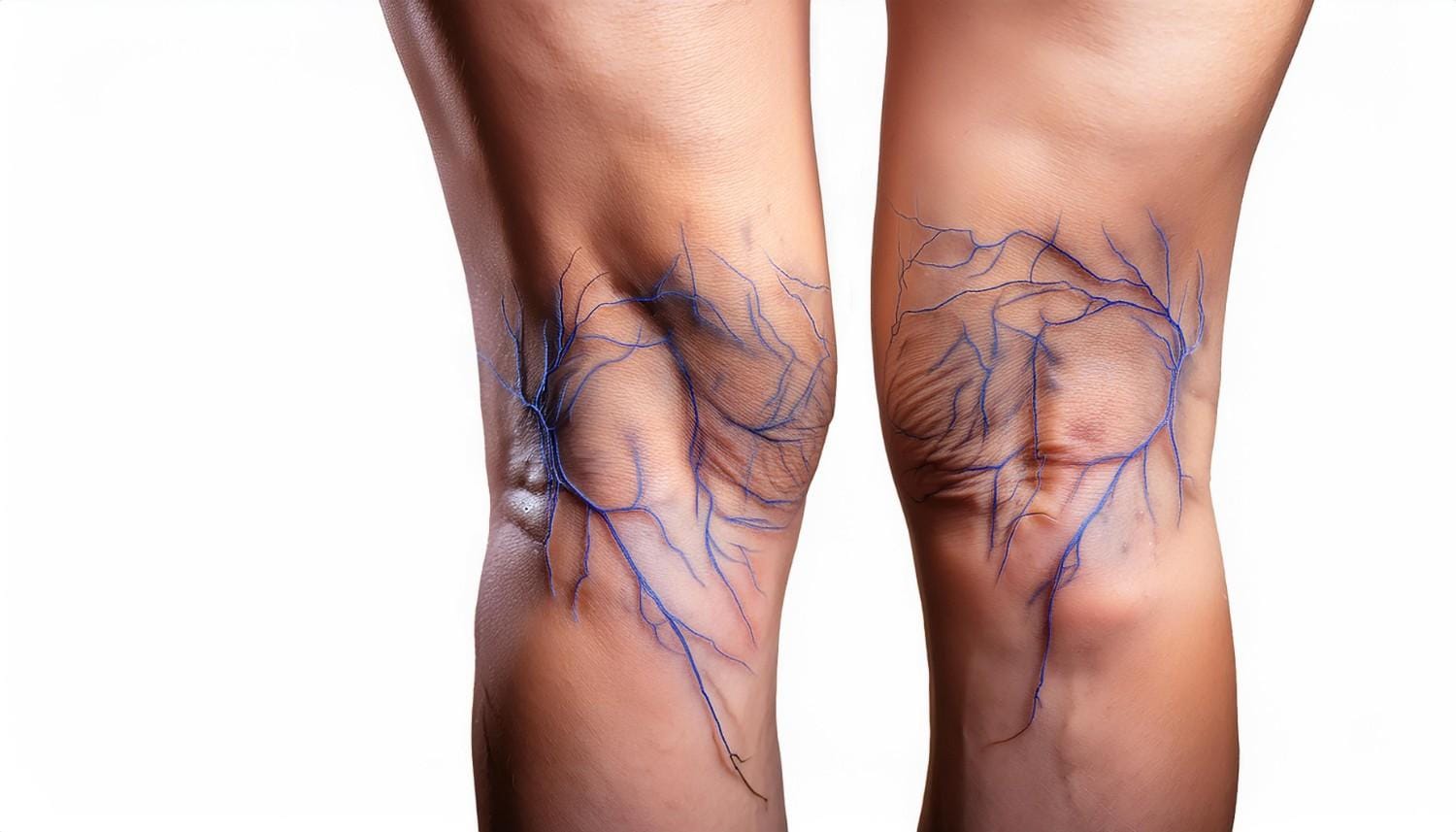
| Exam finding | What it suggests | Why it matters |
| Ankle/lower-leg swelling | Venous hypertension | Tracks progression |
| Brown discoloration (hemosiderin) | Chronic leakage | Marks chronicity |
| Varicose veins | Superficial reflux | Points to source |
| Atrophie blanche/eczema | Skin damage risk | Flags ulcer risk |
| Medial ankle ulcer | Advanced CVI | Needs prompt care |
| Calf tenderness/warmth | Possible clot | Triggers urgent imaging |
Vascular Ultrasound
Multidetector ultrasound is the gold standard for CVI. It maps vein anatomy and tests valve function with real flow data.
It measures flow direction, searching for reflux greater than 0.5 seconds in superficial veins and greater than 1.0 seconds in deep veins, vein diameter at rest and with maneuvers, and detects clots or obstruction.
A venous Doppler study is included in this test and establishes valve incompetence and obstruction. Results distinguish superficial from deep disease, which guides treatment, such as compression class, ablation for refluxing saphenous vein, or anticoagulation if there is a clot.
If symptoms recur or progress, plan repeat scans at regular intervals, particularly with a strong family history. Early diagnosis guides prompt compression, leg elevation, activity modifications, and medications to manage swelling and discomfort and avoid ulcers and infection.
Proactive Steps For Vein Health
Early action can slow or even stop chronic venous insufficiency in its tracks. Concentrate on habits that relieve vein stress, promote circulation, and reduce risk factors associated with swelling, discomfort, and skin discoloration.
Wear Compression Stockings Or Socks
DON’T FORGET: Use graduated compression 20 to 40 mmHg to support blood flow and reduce ankle and calf swelling. Slip them on in the morning before legs swell and wear them through the day, especially if you stand or sit for work.
Opt for knee highs for everyday wear, but thigh highs can assist if swelling creeps over the knee. Swap pairs every 4 to 6 months as stretch disappears. If you have diabetes, neuropathy, or artery disease, check fit with a clinician first.
Move On A Regular Schedule
Blood pools when you remain sitting or standing. Set a timer for 30 to 60 minutes to walk for 2 to 5 minutes. Aim for brisk walking for 30 minutes most days.
Do calf raises with 3 sets of 15 to 20 repetitions, twice a day. Take ankle pumps while seated and do short stair climbs whenever you can. On lengthy journeys, choose aisle seats, stroll the aisle once every hour, and perform seated heel-toe rocks.
Avoid high-impact bursts if they spike pain. Slow, low-load labor cures most.
Elevate Your Legs
Elevate your legs above heart level for 15 to 20 minutes, 2 to 3 times per day, to reduce venous pressure and prevent pooling. At home, lie flat and prop yourself up at a slight angle with pillows.
Do not bend the back of your knees. At night, a minimal foot-of-bed lift of 5 to 10 centimeters can assist with mild swelling.
Keep Weight, Diet, And Fluids In Check
Being at a healthy weight reduces the stress put on your leg veins. Construct meals rich in fiber, lean protein, and unsalted foods. Supplement with citrus, berries, and leafy greens to support your vessels.
Sip water throughout the day; urine should be pale. Don’t smoke; it damages circulation. Shield your legs from cuts and bangs, wear flat, supportive shoes, and watch for initial symptoms such as new swelling, ache, heaviness, itch, or skin discoloration.
Be aware of your risks, including age, family history, pregnancy, previous clots, and heart or kidney disease. Schedule check-ups for preventative attention.

Conclusion
You know your legs best. Little changes provide first hints. Weighed-down calves following a brief walk. Itchy shins that flare at night. Small purple lines by the ankle. A sock mark that doesn’t want to disappear. They’re the first to appear. They appear quickly on hot days or long sits.
To get ahead, track your own data. Note the time of day, steps, heat, or long flight. Basic habits assist. Short walks each hour. Calf raises at the kitchen sink. Elevate those feet at day’s end. A cool rinse in the shower helps. A tight-fitting, properly sized knee sleeve should be used if your clinician gives the thumbs up.
Want definitive next steps? Schedule a vein screening. Bring notes and photos. Request a duplex scan. Your legs will appreciate it.
FAQ
What are the earliest signs of chronic venous insufficiency (CVI)?
Symptoms of chronic venous insufficiency, such as heavy, tired legs, ankle swelling (particularly toward the end of the day), aching or cramping, itchy skin, and minor varicose veins, generally alleviate when you elevate your legs.
How do I know if it’s CVI or just sore legs?
CVI pain, often linked to chronic venous insufficiency, worsens with standing and improves with elevation. You may observe swelling in the ankles, changes in the veins, or skin alterations. While minor vein issues usually improve with rest, persistent symptoms warrant a vein exam.
Who is most at risk for early CVI?
You’re at increased risk of chronic venous insufficiency if you have a family history, sit or stand for prolonged periods, are pregnant, overweight, older, smoke, or have had a leg injury or blood clot. Women are more commonly affected.
Can early CVI cause skin changes?
Yes. You may notice symptoms like dryness, itching, or darkening around the ankles, which are common signs of venous insufficiency. Early attention helps prevent complications like chronic ulcers.
How is early CVI diagnosed?
A vein specialist goes over your symptoms and examines your legs. A duplex ultrasound monitors blood flow and valve function. It is painless and takes minutes.
What can you do now to protect your veins?
To improve vein health and reduce swelling, walk daily, elevate your legs, and wear medical-grade compression stockings. Maintaining a healthy weight and avoiding long periods of sitting or standing are crucial measures.
When should you see a specialist?
Schedule a visit to a vein doctor if you experience swelling, heaviness, or pain lasting more than two weeks, if you notice changes in the skin, or if varicose veins are worsening. Early treatment for venous insufficiency significantly improves comfort and outcomes.