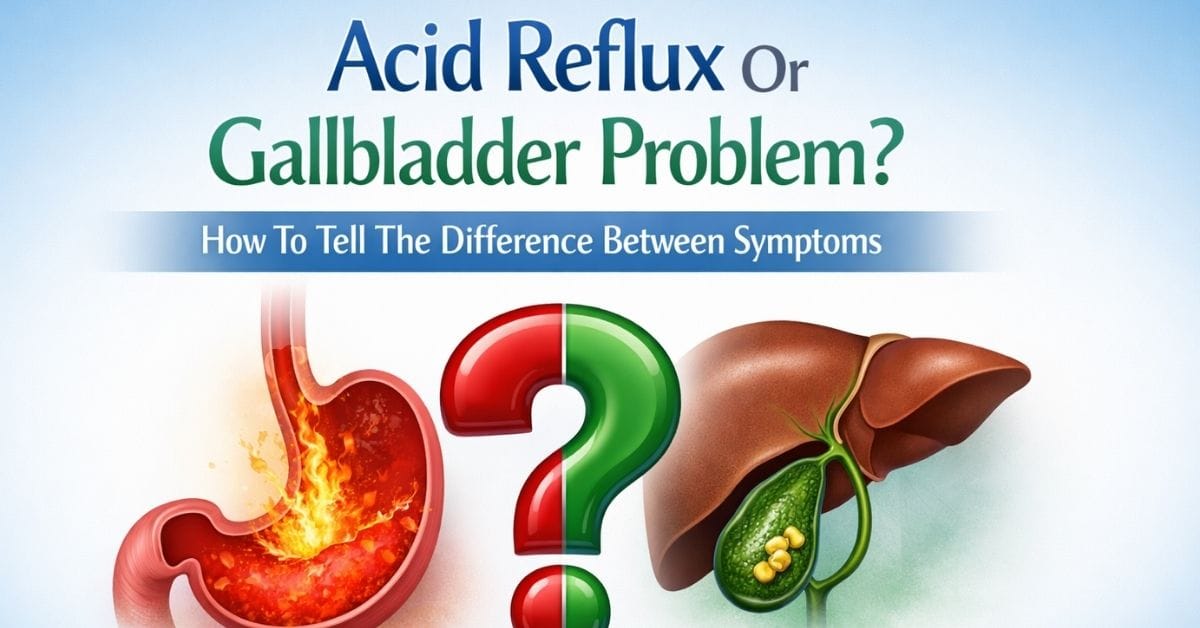
Acid reflux vs gallbladder symptoms ultimately comes down to where your pain initiates, what ignites it, and how your body responds post-meal.
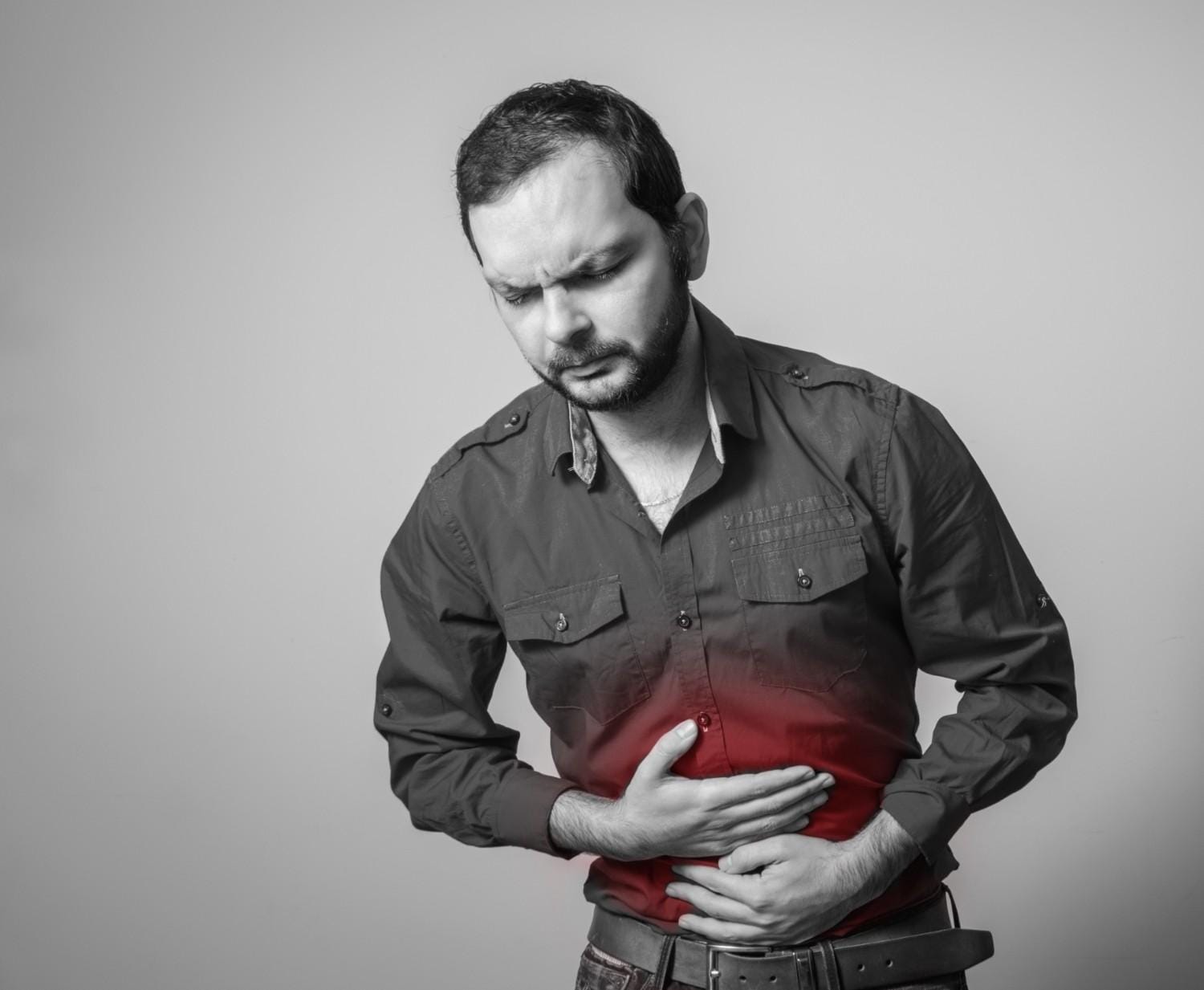
You may experience burning in your chest and throat with reflux, whereas gallbladder problems tend to result in sharp pain in the upper right abdomen, occasionally accompanied by nausea.
You may notice trends with greasy foods or nighttime munching.
Next, you describe each symptom explicitly.
Key Takeaways
- Acid reflux vs gallbladder symptoms: You can often tell acid reflux apart from gallbladder problems by the pain type and location. Reflux causes burning behind your breastbone, while gallbladder pain is sharp or cramping in your right upper abdomen. Look out for distinctive symptoms like persistent cough or sour taste for reflux and jaundice or dark urine for gallbladder disease.
- You’re probably experiencing acid reflux if your pain is burning or gnawing, gets worse when you lie down and abates with antacids. Gallbladder pain is more common if attacks are sudden, sharp, or cramping, particularly under your right rib cage following meals and intensifies with fatty foods.
- You should have them track when symptoms begin to help identify patterns, as reflux tends to be triggered by heavy or late meals and laying down, while gallbladder attacks typically begin 30 to 60 minutes post-consumption of fatty or fried foods. Maintaining an easy symptom and timing log assists you and your doctor in distinguishing these disorders.
- A food diary can be helpful in spotting triggers, as spicy, acidic, and caffeinated foods tend to exacerbate reflux while greasy and fatty foods tend to aggravate the gallbladder. Notice foods that trigger both so you can cut back or avoid them when possible.
- You want to be evaluated if you observe red flag symptoms including jaundice, fevers, chills, severe or acute right-sided pain, or intractable reflux accompanied by difficulties swallowing or weight loss. Doctors may perform blood tests, ultrasound, endoscopy or pH and bile studies to confirm if your symptoms are due to acid reflux, gallbladder disease or bile reflux.
- You can treat both by avoiding trigger foods and eating small meals, maintaining a healthy weight, raising your bed for reflux, and taking medications or surgery as prescribed. Developing a customized plan with your doctor and tracking your symptoms over time promotes lasting digestive wellness.
Distinguishing Acid Reflux Vs Gallbladder Symptoms
You deal with two very different problem areas: your esophagus and your gallbladder, yet the symptoms can blur together. A quick snapshot of the main differences:
- Acid reflux: burning chest pain (heartburn) behind the breastbone
- Gallbladder: sharp or cramping pain in the right upper abdomen
- Acid reflux: sour taste, regurgitation, chronic cough, sore throat
- Gallbladder: nausea, vomiting, fever, chills, jaundice, dark urine
- Both include indigestion, bloating, and symptoms that worsen after certain foods or at night.
Paying attention to where the pain begins, what it feels like and what sparks it will help you differentiate them. You’re on the lookout for ‘red flag’ symptoms, such as jaundice in the case of gallbladder disease, or chronic cough and throat irritation in the case of reflux or GERD.
1. Pain Location
Acid reflux pain typically manifests behind your breastbone or in your upper stomach, often climbing towards your throat and leaving a burning sensation in the center of your chest. When chronic gastroesophageal acid reflux is involved, the discomfort may be felt higher, near your lower neck, resembling heart pain, even though it originates from your esophagus. In contrast, gallbladder pain is usually localized in your right upper abdomen, beneath the right rib cage, and can radiate to your right shoulder or between your shoulder blades.
Common gallstone symptoms include a deep ache or a tight band under the right ribs that intensifies 30 to 60 minutes after consuming a heavy or fatty meal, sometimes even waking you from sleep. To track your symptoms effectively, you could create a simple chart with two columns: center chest/upper stomach and right upper abdomen/right shoulder/back, marking where your pain occurs most frequently. Gallstone attacks typically peak under the right ribs after eating, while bile reflux pain tends to stay more central.
Understanding these distinct conditions can help you identify whether you’re experiencing gallbladder problems or acid reflux. By recognizing the signs and symptoms associated with each, you can seek appropriate medical care and consider dietary changes to manage your digestive health effectively.
2. Pain Character
Acid reflux pain typically feels like burning, heat, or a gnawing ache. It can gradually develop after eating and typically becomes more painful when lying flat or bending over. Most describe it as feeling like food or acid is refluxing, and antacids or acid-reducing medications tend to help.
Gallbladder pain is more often sharp, cramping, or colicky, with obvious “attacks” lasting minutes to hours. Gallstone pain is severe and sudden, slamming you after a heavy, greasy meal and causing you to writhe in your chair or bed to find any relief.
You watch for patterns: pain that eases with antacids or upright posture points more toward acid reflux, while pain that spikes after fatty food and may not budge with antacids leans toward gallbladder trouble. Gallbladder disease is typically accompanied by forceful, occasional spasms, whereas reflux and GERD may manifest as a persistent, intermittent burn.
3. Symptom Timing
Acid reflux symptoms often flare up after large meals, late-night eating, or when lying flat, especially at night. You might wake with burning in your chest, sour bile reflux in your throat, or a persistent cough that disrupts your sleep. These gastrointestinal symptoms can be quite bothersome.
Gallbladder attacks typically begin 30 minutes to an hour after fatty, greasy, or fried food. You could be okay immediately after a meal, and then a surge of right-sided pain, nausea, or pressure sets in. The attack may subside, only to recur several weeks later, as is typical in chronic gallbladder disease.
Keeping a detailed log of your eating habits, including what you eat and when the pain starts, can help you and your gastroenterologist differentiate between indigestion symptoms and gallbladder pain, which tends to occur as sporadic, severe episodes.
4. Trigger Foods
For acid reflux, common triggers include spicy dishes, citrus fruits, tomatoes, chocolate, caffeine, carbonated drinks, alcohol, peppermint, and heavy or late meals. Fatty foods can worsen reflux by relaxing the valve between your stomach and esophagus. Over time, these eating habits can establish GERD and more persistent symptoms.
Gallbladder problems are particularly sensitive to fatty, greasy, or fried foods and occasionally large egg or cream heavy dishes. A classic tale is pain one to two hours after a fast food or rich feast, with nausea or even vomiting.
Certain foods — primarily heavy, high-fat ones — can trigger both reflux and gallbladder symptoms simultaneously, generally in different manners. Burning behind the breastbone indicates reflux and right-sided cramping or pressure indicates gallbladder. A foodie diary that combines what you eat with how you feel provides you powerful evidence to take to your physician.
5. Associated Signs
Acid reflux and GERD usually include a sour or bitter taste in your mouth, frequent belching, and the sensation that food is stuck in your chest. You might experience a sore throat, hoarse voice or chronic cough, particularly at night or on waking, as acid irritates your throat and airways.
Although GERD is commonly associated with heartburn, some individuals observe symptoms despite not experiencing strong heartburn, rendering GERD easy to confuse with gallbladder disease.
The gallbladder tends to drag in more whole-body symptoms. Nausea and vomiting accompany most attacks, and you might experience fever or chills if the gallbladder or bile ducts are infected or severely inflamed.
Jaundice, which is the yellowing of your skin or the whites of your eyes, along with dark urine or pale stools indicates obstructed bile flow and requires emergent attention.
Both can leave you feeling bloated and “off” after eating, but the specifics are different. Reflux is more about regurgitation and throat irritation, while gallbladder disease tends to deliver right-sided tenderness, a heavy or tight sensation under the ribs, and sometimes radiating pain to your shoulder or back.
Since GERD and gallbladder disease can have overlapping symptoms and can coexist, physicians often use tests such as an esophagram or barium swallow for reflux and ultrasound or imaging for gallbladder. They then create a plan that addresses food choices, weight, and other lifestyle factors, as both are more common with extra weight and tend to flare in response to fatty, fried, or spicy foods.
What Causes The Discomfort
In acid reflux, stomach acid backs up into your esophagus because your lower esophageal sphincter (LES) isn’t closing tightly enough. In gallbladder disease, discomfort arises from inflamed tissue, blocked bile ducts, or infection. One issue is primarily chemical, as acid is present where it doesn’t belong. The other is primarily mechanical, with stones or swelling obstructing flow.
Once you understand which process is fueling your symptoms, you are better positioned to choose the right tests, diet modifications, and treatment.
Gallbladder Function
Your gallbladder is a tiny sac beneath your liver that stores bile, a liquid your liver produces to assist you in digesting fat. When you consume a fatty meal, your gallbladder contracts and pumps bile into the small intestine through minuscule ducts, enabling proper digestion of fats and absorption of vitamins A, D, E, and K. However, if you experience gallbladder problems, such as gallstones, the flow can become obstructed, leading to discomfort.
Gallstones form when your bile contains too much cholesterol or bilirubin, or if the gallbladder fails to empty properly. This risk is heightened by conditions like obesity or rapid weight loss. A gallstone may lodge in a duct, resulting in a gallbladder attack characterized by stabbing pain in your upper right abdomen, often after consuming a greasy meal, and may also present with nausea or vomiting.
If the stones or chronic inflammation lead to persistent indigestion symptoms, your physician may recommend gallbladder removal surgery (cholecystectomy). Post-surgery, while your liver still produces bile, it drips directly into your intestine instead of being stored, which can lead to digestive issues like loose stools or difficulty digesting very fatty foods.
It’s essential to consult a gastroenterologist if you experience severe symptoms or complications related to gallstones. They can provide guidance on dietary changes and treatments to alleviate discomfort and improve your digestive health.
Stomach Acid
Your stomach acid is key in dissolving protein and zapping a lot of germs in your food. Your body requires this acid, just as it requires it to remain in your stomach. The LES is a ring of muscle at the lower end of your esophagus that functions like a valve to keep acid where it belongs, preventing conditions like bile reflux.
If the LES is weak or relaxes at the wrong time, acid can wash back into your esophagus and cause burning chest pain, a sour taste in your mouth, or a lump-in-the-throat feeling. This weakness may be caused by obesity, pregnancy, a hiatal hernia, tobacco smoke including second-hand smoke, alcohol use, or certain medications, leading to indigestion symptoms.
Others are born with esophageal problems like esophageal atresia or some hernias that alter LES function. Diet and habits count as well. Heavy or late-night meals, reclining soon after eating, and extremely fatty, fried, or spicy foods can all exacerbate reflux and contribute to gastroesophageal reflux disease.
When acid continues to irritate your esophagus, the lining can get inflamed, which can cause pain when swallowing, chest discomfort, or even minor bleeding. Over time, the normal lining can transform into a different type, a condition called Barrett’s esophagus, which often presents like chronic reflux but increases the risk of more dangerous disease.
This long exposure is what makes reflux different from quick, severe gallbladder attacks. The pain is driven by chemical injury and chronic irritation, not by a stone blocking a duct, highlighting the key differences between these distinct conditions.

The Unexpected Link
Acid reflux and gallbladder problems frequently bleed into one another, as both can lead to upper abdominal pain, bloating, and nausea. You can have burning behind your breastbone and a dull ache under your right ribs, and it’s not always obvious what comes from where. They can co-exist rather than one causing the other.
That overlap is why you occasionally require diligent testing before anyone can say if your primary problem is GERD, gallstones, bile reflux, or a combination.
| Aspect | Acid reflux / GERD | Gallbladder disease |
| Main problem | Stomach acid and sometimes bile move up into the esophagus | Inflammation, stones, or poor function of the gallbladder |
| Typical pain site | Middle of chest, upper mid‑abdomen | The right upper abdomen can spread to the back or the right shoulder |
| Common symptoms | Heartburn, sour taste, regurgitation, chest discomfort, cough | Steady or cramping pain after fatty meals, nausea, and bloating |
| Shared symptoms | Pain, fullness, belching, nausea, indigestion | Pain, fullness, belching, nausea, indigestion |
| Key risk factors | Obesity, pregnancy, hiatal hernia, smoking, alcohol, and large late meals | Obesity, high‑fat diet, female sex, older age, and some medicines |
| Notes | Often linked to a weak lower esophageal sphincter (LES) | Gallstones are hardened cholesterol, bilirubin, and bile |
Bile Reflux
Bile reflux means bile flows back from your small intestine into your stomach and esophagus. You can experience burning in your upper abdomen or chest, nausea, and even vomit yellow-green fluid, which looks very much like serious acid reflux.
Yet bile is alkaline, not acidic, so typical antacids and numerous acid-lowering medications tend to not help much, or the relief is partial and temporary. Bile reflux is more common if you’ve had gallbladder or stomach surgery or problems that slow gut movement. Your doctor may investigate this more if your symptoms begin or change after those.
Post-Surgery Effects
When your gallbladder is removed, bile can drip into your intestine all day rather than be stored and released in pulses. This shift can cause chronic loose stools, urgency, or bile reflux in certain individuals.
You may develop new or worse heartburn after cholecystectomy, as continuous bile flow can irritate the stomach and esophagus and sometimes exacerbate previously mild or silent GERD.
Post-surgery, it’s sensible to monitor for persistent bloating, gas, or upper abdominal discomfort, particularly after fatty meals, and inform your doctor if these symptoms persist for more than a few weeks.
Long term, some people find they digest fatty foods less well and might need to cut back on fried or very rich meals. They may also need to shed additional pounds and adopt GERD-friendly habits such as smaller meals in the evening, avoiding lying flat immediately after eating, and raising the head of the bed.
Who Is Most At Risk
You’re more prone to gallbladder problems or acid reflux if your lifestyle, weight, genetics, or health condition place your digestive system under constant tension. Some risks tip more toward reflux, while others align you for gallstones, and still others can predispose you to both conditions.
- Obesity (body mass index ≥ 30)
- Family history of gallstones or GERD
- Rapid weight loss or weight cycling
- Diet high in fat, fried food, and sugar
- Smoking and heavy alcohol use
- Pregnancy
- Hiatal hernia
- Certain medications (for example, NSAIDs, some blood pressure drugs)
- Older age
- History of digestive inflammation or infections
For acid reflux, additional pressure in your abdomen makes stomach acid shift upwards more readily. If you’re dealing with obesity, a tight belt, or do heavy lifting at work, that pressure increases. A hiatal hernia weakens the barrier between your stomach and esophagus, making gastroesophageal reflux disease more likely even when you eat non-spicy meals.
Smoking relaxes the valve at the bottom of your esophagus and slows healing, so heartburn can become a daily occurrence. Alcohol, particularly in excess, can contribute as well. Pregnancy brings added pressure from the expanding uterus and shifting hormones, which means even clean eaters can develop fierce indigestion symptoms in the second and third trimester.
Others, such as NSAIDs for pain or blood pressure pills, can irritate the esophagus or relax the valve, turning mild reflux into GERD over time. For gallbladder disease, thick bile and sluggish flow increase your risk of gallstone complications. High cholesterol, a high-fat diet, or even long workdays with skipped meals can push bile out of balance.
For gallbladder disease, thick bile and sluggish flow increase your risk of stones. High cholesterol, a high-fat diet, or even long workdays with skipped meals can all push bile out of balance. Fast weight loss, hard crash diets, or yo-yoing cause your liver to dump additional cholesterol into bile, so stones develop quicker.
When you stack risks—obesity, a family history, a poor diet—you increase your chances of experiencing both gallbladder pain and chronic bile reflux simultaneously.
How Doctors Diagnose
You’re not going to get a definitive answer on reflux versus gallbladder from a single question or a single test. Physicians typically mix your narrative, a physical examination, and select tests and then pattern match.
First, your doctor gets a thorough history. For example, they might inquire when pain or burning begins, if it appears more at night, or shortly after you consume a heavy or fatty meal. This timing is often helpful to distinguish acid reflux from gallbladder attacks.
You could be instructed to maintain a symptom diary observing what you had for meals, when symptoms begin, duration, and what alleviates or exacerbates them. Many clinics employ brief surveys to quantify your pain, heartburn, sleep trouble, and how intrusive these problems are in daily life.
During your physical exam, your doctor listens to your abdomen and chest. Tenderness under the right rib cage can indicate gallbladder disease, while throat irritation or positional chest discomfort can indicate reflux. Then tests come.
For acid reflux, doctors typically begin with symptoms alone and a trial of acid-reducing medicine. If symptoms are severe, strange, or persistent, you might have an upper endoscopy to check the esophagus and stomach for redness, ulcers, or early damage.
Other physicians use an esophagram, known as a barium swallow with anterior-posterior and lateral views, to visualize the contour and motility of your esophagus and screen for GERD or even esophageal cancer. Ambulatory pH monitoring can measure acid in your esophagus for 24 hours to demonstrate continued reflux.
For gallbladder disease, blood tests detect infection or blocked bile flow. Ultrasound is typically the initial scan used to identify stones or inflammation. A CT scan provides a broader perspective if the image is blurry.
In more complicated cases, a HIDA scan evaluates how well the gallbladder empties and an MRCP investigates the bile ducts for hidden stones or strictures.

| Condition | Common tests | What they show |
| Acid reflux | History, exam, symptom diary, questionnaires, trial of acid meds, upper endoscopy, barium swallow, 24‑hour pH monitoring | Symptom pattern, esophagus damage, acid exposure |
| Gallbladder | History, exam, blood tests, ultrasound, CT, HIDA scan, MRCP | Stones, infection, blocked ducts, poor gallbladder function |
The Misdiagnosis Dilemma
You encounter a genuine conundrum when you attempt to self-diagnose upper abdominal pain. Acid reflux and gallbladder problems reside in the same area of your body, often emitting similar gastrointestinal symptoms, leading to confusion. Both conditions can cause burning or pressure high in your belly or chest, nausea, a sour taste in your mouth, bloating, and pain that can disrupt your sleep and work.
Since approximately two in five adults struggle with acid reflux, you or even an overwhelmed doctor may jump to assume reflux is the sole culprit and overlook a slow, silent gallbladder problem lurking in the background. This confusion is crucial because mislabeling it can prevent you from receiving the treatment you truly need. If your gallbladder is the culprit but you’re treated like you have reflux, you’ll likely remain on acid-lowering medication as your gallbladder continues to deteriorate, potentially leading to gallstone complications.
That can increase your risk of gallstones, recurrent post-fatty meal right-sided gallbladder attacks, or even infection and inflammation that require gallbladder surgery. GERD can masquerade as gallbladder pain so effectively that you might undergo scans, hospitalizations, or even have your gallbladder removed without real improvement if the primary issue is chronic gastroesophageal acid reflux.
You need to know that both troubles can coexist, and they share culprits like obesity, inactivity, and dense, high-fat meals. This overlap is what makes a careful workup important. You aid that process when you record what you experience and when. Note the precise location of your pain, how it radiates, what you ingested, your posture, nighttime symptoms, and what ameliorates or aggravates your condition.
These patterns provide your doctor with real hints to differentiate between reflux and gallbladder disease, allowing them to construct a treatment plan that truly suits your digestive health needs.
Managing Your Condition
You control gallbladder problems and bile reflux most effectively when you align habits, medication, and monitoring with your personal pattern of indigestion symptoms.
Lifestyle Changes
- Stay away from typical trigger foods. For acid reflux, that frequently means spicy foods, tomato-based sauces, citrus fruits, chocolate, mints, coffee, and soda. When it comes to gallbladder disease, fatty and fried foods are major triggers as they cause your gallbladder to contract more forcefully, which can trigger pain or nausea.
- Modify your eating habits, not just your diet. Smaller, more frequent meals put less stress on your stomach and gallbladder than big ones. Try to cut off eating a minimum of 2 to 3 hours before bed, and avoid late-night heavy meals, which tend to exacerbate GERD symptoms upon lying down.
- Maintain a healthy body weight. Carrying extra weight around your belly can force stomach acid upward and can increase your risk of gallstones. Even a small weight loss, accomplished gradually with healthy meals and daily exercise, can help mitigate both reflux and gallbladder flare-ups.
- Optimize your bedtime environment and routine. Raise the head of your bed by approximately 10 to 20 centimeters so that gravity can assist in keeping acid down in your stomach overnight. Don’t lie down after eating. Reduce alcohol and caffeine if you find they trigger heartburn or right upper abdominal pain. If you’re a smoker, quitting can help reduce GERD symptoms as smoke relaxes the lower esophageal sphincter and slows healing.
Medical Treatments
- For acid reflux, physicians typically begin with antacids for immediate relief and supplement with H2 blockers or proton pump inhibitors for more potent, longer acid suppression when symptoms are frequent.
- For gallbladder disease, you can have pain relievers during attacks, antibiotics if infected, or bile-dissolving medications for certain small cholesterol stones when surgery is contraindicated.
- A few of you will require procedures. Nissen fundoplication or other anti-reflux surgery may be recommended for severe or recurring GERD that is resistant to medication. For gallbladder issues, cholecystectomy, which is gallbladder removal, is the typical treatment if stones or inflammation recur or lead to complications.
- Endoscopic alternatives can assist in more complicated scenarios, like extracting bile duct stones or addressing acute reflux injury. Your doctor will balance your symptom pattern, test results, other health issues, and your personal preference to construct a plan that is tailored to you instead of a cookie cutter approach.
- Keep track of your symptoms in a simple log: what you ate, timing of pain or burning, medicines taken, and night-time awakenings. Provide this to your clinician so you can adjust diet, lifestyle, and drug doses before issues become strictures, infections, or pancreatitis.
Conclusion
No obvious symptoms code you. Acid reflux generally burns in your chest or throat. Gallbladder trouble tends instead toward sharp or deep pain on the right side of your upper abdomen. Both can cause nausea, bloating or a sour taste, so the mix up seems easy.
Real assistance begins with straightforward information and a candid discussion with your physician! Note when your pain begins, what you consumed, how long it endures, and what helps relieve it. A food or symptom log can identify patterns and reduce guesswork.
Your body provides clues, not riddles. Listen carefully, believe yourself and contact your medical team for the next step.
FAQ
How can you tell if your pain is from acid reflux or your gallbladder?
Acid reflux often produces a burning sensation in your chest, a sour taste, and common indigestion symptoms after laying down. Gallbladder problems can cause severe, sharp pain in the upper right abdomen, sometimes radiating to your back or right shoulder, frequently following greasy meals and leading to gallbladder attacks.
Can gallbladder problems feel like acid reflux?
Yes. Gallbladder attacks can lead to upper abdominal pain, nausea, and chest discomfort that mimic gastroesophageal reflux disease (GERD). If ‘heartburn’ is accompanied by right-sided pain, fever, or pain after fatty foods, you need to see a doctor to rule out gallbladder problems.
When should you see a doctor for these symptoms?
Visit your physician if pain is severe, interrupts sleep, persists for more than a few hours, or recurs. Seek immediate assistance if you experience chest pain, difficulty breathing, jaundice, fever, or uncontrollable vomiting.
What tests help doctors tell reflux from gallbladder disease?
Your doctor may order blood tests, an abdominal ultrasound, and occasionally a gallbladder HIDA scan or CT to examine your gallbladder for gallstones. For bile reflux, you may require an upper endoscopy, pH testing, or a trial of acid-reducing medication to confirm the diagnosis.
Who is more likely to have gallbladder issues instead of simple reflux?
You’re more at risk if you’re over 40, overweight, female, have a history of gallstones in your family, rapid weight gain or loss, diabetes, or a diet that’s high in fat, which can lead to gallbladder problems and gallstone complications.
Can lifestyle changes improve both acid reflux and gallbladder symptoms?
Yes. Smaller, low-fat meals, not eating late, less alcohol, smoking cessation, and exercise all help both indigestion symptoms and gallbladder problems. These modifications lighten the load on your digestive system and can lessen the frequency of your gallbladder attacks or heartburn.
Can untreated acid reflux or gallbladder problems lead to complications?
Yes. Chronic bile reflux can lead to esophagitis, strictures, or Barrett’s esophagus. When left untreated, it may cause infections, blocked bile ducts, or even pancreatitis, highlighting the importance of early diagnosis and treatment to mitigate severe complications.