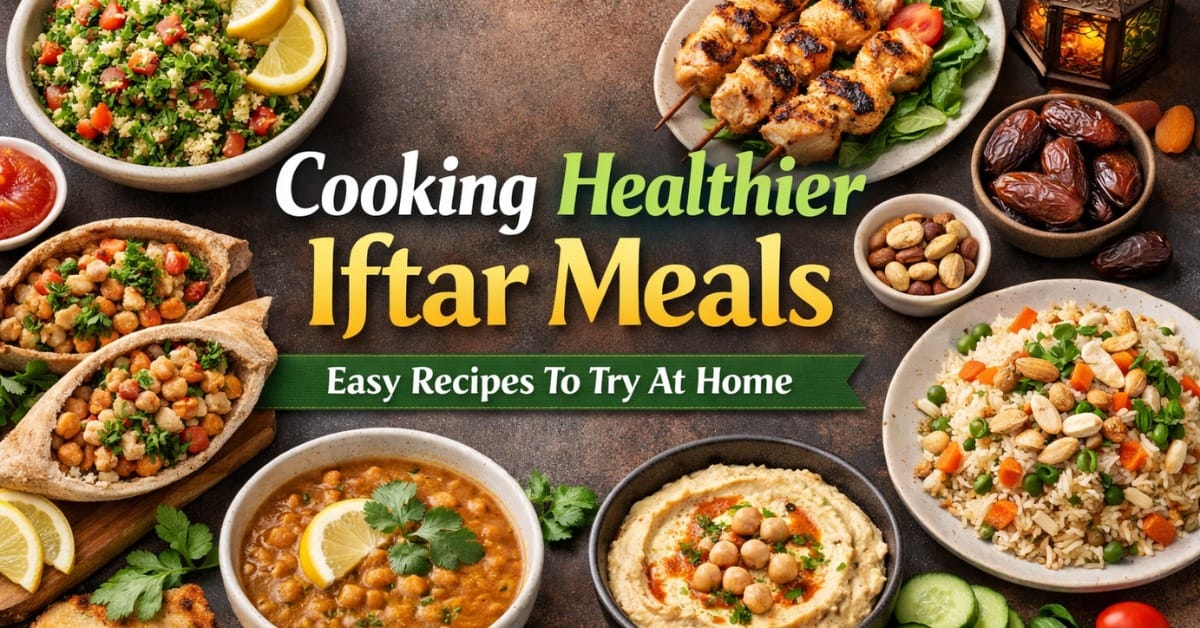
Cook healthier iftar meals, which means you’re planning a balanced plate with fiber, lean protein, and slow carbs that stabilize energy post-fast. You eliminate the excess oil, incorporate whole grains, and pack in more greens.
You trade deep-fry for bake, grill, or air-fry. You hydrate with water-dense foods and keep added sugar in check to maintain glucose stability. You use herbs and spices to make it taste good without a lot of salt.
You get quick, affordable eats swaps underneath for consistent progress throughout the month.
Key Takeaways
- Make it a point to eat nutrient-dense foods at iftar so you refuel with balanced plates including lean protein, complex carbs, vegetables, and healthy fats. Cook healthier iftar meals.
- Opt for a healthier iftar by replacing fatty or sugar-filled foods with grilled meats, lentil soup, fruit salads or chia puddings. Choose blood sugar-stabilizing options that give you steady energy.
- Eat mindfully – slow down, serve smaller portions, and turn off any distractions. This makes you more aware of fullness and less prone to overeating.
- Honor tradition with lighter twists on classics using spices like cumin, cardamom, and cinnamon for flavor without excess oil. Prepare family favorites with minimal fat and with plenty of vegetables.
- Hydrate first with water or lightly flavored beverages. Then consume protein, followed by complex carbs, fiber, and healthy fat. Design coverage for nutrients throughout the week.
- Cook healthier iftar meals. Try baking, grilling, steaming, and air frying to reduce the use of extra oil. Stock your freezer with healthy iftar meals for busy evenings. Batch cook proteins, grains, soups, and sauces.
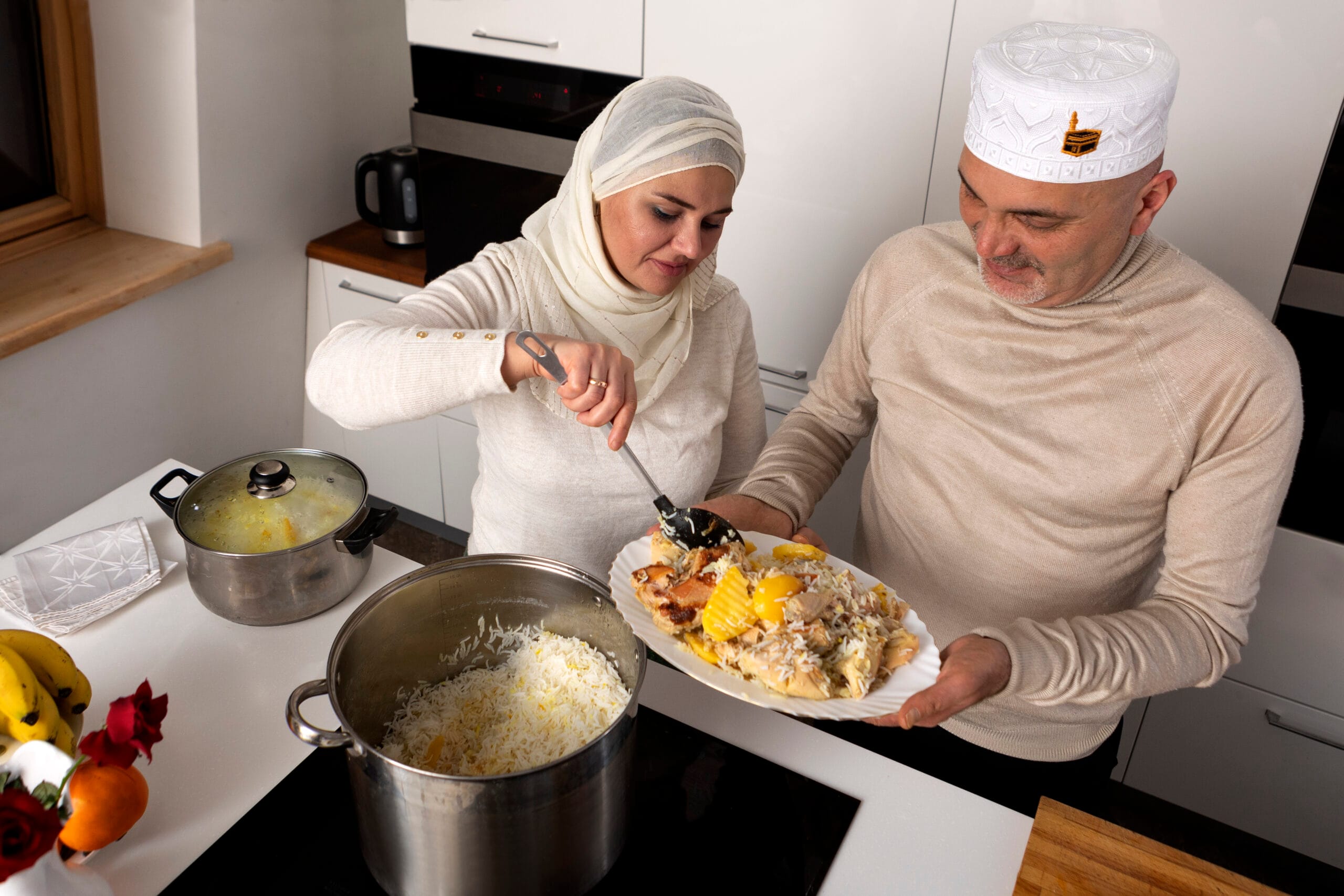
The Philosophy Of A Healthy Iftar
You want consistent energy, clear focus, and calm digestion post-fast. Start with one to three dates and water, then create a balanced plate featuring protein, healthy fats, and complex carbohydrates. Incorporate whole foods like lentils, chickpeas, and greens, along with healthy ramadan recipes to keep you fueled between iftar and suhoor.
Nourishment Over Indulgence
You do best with meals that nourish you and nourish your cells. Trade fried fritters for chickpea soup, lentil stew, or grilled or baked fish with roasted vegetables. Toss in a small whole-grain side, such as brown rice or bulgur, for slow release energy.
Monitor heavy, sugary, and oily foods. Swap syrupy drinks for water or unsweetened herbal tea. Opt for air-fried or oven-baked options instead of deep-fried samosas or pakoras.
Choose choices that stabilize blood sugar. Nuts, oatmeal balls, chia seed milk pudding or yogurt, and quinoa bean salads keep you away from crashes. Fruit and yogurt work well.
For dessert, go light: citrus and berry salad, baked apples, or cardamom date balls. The point is flavor, not a sugar high.
Mindful Eating
The philosophy of a healthy iftar is to break your fast gently. Sip water, snack on dates, take a breath, and proceed to soup or salad. This helps your body ease in and prevents binging.
Serve yourself small portions, like a small serving of rice stuffed chicken or couscous salad, and return only if you’re still hungry. Put phones down, turn off screens and pay attention to flavor, texture and fullness.
Provide a small pause of gratitude. Meals together cultivate nurture and sparingness. Stay hydrated by drinking a lot of water between iftar and suhoor.
Honoring Tradition
Keep core dishes and tune the method. Turkish red lentil soup with olive oil, or Lebanese tabouli heavy on parsley and tomatoes offers fiber and micronutrients. Use cumin, cardamom, cinnamon, turmeric, and garlic to boost flavor without extra calories or salt.
Create family mains—roasted chicken, lamb stew, or fish tagine—with very little oil and lots of vegetables and whole grains on the side. Pass these balanced plates around at your hangouts to establish habits that extend beyond Ramadan.
The philosophy of a healthy iftar is that it nourishes not only spiritually but physically.
How To Build A Balanced Iftar Plate
To build a balanced iftar plate, aim for straightforward cooking and healthy Ramadan recipes that provide sustainable energy and gentle digestion. Incorporate nutritious meals with fluids, fiber, protein, and smart carbs, while keeping fat and salt in moderation. Let the table below guide you in planning your plate.
| Component | Portion guide | Examples | Notes |
| Fluids | 250–500 ml | Water, coconut water, mint lemonade | Add soup or fruit for extra hydration |
| Protein | 1 palm (90–120 g) or 1 cup beans | Grilled chicken, salmon, chickpeas, lentils | Key for fullness and energy control |
| Complex carbs | 1 cupped hand (1/2–1 cup cooked) | Brown rice, bulgur, whole grain flatbread, sweet potato | Pair with protein |
| Vegetables | 2 fists | Mixed salad, steamed veg, roasted aubergine | High fiber for digestion |
| Healthy fats | 1–2 thumbs | Olive oil, avocado, nuts, tahini | Keep portions small |
| Fruit or dried fruit | 1 fist or 2–3 pieces | Orange, dates, berries, dried apricots | Fast energy, fiber if whole |
1. Start With Hydration
Break your fast with water first. Coconut water or homemade mint lemonade work if you need electrolytes.
Add hydrating foods: watermelon, cucumber, citrus, or a light fruit plate. Ditch the sodas and sugary boxed juices.
Opt for fruit-infused water or a light yogurt smoothie. Continue sipping water throughout the night to hit 1.5 to 2.0 liters.
Add a small soup, such as Moroccan veggie or lentil, to warm the gut and assist digestion.
2. Prioritize Protein
Make protein the anchor: grilled chicken skewers, chickpea patties, salmon, or beef seekh kebabs.
Top with a yogurt starter or tahini-yogurt sauce for additional protein and cooling qualities.
Rotate options: baked fish, masala lamb bowls, paneer tikka, or red lentil kofte. Batch cook chicken curry or spiced beans to breeze through weeknights.
3. Add Complex Carbs
Replace white carbs with brown rice, bulgur, barley bread or whole grain flat bread.
Use comforting soups with lentils or beans for slow release carbs. Keep a list: sweet potatoes, oats, quinoa, freekeh.
Carbs alone will cause a crash, so always pair carbs with protein to steady energy.
4. Fill With Fiber
Pile salads high with leafy greens, cherry tomatoes, carrots, herbs, and lemon-olive oil.
Add chickpeas or black beans to soups and stews. Offer roasted aubergine, grilled zucchini or spinach falafels.
Opt for whole fruit as your dessert. Cut back on the sweets to preserve energy and heart health.
5. Include Healthy Fats
Drizzle olive oil, add avocado or top dishes with almonds, pine nuts, or sesame.
Incorporate tahini or nut butters into dips, sauces, or energy bites. Trade butter for oils and keep your fat portions small to avoid heaviness.
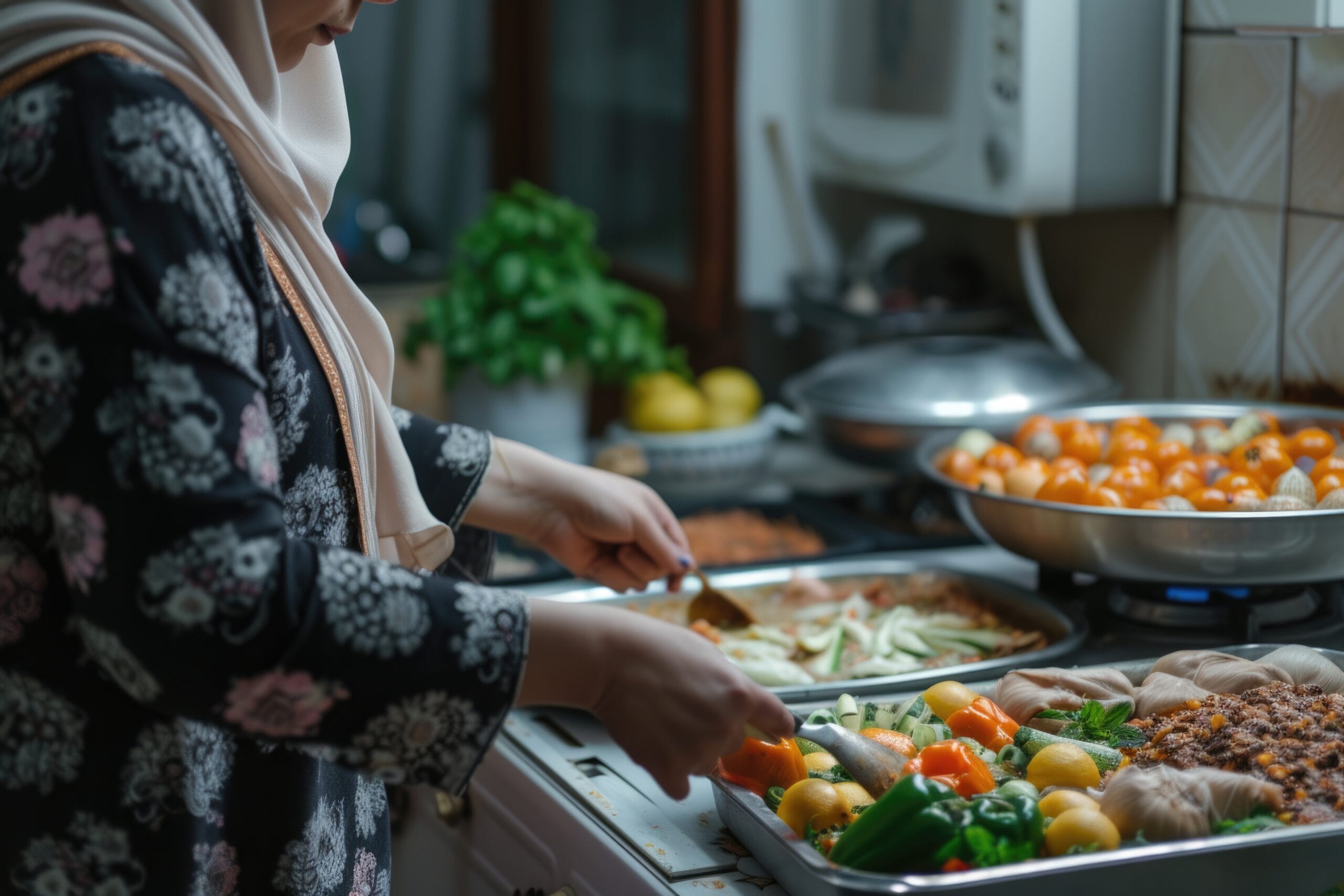
Smart Swaps For Traditional Favorites
Go for smart swaps that pack nutrition but maintain core flavors. Find the guilty culprits: white rice, white bread, deep-fried things, refined sugar, and full-fat dairy, and swap them for whole grains, air-fried bites, natural sweeteners, and lighter dairy.
These simple switches can increase fiber, stabilize energy, and keep portions in control while maintaining classic flavor.
Traditional Vs. Healthier Substitutes
- White Rice → brown rice, quinoa, bulgur
- White Bread → whole grain flatbread, barley bread
- Deep Frying Oil → baking/air frying
- Butter/Ghee → olive or avocado oil
- Refined Sugar → dates, honey, maple syrup, coconut sugar
- Regular Potatoes → sweet potatoes
- All-Purpose Flour → almond flour
- Milk Chocolate → dark chocolate
- Full-Fat Yogurt → low-fat or coconut yogurt
Encourage new recipes that feel authentic: upgrade Muhammara with sumac, lemon juice, pomegranate molasses, and even TNT Prawns with yogurt sauce to thaw stuffed kousa faster.
Make a dessert using thick coconut milk, jaggery, and crushed cardamom. Batch-prep lighter samosas that are air-fried, hummus, fruit compotes, and oat-date bars for the week.
Grains
Swap white rice in pilaf for brown rice or bulgur to add more fiber. Quinoa plays well in couscous salads. It cooks quickly and takes spice really well.
Whole grain flatbread or barley bread trump white bread for sustained energy. Sprinkle oats in overnight oats with chia, cinnamon, and diced dates, or fold oats into a quick cardamom crumble for fruit.
These grains aid digestion and enable you to feel full on less.
Sweeteners
Dates, honey, maple syrup, or coconut sugar in cakes, ma’amoul, or syrups. Smart swaps for your favorite classics.
Psst – ditch BFFs! Go for a mango-mint lassi with less sugar or a berry smoothie with yogurt. Finish with fresh fruit or warm compote atop almond-flour shortbread.
Dark chocolate shards add depth without excess.
Fats
Bake or air fry samosas and Pakistan tea snacks. Spray with oil for crispy edges. It’s about smart swaps for old favorites.
Cook with olive or avocado oil and low-fat or coconut yogurt for cream. Think nuts, seeds, and olives first because they add good fats and crunch.
Sweet potatoes crisp beautifully with less oil and add vitamin A.
Proteins
Choose lean beef roasts, skinless chicken, or fish for roast or spiced tuna kebabs! Plant proteins such as chickpeas, lentils, and tofu work into stews, salads, or kebabs.
Reduce red meat and fill plates with greens and beans. Think smart swaps for old-school favorites like boiled eggs, hummus cups, and yogurt parfaits prepared for steady post-fast fuel.
Gluten-free or vegan swaps keep dishes inclusive without sacrificing taste.
Healthier Cooking Methods To Adopt
Opt for techniques that trim oil, preserve nutrients, and maintain easy prep once the long fasts end. Incorporate healthy Ramadan recipes featuring lean protein and complex carbs for nutritious meals to stabilize energy into the following day.
Baking
Use baking for crisp texture with little oil. Bake chicken thighs, salmon, or veggie patties on parchment and brush 1–2 teaspoons of oil per tray. A convection microwave oven speeds heat circulation, so food cooks fast and stays moist with less fat.
For snacks, bake homemade granola with oats, nuts, and a light honey drizzle, or set an almond halwa in a low oven to finish without extra ghee.
Scale up: tray-bake stuffed peppers, a mild vegetable curry in a casserole, or mixed root veg (sweet potato, carrot, beet) for meal prep. Add brown rice or bulgur to the oven in covered dishes for hands-off grains that reheat well.
Season with paprika, cumin, coriander, and lemon zest to lift flavor without extra salt or sugar.
Air Frying
Air-frying delivers a deep-fry vibe with a fraction of the oil. Samsoas, halloumi fries and falafel turn crisp on the outside and remain soft on the inside. Quick fixes include chicken seekh kebabs or spiced veggie bites that need only a light spray.
Reheat leftovers to revive crunch, not add new calories. For snacks, experiment with sweet potato wedges or chickpea fritters and complement with yogurt-tahini sauce.
Steaming
Steam broccoli, carrots, green beans, or spinach to retain vitamins, color, and bite. Steam tender fish fillets or chicken breast with ginger, garlic, and chili, with no added fat.
Batch-cook brown rice or quinoa in a steamer basket, cool, then box for quick bowls. Throw some steamed vegetables into salads, grain bowls, or serve as sides with olive oil and herbs.
Grilling
Grill lean meats, firm fish, paneer, or mixed vegetables for smoky flavor with very little oil. For juicy skewers, marinate chicken or lamb in yogurt, garlic, and warm spices.
On weeknights, prepare paneer tikka, chicken quesadillas on a grill pan, or zucchini and mushroom sticks that cook fast. Accompany with yogurt dips, fresh herb chutneys, and large salads.
Incorporate oatmeal at suhoor and brown rice or sweet potato at iftar for slow, steady burning energy. Schedule batch cooks and save leftovers to reduce stress and promote healthier choices.
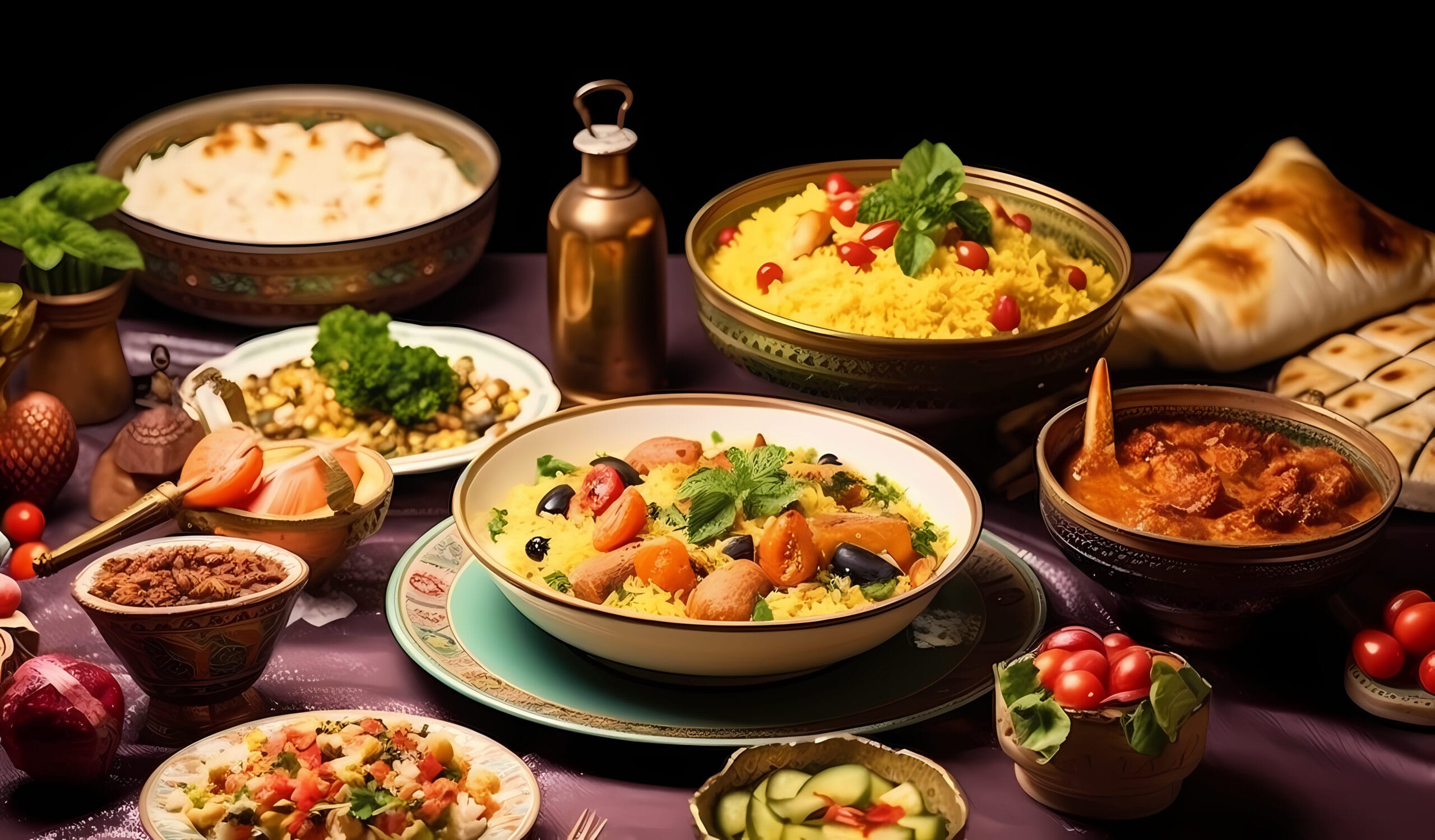
Nutrient-Rich Iftar Meal Ideas
You require level energy, not sugar rushes. Construct your healthy iftar meal with complex carbs, lean protein, and healthy fats, incorporating nutritious meals filled with fresh, seasonal goods for peak flavor and nutrients. Sip water with your meal to rehydrate.
During the holy month, many families look for middle eastern dinner recipes that are easy to make and quick and easy to prepare after a long day of fasting. A flavorful shawarma paired with a light side dish can be part of a smart make ahead meal plan, especially when a food processor helps speed up prep time. These recipes to make not only simplify busy evenings but also support the benefits of fasting, as fasting helps improve digestion and overall health benefits while meals that are balanced and nourishing keep you feeling satisfied and energized.
Energizing Soups
Start with hot bowls that are light but filling. Turkish red lentil soup is a strong pick. It brings protein, fiber, iron, and B vitamins. Moroccan-style chickpea soup works well too, with tomato, carrot, cumin, and a squeeze of lemon for brightness.
Use homemade chicken stock if you’re a carnivore or strong vegetable stock if you’re not. Sprinkle with onion, celery and greens for added depth. Grains such as bulgur or brown rice or lean proteins such as shredded chicken or white fish transform soup into true sustenance.
Top with parsley, mint, or lemon juice. Pair with a small side of whole-grain flatbread for some complex carbs.
Lighter Appetizers
Keep appetizers small. Hummus, baba ganoush, or fresh salsa with cucumber sticks, radish, and whole-grain crackers set a wise rhythm.
Tabouli with a ton of parsley, mint, tomato, lemon and a little bulgur tastes bright and hydrates you. A vegan salad bowl works: try a spinach falafel and hummus bowl with cherry tomatoes, olives, and a drizzle of olive oil.
Throw in some protein-packed bites for good measure. Bake chana patties or samosas with peas and aloo, not fried. A few pecan-stuffed dates can round this out.
Nuts contribute healthy fats and dates provide quick carbs without overdoing it.
Wholesome Mains
Aim for balance: roasted chicken with charred squash and spiced lamb on the side for guests, or a simple vegetable curry with lentils or beans for a one-pot plan. Fast are couscous salad with chickpeas, roasted peppers, herbs and lemon, and Turkish lamb stew or an easy lamb tagine, which can be batch-cooked and then reheated throughout the week.
Combine whole grains such as brown rice, quinoa, and whole-wheat couscous, legumes like lentils and beans, and heaps of vegetables.
Sprinkle in fish, chicken, or tofu for protein. This combo provides complex carbs, protein, healthy fats, fiber, and essential micronutrients. Have water on the table, and hydrating fruits and vegetables fulfill some of your fluid requirements.
Planning Your Weekly Iftar Menu
You want to eat well with nutritious meals, save time, and cut stress. A weekly menu featuring healthy Ramadan recipes keeps you energized and controls costs during your fast.
Rotate Proteins, Grains, Vegetables Weekly Balance
Start with a simple frame: soup, salad, main, fruit, drink. Rotate your proteins for the week—fish, beans, eggs, tofu, chicken or lean beef—so you get your iron and omega 3s covered.
Swap grains such as brown rice, bulgur, quinoa or whole-wheat couscous for sustained energy. Include both cooked and raw vegetables for fiber and micronutrients.
Sample week: lentil soup, fattoush, baked salmon with bulgur; tomato soup, cucumber salad, chickpea tagine with quinoa; carrot soup, tabbouleh, tofu stir-fry with brown rice. Toss in vegetarian or vegan mains twice a week if that’s your thing.
Have a dessert day, such as a piece of baklava, and plan fruit for most other days. Include hydrating drinks: water, infused water, diluted juice, or unsweetened herbal tea.
Make A Grocery List With Staple Foods
List by zone: pantry (lentils, chickpeas, kidney beans, oats, whole grains, olive oil, spices), chill (yogurt, eggs, firm tofu, cheese), produce (tomatoes, cucumbers, leafy greens, onions, carrots, citrus, bananas, dates), protein (fish fillets, chicken thighs), and extras (nuts, seeds).
Top it off with stuff for classics you cherish—kebabs, biryani, or kabsa—and any plant-based substitutions. A concise list facilitates budget control and prevents last-minute purchases.
Batch Prep Sauces, Dips, And Snacks Early
Prepare big batches of tomato sauce, herb yogurt, tahini lemon dip, and a mild chili sauce. Pre-make salad dressings, roast a sheet tray of mixed vegetables, and cook a pot of lentils or chickpeas.
Portion date-nut balls, slice fruit, and bake whole-grain flatbreads. Keep cooked food at or below 4 degrees Celsius and reheat to at least 74 degrees Celsius.
Keep raw meat separate and label dates.
Use A Planner To Organize Meals And Shopping
Establish a weekly grid with columns for dishes, prep steps, cook times, and leftovers. Mark hydration targets and dessert days to keep things in check.
Track waste to adjust portions next week.
Conclusion
You want iftar that energizes you, satisfies, and feels clean. You now have concrete steps to make that a reality. Construct your plates with fiber, lean protein, and slow carbs. Swap deep fry for bake, grill, air fry, or steam. Go for bold flavor using herbs, lemon, and spices. Limit oil to one to two tablespoons. Throw in some greens and beans. Opt for whole grains such as brown rice or bulgur. For sweet, choose dates, fruit, or yogurt.
Real life swaps help. Swap samosa fry for air fry. Swap white naan for whole wheat roti. Swap creamy kheer for chia pudding with mango. Schedule five nights, flex two.
Little steps add up. Your body will thank you. Want to give one swap a shot this iftar?
FAQ
What should a healthy iftar plate look like?
Aim for balance with healthy Ramadan recipes: half vegetables, one-quarter lean protein, one-quarter whole grains, and healthy fats. Incorporate nutritious meals like fruit and yogurt for added nutrients and hydration. Start with water and one to two dates for gentle energy.
How can you reduce oil without losing flavor?
Instead, bake it, grill it, air-fry it, steam it, or sauté it with a light brush of oil. For a healthy iftar meal, amp up spices, herbs, garlic, lemon, and vinegar for flavor. We found that nonstick pans and oven roasting make for crisp textures.
What are smart swaps for fried favorites?
Exchange deep-fried samosas for baked or air-fried ones. Opt for whole-grain flatbreads and healthy snacks like hummus salad bowls. Choose lentils or beans rather than processed meats for nutritious meals.
How do you manage sugar cravings after fasting?
Break fast with dates and water, followed by a well-balanced plate featuring healthy iftar recipes. Select fruit, yogurt, or dark chocolate for dessert, and keep meals small while enjoying a nutritious meal prep.
What quick, nutrient-rich iftar meals can you make?
Enjoy nutritious meals like lentil soup with whole-grain bread, grilled chicken recipes paired with quinoa and salad, or a healthy Ramadan recipe featuring tofu and vegetable curry with brown rice.
How can you stay hydrated for evening prayers?
For a healthy iftar, drink plenty of water and incorporate water-rich foods like cucumbers and tomatoes, along with a nutritious sour soup for a filling meal.
How do you plan a weekly iftar menu?
Batch-cook your proteins and grains, incorporating healthy Ramadan recipes like rice stuffed chicken or a nutritious chia oat cereal. Prepare veggies and sauces while alternating cuisines to prevent boredom, ensuring a delicious budget lunch option.