Yes, it can come and go. You might experience a dull ache when you stand for long hours, lift something heavy, cough, or strain when you take a bowel movement. The pain typically subsides when you lie down or press the area with your hand.
A small lump might pop up, then disappear, and the area can be tender or burning. To figure out the cause, location, and risk, you need clear symptoms, timing, and red flags. The guide below dissects that step by step.
Key Takeaways
- Since hernia pain can come and go with movement, position, and daily activities, keep a record of when it flares. Just because the pain isn’t constant doesn’t mean it’s not serious.
- Lifting, straining, or coughing can cause pressure spikes that worsen pain, while relieving pressure may provide temporary relief. Repeated strain can push symptoms to advance.
- Nerve irritation can result in sharp, shooting, or burning pain that fluctuates with movement. Pay attention to any tingling or numbness and communicate this information to your clinician.
- Standing for long or exercising may induce symptoms while lying down can alleviate them. Modify activities, switch positions, and identify patterns to avoid flares.
- Be on the lookout for red flags like abrupt severe pain, skin discoloration over the bulge, fever, vomiting, or rapid heart rate. If these show up, get emergency medical attention.
- Treat pain with lifestyle modifications, properly fitted support garments and medical advice. Pain that doesn’t go away or is severe usually needs to be checked for potential surgical repair.
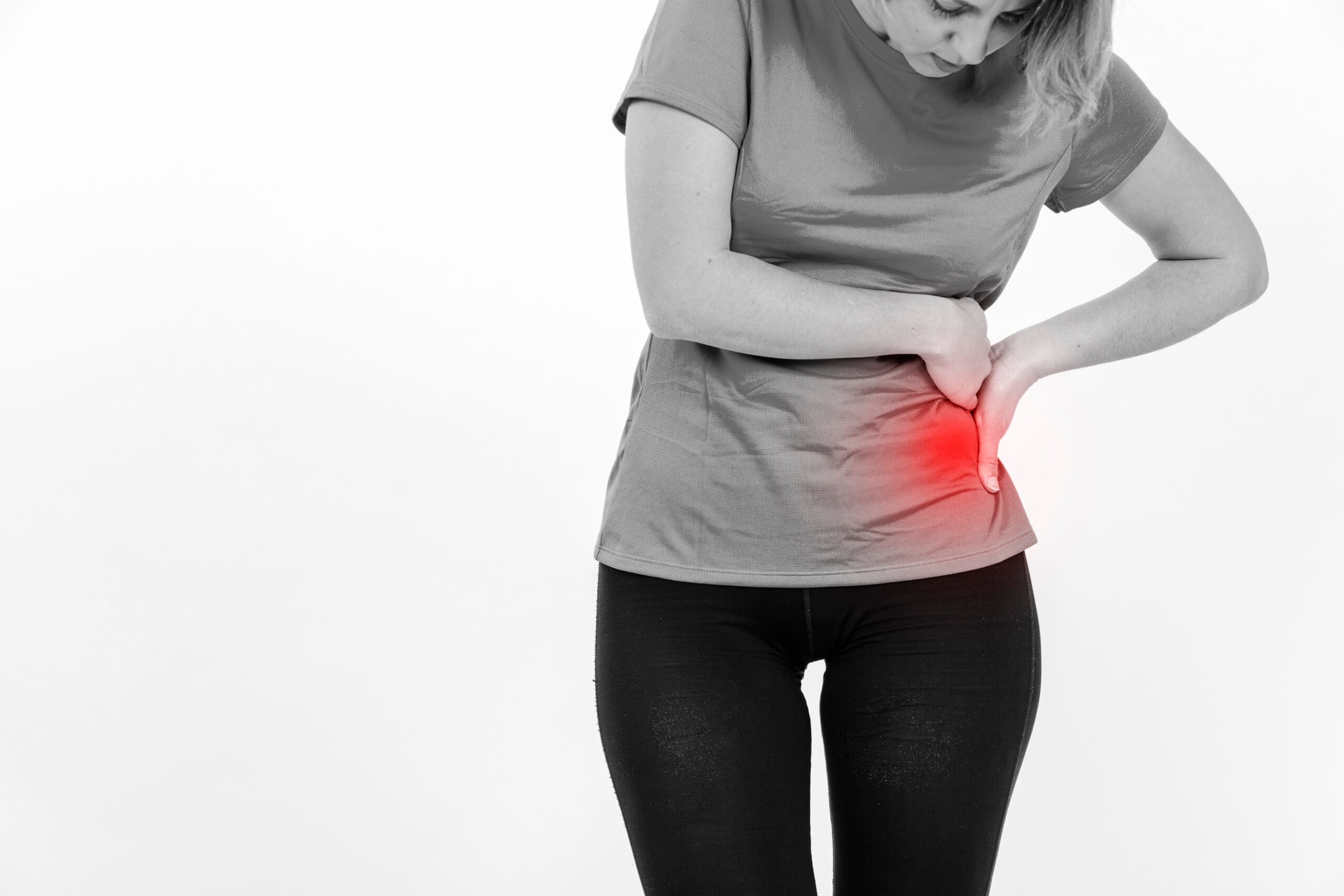
Why Does Hernia Pain Fluctuate?
About the hernia, the pain keeps coming and going. You might sense a dull ache, pressure, pulling, or a sharp pinch when the hernia “pops out” and then lessens as it slides back. Pain often increases late in the day or after prolonged standing.
It surges with activities that increase abdominal pressure, such as lifting, coughing, laughing, or bending. Intermittent pain does not exclude a serious problem. The pattern, provocateurs, and persistence can inform diagnosis.
1. Tissue Pressure
When pressure within your abdomen increases, tissue can press through the hernia opening and cause pain. This typically occurs when you lift, push during a bowel movement, or sneeze violently.
Relieving that pressure by lying down, providing tender support with a hand, or using calm breathing will reduce the pain temporarily. These are quick solutions.
When exposed to repeated pressure spikes, the defect can stretch and symptoms can worsen over time with more frequent bulging and a heavier dragging sensation.
2. Nerve Irritation
It can press on nearby nerves and trigger sharp, shooting pain. You can experience tingling, numbness, or a burn around the bulge.
Nerve pain is capricious. It can flare with a twist, a cough, or when you stand still. It then fades when you change stance or lie flat.
Some moves, such as quick twists or deep bends, activate it more than gradual rocking.
3. Physical Activity
Activities such as exercise, quick pivots, or core-intensive labor can trigger or intensify pain. Record what drills or activities, such as squats, sprints, or long walks, put it in motion.
Cut or swap moves, slow down, and add breaks. Ignoring pain with activity can increase the risk of incarceration or skin changes.
4. Internal Position
What drives the intensity of hernia pain is what lies in the herniated tissue. Lying down can allow the bulge to retract and provide pain relief.
Extended periods of standing or sitting can amplify groin pain late in the day. Shift your weight, change your posture, or lie on your back with your knees bent.
5. Inflammation Cycle
Irritation around the hernia swells, then settles, so pain flares come and go. Overuse, a small strain, or a cough can light the fuse.
Persistent swelling, heat, or redness of the skin may indicate strangulation or obstruction and should be evaluated immediately.
Hernia pain can mimic a muscle strain, but a strain tends to follow a distinct twist or effort and dissipates within weeks, whereas a hernia leaves a recurring bulge that never clears itself.
Different Hernias, Different Pain
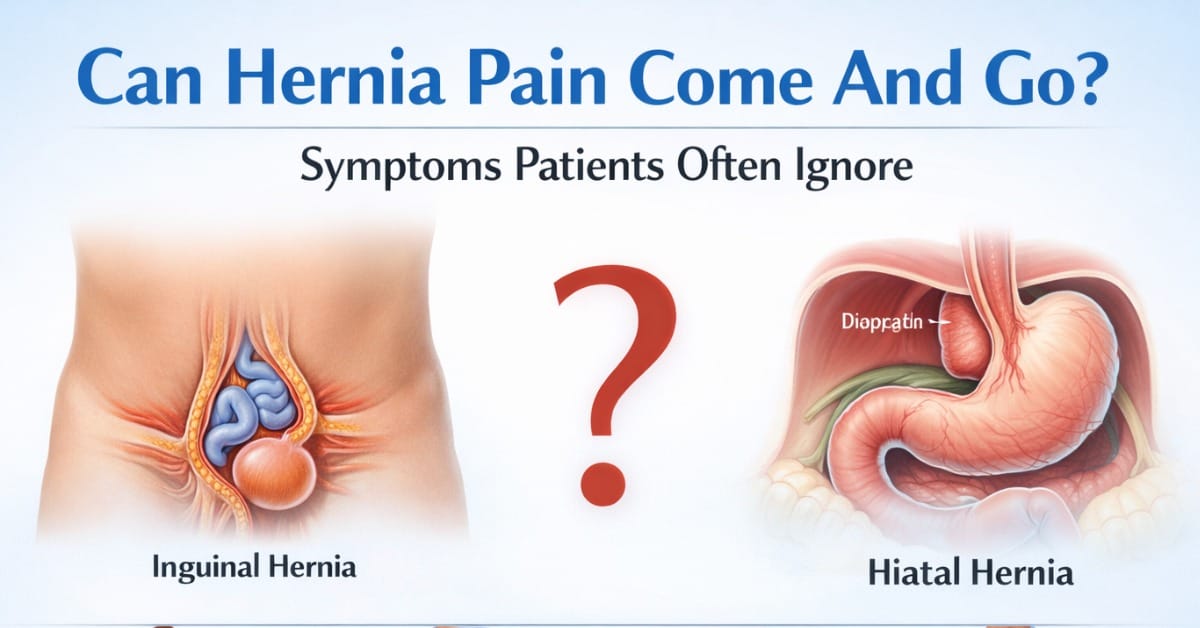
Pain associated with different hernia symptoms varies significantly. For instance, inguinal hernia symptoms may cause discomfort that spikes with activity or eating, while others can be constant. Understanding your specific type helps anticipate triggers and schedule appropriate hernia repair care.
| Hernia type | Typical pain pattern | Triggers | Relief | Notes |
| Inguinal | Groin ache or sharp twinge; may radiate | Cough, lift, stand, end-of-day soreness | Lie down, gentle support | ~75% of hernias; bulge common; many choose surgery |
| Hiatal | Chest burn, pressure, sour taste | Large meals, bend, lie flat | Smaller meals, upright posture | Mimics reflux; often intermittent |
| Umbilical | Belly button tenderness, pressure | Cough, laugh, strain | Rest, reduce strain | Second most common; bulge often visible |
| Incisional | Localized pain at the old scar | Activity, pressure on site | Rest, support garment | Scar tissue adds pull and sting |
Inguinal
You experience groin pain that intensifies with movement. It can shoot into the thigh or the scrotum if you’re male, and the bulge is frequently the first tip-off.
Coughing or lifting increases that pressure and makes the pain spike. Lying down allows the bulge to soften and the pain to subside.
Inguinal hernias account for approximately 75% of all hernias, and the pain can persist for years without incarceration. They won’t just leave.
Eighty-five percent opt for surgery and most men will require it within a decade.
Hiatal
Hiatal hernias cause chest pain or heartburn frequently following food intake. The pain may imitate reflux or indigestion.
Bending over or lying flat usually makes it worse. The pain is typically intermittent and related to eating.
Umbilical
You experience pain or tenderness at the umbilicus. Small hernias can remain quiet until you grab something heavy and then they flare up.
Coughing, laughing, or lifting can increase the pain. A bulge is more likely to present during these bouts.
Umbilical hernias are the second most common after inguinal hernias.
Incisional
Pain sticks in and around a previous incision and can flare up with motion or pressure. Scar tissue can tug on surrounding tissue and contribute to the ache, so pain can be consistent some days and intermittent other days.
Activity can trigger a sharp twinge, and you may be more sore at the end of the day.

What Pain Mimics A Hernia?
A number of conditions can simulate a hernia. You have to figure out what sets it off, where it is located, and what it looks like on the surface. This can delay appropriate therapy.
Checklist:
- Do you notice a lump that grows in size when you cough or strain?
- Does the pain increase with lifting and then subside when you lie down?
- Any tingling, numb spots, or shooting pain?
- Any link to meals, gas, or bowel changes?
- Any bulge in the scrotum without bowel symptoms?
- Any recent sprint, kick, twist, or heavy lift?
Consider: a groin strain, abdominal wall defects like diastasis recti, hydrocele, kidney stones, hip joint issues, and nerve entrapment. In older adults, hernias are more common and often missed. One colorectal and GI surgeon notes: in older adults, it’s usually a hernia; in younger athletes, it’s often a groin strain.
Muscle Strain
What pain mimics a hernia? A groin strain often strikes the upper inner thigh (adductor longus). It can be a dull ache, a burn, or heaviness when you stand. A pivot or abrupt change in direction can yank or tear the muscle or tendon.
Pain from strain often follows hard work, such as sprinting, lifts, long stands, or a hard kick. You may remember a pop. It would flare with side steps or stairs.
Hernia pain can mimic strain pain. There is no actual protrusion.
Nerve Issues
Pinched or irritated nerves can masquerade as hernia pain. Ilioinguinal, genitofemoral, or obturator nerves can ignite blazing streaks of pain in the groin or inner thigh.
You could notice tingling, numb zones, or zaps. Pain may vary with posture, cough, or hip bend. There is generally no swelling. A nerve block test can help confirm.
Digestive Problems
Gas, constipation, and irritable bowel syndrome can create crampy lower abdominal pain that waxes and wanes. It can puff up following a meal and subside following a bowel movement.
What pain mimics a hernia? Bloating or tightness can feel like hernia pressure, but there is seldom a lump.
Abdominal wall defects, such as diastasis recti, can resemble a midline ridge, but are not true hernias. About: What pain mimics a hernia. Hydrocele: Scrotal swelling mimics a hernia in men.
When Pain Signals Danger
You can have intermittent hernia pain that may indicate serious complications.
- Suddenly, sharp pain that builds fast
- Pain that fails to relieve with rest or positional change.
- New, hard bulge you cannot push back in
- A bulge similar to the one described above that changes color or size within minutes to hours.
- Skin over the bulge turning red, purple, or dark
- Swelling with warmth or skin that feels tight
- Fever, chills, nausea, vomiting, or fast heartbeat
- Pain after long hours of standing, walking, or lifting
- Pain that worsens by day’s end or with bending
- A bulge that appears when you stand, cough, or lift and disappears when lying down.
Sudden Intensity
A sudden jump in pain can signify the hernia is trapped (incarcerated) or the blood supply is compromised (strangulated). This frequently comes on without warning while lifting, after a prolonged day on your feet, or after coughing.
Intense pain that doesn’t subside when you lie down, switch sides or prop up the region is a red flag. If the bulge becomes hard and won’t subside with gentle, consistent pressure, consider this an emergency.
Delays increase the risk of bowel obstruction, necrosis, sepsis and emergency surgery.
Color Change
Skins that turn red, purple, or dusky over the bulge is indicative of low blood flow or infection. You could experience heat, swelling, or stretched-looking skin.
Any sudden color change or a quick leap in size requires same-day attention. If the bulge won’t go back in, the risk of strangulation increases and time is of the essence.
Systemic Symptoms
Fever, nausea, vomiting, chills or a fast heartbeat indicate infection or bowel involvement. These are frequently accompanied by marked localized pain and a tender, fixed swelling.
Vomiting along with severe groin or abdominal pain could signify blockage. If left untreated, it can cause sepsis and life-threatening complications.
Early diagnosis and scheduled care reduce the risk of a crisis.
The Mind-Body Pain Connection
Hernia pain isn’t just about a noticeable bulge; it also involves various factors such as your brain, stress level, sleep, and gut state, which can amplify or lessen hernia symptoms.
Stress And Anxiety Can Intensify Hernia Pain
Stress activates the fight-or-flight reaction. Your heart rate rises, muscles tense, and stress hormones increase. This shift can amplify inflammation and pain sensitivity, which is why a light pull near your hernia may sting during elevated-stress days.
Anxiety likewise yanks your attention to danger. In the scan of your body for danger, normal signals are flagged as pain. Imagine a long day at the office, no lunch break, and a narrow waistband. Come evening, that same little bulge can hurt more, despite nothing new having occurred in the tissue.
Emotional Health Affects Symptoms And Pain Tolerance
Pain is screened through mood and past events. Low mood drops the pain threshold, and anxiety or fear tenses muscle guard, which can compress the hernia site. Neuroplasticity means your brain can rewire how it reads signals.
After a bad flare, your system can learn to “turn up” alerts, making short re-strains feel massive. Past trauma can prime this loop, so stress in your life now can reverberate as elevated pain.
Use Relaxation Techniques To Manage Pain
About the mind-body pain connection. Use short, steady tools you can repeat. Try diaphragmatic breathing: inhale for 4 seconds and exhale for 6 to 8 seconds for 5 minutes.
Couple this with a body scan to melt the groin wall. Mindfulness meditation trains this non-reactive focus; try a 10-minute guided track. Soft yoga that does not involve intense core pressure can relax the guard and promote sleep.
CBT skills reframe ‘this will burst’ thinking to ‘this is a surge; I can pace and rest.’ Track triggers: poor sleep, tight belts, large meals, and constipation. Enhance gut health with fiber, fluids, and diverse foods, as dysbiosis can increase pain sensitivity.
Address Both Mental And Physical Pain
To treat the hernia and the system surrounding it, focus on managing hernia symptoms effectively. Support sleep with a regular schedule in a dark room, and manage strain by lifting with knees and eating smaller meals to reduce abdominal pressure.
Additionally, apply mind-body care daily, as tiny, consistent inputs can remold pain and help alleviate discomfort associated with conditions like inguinal hernias or hiatal hernias.
How To Manage Your Pain
Hernia pain can be intermittent as tissue protrudes through a muscular weakness, leading to noticeable bulges that may recede. To manage your discomfort, track what triggers it, allowing you to reduce abdominal pressure and plan your day effectively by incorporating home care, lifestyle shifts, and medical care when necessary.
- Record pain timing, triggers such as lifting, coughing, and large meals, and severity ranging from zero to ten.
- Reduce strain: Brace when you cough, avoid heavy loads, and use proper posture.
- Apply heat or ice for 15 to 20 minutes a few times a day. Wrap packs in a light towel.
- Try short cold sessions. Only 10 to 15 minutes, a few times a day, really cuts swelling.
- Eat small, regular meals; limit foods that bloat.
- Use a properly fitted hernia belt when you are active, not when you sleep.
- Seek care immediately for sudden, severe pain, vomiting, or a firm, tender bulge.
Lifestyle Changes
Maintain your weight in a good range to reduce belly pressure that pushes tissue out. Even a small loss can smooth daily aches. Avoid heavy lifts, high-strain core moves, and extended standing if they trigger pain. Use your legs, not your back, for any required lift!
Turn to mini-meals. Gas and bloating stretch the region and may initiate stabbing pain. Drink water, add fiber, and watch triggers like carbonated drinks.
Do gentle exercise: walking, cycling on low resistance, or light pelvic tilts. Gradually, develop core with safe moves recommended by your clinician. Lifestyle shifts won’t cure a hernia but they frequently stabilize symptoms and allow you to stay on top of work and household responsibilities.
Support Garments
A hernia belt or truss will afford temporary relief by exerting uniform pressure. It whips the bulge around when you’re moving. Fit matters: measure your waist/hip line and test comfort while you sit, stand, and walk.
Don’t lean on a belt as your sole remedy. It’s a bridge, not a cure, and overuse can camouflage intensifying pain.
Medical Options
Persistent or severe pain, often a sign of inguinal hernia symptoms, usually requires medical care. A few individuals may delay hernia surgery for months or even years with strong symptom control, but increasing pain indicates it is time to fix.
| Treatment | What it is | Pros | Cons |
| OTC pain meds | Acetaminophen, NSAIDs | Quick, low cost | Stomach, kidney, bleeding risks |
| Topicals | NSAID gels, lidocaine | Local relief | Mild, short-lived |
| Injections | Nerve/trigger point | Targeted relief | Temporary, not common |
| Watchful waiting | Monitor, manage strain | Avoids surgery risks | Bulge may grow; pain may persist |
| Laparoscopic/robotic repair | Small cuts, mesh is often used | Less pain, faster recovery | Mesh risks, recurrence |
| Open repair | Larger cut, mesh, or tissue | Good for complex cases | Longer healing time |

Conclusion
Can hernia pain come and go? One day, you could experience a dull tug, then a sharp burn the next. Triggers often look clear: a long sit, a hard lift, a big meal, or a cough spell. Patterns tell you a lot. Monitor time, location, and your activities prior to the onset of pain. Brief notes assist your doctor in distinguishing the origin from imitators such as groin strain or reflux.
To cut flares, make smart moves. Lift with your legs, not your back. Break up sits. Consume small, light meals. Wear a light brace during strenuous work. Get care immediately for a hard bulge, red skin, fever, or vomiting.
Need a fast next action? Save the pain log template, schedule a check-in, and bring your notes to your appointment.
FAQ
Can hernia pain come and go?
Yes, hernia symptoms can vary, often coming and going. They may worsen with activities like standing, lifting, or coughing, especially after meals, and tend to ease when resting or lying down. If you experience new, severe, or persistent pain, it’s crucial to seek a healthcare provider for a proper hernia diagnosis.
Why does my hernia hurt more at certain times?
It’s pressure changes that bring on hernia symptoms. Straining, heavy lifting, constipation, or a full stomach can all push tissue into an inguinal hernia, causing discomfort. Rest, gentle support, and avoiding triggers can help reduce flare-ups.
Which hernias are most likely to cause on-and-off pain?
Inguinal hernias and umbilical hernias often cause discomfort or a pulling sensation that fluctuates. Hiatal hernias may result in chronic acid reflux and chest pain after meals. Femoral hernias are often subtle yet pose serious complications; any groin pain with a noticeable bulge needs evaluation.
What conditions can mimic hernia pain?
Muscle strains, groin tendonitis, kidney stones, ovarian issues, endometriosis, and gastrointestinal problems can all masquerade as hernia symptoms. A clinical exam and imaging tests can corroborate the diagnosis and inform treatment.
When is hernia pain an emergency?
Go to urgent care for sudden, severe pain, a noticeable bulge, nausea, vomiting, fever, or a bloated belly, as these hernia symptoms can indicate incarceration or strangulation, which require urgent intervention.
Can stress make my hernia pain worse?
Yes. Stress can increase pain and muscle tension, potentially leading to noticeable bulge signs of an inguinal hernia. Poor sleep and anxiety exacerbate hernia symptoms, while breathing exercises, gentle movement, and good sleep habits may help you deal.
How can you manage hernia pain at home?
If you have a hernia, especially an inguinal hernia or umbilical hernia, try to do the following: avoid heavy lifting, treat constipation, wear a truss if recommended, control your weight, and eat smaller meals. OTC pain relief can assist in the short term. These measures don’t cure a hernia; visit a healthcare provider for a long-term strategy.