Anal Fissure treatment includes self-care steps, prescription creams, and minor procedures that help you heal and cut pain.
You learn signs like sharp pain, bright red blood, and spasms.
You get clear paths: warm sitz baths, fiber intake of 25 to 35 grams per day, two to three liters of water, and stool softeners.
You may use topical nitroglycerin or calcium channel blockers.
Chronic cases can need Botox or lateral internal sphincterotomy.
You find what fits your case and timeline next.
Key Takeaways
- You can often heal an acute anal fissure with conservative care that softens stools and relaxes the sphincter. Start fiber-rich meals, drink at least 2 liters of water daily, and take warm sitz baths after bowel movements.
- Apply your prescription topical treatments, as they will reduce spasm and pain. Discuss with your healthcare provider the possibility of using diltiazem or nitroglycerin ointment. Use stool softeners to make bowel movements less painful.
- You must break the pain and spasm cycle to accelerate healing. Keep a regular toilet schedule, don’t strain, and address constipation or diarrhea immediately.
- You should seek medical care if pain or bleeding lasts more than a few days, symptoms worsen, or you notice signs of infection. Get urgent evaluation for severe pain, heavy bleeding, or if you have Crohn’s disease or recurrent fissures.
- You could use Botox or surgery for stubborn, nonhealing fissures. Consider procedures such as lateral internal sphincterotomy or advancement flap with a colorectal specialist to weigh the advantages and disadvantages.
- You can minimize recurrence by supporting healing with daily habits. Maintain a checklist for fiber and fluids, gentle hygiene, timely BM’s, and early warning signs such as ‘renaissance’ sharp pain or bleeding.

Understanding The Tear
An anal fissure is a small cut in the lining of your anal canal that often causes sharp pain during a bowel movement. The tear exposes raw tissue and nerve endings in the anoderm, the thin skin just below the dentate line. As a result, you may see bright red blood on toilet paper and feel a burning sting that can last minutes to hours.
Fissures can happen at any age and are a common source of anal pain and rectal bleeding, with an estimated 240,000 to 342,000 new cases yearly in the US. Acute fissures last under 6 weeks. Chronic fissures persist beyond 6 weeks and often come with a sentinel skin tag and hypertrophied anal papillae.
The Symptoms
- Sharp anal pain during a bowel movement, often severe
- Pain that lingers for minutes to several hours afterward
- Bright red bleeding on stool or paper
- A small split you may feel at the anal edge
- Spasm or tightness of the anal sphincter
- Itching or burning around the anus
- In chronic fissures, a sentinel skin tag or external wound
The Causes
Hard stools and constipation are the number one culprit. Straining and bulky, dry stools stretch and rip the anoderm, which is thin and susceptible to microtrauma whenever pressure inside the rectum increases.
Diarrhea and frequent stools may irritate the lining and cause minor tears, particularly during an illness. IBD increases the risk because the inflammation is continuous.
Childbirth, anal intercourse, and existing anal issues like hemorrhoids or polyps may set the stage for a tear. Chronic constipation and poor toilet habits, like long sits, repeated straining, or ignoring urges, make a fissure more likely to persist.
The Pain Cycle
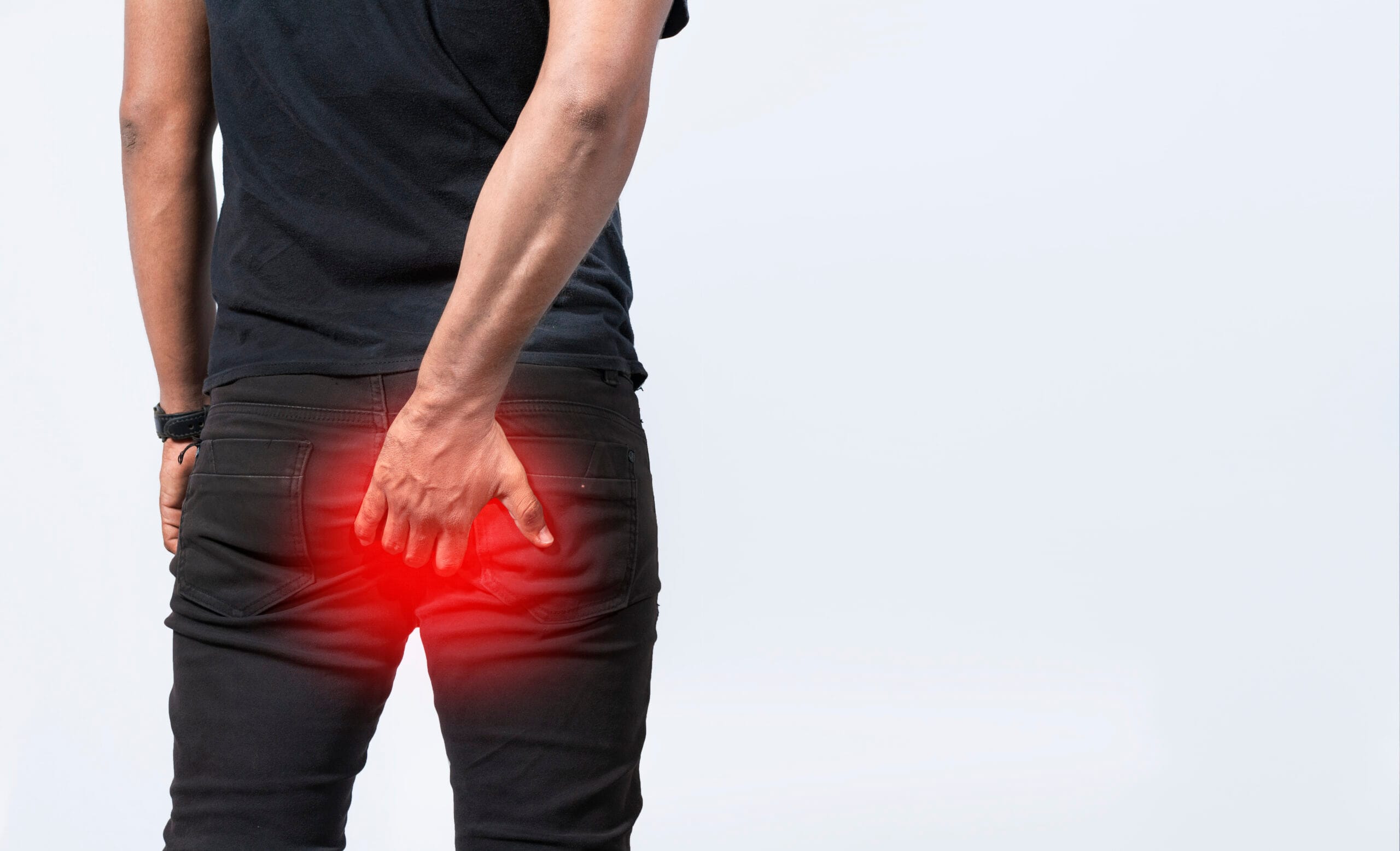
When the anal mucosa tears, the internal sphincter clamps down. This spasm cuts blood flow, slows healing, and keeps the wound tender. You start to fear the next bowel movement, hold stool longer, and it gets harder and drier.
Then the next pass hurts more, the spasm worsens, and healing stalls. Breaking this loop is key. Soften stools with a high-fiber diet or psyllium, keep water intake steady, use a topical anesthetic like lidocaine for short-term pain, and seek care early to avoid fecal impaction.
When To See A Doctor
Visit a doctor if pain, bleeding, or spasm persist past a few days despite sitz baths, stool softeners, fiber, or topical creams. Schedule an urgent appointment for heavy bleeding, severe pain that prevents you from sitting or passing stool, or symptoms of infection such as redness, warmth, swelling, or pus.
See a clinician earlier if you suffer from inflammatory bowel disease, previous tuberculosis, STIs, or a history of chronic or recurrent fissures or fecal incontinence. A fissure persisting longer than eight weeks is typically chronic and requires medical intervention.
Persistent symptoms, hard-to-manage bowel habits such as constipation or diarrhea, or concern for other diseases require evaluation. When conservative care fails, request a referral to a colorectal surgeon.
Diagnosis
Your doctor starts with a focused history, inquiring about symptoms such as anal pain, bleeding, bowel frequency, and stool form, along with any straining or prior anal fissures. They’ll also ask about weight loss, fever, abdominal pain, or family history of colorectal disease. This comprehensive assessment is crucial for identifying possible complications associated with chronic anal fissures.
Next, a visual exam of the anus will be conducted, and when pain allows, a gentle inspection of the anal canal can help spot the fissure and look for skin tags or infection. If pain is high, the exam may be limited or performed after numbing with an ointment. Anoscopy or proctoscopy may also provide a closer look at the anal lining, excluding hemorrhoids and other conditions.
If symptoms are unusual or persist, your doctor may order a flexible sigmoidoscopy or colonoscopy to investigate further for conditions like Crohn’s disease or cancer, ensuring a thorough examination of the anal pathology.
Complications
Untreated or recurrent fissures can become chronic, infected, or form an abscess that then drains into a fistula. Repeated tearing can scar the area, cause fibrosis and sentinel skin tags, and in rare cases, lead to anal stenosis.
You might be experiencing persistent pain, delayed wound healing, and mild soiling that interrupts your life. Surgery cures specific cases, but any incision by the sphincter always holds a minor risk of muscle damage or leakage.
Expert evaluation counts.
Conservative Anal Fissure Treatment
The vast majority of acute anal fissures do heal with nonsurgical care, such as stool-softening regimens and focused creams. Monitoring for 6 to 12 weeks is essential, and you should proceed to anal fissure surgery only if healing plateaus.
1. Dietary Adjustments
Try to get 25 to 35 grams a day of fiber from whole grains, beans, lentils, leafy greens, berries, pears, and oats. High fiber pulls water into stool, reduces strain, and accelerates healing.
Take in a minimum of 2 to 2.5 liters of water daily unless otherwise instructed by your clinician. Herbal teas and weak fruit infusions are included; alcohol is not.
Reduce consumption of spicy foods, alcohol, and caffeine if these exacerbate burning or urgency. Identify your irritants and modify.
High-fiber picks per 100 g include cooked lentils with 8 g, oats with 10 g, chia seeds with 34 g, raspberries with 6.5 g, and broccoli with 2.6 g. Daily fluids: target 2 to 2.5 liters. Rise on hot days or with exercise.
2. Topical Medications
First-line medical care focuses on the internal sphincter. Nitroglycerin (NTG) 0.2–0.4% and diltiazem 2% improve perfusion by relaxing the sphincter. Lidocaine can blunt pain.
Local vasodilators such as NTG frequently assist acute fissures within weeks, and a 3-month regimen can cure many. Apply a pea-sized amount just inside the anal canal with a gloved finger, 2 to 3 times daily and after bowel movements, for 6 to 8 weeks. Wash hands before and after.
Anticipate headaches, flushing, dizziness, palpitations or local sting. If severe, decrease frequency or change agents. Oral nifedipine, with comparable side effects, can be used where topicals fail.
3. Sitz Baths
Warm water baths for 10 to 20 minutes, 2 to 4 times daily and post-defecation. Heat decreases spasm, increases blood flow, and relieves pain.
Employ a clean basin or over-toilet sitz device; dry by patting. You can add a bit of salt or baking soda to increase comfort. Lots of fissures heal in a few weeks with baths, topicals, and diet.
4. Toxin Injections
For cream-resistant chronic fissures, botulinum toxin weakens sphincter spasm and facilitates healing. It is performed in a clinic using local anesthesia, usually without sedation.
You might observe transient minor staining or mild transient fecal incontinence. Botox, together with nitroglycerin or oral nifedipine, can reduce the demand for anesthesia and surgery. Reevaluate in 6 to 12 weeks. If there is persistent pain or nonhealing after about 3 months, consider surgery.
Surgical Anal Fissure Treatment
Utilized when a chronic anal fissure is present or it fails medical management to relieve sphincter spasm, reduce pain, and accelerate healing. The choice of anesthesia, whether local with sedation or general anesthesia, depends on the surgical procedure and your health.
| Option | What it does | Benefits | Risks/limits |
| Lateral internal sphincterotomy (LIS) | Divides a small part of the internal sphincter | High healing, fast relief, low relapse | Incontinence (up to 35% in reports, higher risk in women), bleeding, infection; extent matters |
| Fissurectomy | Removes fissure edges/granulation | Useful with combined LIS; clears non‑healing tissue | Delayed healing, pain, infection |
| Advancement flap | Covers defect with healthy tissue | Saves sphincter; good for recurrences/failed surgery | Flap loss, hematoma, infection; needs expertise |
| Botulinum toxin | Temporarily relaxes the sphincter | >80% healing in some studies; outpatient | Relapse, repeat shots, transient leakage |
| Anal dilation | Stretches sphincter | Simple | Variable results: tear, incontinence; not well established |
Sphincterotomy
Lateral internal sphincterotomy involves slicing a measured portion of the internal sphincter to reduce resting pressure. This disrupts the pain–spasm cycle, allows blood circulation to increase, and promotes fissure healing.
Posterior incisions heal more slowly and hold a higher risk of sepsis than lateral sites, so most surgeons prefer lateral. Success rates are high for chronic fissures with low recurrence. Wider division may improve outcomes in some studies.
Too much cut increases the risk for leakage, particularly in women or after delivery-related injury. Complications can involve bleeding, infection, fistula, and various degrees of fecal or flatus incontinence. With good technique and patient selection, these odds decrease.
After surgery, use simple pain meds, warm sitz baths, soft stools with fiber of 25 to 30 grams per day and enough water, gentle wound care, and short walks. Most head back to work within a few days.

Fissurectomy
- No heavy lift or hard exercise for 1–2 weeks.
- Keep stools soft; avoid straining.
- Daily sitz baths; pat dry; apply prescribed ointments.
- High‑fiber diet; fluids ≥2 liters/day.
- Avoid anal intercourse until cleared.
- Watch for fever, worsening pain, or foul drainage.
Frequently combined with lateral sphincterotomy (LIS) for complicated or scarred anal fissures, healing can lag due to the open wound bed, and infection can develop even with good care.
Advancement Flap
An advancement flap essentially slides a tiny flap of healthy tissue over the fissure and any defect, introducing blood flow to a resistant zone. It is for you if your fissure blossoms again, if previous LIS flunked or if continence gamble is rife and you require a sphincter-sparing route.
This is a more complex procedure that requires an experienced colorectal surgeon and typically requires regional or general anesthesia. Complications involve flap detachment, infection, hematoma, edge necrosis, or continued pain.
Strict hygiene and close follow-up reduce these risks.
The Emotional Toll
Chronic anal pain can significantly alter how you think, act, and plan your day. You may experience increased stress, sleep loss, and a decline in quality of life. Studies link anal fissures and anorectal fistulas with a higher depression risk, approximately 13.0% and 12.3% over 5 years, particularly in individuals aged 61–70. Feelings of shame and fear can strain work, travel, sex, and close relationships. Treatment and support, including counseling, can help alleviate this burden.
Anxiety
Anxiety creeps in from pain, fear of pooping, and uncertainty whether a flare is going to strike at the office or on a flight. It can contribute to a pain-spasm cycle. Stress increases sphincter tone, which can impede healing and intensify pain.
Break the loop with short, daily practices: slow nasal breathing (four to six breaths per minute), brief body scans, or guided mindfulness for ten minutes. Heat, strolls, and a relaxed bathroom habit will reduce baseline tension.
Get back in control with a reliable bowel routine. Aim for soft, formed stools, which require 20 to 30 grams of fiber per day, and 1.5 to 2.0 liters of water per day, a set toilet time, and minimal strain. A stool diary helps you identify triggers and victories.
Isolation
You might avoid dinners, long rides, or sports due to feeling embarrassed. That silence can magnify stress and depression.
Loop in one trusted person who knows your plan and cues. Maintain contact that is light but regular with brief phone calls, walks, or meals together at home.
Psychological support counts. Seek out communities for benign anorectal disorders. Sharing advice on cushions, travel kits, or diet can soothe dread. If surgery causes incontinence, which is more likely after complex fistula or sphincter-splitting, continence services and pelvic floor therapy can bring it back.
Recovery Mindset
Take a firm course. Chronic fissures require weeks or even months.
Set small goals: pain at rest, time on toilet, stool form, sleep. Follow trends, not individual days.
Anticipate failures. They indicate accommodations needed, not defeat. If mood dips linger, request counseling. More comorbidities frequently slash quality of life, and support minimizes that distance.
Preventing Recurrence
You cut the risk of a new fissure by keeping stools soft, pain low, and pressure on the anal canal down. Small, steady habits work better than short bursts of change.
Target 25 to 35 grams of fiber daily. Mix soluble and insoluble sources so stools stay soft and formed: oats, beans, lentils, chia, flax, apples, pears, carrots, and whole grains. If food alone isn’t enough, supplement with psyllium or methylcellulose, increasing the dose over a week to minimize gas.
Avoid recurrence. Drink 10 to 12 glasses of water a day, approximately 2 to 3 liters. Sip throughout the day, not all at once. This pair reduces stress and shields a recovered rupture.
Act quickly on bowel trouble. For constipation, try fiber, water, warm fluids, and short-term osmotic laxatives like polyethylene glycol if necessary. For diarrhea, stop laxatives and oral rehydration. Try soluble fiber or brief loperamide if your clinician approves.
For your hemorrhoids, reduce strain, apply topical care, and control fiber and fluids. Any one of these, if ignored, can strain the sphincter and re-injure tissue.
Employ warm sitz baths for 10 to 15 minutes, 2 to 3 times a day, and after bowel movements. Heat eases pain and increases circulation, which aids healing and can prevent spasm.
Introduce low-impact activities such as walking or mild yoga on the majority of days. They relax pelvic tension and assist in regularity without too much push.
Build A Brief Daily Checklist:
- Water: 10–12 glasses
- Fiber: 25–35 g, from food or supplement
- Bowel Timing: do not delay urges. Feet on a small stool open up the pelvic floor.
- Strain: none; keep toilet time under 5 minutes
- Activity: walk 20–30 minutes or light yoga
- Sitz Bath: 2–3 times daily when sore
- Topicals: as prescribed (e.g., nitroglycerin, calcium channel blocker)
- Red flags include sharp pain with stool, fresh red streaks, itch, spasm, fear of passing stool, or harder stools for three days in a row.
Know your figures. Without lifestyle modification, close to 40% of fissures healed come back in a year. Laser can reduce recurrence to approximately 5 to 10 percent through scar tissue removal and sphincter relaxation.
Even post-surgery, approximately 4 to 6 percent return. Consult your clinician as to which path suits your risks and habits.

Conclusion
You have real pain, not a mild twinge. You need effective, actionable advice. You got ’em now. Warm baths, soft stools, extra fiber, and constant water. Nifedipine or nitro can help relax the muscle. Botox or a minor cut in the muscle can prevent spasm and remedy deep tears. Both paths have positives and negatives. Brief pause, minimal hazard, rapid cure. Your physician can, of course, tailor the protocol to your individual situation.
To help relieve the burden on your psyche, vent your pain scale, bathroom routine, and apprehensions. Keep track of stools, blood, and pain hours. Plain notes to steer treatment. Target soft, effortless stools to reduce the risk of new tears.
Want next steps? Schedule an appointment with a colorectal specialist. Bring your paperwork. Request a plan you can begin this week.
FAQ
What is an anal fissure, and how do you know you have one?
You likely have a small tear in the anal lining, which can lead to anal pain and rectal bleeding. You may feel sharp pain during bowel movements, see bright red blood on toilet paper, and notice a burning sensation afterward. A healthcare professional can confirm the diagnosis with a gentle exam.
When should you see a doctor for an anal fissure?
Visit a physician if anal pain persists for over 1 to 2 weeks, bleeding continues, or similar symptoms recur. Seek emergency care for heavy bleeding, fever, or severe pain to prevent chronic anal fissures and complications.
What conservative treatments help an anal fissure heal?
To alleviate anal fissures, take stool softeners, increase water intake, and consume fiber-rich foods (25-35 grams per day). Additionally, warm sitz baths, topical anesthetics, and your doctor’s prescribed nitroglycerin ointment can be beneficial. Most acute anal fissures heal within 4 to 6 weeks with proper care.
When is surgery recommended for an anal fissure?
Surgery becomes essential for chronic anal fissures or when ointments fail after 6 to 8 weeks. Lateral internal sphincterotomy not only alleviates anal pain by reducing muscle spasm but also boosts blood supply, enhancing healing with great success rates and minimal risks. Your rectal surgeon will explain.
How can you manage the pain right now?
Take warm sitz baths post bowel movements to alleviate anal pain. Use OTC pain relievers if safe, and apply topical anesthetic prior to and after bathroom visits. Keep stools soft with fiber and fluids to minimize straining and discomfort associated with hard bowel movements.
Can stress or anxiety make an anal fissure worse?
Yes. Stress can tense the anal sphincter muscles and throw bowel motions out of whack, exacerbating anal pain and healing. Exercise relaxation, easy exercise, and consistent rest are important. If anxiety interferes with your life, seek support. Mind–body care aids your healing.
How do you prevent anal fissures from coming back?
To prevent anal fissures, keep stools soft by eating fiber, staying hydrated, and avoiding straining during bowel motions. Don’t hold in your poops; proper toilet posture can help reduce anal pain and discomfort.

 Edward4624 says:
 Joseph Bonsu Afriyie says: