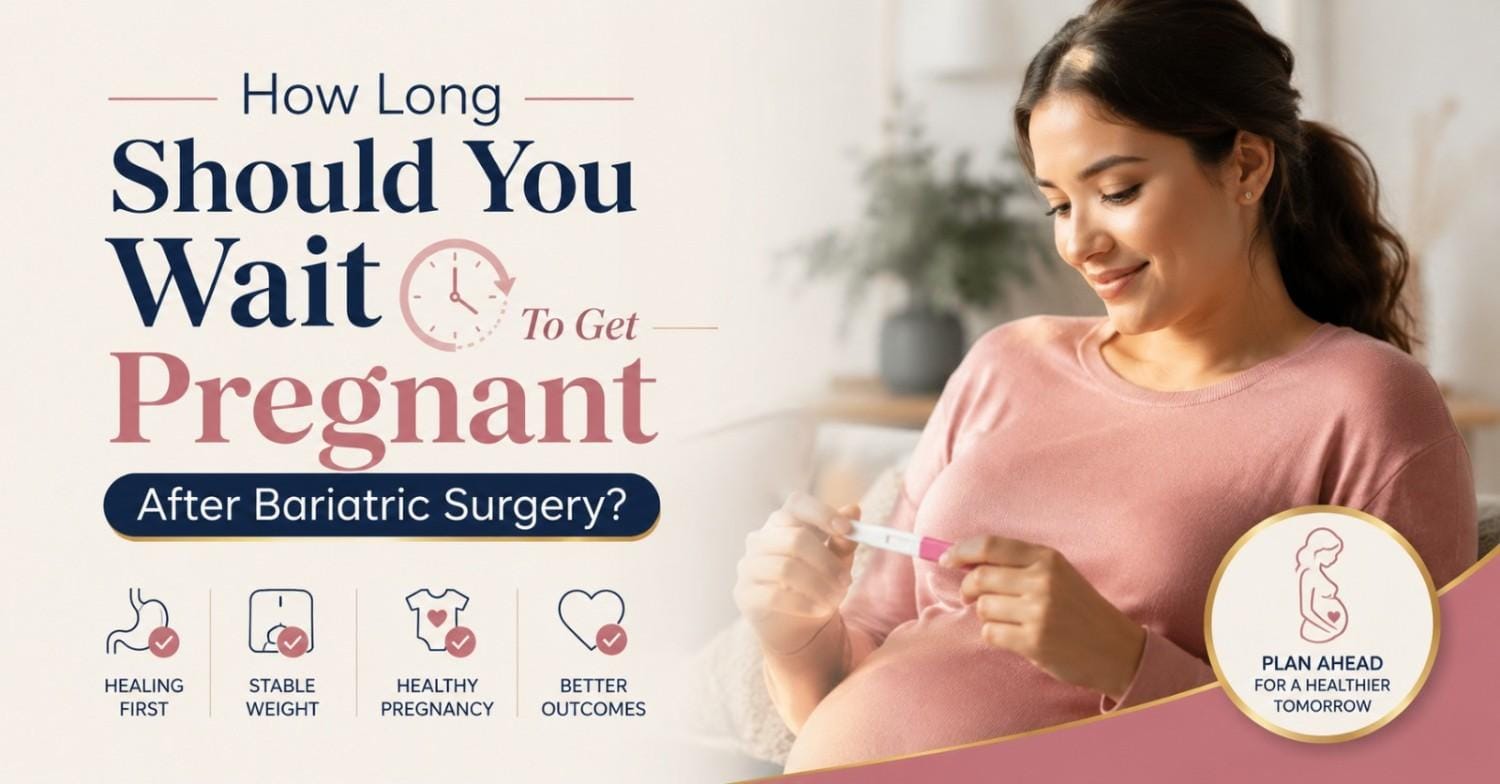
Pregnancy after bariatric surgery: how long to wait is typically a minimum of 12 to 18 months, but some doctors recommend up to 24 months to be on the safer side.
Pregnancy after bariatric surgery: how long to wait – you need your weight and vitamins to settle, and your body to heal from rapid weight loss.
You get room to coordinate care with your surgeon and OB-GYN. In the following sections, you’ll see what directs the optimal timing for you.
Key Takeaways
- This is the reason why you need to wait on having a baby, ideally 12 to 18 months after bariatric surgery when your weight, hormones, and nutrition have stabilized. Collaborate with your bariatric and obstetric teams to determine the safest timing for your particular surgery.
- You should be nutritionally stable going into conception by correcting vitamin and mineral deficiencies. Plan regular blood work and consult with a bariatric dietitian to develop a meal plan and supplement regimen that promotes a healthy pregnancy.
- You have to wait until your weight stops dropping fast, because weight loss during pregnancy can put you and your baby at risk. Monitor your weight patterns and establish achievable preconception weight objectives alongside your medical team.
- You need to wait for complete operative healing and for any complications to resolve before becoming pregnant. Go to all your follow-up visits so your surgeons can rule out any GI issues, hernias, or absorption problems that may complicate pregnancy.
- You must know that your fertility may spike post-weight loss, and without good contraception you’ll have unplanned pregnancies. So talk about family planning early and don’t be shy. Use effective birth control until your providers say it is safe to conceive.
- You gain from getting ready mentally as well as physically by tackling mental health, body image shifts, and your fresh connection to eating. Think about counseling, support groups, and mindfulness to assist you through your pregnancy journey after bariatric surgery.

The Recommended Waiting Period
You often hear different numbers, but most bariatric surgery teams agree on a timeline: wait at least 12 to 18 months before attempting conception, with many specialists recommending 18 to 24 months after procedures like gastric sleeve surgery. This window allows your body to heal, complete the majority of fast weight loss, and address nutritional needs, ensuring you enter pregnancy in optimal shape for improved pregnancy outcomes.
After obesity surgery, many people can have a healthy pregnancy, but careful planning is important. Most healthcare providers recommend waiting at least 18 months after bariatric surgery, or around 18 months after surgery, before trying to conceive so your body has time to recover and your weight stabilizes. Monitoring weight gain during pregnancy and overall weight during pregnancy helps support healthy fetal development while reducing potential pregnancy complications. Whether you have had gastric bypass surgery or another bariatric procedure, regular prenatal care can improve the outcomes of pregnancy by identifying nutritional needs and managing concerns such as high blood pressure during pregnancy. With appropriate medical guidance, pregnancy after metabolic and bariatric surgery can result in positive outcomes for both parent and baby.
1. The 12-To-18 Month Rule
In those initial 12 to 18 months, weight typically falls quickly, and the body is in constant strain from reduced consumption and fluctuating hormones. If you conceive while weight is still coming off, your baby’s needs may conflict with that loss, which connects to an increased risk of low birth weight, SGA babies, and preterm birth.
Waiting until month 12 and often closer to month 18 allows your metabolism, cycles, and hormones to subside. Most experts concur this timeframe provides you the optimal balance of potent weight-loss benefits with reduced pregnancy risk. A simple checklist can help: track months since surgery, weight trend, lab results, and your team’s clear “OK” to start trying.
2. Nutritional Stability
You need consistent nutrition before you throw in the pregnancy requirements. Bariatric surgery can reduce essential nutrients including iron, vitamin B12, folate, calcium, and vitamin D. Those nutrients are essential for a healthy baby and a lower-risk pregnancy.
Delaying pregnancy allows you to fill these holes first. Schedule routine blood tests, sometimes as frequently as every 3 to 6 months, so your team can identify low levels in their early stages. A bariatric dietitian can chart out supplements, meal timing, and protein targets that align with your specific procedure and your lifestyle.
3. Weight Stabilization
Stable weight, where the scale remains approximately the same for a few months, typically indicates that your body has acclimated to its “new normal.” This stability is connected to better blood pressure, blood sugar, and hormone patterns, all crucial for a safer pregnancy and healthy fetal development.
If you continue to lose weight through the first year, your body may not have sufficient energy reserves for both continued loss and pregnancy. That can increase the chance of limited growth for the baby and additional stress for you. Weigh yourself at home once a week and provide the trend to your team. Many will want to see evidence of a plateau before giving you the go-ahead to conceive.
4. Surgical Recovery
Your body requires time to completely recover from the surgery itself. You want scars strong and internal healing done and no active issues such as extreme reflux or vomiting, abdominal pain, or hernia symptoms before you put pregnancy strain on your abdomen.
Chronic problems with bowel habits or absorption may become aggravated during pregnancy if not addressed prior. Regular follow-ups with your surgeon and bariatric clinic, typically at 3, 6, 12, and 18 months, confirm that you are on track and can start planning a pregnancy window safely.
5. Procedure Type
The specific wait time can vary depending on your surgery. Procedures that both limit intake and decrease absorption, such as gastric bypass, generally have more significant nutritional risks and typically require closer to 18 to 24 months before conception.
Restrictive-only surgeries, such as adjustable gastric banding, might offer shorter waiting periods, but you still require lab checks and a clean “all clear” from your care team before attempting.
| Procedure type | Main effect | Typical wait to try conceiving |
| Roux-en-Y gastric bypass | Restrictive + malabs. | 18–24 months |
| Sleeve gastrectomy | Restrictive | 12–18 months |
| Adjustable gastric band | Restrictive | 12–18 months (with band review) |
| Biliopancreatic diversion/DS | Strong malabsorption | 18–24+ months |
*Timing should be determined with your surgeon and OB team based on your weight trajectory, labs, and general health.
Why Waiting Is Crucial
Waiting 12 to 24 months after bariatric surgery procedures, such as the gastric sleeve or gastric bypass procedure, before attempting to conceive allows your body to stabilize hormones and improve nutritional status. This period helps decrease the risk of miscarriage, preterm birth, and vitamin deficiencies that could impact both maternal health and pregnancy outcomes.
Maternal Risks
If you become pregnant within the first 12 to 18 months post-surgery, you’re still in a period of rapid weight loss and dramatic changes in how your body metabolizes food. This is a time when you’re at an increased risk for gestational diabetes, preeclampsia, and severe nutritional deficiencies, even if your weight and blood sugar appear improved compared to preoperative levels.
Your care team usually requires months to fine-tune supplements and check what you actually absorb, not just ingest. Getting pregnant too early can imply that your body continues shedding pounds when it should be really embracing slow and steady gain.
That can cause serious pregnancy weight loss, anemia from iron or B12 deficiency, low protein levels, lightheadedness, and exhaustion so deep that just living is difficult. Some ladies can’t even hold down plain liquids and food as the stomach size and gut swap settle.
The initial quick weight loss can conceal early pregnancy symptoms, such as missed periods or nausea, causing you to begin prenatal care late. You reduce the lead time to address low folate, vitamin D, calcium, or iron prior to critical phases of fetal development.
Monitoring blood pressure, blood sugar, weight trends, and lab values pre-conception and correcting problems early brings you into a safer range by the time you discontinue birth control.
Fetal Risks
When pregnancy begins during the rapid weight loss period, the baby develops in an environment in which energy and nutrients can fluctuate wildly. This leads to low birth weight, fetal growth restriction, and increased chances of preterm birth, as the placenta might not receive the consistent stream of protein, iron, and calories it requires to function optimally.
If you enter pregnancy with depleted stores of folate, iron, vitamin B12, or vitamin D and intake remains low, the risk of neural tube defects, bone abnormalities, and subsequent learning or developmental delays increases. These are not assured answers, but they become more probable when your body is still recovering from surgery and can’t meet the additional demands of pregnancy.
Research links maternal micronutrient deficiencies post-bariatric surgery to newborn anemia, low calcium, and early-life difficulties with blood sugar regulation. By waiting 12 to 24 months, you allow your team to get an initial read on and correct these levels first, so the baby begins with better reserves.
Once you do conceive, your care should consist of close tracking of fetal growth via ultrasound, placenta checks, and monitoring your weight and labs regularly. That way, your crew can detect slow growth in its earliest stages and modify your diet, supplements, or monitoring to keep both you and baby safer.
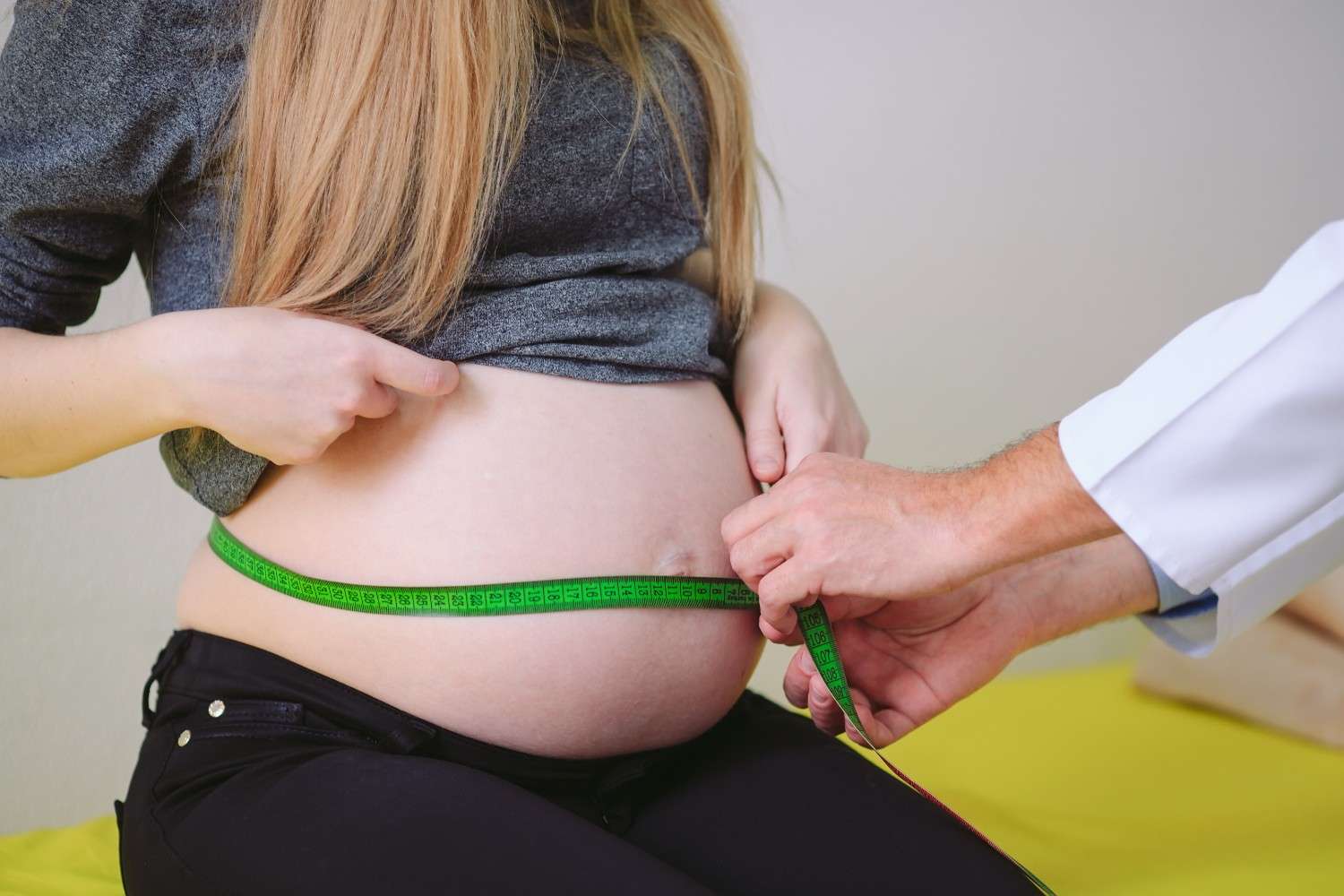
Preparing For A Healthy Pregnancy
You reduce risk and stress when you plan ahead for pregnancy after bariatric surgery procedures. A stable weight, steady lab values, and a bariatric surgery team that understands both pregnancy and bariatric medicine are essential.
Preconception Counseling
You do best when you discuss family plans prior to going off birth control. That translates to definite targets on when to begin trying, which birth control is safe with your surgery kind, and how long you should continue waiting, frequently 12 to 18 months post-op for weight and nutrients to stabilize.
You need to go over your fertility history. If you had wonky cycles, PCOS, or previous miscarriages, your squad should account for that, as fertility tends to increase after weight loss and accidental pregnancy can strike swiftly.
A simple checklist helps you stay on track: full medical history, medication review, mental health check, nutrition labs, vaccines, screening for diabetes and high blood pressure, and an exam of your abdomen and scars.
Any chronic problem, such as thyroid disease, hypertension, diabetes, or depression, should be controlled before you attempt to conceive with safe medications and dosages.
Nutritional Optimization
Your focus should be to enter pregnancy with rock-solid nutrition, especially if you are a bariatric surgery patient. Aim for adequate protein daily, distributed over small, frequent meals, with protein first, then veggies, fruit, whole grains, and healthy fats as tolerated. Proper nutrition is crucial for improved pregnancy outcomes.
Here’s a simple way to prepare for a healthy pregnancy. Track what you eat and drink so you and your dietitian can see patterns. Most will track total energy intake as well as key micronutrients such as folate, iron, B12, calcium, and vitamin D with a food diary or app since you are at increased risk of low levels after gastric sleeve surgery.
Be aware of nausea, vomiting, dumping, bloating, or diarrhea as these can reduce your uptake. If particular foods always wreak havoc, changes in texture, timing, or supplementation may be needed to meet your nutritional needs.
You require a transparent liquid strategy. Sip water and other low-sugar drinks throughout the day, but avoid large amounts with meals so your gastric pouch is not too full for protein.
Consult with a registered dietitian who is familiar with both bariatric surgery and pregnancy. Periodic reviews, along with pre-pregnancy and pregnancy lab checks, keep you ahead of dangerous nutrient deficiency, which is a major safety concern in this context.
Essential Supplements
Most folks require more than your typical prenatal vitamin post-bariatric surgery, and doses should be dictated by blood work, not guesswork.
Core Supplements Often Include:
- Prenatal vitamin with extra folate
- Iron (often higher dose)
- Calcium (usually calcium citrate, split doses)
- Vitamin D
- Vitamin B12 (oral high-dose, sublingual, or injection)
- Possibly additional fat-soluble vitamins after malabsorptive procedures
If you had a malabsorptive operation, such as gastric bypass or biliopancreatic diversion, your requirements are typically greater, and deficiencies can manifest more quickly. Your team will likely include more frequent blood tests and higher replacement doses.
I find it helpful to maintain a simple log of what you take, when, and side effects. Then, pair that with timed lab panels to tweak over time.
Medical Monitoring
| Area | What to monitor | How often (typical) | Who is involved |
| Maternal nutrition | Iron, B12, folate, calcium, vitamin D, protein | Preconception, then once per trimester | Obstetrician, bariatric team, dietitian |
| Glucose control | Fasting glucose, A1C, modified tolerance tests | Early pregnancy, then as indicated | Obstetrician, endocrinologist if needed |
| Weight gain | Trend vs. pre-pregnancy BMI and surgery type | Each prenatal visit | Obstetrician, dietitian |
| Fetal growth | Ultrasound growth scans | Standard schedule, extra if concerns | Obstetrician, maternal–fetal medicine specialist |
You might need a modified diabetes screening, as regular oral glucose drinks can induce dumping. In these instances, home blood glucose checks or other protocols are utilized.
Goals for weight gain need to be based on your pre-pregnancy BMI and how long out from surgery you are, with adjustments to diet if it is too low or too high.
Be diligent and stay in close contact with your bariatric surgeon or physician during pregnancy and post-birth, so changes in symptoms, labs, or weight are never missed.
How Fertility Changes Post-Surgery
Following bariatric surgery, your body experiences rapid changes in weight, hormones, and nutrition. These changes can affect your fertility. Major weight loss following surgery can result in improved fertility, particularly if you struggle with obesity or PCOS.
When your weight comes down and your insulin and male hormones decrease, your ovaries tend to behave more consistently. Many individuals who were infertile before surgery discover that their fertility increases significantly once weight and hormones stabilize.
As your body size changes, your cycles often do as well. Periods that used to be rare, super heavy, or all over the place may fall into a more 25–35 day rhythm. With that, ovulation becomes more regular, which is the critical piece to achieving pregnancy without fertility medications.
You might experience more obvious ovulation symptoms, such as mid-cycle cramps or cervical mucus changes, that you had never seen before because your cycles were so irregular. Due to this surge in fertility, some individuals conceive a lot earlier than expected.
This can be dangerous, as the initial 12 to 18 months post-surgery is when your weight and nutrition fluctuate the most. Early pregnancy in that phase is associated with an increased incidence of SGA and growth issues, which is why most groups recommend you hold off trying to conceive for approximately 18 to 24 months.
Those who wait at least 18 months tend to do better than those who conceive early. You need effective contraception as well. Certain bariatric surgeries alter the absorption of contraceptive pills, which can reduce their efficacy.
Most clinicians will recommend the use of an IUD, implant, or other non-oral methods until you are medically cleared to begin attempts.
Beyond The Physical Readiness
Pregnancy post-bariatric surgery, particularly after procedures like gastric sleeve, isn’t just about lab results or vitamin levels; it also requires managing the nutritional needs and stress related to this significant transition.

Your Mental Health
Your emotional and psychological preparedness is as important as your weight and blood work, especially for bariatric surgery patients. Post-surgery, you may still struggle with old habits such as emotional eating, perfectionism, or the fear of gaining weight back. Pregnancy can stir all this up again, so frequent mental health check-ups are essential to catch issues early, like anxiety, depression, or difficulty acclimating to the fast changes in your life. Understanding the unique needs of the pregnant population is crucial during this time.
You may identify triggers like work stress, family tension, or a remark about your body or food. These can pull you back toward unhelpful habits like grazing, bingeing, or rigid food restriction. A mental health professional with bariatric expertise can help you identify these triggers and develop healthier coping mechanisms. Proper nutrition and nutritional management are vital for both you and your baby.
Mindfulness, simple breathing exercises, or short daily check-ins with yourself can calm your nervous system and help you respond on purpose, not on impulse. A support system is key: your bariatric surgery team, an obstetric care provider, a therapist, and, if possible, a bariatric or pregnancy-after-surgery support group.
Drinking in the experiences of others who have tread this road can reduce shame and arm you with practical strategies. This type of multidisciplinary approach, which includes medical, nutritional, and emotional aspects, lays a more stable foundation for both you and your future pregnancy outcomes.
Body Image Shifts
Fast weight loss, loose skin, and fluctuating sizes in your wardrobe can alter your self-perception, regardless of how the scale reads “improved.” Then pregnancy adds more change: a growing belly, swelling, and shifting body fat in new places. You’ll like some of it, dislike some of it, and be confused by it all.
Write down your body perception, either weekly or monthly, so you can see if any patterns emerge. Take these notes to a counselor or group and discuss them in layman’s terms. Instead of saying, ‘I hate my body,’ you can then whittle it down to, ‘I’m afraid my body will backslide,’ which is something you can actually work with.
Focus on behaviors you can control, such as following your bariatric nutrition plan, engaging in safe physical activities, taking necessary supplements, and keeping up with your prenatal appointments. Utilize gentle self-talk, like ‘My body is healing,’ instead of harsh descriptors.
Non-scale victories, like improved sleep, walking longer distances without discomfort, stable blood work, and reduced anxiety around food, often indicate more significant progress than any single number. It’s essential to acknowledge that body image issues post-surgery can affect your psychological readiness for pregnancy. Speaking about these feelings is not a defeat; it’s a crucial step toward preparing for your future pregnancies and embracing motherhood.
Your New Relationship With Food
Bariatric surgery alters your diet for life, and pregnancy will impact those changes. You still require small, frequent, nutrient-dense meals, but now you are feeding yourself and a baby with a much smaller gastric pouch. That means planning: protein first, then vegetables, then complex carbohydrates, and enough fluids between meals, not during. For bariatric surgery patients, this careful meal planning is crucial to ensure both maternal health and fetal development.
A simple food diary can reveal what you tolerate, what triggers nausea, reflux or pain, and where protein, iron or folate deficiencies might crop up. You can discuss this with your dietitian or doctor, who are part of your bariatric surgery team, so they can tweak your plan instead of just guessing yourself. It helps you catch emotional eating in its early stages, like when chips sneak in mostly at night or post-stress.
Mindful eating nourishes your mind as well as your body. Eat mindfully, take breaks between bites, and listen to your hunger and fullness cues, which will likely feel different post-surgery. Ask yourself: “Am I stomach-hungry, head-hungry, or heart-hungry right now?” That single question can halt a lot of old patterns from running the show.
You need to consider how pregnancy may impact your well-being down the road, postpartum included. Sleeplessness, deadline pressure, and volatile hormones can all yank you back toward fast, sugary snacks, or worse—missing meals altogether. Understanding your nutritional needs during this time is essential for improved pregnancy outcomes.
Having a clear, simple nutrition plan with your bariatric team and mental health provider prior to conceiving makes it easier to stay steady when life gets loud. This proactive approach supports both your health and the health of your future pregnancy.
Navigating Your Pregnancy Journey
You navigate pregnancy post-bariatric surgery with additional medical puzzle pieces and your care plan needs to align with your body and your surgery type. Most teams want you to wait at least 12 to 18 months post-surgery so the rapid weight loss stage is behind you and your weight and labs have stabilized.
When you go to start trying, your squad should examine your weight trend, blood work, and any previous complications like diabetes, high blood pressure, or anemia, then construct a prenatal plan around those.
You make that plan work when you provide every clinician who sees you in pregnancy with transparent, comprehensive information. Your obstetric provider needs to know which bariatric procedure you had, when, and what complications you experienced after it, such as vomiting, reflux, and low iron.
Mention any supplements you already take and any labs your bariatric team did. Since the pill can be ineffective after some malabsorptive surgeries like gastric bypass, discuss safer options early on if you’re not baby-ready, and don’t forget to keep that birth control plan current post-delivery.
Nutrition remains the core security concern. A typical prenatal vitamin is generally insufficient for you. Dosing of iron, vitamin B12, folate, calcium, vitamin D, and other micronutrients should be monitored with regular blood tests.
If they dip, your energy, blood, and bones can take a toll, and fetal growth can lag. Eat little and often, prioritizing protein, then vegetables, fruit, whole grains, and healthy fats as you can tolerate them. Sip fluids throughout the day, but avoid gulping down large quantities with your meals so you create space for protein and minimize stomach bloat.
Follow your tale as you. A straightforward journal or app where you record meals, supplements, weight gain, nausea, bowel movements, and mood can assist you and your care team in identifying patterns before they develop into larger issues.
Include notes from visits, lab results, and questions for your next check. From 24 weeks, your OB provider may schedule ultrasound scans every 4 to 6 weeks to monitor fetal growth, particularly if your weight gain is on the low side. Use your journal to record these scans and what your team says about growth, fluid levels, and placenta.
Post-pregnancy, your body is still experiencing bariatric shifts. You maintain the same protein, small meals, and curated supplements during your healing and baby care. Breastfeeding is generally safe following bariatric surgery, but it can increase your nutrient demands.
Your team may intensify lab monitoring and tweak doses once again. Schedule follow-up with your bariatric and obstetric or primary care teams to discuss weight fluctuations, mood, blood pressure, blood counts, and bone health. Select dependable contraception for your next chapter.
Conclusion
Planning for a safe pregnancy after bariatric surgery requires time, support, and concise information. Your body experiences massive changes during the first 12 to 18 months. That timing is important for both your and your baby’s health.
You’re not late; you don’t need to rush. Most people who have their pregnancies after weight loss surgery go on to have healthy pregnancies. You can as well with a strategy that matches your lifestyle. For instance, you can track your cycle with an app, monitor your blood work annually, and visit your care team prior to trying to conceive.
To proceed, discuss with your surgeon, OB-GYN, and dietitian. Communicate your goals and agree on a timeline that feels appropriate to you.
Frequently Asked Questions
How long should you wait to get pregnant after bariatric surgery?
Most experts advise bariatric surgery patients to wait 12 to 18 months after their weight loss surgery, such as gastric sleeve or gastric bypass procedures, before trying to get pregnant. This allows your weight and nutritional levels to stabilize, protecting both your health and your baby’s health.
Why is it risky to get pregnant too soon after bariatric surgery?
During this initial year post-bariatric surgery, your body is losing weight quickly and adapting to new nutritional demands. For bariatric surgery patients, getting pregnant too soon can increase the risk of nutrient deficiencies, low birth weight, and complications, impacting future pregnancies. Waiting helps establish a safer space for you and your baby.
How can you prepare your body for pregnancy after bariatric surgery?
Coordinate with your bariatric surgery team and obstetric care provider. Check your blood work, correct vitamin and mineral deficiencies, take the recommended supplements, stabilize your weight, and follow a balanced bariatric nutrition plan. This preparation helps facilitate improved pregnancy outcomes and a healthier baby.
Will your fertility change after bariatric surgery?
Yes, fertility is enhanced during your weight loss after bariatric surgery. Your cycles could get regular, and ovulation can return, which may lead to improved pregnancy outcomes. Therefore, proper birth control is crucial until your obstetric care provider indicates it is safe to try.
What vitamins and supplements are important before pregnancy after bariatric surgery?
You will generally require a prenatal vitamin in addition to extra folic acid, B12, iron, calcium with vitamin D, and sometimes more depending on your labs. Your bariatric surgery team should customize your nutrition plan and check levels pre-pregnancy and throughout pregnancy.
Are all types of bariatric surgery the same when planning pregnancy?
Not quite. Absorption-altering procedures, such as gastric bypass, might present greater risk of nutritional deficiencies than restrictive procedures, such as gastric sleeve. Bariatric surgery patients should note that their waiting time, lab monitoring, and supplement plan can vary. Your surgeon will direct you according to your bariatric surgery procedures.
How should you monitor your pregnancy after bariatric surgery?
You require more frequent follow-up as a bariatric surgery patient. This typically involves increased checkups, routine blood work for nutrients, diligent weight and growth monitoring, and collaborative care between your obstetric care provider, bariatric surgeon, and dietitian to ensure proper nutrition.