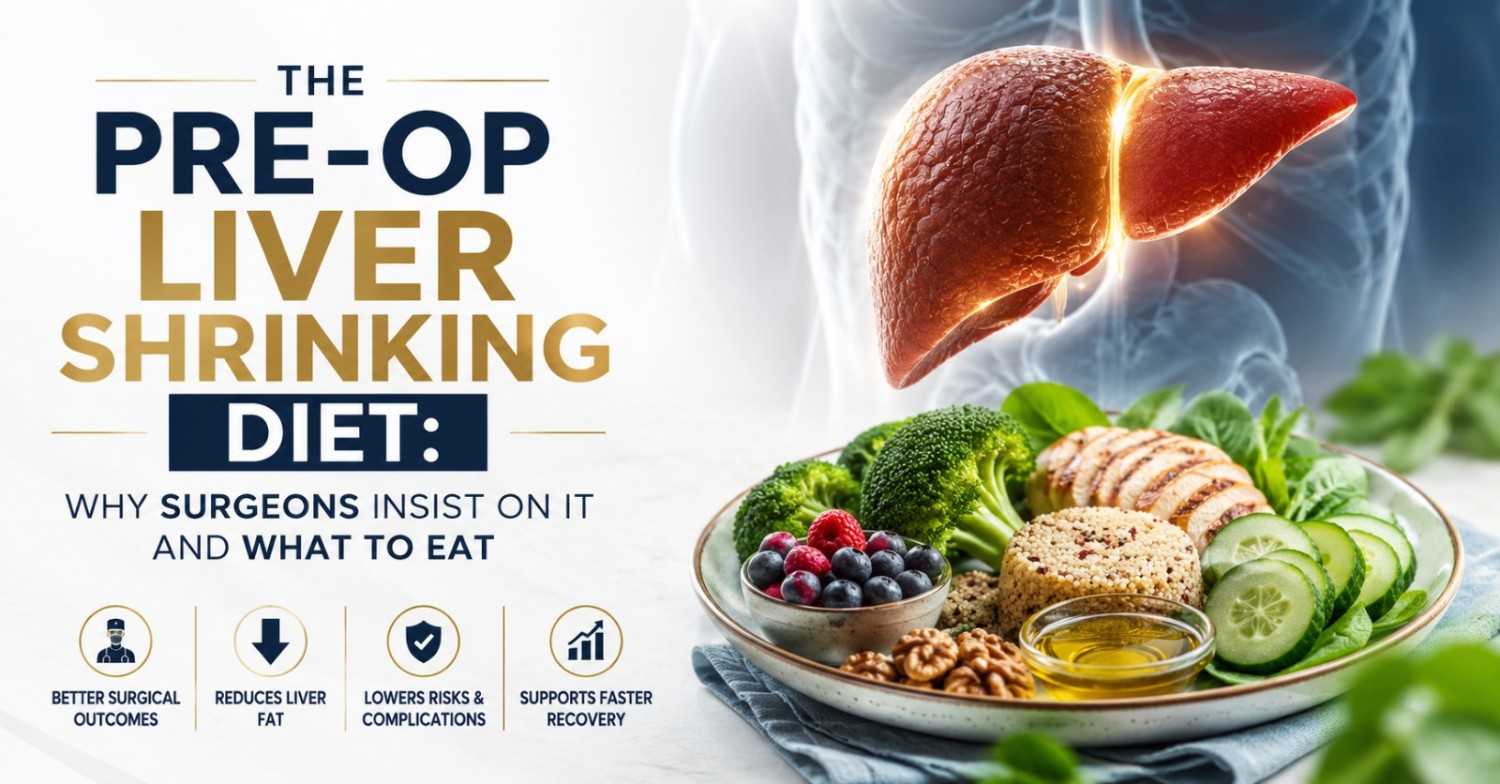
A liver-shrinking diet prior to bariatric surgery is a short-term diet designed to minimize the size and fat of your liver, so surgery is safer and easier for your surgeon to conduct.
You typically adhere to it for 1 to 2 weeks, with explicit guidelines regarding calories, protein, and fluids. You eliminate high-fat and high-sugar foods and concentrate on lean protein and low-energy options.
Then, you know what to consume, what to hydrate with, and what to avoid.
Key Takeaways
- You go on a liver-shrinking diet before bariatric surgery, which shrinks your liver, making the procedure safer, giving better access to your stomach, and reducing the danger of bleeding and other complications. This preparation helps facilitate an easier surgery and more rapid recovery.
- Your diet is typically very low calorie and low carbohydrate with moderate protein content, usually in the form of liquid meal replacements and approved low-fat, high protein foods. Commitment to the plan and hydration were key factors in successful liver volume reduction.
- You generally steer clear of foods that are high in fat, sugar, and starch, as well as alcohol and sugary beverages, because they can increase the fat and glycogen in your liver. Opting for non-starchy vegetables, lean proteins, low-fat dairy, and sugar-free beverages keeps you on track with your calorie goal.
- You’ll be on the liver-shrinking diet for 1 to 4 weeks, depending on your BMI, liver, comorbidities, and surgeon. You maintain your outcome by adhering to the recommended length and consulting with your care team as necessary.
- You will encounter emotional and mental hurdles like frustration, cravings, and social pressure while on the diet. You can deal with these by goal setting, building a supportive network, distraction, and progress tracking to motivate.
- You’ll frequently observe liver volume decreases of approximately 10 to 20 percent and body weight loss of about 5 to 10 percent, enhancing surgical preparedness and minimizing complication chances. You help protect your health by reporting side effects, following your team’s management strategies, and reintroducing foods gradually post-diet.
Why Is A Liver Shrinking Diet Necessary?
A liver shrinking diet intends to reduce overall liver size by reducing fat and glycogen stored in your liver. With an enlarged liver from obesity or a high BMI, it rests heavily over your stomach and complicates bariatric surgery. Shrinking the liver gives your surgeon better access, reduces technical stress, and allows for a more precise operation with less unnecessary risk.
Surgical Safety
In bariatric surgery, your surgeon needs to retract the left lobe of your liver to access the upper portion of your stomach. If your liver is big, firm, and packed with fat, this phase is more difficult and the risk of accidental liver trauma increases, particularly in fatty liver disease.
A smaller, softer liver is easier to hold and move, so there is less pulling, less force, and less strain on fragile tissue. When the liver volume decreases, there tends to be less bleeding from small vessels and liver edges, which translates to fewer surprises in the OR and a cleaner field for the surgeon.
Reduced liver lobe volume allows for safer mobilization of adjacent organs, like the stomach and upper small bowel, without compressing or damaging them. Therefore, the total surgical risk decreases and you’re more likely to enjoy a stable surgery, less blood loss, and an easier initial recovery with fewer unexpected trips back into the OR.
Surgical Access
Shrinking your liver creates more space inside your abdomen, which is crucial for keyhole (laparoscopic) or robotic bariatric surgery where the surgeon operates through small incisions with long instruments. With less liver bulk, the camera can visualize the gastroesophageal junction and entire curve of the stomach more distinctly, making critical steps like stapling or suturing more precise.
Improved access generally translates to reduced surgery duration and less complexity, as surgeons spend less time navigating around an oversized, fatty liver. Even a little preoperative weight reduction from a low calorie, low carb, low fat diet with additional fluids can thin the abdominal wall and facilitate the insertion and maneuvering of instruments through the tiny incisions.
If the liver doesn’t shrink sufficiently, your team may rule surgery unsafe on the day and delay or abandon it to prevent significant damage.
Reduced Complications
A liver shrinking diet reduces liver fat and body fat, decreasing the risk of post-operative complications such as leaks at the staple line (anastomotic leakage), abdominal infections, and lung issues associated with extended time under anesthesia.
With less fat around the stomach and liver, wounds heal better as tissue is better supplied with blood and is under less tension from weight. Pre-surgery weight loss can put other conditions like high blood pressure, high blood sugar, or sleep apnea at ease so your body can undergo surgery and anesthesia with less strain on your heart and lungs.
Research associates smaller liver size with reduced length of hospitalization and reduced time to walking, eating, and resuming daily activities. Because this diet is very low in energy and nutritionally incomplete, you may require daily supplements your team prescribes.
Typical short-lived side effects are headache or feeling light-headed during the initial days, but they typically subside once your body adapts if you maintain fluids and stick to your regimen.
What Does The Liver Shrinking Diet Involve?
You adopt a brief, very low energy, low carb, low fat, moderate protein regimen that compels your body to burn liver fat and glycogen for energy. Calories typically range from 800 to 1200 kcal per day, frequently utilizing liquid meal replacements (i.e., SlimFast or hospital formula sachets) plus very specific foods. That’s why you need consistent adherence day after day, because even minor “add-ons” can impede liver volume reduction and complicate surgery.
1. Core Principles
At its heart, it’s about quick liver fat loss through severe energy restriction, so your surgeon has better vision and more space to operate during bariatric surgery.
With very limited carbs, your liver uses up its glycogen and then enters a catabolic mode, breaking down fat instead. That decline in liver glycogen and fat is what truly ‘shrinks’ the liver.
Protein remains moderate to aid you in retaining lean mass, so almost all plans have multiple protein servings throughout the day rather than just sugar shakes.
You keep a close eye on fluid, typically a minimum of 2 litres per day from water, tea, coffee, sugar-free flavored water or sugar-free squash to aid circulation, kidneys and basic metabolic function.
2. Diet Types
You may be prescribed a very low calorie diet, a milk‑based or yogurt‑based plan, or a structured meal replacement plan with SlimFast or prescription formula sachets.
Liquid plans provide strict control over calories, carbs, and portions, which can accelerate liver volume reduction. Mix plans with some solid food may feel easier to adhere to beyond a few days and may suppress appetite for certain individuals.
Most clinics employ standardized sachets so every serving contains a set number of calories, protein, and micronutrients, eliminating guesswork and minimizing the chance that you will exceed your goal.
Here is a simple comparison:
| Diet type | Main components | Typical energy/day |
| Very low calorie (VLCD) | Formula sachets + non‑starchy vegetables | 800–900 kcal |
| Milk‑based plan | Skimmed milk, yogurt, vitamin supplements | 800–1000 kcal |
| SlimFast / similar plan | 2–3 shakes + 1 protein–veg meal | 900–1200 kcal |
| Yogurt‑based plan | Low‑fat yogurt, lean protein, vegetables | 900–1200 kcal |
3. Approved Foods
Permitted options typically cover things like low-fat dairy (skimmed milk or low-fat yogurt), lean proteins (skinless poultry, fish, tofu or egg whites), and lots of non-starchy vegetables such as leafy greens, cucumbers, peppers, and broccoli.
Liquid meal replacements and moderate protein supplements typically occupy the heart of the plan. They assist you in reaching protein targets and simultaneously keep carbohydrates and fat low and consistent.
You consume additional liquids to remain hydrated, typically water, clear broth, black tea or coffee without sugar, and unsweetened beverages, which all contribute to your 2‑litre minimum unless your team establishes a different target.
Most teams add daily supplements, typically a comprehensive multivitamin and sometimes extra minerals like calcium and vitamin D, to fill in the holes while your intake is limited because it’s not nutritionally complete.
4. Foods To Avoid
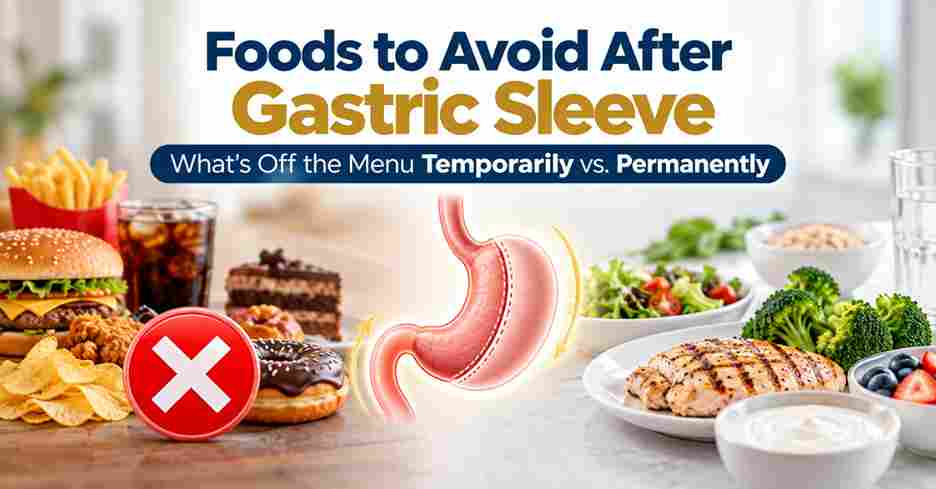
You want to stay away from those high-sugar, high-fat foods because they will replenish liver glycogen and fat stores and reverse some of the shrinkage.
That’s no sweets, chocolate, cakes, jelly, ice cream, pastries, fried food, or fast food and no soft drinks or alcohol.
Starches such as bread, rice, pasta, potatoes, and numerous cereals are eliminated or reduced to a very small, measured serving, depending on your plan.
If you already know some foods give you gas, cramps, or loose stools, your squad might have you avoid them so you don’t enter surgery with tummy turmoil.
5. Sample Day
A typical example day might look like this: breakfast with 1 carbohydrate portion, like 1 thin slice of whole-grain bread, and 1 dairy portion, such as 150 g low-fat yogurt.
Lunch includes 2 protein portions, such as 90–120 g grilled chicken or fish, and 2 vegetable portions, for instance, a large salad and extra steamed greens.
Dinner consists of a liquid meal replacement shake or formula sachet plus allowed vegetables if your plan permits.
Snacks are generally restricted to sugar-free beverages, clear broth, or occasionally a small additional protein serving. All meals and snacks combined are within your 800 to 1200 kcal goal.
You space meals every 3–4 hours to keep your energy steadier. This can reduce hunger, headaches, and light‑headed spells that some people experience in those initial few days.
You record calories, protein, and fluids daily, monitor blood glucose four times a day if instructed, and remain NPO for food six hours prior, transitioning to water only two hours before the operation.
How Long Is The Diet?
You continue the liver shrinking diet for a brief period prior to surgery, typically one to four weeks. Your team determines the duration depending on how much they need your liver to shrink in order for them to view and operate safely. If you have a higher BMI or more severe fatty liver, you might require the diet for closer to three to four weeks, whereas others might need only one to two weeks.
As overwhelming as it sounds, this is a short pre-operative diet you adhere to leading up to surgery, and maintaining the entire recommended length is more important than the precise length.
Standard Duration
The majority of bariatric centers utilize a 2-week liver shrinking plan as their default. Two weeks of strict, low-energy, high-protein intake generally results in a distinct reduction in liver volume and liver fat.
A few surgeons go as long as 3 to 4 weeks if you are very high BMI, have marked central obesity or obvious fatty liver on imaging. For instance, if your BMI is greater than 45 to 50 kg/m², or your liver ultrasound demonstrates robust fatty infiltration, your team could request the entire month.
If your BMI is lower, or you have less fat around your middle (less visceral fat), your surgeon might only require 7 to 10 days of a stricter plan, frequently in addition to previous general weight-loss recommendations.
For all of these, the “standard” 1 to 2 week window comes from studies demonstrating that liver size can decline significantly during that timeframe. This facilitates access during laparoscopic bariatric surgery and reduces the likelihood of surgery being postponed.
Influencing Factors
A few different things determine how long you stay on the diet, and your team will evaluate them collectively rather than apply a cookie cutter approach.
It depends on your starting liver size and extent of fatty liver. If imaging or blood work indicates a large or fatty liver, you may require closer to three to four weeks to arrive at a safe liver volume. A small, less fatty liver might require only one to two weeks.
BMI and fat distribution are also important. The fact is, having a higher BMI and more fat around your middle typically corresponds with having more fat stored in and around the liver. A BMI of 38 kg/m² will require a much smaller plan than someone with a BMI of 55 kg/m², even with the same surgery date.
Comorbidities (e.g., diabetes or metabolic syndrome) mean people with conditions like type 2 diabetes, insulin resistance, or advanced sleep apnea tend to have more liver fat. Your team might extend the diet a little longer for optimal blood sugar control and liver transformation prior to anesthesia.
Bariatric surgery type is another factor. Procedures such as gastric bypass or duodenal switch require more work around the upper stomach and liver. Therefore, your surgeon may be more strict with both the duration and your adherence to the plan. For sleeve in a patient with more mild steatosis, they will take even less.
Lastly, your history of weight loss and adherence plays a role. If you’ve proven you can adhere to a regimented diet and shed a few pounds in the past, your provider might be more comfortable with the smaller end of the spectrum. If you have problems sticking with it the first week, they might make it last longer instead of rushing you to surgery.
The Unspoken Mental Challenge
The liver shrinking diet is more than just a medical step prior to bariatric surgery. It’s a jarring mental transition, where hard-and-fast rules meet rapid transformation and high stakes in your everyday life.
Emotional Hurdles
Your mood might swing quicker than your blood sugar. Even if you normally deal well, hunger, low energy, headaches and feeling light‑headed can make you irritable or weepy. You may experience frustration when you view what you used to eat, irritability when those around you eat freely or anxiety that if you slip once, you may jeopardize your surgery plan.
Routine shifts add stress. If you once took comfort in a heavy dinner or munched with colleagues, those times are tinged with grief. It might seem like you’re sacrificing your food and an important part of your social life simultaneously, which can feel unjust or lonely.
In that void, emotional eating tends to creep back. A stressful day, a difficult conversation, or anxiety around surgery results can all cause cravings. You may find yourself thinking, ‘One meal won’t hurt,’ despite knowing your liver needs each day of this diet to become smaller and reduce your risk during surgery.
This is where self-awareness comes to the rescue. You are acutely aware of how you experience the moments before, during, and after you eat. You pause and name it: “I am anxious,” or “I am lonely,” instead of “I am hungry.” You decelerate, inhale, and inquire what you really require at that moment other than nourishment.
Building Resilience
Resilience here is not about being “tough.” It’s about establishing a straightforward, upfront frame so you don’t have to re-negotiate your decisions throughout the day. One way is to write down why you are doing the liver shrinking diet in plain words: to lower liver size, cut surgical risk, and give yourself a safer recovery.
You leave that note on your phone screen, fridge, or water bottle so you see it whenever you’re tempted to give up. Nor do you have to do this alone. You might ask 1-2 trusted people—family, a partner, a friend, or even an online support community—to check in with you.
You tell them what helps: a quick message at night, joining you for a walk instead of a meal out, or not offering you off-plan food “as a treat.” This common strategy lessens the unrelenting demand to justify yourself publicly.
Simple coping tools can pound the pain away when cravings hit. These quick, mind-absorbing tasks such as a brisk 10-minute walk, shower, some stretching, a puzzle, or a short video call give your brain time to ride out urges. Others use mini non-food rewards like putting aside a few dollars for every on-plan day and then buying a book, an article of clothing, or a fitness accessory post-op.
Daily supplements can seem a reminder you’re sick, but you can reframe them as things you’re using intentionally, not a sign of defeat. Planning your food in advance — shopping lists, pre‑portioning drinks or meals, fixed times for vitamins — reduces the number of food decisions you need to make, which reduces decision fatigue.
You can track your progress with simple notes: days completed, symptoms easing, or even small changes in how your clothes fit. Every little victory is a piece of data, not drama, that lets you know your work is paying off. The surgical horizon remains nebulous and intimidating.
What Are The Expected Results?
The specific outcome of your liver shrinking diet that you need to see is a distinct reduction in liver volume so your surgeon can operate more safely and with less difficulty. Along the way, you receive rapid weight loss, improved body composition, and an early “dress rehearsal” of the post-operative eating style you will need.
Liver Reduction
Most people experience around 10 to 20 percent total liver volume loss over 2 to 4 weeks when adhering to an 800 to 1200 kcal per day plan. They report as much as 20 percent shrinkage, which is a lot of change in a small period.
The left lobe of your liver over your stomach typically shrinks the most. That counts because this is the portion that obscures the view and instruments in bariatric surgery. With a smaller, softer liver, your surgeon can visualize your stomach more easily, maneuver instruments with greater precision, and spend less time working around the liver.
A few teams do imaging — either ultrasound or CT — before and after the diet to measure liver volume and to see if the plan worked. If shrinkage isn’t sufficient, your surgery might be postponed or your diet prolonged. Your cooperation has a tangible effect on how secure and simple the process can be.

Weight Loss
In this brief period, you can anticipate shedding approximately 5 to 10 percent of your initial body weight, frequently around 2.4 to 14.8 kilograms. The plan is designed to reduce fat mass and attempt to maintain as much lean mass as possible, with sufficient protein integrated into the reduced-calorie framework.
Rapid weight loss usually means lower blood sugar, improved blood pressure and less stress on your heart and lungs, all of which can reduce surgical risk. The diet is not nutritionally complete, so daily supplements are generally recommended to avoid vitamin and mineral deficiencies.
Results vary. About 30.6% of people hit at least 5% weight loss during the liver reduction phase, while others lose less even with the same calorie range.
- Typical daily intake: 800–1200 kcal for 3–4 weeks
- Common total loss: 5–10% of body weight
- Documented range: −2.4 to −14.8 kg before surgery
- Effect on risk: Fewer complications in VLCD groups in several studies.
Surgical Readiness
Completing your liver shrinking diet as directed is an important indicator you are prepared for surgery. A smaller liver and less abdominal fat lead to better stomach access, fewer technical issues, and less time under anesthesia.
There were 15 complications in the control group compared with 8 in the VLCD group at 30 days, demonstrating how this step can enhance safety. Patients who attain target liver volume and weight loss typically experience less intraoperative complications, like difficulty lifting the liver or positioning ports.
For this reason, many centers make diet goals a strict condition. If your liver hasn’t shrunk enough or you’ve not complied with the plan, your team may delay or cancel the surgery for your safety.
Potential Side Effects And Management
You’re on a rigorous liver shrinking diet so that your liver diminishes, becomes softer, and bariatric surgery is safer. Meanwhile, you have a low-calorie, low-carbohydrate plan, sometimes less than 100 grams per day, and it is unbalanced. Side effects are frequent and require a definite management plan.
| Side effect | Why it happens | What you can do |
| Nausea | Sudden drop in calories and fat | Split meals, sip fluids slowly, avoid strong smells |
| Constipation | Low fiber and less food volume | Drink ≥2 L fluid, use Fybogel 1–2 sachets or other laxative |
| Diarrhea | Change in diet pattern or liquid shakes | Take smaller, more frequent portions, stay hydrated |
| Headache/light-headed | Carb cut, mild dehydration, low blood sugar | Drink water, have planned carbs, check blood glucose |
| Fatigue | Fewer calories and carbs than you are used to | Rest more, spread intake across the day |
Headache or light-headedness is very common within the first several days. It typically subsides as your body adjusts. If you’re on insulin or medications such as gliclazide, your blood sugar may go lower than normal due to the reduced carbohydrate intake.
You might require dose adjustments, so keep an eye on your glucose and maintain close contact with your diabetes team. This diet is not nutritionally complete, so you typically require supplementation every day, such as with a multivitamin and mineral, as recommended by your care team.
You should consume a minimum of 2 litres of fluid a day, such as water, sugar-free squash, herbal tea, black tea, or black coffee. One or two salty beverages a day will help keep your electrolytes balanced. Be on the lookout for muscle cramps, a rapid heartbeat, or confusion, and communicate these as they can be indicative of electrolyte imbalance.
Post-operative foods should return in phases to reduce the risk of diarrhea, cramping, and poor wound healing. Others demonstrate reduced mature collagen I gene expression seven days postoperatively, which may delay tissue repair.
Slow diet steps and sufficient protein intake are important. If your liver hasn’t shrunk enough, your surgeon might cancel surgery on the day for safety.
Conclusion
You’re about to take a giant step in your life. The liver shrinking diet seems rigid, but it serves a focused purpose. It helps your liver shrink and become safer. It makes your surgeon’s job easier and safer.
You sacrifice certain foods temporarily. You win a smoother surgery and a stronger start after. You witness tangible proof that it’s effective. Your clothes feel a tad looser. Your body retains less water. Your lab values begin to move in the right direction.
You don’t go through this alone. Contact your care team, inquire with blunt questions, share your difficult days, and leverage their assistance as you transition toward your surgery date.
Frequently Asked Questions
Can you eat normally before starting a liver shrinking diet?
No. You adhere to a stringent, low-calorie, high-protein diet prior to cosmetic surgery. This typically translates into protein shakes, lean protein, and very limited fats and carbs. Your surgeon or dietitian provides you a specific plan.
What happens if you do not follow the liver shrinking diet?
Your liver could remain enlarged and fatty. This can complicate surgery and make it less safe. Your surgeon may have to abort or postpone the procedure. Remaining committed to the diet assists in mitigating these risks.
Is a liver shrinking diet safe for everyone?
For the majority of bariatric patients, under the guidance of a medical team, your surgeon and dietitian review your health, medications, and labs. They modify the plan for diabetes, kidney disease, or food intolerances.
Can you drink coffee or tea on a liver-shrinking diet?
Typically yes, but without sugar and heavy cream. Most plans permit black coffee, plain tea, or a dash of low-fat milk or an approved sweetener. Always check with your bariatric team as protocols vary.
Will you feel hungry on the liver shrinking diet?
You will be hungry, particularly during the first few days. Drinking water, spacing protein shakes, and adding allowed vegetables can aid. Your hunger should generally get better as your body gets used to it and your liver shrinks.
How do you manage cravings and emotional eating on this diet?
Pre-plan your meals, get trigger foods out of the house, and implement non-food coping strategies like a walk or journaling. Support groups, counseling, or a bariatric psychologist can assist you in dealing with stress, boredom, and emotional triggers.
Can the liver shrinking diet help if you have fatty liver disease?
Yes. This brief, low-calorie, high-protein diet commonly decreases liver fat and volume. That makes surgery safer and may help fatty liver disease. Your physician might check your liver tests before and after the diet.