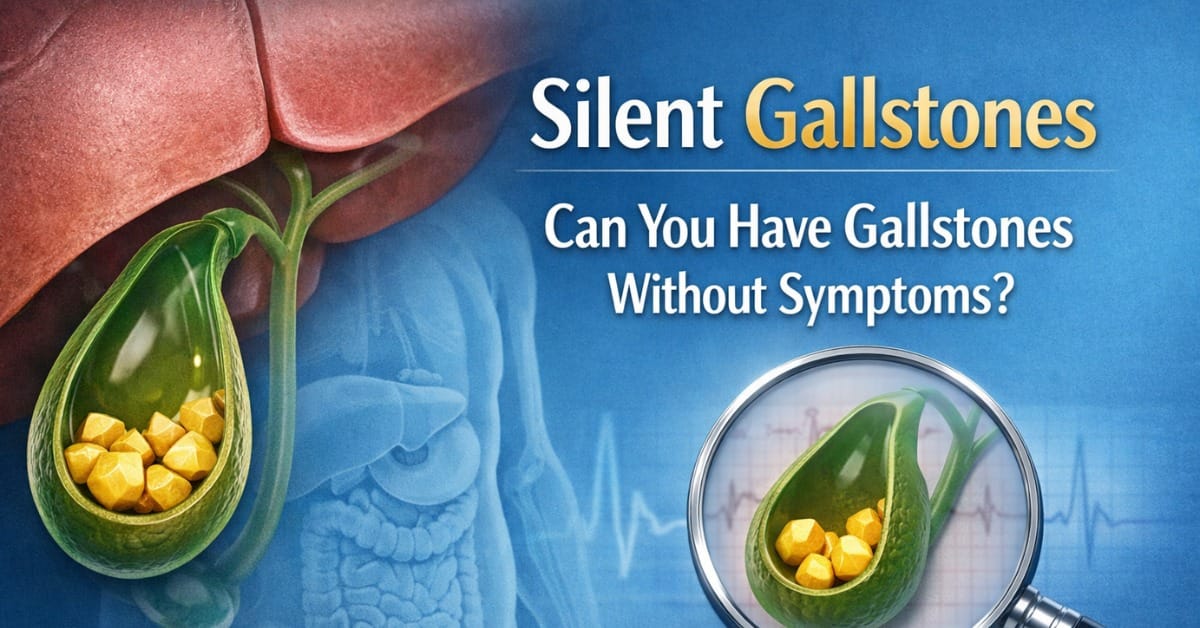
Indeed, you can have gallstones without symptoms. Most people have silent stones, discovered incidentally on ultrasound or CT. They don’t usually cause pain, fever, or jaundice, and most remain stable for years.
Risk increases with age, increased body mass, accelerated weight loss, and certain diets. To plot next moves, you balance size, quantity, and location along with your wellness aspirations.
Ahead, you receive obvious symptoms to look for and when medical treatment is appropriate.
Key Takeaways
- Can you have gallstones without symptoms? Most people do. Eighty percent are silent and found incidentally through imaging.
- Be aware of your risk profile: age, female, obesity, rapid weight loss, pregnancy, high cholesterol, diabetes, or liver disease. Only screen if imaging is already planned.
- You can watch for warning signs like right upper abdominal pain, fever, jaundice, dark urine, pale stools, nausea, vomiting or pain after fatty meals and get urgent care if these occur.
- You can frequently opt for watchful waiting as most silent stones never cause issues. Consider options such as elective surgery if you have high-risk characteristics or become symptomatic.
- You can reduce risk by keeping a healthy weight, adding fiber to your diet, selecting moderate amounts of healthy fats, staying hydrated, working out, and steering clear of crash dieting.
- You can lessen stress by monitoring symptoms, scheduling regular check-ins with your clinician, and using trusted support resources to handle the unknown.
Understanding Asymptomatic Gallstones
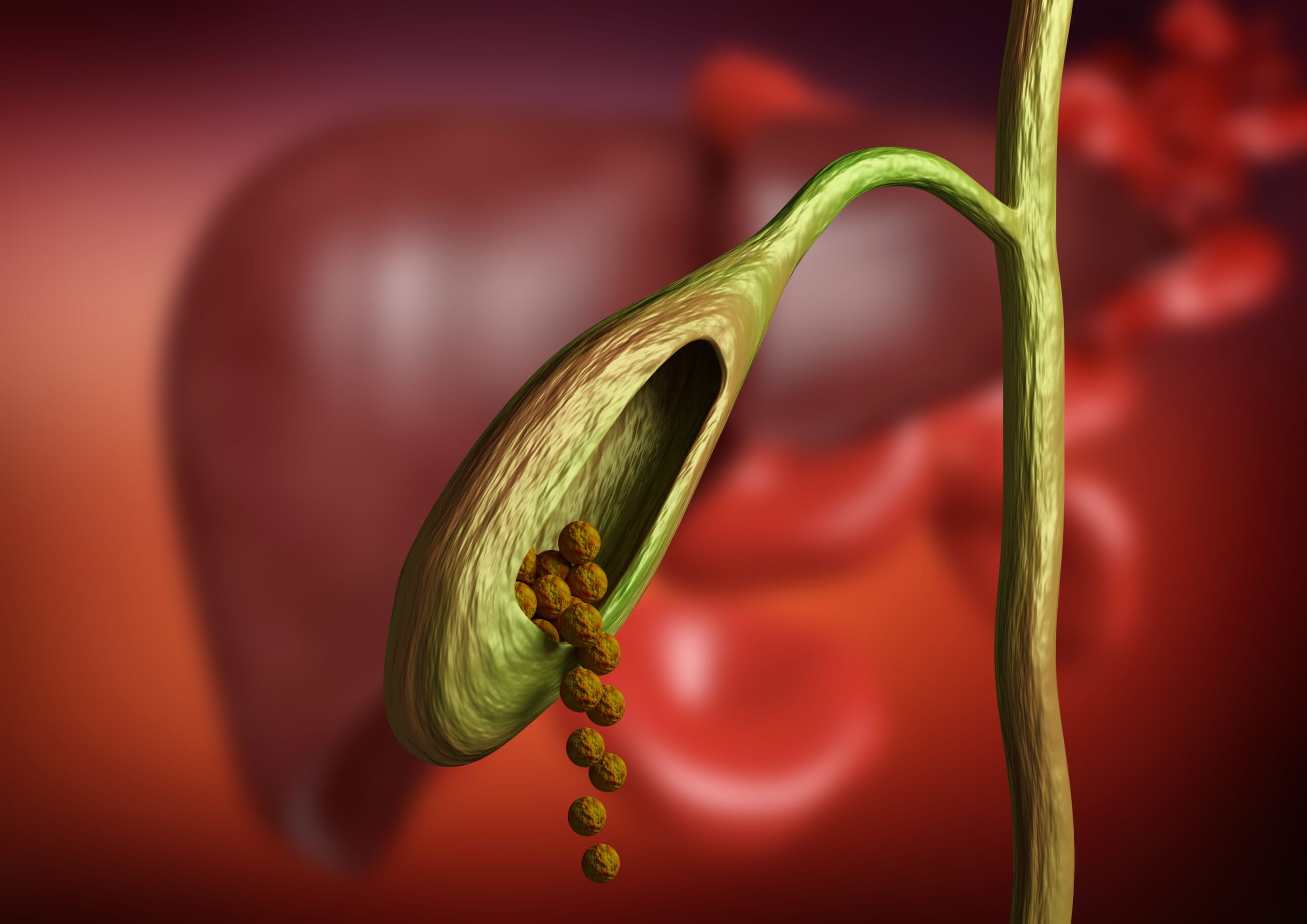
Asymptomatic gallstones are stones in your gallbladder that have no pain or obvious symptoms. Up to 80% of people with gallstones are in this ‘silent’ group. While these stones are made from hardened cholesterol or pigment, they typically do not actually impede bile flow.
You typically discover them incidentally on an abdominal ultrasound or other scan performed for an unrelated purpose, a pattern increasing as ultrasound becomes more prevalent.
1. The Silent Majority
The majority of gallstone sufferers never experience typical biliary colic or postprandial nausea. You can harbor stones for years with no pain in your upper right abdomen, no fever, no jaundice, and your digestion remains normal.
Asymptomatic cases far exceed symptomatic case numbers across all except the most remote areas. Large cohort data show low conversion to symptoms, about 10 to 25 percent over 5 to 15 years, with 10 percent, 15 percent, and 18 percent becoming symptomatic at 5, 10, and 15 years.
Most of you find out about stones during a regular ultrasound, pregnancy scan, or CT/MRI for another problem. Autopsy studies state that more than 90% of individuals with stones died from causes unrelated to the stones.
2. Stone Characteristics
Main Types Include:
- Cholesterol stones
- Pigment stones
- Mixed stones
Size, number, and composition direct risk. Small stones can slip into the bile duct and ignite colic or pancreatitis. Big ones just like to hang out in the gallbladder.
A few stones are radioopaque and demonstrate on X-ray or CT. Others require US or MRCP/ERCP to detect.
3. Patient Risk Factors
Risk rises with obesity, rapid weight loss, pregnancy, and high cholesterol. Genetics, age, and female sex matter, as do diabetes and cirrhosis.
Slow gallbladder emptying and cholesterol-rich bile can seed stones. Risk factors do not anticipate who will become painful.
In the majority of Western nations, most asymptomatic patients will never require treatment. Laparoscopic cholecystectomy has a 0.2 to 0.4 percent bile duct injury risk, so routine surgery is not favored.
In cirrhosis, incidental cholecystectomy is not indicated.
4. Symptom Predictors
Changes in stone size or location can trigger biliary colic or acute cholecystitis. Look out for previous mild attacks, ductal passage, or a thickened gallbladder wall on imaging.
Common bile duct stones increase the risk of pancreatitis and cholangitis. Monitor for new right upper pain, fever, dark urine, pale stools or vomiting and get care quickly.
How Are Silent Gallstones Found?
You typically discover silent gallstones incidentally. Most of them are discovered when you have an abdominal ultrasound or a CT scan for something else, like evaluating liver enzymes, unexplained bloating, or pre-op planning.
Large cohort data reveal that asymptomatic individuals have approximately a 7 to 26 percent lifetime risk of symptoms, and prevalence is high—around 1 in 7 US adults. An older NEJM report from 1982 found the natural history is poorly charted and most remain asymptomatic, but more recent research still indicates that the extended course remains unclear.
Abdominal Ultrasonography
Ultrasound is your first-line test because it’s fast, safe, and low cost. It demonstrates stones as bright echoes with shadows within the gallbladder. You may have it for some nonspecific upper abdominal pain, unusual labs, or during pregnancy care, and the sonographer finds stones you had no idea about.
Most of you will be treated with observation and education on warning signs.
Body Mri Scan
Magnetic resonance imaging (often with MRCP sequences) assists when the ultrasound window is suboptimal, you’re obese or stones are suspected in the common bile duct. It outlines bile ducts, detects small stones or sludge, and avoids ionizing radiation.
This tends to happen during workups for pancreatitis, fatty liver, or liver lesions where your clinician is seeking a wider perspective.
Tomographic Cholangiography
Cross‑sectional cholangiography (CT cholangiography or MRCP) is when duct stones, strictures, or post‑operative anatomy require detail. They may have this prior to surgery for another condition or as a cancer staging scan and silent stones show up as filling defects.
Importantly, some studies demonstrate that up to 70% of those with silent stones encountered during laparotomy for an unrelated complaint go on to develop biliary symptoms or complications.
Teams may identify your risk. For the majority of you, expectant care with regular follow-ups and symptom tracking is typical, with symptom risk varying by gender, approximately 6.51% for males and 22.1% for females.

The “Wait And See” Dilemma
You can have gallstones and be fine. The conventional route is to wait and see with regular monitoring rather than early surgery. You monitor symptoms, check labs if indicated, and employ imaging only if your risk profile shifts. This suits most folks because silent stones frequently lie peaceful for years and surgery does have actual negatives.
Surveillance works because the probability of issues is small. A 24-year controlled follow-up of patients with silent stones demonstrated no long-term increase in symptoms or adverse events necessitating surgery. Autopsy data point the same way: more than 90% of people who had gallstones died from causes not tied to their gallbladder.
Over the years, some do become painful. At years 5, 10, and 15, approximately 10%, 15%, and 18% developed symptoms. The 10-year complication rate hovers around 3% for silent cases, versus 7% when symptoms are already present. These figures support a cautious strategy for many.
Surgery before symptoms — prophylactic cholecystectomy — might fit certain higher risk populations such as very large stones, a calcified gallbladder on imaging, or limited access to urgent care. It’s not a panacea. In asymptomatic cholecystitis, surgery and general anesthesia are more dangerous than watchful waiting.
When complications do occur in silent disease, they can be devastating and frequently present with little notice. One series discovered 80% of deaths had no biliary pain before the occurrence. Age matters too: many stones stay silent in your early adult years, yet after forty, severe symptoms or complications may arise in up to 40% of patients, so closer follow-up is prudent.
Here’s a slightly more detailed outcome snapshot to drive a discussion with your doctor.
Early Cholecystectomy Vs Observation (Uncomplicated, No Symptoms):
- Symptom Prevention: high vs moderate (most never need surgery)
- Complication risk over 10 years includes surgical risks upfront versus a 3% natural risk.
- Quality of Life: no gallbladder issues versus low baseline burden
- Costs and downtime are higher now compared to spreading them out, which often results in none.
- Suitability: high-risk profiles vs average-risk profiles
Potential Future Problems
Asymptomatic gallstones can flip at any time. A silent stone can find its way into the cystic duct and precipitate biliary colic or acute cholecystitis. Pain usually begins after a fatty meal, reaches its maximum after a few hours, and may subside only to return again.
Some stones slide into the common bile duct, obstruct bile passage, and cause cholangitis, which includes high fever, jaundice, and a threat of sepsis. Others make their way to the pancreatic duct and cause pancreatitis, which can result in necrosis, abscess, organ failure, or death.
Repeated blockage leaves scars in bile ducts, which are called strictures, narrows flow, and can damage the liver over time. Long-standing stones can calcify the gallbladder wall, known as porcelain gallbladder, and slightly increase the risk of gallbladder cancer, particularly with large stones larger than 2 centimeters or chronic inflammation.
If you’ve had stones in the past, you are more at risk for new stones, especially if you’re obese, diabetic, losing weight too quickly, or have a family history. Monitoring matters: track new pain patterns, urine and stool color, fever, or unexplained weight changes, and seek prompt care to reduce bile duct damage and the need for urgent procedures.
Warning Signs
- Persistent upper right abdominal pain radiating to your back or right shoulder.
- Pain after meals, especially high‑fat foods, lasting 30–180 minutes.
- Fever, chills, or sweats with abdominal pain.
- Jaundice (yellow skin or eyes).
- Dark urine, pale or clay‑colored stool, itchy skin.
- Recurring nausea, vomiting, bloating, or early fullness.
- Unexplained weight loss or loss of appetite.
- A new or sudden change in digestion that doesn’t subside within 24 to 48 hours.
Possible Complications
| Complication | What can happen | Typical interventions |
| Acute cholecystitis | Gallbladder inflammation/infection; risk of perforation | Antibiotics, early laparoscopic cholecystectomy |
| Choledocholithiasis | Bile duct blockage; cholestasis, liver injury | ERCP stone removal, stent; later cholecystectomy |
| Cholangitis | Infection of the bile ducts; sepsis risk | Urgent ERCP drainage, IV antibiotics |
| Pancreatitis | Pancreatic inflammation, necrosis, or abscess | Fluids, pain control, ERCP if stones, ICU if severe |
| Porcelain gallbladder/cancer risk | Chronic irritation; rare carcinoma | Cholecystectomy, surveillance if high risk |
| Bile duct strictures | Scarring and narrowing | ERCP dilation/stent; surgical repair |
Advanced gallstone disease can necessitate urgent operation or endoscopic treatment, as postponement increases hazards and the likelihood of serious gallstone complications.
Proactive Management Strategies
For asymptomatic gallstones, the established course is expectant management with observational follow-up and intervention only if symptomatology or complications develop. Most remain symptom-free.
Large cohorts indicate a 7 to 26 percent lifetime chance of symptoms, with 10 to 25 percent advancing over 5 to 15 years. Your objective is prophylaxis of future biliary colic, pancreatitis, or even possible cancer, not management of a chronic illness.
Unnecessary surgery has a 0.2 to 0.4 percent risk of bile duct injury, and autopsy data prove that over 90 percent with GS die of other things.
Create a simple checklist: note new right upper abdomen pain after fatty meals, nausea, fever, jaundice, dark urine, pale stools, or persistent bloating.
Management
Let’s track weight, lipid panel, glucose, and medication changes. Record meals, water, and exercise.
Review with your clinician every 6 to 12 months, or earlier if symptoms develop. Don’t have surgery unless you develop biliary colic, complications, or are in high-risk groups agreed with your doctor.
Maintain a healthy weight and control cholesterol through diet, exercise, and if necessary, medications to reduce long-term risk.
Dietary Adjustments
- Increase fiber to 25 to 35 grams per day from oats, barley, beans, lentils, greens, berries, and nuts to enhance gut transit and alleviate bile stasis.
- Use moderate healthy fats—olive oil, avocado, nuts, seeds, and fish—to stimulate consistent gallbladder squeeze and bile flow and skip the big fat spikes.
- Opt for lean proteins, whole grains, and non-fried preparation. Avoid refined sugar and ultra-processed foods that increase triglycerides.
- Sample day: breakfast includes oatmeal with berries and flax. Lunch consists of lentil-veggie soup with whole-grain bread and olive-oil salad. The snack is yogurt and walnuts. Dinner features grilled fish, quinoa, and steamed greens. Fluids include water and unsweetened tea.
Lifestyle Changes
Move most days: brisk walks, cycling, or swimming for 150 minutes per week, plus 2 days of strength training to aid weight, insulin, and lipid control.
Lose weight slowly, around 0.25 to 0.5 kg per week. Rapid loss can cause cholesterol stones.
Drink water throughout the day. Shoot for pale-yellow urine as an easy indicator.
Address stress through quick daily rituals, such as breath work, 5-minute mindfulness, and simple stretches, and maintain consistent sleep to regulate digestion.
The Unseen Psychological Impact
There’s an invisible psychological toll as well, knowing you have gallstones without symptoms. You may be perfectly fine but you bear a marker of potential peril. That distraction can fester into anxiety about breakthrough symptoms, emergency operations, or ignored cues, even as your risk of complication remains slim.
The psychological impact can be real: many people report anxiety and uncertainty about future health and a quiet drop in quality of life because the condition feels like a ticking clock. You might even begin to scan yourself for signs. A slight cramp after a big meal, gas after something spicy, or nausea on a stressful day can feel like a warning sign.
This hypervigilance can cause you to over-limit food options, decline social meals, or eschew travel. A simple plan helps: track symptoms along with meals and stress, learn red flags that need care, such as steady right-upper belly pain, fever, and jaundice, and agree with your clinician on when to call. That way you minimize guesswork and feel more in control.
Uncertainty can blur daily calls. You might wonder if you should schedule surgery now or later. The fear of future attacks or a desire for peace of mind, not clinical necessity, tends to steer patients toward cholecystectomy, even when watchful waiting is safe.
We see in the data that many self-selected surgery patients experience improved mental health and decreased anxiety once their gallbladder is removed. Yet, others are still anxious or down, which can relate to coping style, additional stress, or tenuous support. In another study, they observed improvements in psychological wellbeing and quality of life following surgery but a degree of distress, highlighting the spectrum of experiences.
A support net lets you think and act with calm. You can join Facebook groups for asymptomatic gallstones, get a dietitian to give you uncompromising meal rules you can tolerate, and schedule short appointments with your doctor. Discuss your strategy with family or good friends and have them in the loop on what you need and when.
Conclusion
You can have gallstones and be asymptomatic. That’s frequent. Most lie silent for years. Some don’t. A minority cause pain, fever, or jaundice. Definitive action points let you map out next moves.
To be on top of it, monitor for new symptoms such as constant pain beneath the right ribs, sickness after fatty meals, dark urine, or pale stools. Maintain labs and scans on a schedule. Consult your physician about risk due to age, pregnancy, weight fluctuations, diabetes, or medications. Discuss surgery benefits and risks with straight statistics. Establish a basic food, fiber, and weight objective. Discuss the plan with your family.
Got questions or new symptoms? Call your care team now.
FAQ
Can you have gallstones without symptoms?
Yes. Most gallstones form without causing pain or digestion problems, classified as asymptomatic or ‘silent’ gallstones. Typically, they are discovered incidentally during an ultrasound or CT scan for other reasons.
How are silent gallstones usually found?
They are usually identified on imaging studies, such as an abdominal ultrasound, which can detect asymptomatic gallstone disease. Your clinician might request imaging for unrelated abdominal issues.
Should you remove the gallbladder if you have no symptoms?
Typically not. Guidelines advocate watchful waiting for asymptomatic gallstone disease. Surgery is recommended if you are at increased risk for serious gallstone complications or if gallstones become symptomatic.
What problems can silent gallstones cause later?
They can cause serious gallstone complications such as biliary colic, cholecystitis, jaundice, pancreatitis, or infection. Although the risk is low per year, it accumulates. Recognize the warning signs: steady right-upper abdominal pain, fever, or yellowing of the skin.
How can you lower your risk of symptoms?
Be sure to maintain good gallbladder health by keeping a healthy weight, losing weight slowly, exercising, and eating a balanced diet high in fiber and low in ultra-processed fats. Address diabetes and elevated triglycerides, as they can contribute to gallstone formation. Talk about medications that increase risk with your clinician.
When should you see a doctor urgently?
Get urgent care if you experience intense right upper quadrant pain, fever, chills, or jaundice, as these symptoms may indicate serious gallstone complications, such as a blocked duct or infection, requiring immediate attention.
How do silent gallstones affect mental health?
Not knowing about gallstone symptoms can set off stress or anxiety. Be curious, know your risk of gallstone disease, and establish a monitoring routine for good gallbladder health.

 Esperanza4954 says:
 Johnny1144 says: