
Cultural foods to avoid during Ramadan include heavy fried snacks, spicy curries, and sugary desserts that cause thirst and fatigue during fast hours. You gain nothing from foods that spike and drop your energy, so ditch deep-fried samosas, jalebi, decadent biryani, and extra salty pickles at suhoor.
To hydrate, restrict caffeine and very sugary beverages at iftar. For superior energy, opt instead for lean protein, grains, and fruit. Ahead, you get straightforward lists and clever swaps for your menu.
Key Takeaways
- Avoid deep-fried foods and heavy spicy dishes to alleviate indigestion, thirst, and exhaustion during the long days of fasting. Opt for baked or grilled varieties so they are easier to digest and provide more energy.
- Eliminate carbonated beverages like sodas and sweetened juices to avoid blood sugar spikes and crashes. Opt for water, coconut water, or diluted fruit juice for hydration instead.
- Limit salty foods such as pickles, chips, and salted nuts to prevent dehydration. Season with fresh herbs and mild spices and be on the lookout for hidden salts in processed meats and canned soups.
- Swap refined carbs for whole grains to maintain balanced energy. Pick brown rice, oats, whole wheat bread, and other fiber-rich selections.
- Opt for lighter dairy such as cream instead of heavy creams to reduce unnecessary fat and calories. Incorporate low-fat yogurts for sauces, dips, and desserts to aid digestion.
- Construct balanced suhoor and iftar plates with vegetables, legumes, lean proteins, and whole grains. Then establish a hydration routine between iftar and suhoor. Don’t overeat and limit sweets to safeguard energy and sleep.
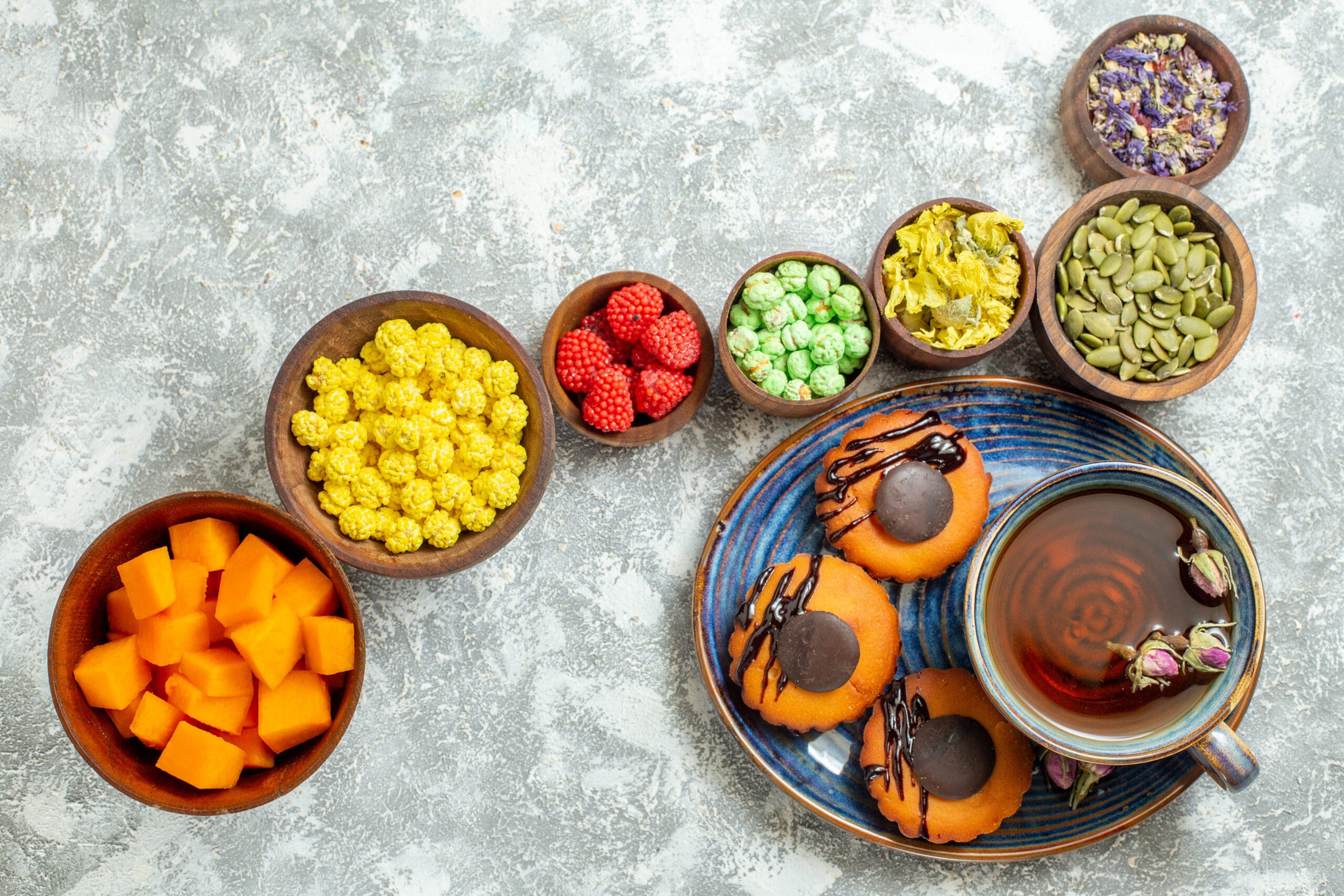
What Cultural Foods To Avoid
You want meals that keep you steady, not meals that push blood sugar up, pull water out or upset your gut. Avoid spicy, fried, and rich foods at suhoor and iftar to prevent excessive thirst, reflux, and bloating.
Processed snacks and fast food pack in salt, sugar, and unhealthy fats without real nutrients. Fuel up with lots of water and skip the caffeine at suhoor to minimize crashes and dehydration.
- Deep-fried snacks (samosas, pakoras, spring rolls, fritters)
- Heavy curries thickened with cream or ghee
- Sugary drinks (sodas, bottled iced teas, sweetened juices)
- Pickles, salted nuts, chips, soy-sauce dishes
- White bread, white rice, sweet buns, pastries
- Fast food burgers, fries, fried chicken
- Creamy desserts (baklava soaked in syrup, kulfi, tres leches)
- Strong coffee, black tea, energy drinks
1. Deep-Fried Items
Avoid excessive samosas, pakoras, tempura, and fried chicken during Ramadan because fried foods are bad for you. Grease bogs digestion, makes you thirstier, and can give you heartburn after iftar.
It raises LDL cholesterol and contributes surplus kilojoules that make you fat. Trade for baked samosas, air-fried falafel, grilled kebabs, or oven-roasted potatoes.
2. Sugary Drinks
Cut out sodas, nectars, sugarcane juice and any carbonated drinks. They spike your blood sugars, then crash. They bloat you and drive thirst later.
Choose water, coconut water, or diluted 100% juice (one part juice to three parts water). Steer clear of caffeine, particularly at suhoor, to avoid dehydration and energy crashes.
3. Salty Dishes
Skip the pickles, salted nuts, chips, cured meats and soy-heavy stir-fries to lower the risk of dehydration. At suhoor and iftar, salt pushes sodium up and triggers thirst.
Use fresh herbs, lemon, cumin, and mild spices over salt-heavy sauces. Watch canned soups and processed meats. Check labels for sodium above 600 mg per serving.
4. Refined Carbohydrates
Steer clear of white bread, white rice, vermicelli desserts, and sugar cereals to maintain stable blood sugar. White-flour foods have no fiber, so you’re hungry again quickly.
Reach for oats, brown rice, whole-wheat flatbread, and bulgur. They can lead to blood sugar imbalances that trigger gas, swings, and daytime crashes.
5. Heavy Creams
Avoid cream, ghee-soaked gravies and full fat dairy in desserts to save on fat. Go with low-fat yogurt, labneh or skim milk. They digest easier and still provide protein.
Creamy sauces can really irritate your stomach and delay emptying. Go instead for yogurt raita, tahini-thinned sauces or tomato-based curries.
Why These Foods Disrupt Fasting
You can handle extended periods without water or food during Ramadan. What you eat at Suhoor and Iftar shapes your energy, hydration, and gut comfort for the next 12 to 16 hours. Certain cultural staples fare great on regular days but can tax your system during the Ramadan experience. The fundamental question is how quickly they digest, how they impact blood sugar and fluids, and how they strain your gut.
Fried foods slow heavy digestion and can lead to reflux and gas. They provide minimal hydration due to the added oil load, resulting in indigestion and lethargy. Instead, consider healthier alternatives that include lean meats and vegetables. Spicy dishes can cause gastric irritation and trigger thirst, leading to stomach burn and a hard fast. Refined carbs and sugary drinks create a sharp glucose spike followed by a crash, pulling water into the gut and causing early fatigue and cravings.
Processed foods that are high in salt and sugar can lead to bloat and gut stress. The salt in these foods drives water loss, which can result in headaches and a dry mouth. Caffeine from coffee, tea, and energy drinks acts as a diuretic, increasing urine output and potentially leading to dehydration and poor sleep. Instead of caffeinated beverages, herbal teas can be a better option to maintain hydration. Carbonated drinks can cause gas and distension, providing no net hydration gain and resulting in bloating and discomfort.
Heavy, fatty, and rich foods slow gastric emptying, making you feel full yet drained. Heavy, greasy Iftar platters or creamy Suhoor stews linger in your stomach, causing indigestion and reducing your motivation to drink water. Fried foods, in particular, add oxidative byproducts and salt that exacerbate reflux and thirst overnight. Opting for balanced meals with nutritious sources can help maintain energy levels.
Refined carbs and soda-driven milkshakes send glucose rocketing to a peak, then insulin crashes it to a low. Sweet syrups, pastries, or sweetened juices at iftar cause a quick rush and a crash, making you sleepy and hungry soon after. This can make you more prone to overeating later. Over days, this can add weight, increase blood pressure, and stress metabolic health, especially for those managing diabetes.
Caffeine-containing drinks increase urine output and can disrupt sleep, exacerbating exhaustion. Processed foods pack secret salt and sugar that suck water from your cells and give you headaches. Carbonated drinks bloat; they expand in your gut. Even healthy high-fiber foods, like raw nuts, assist when moderate, but copious handfuls without sufficient water can cramp your gut.
At Suhoor, aim for light, balanced, well-hydrated eats to even out your energy throughout the day of fasting. Incorporating fruits and dairy products can provide essential nutrients, making your daily fast more manageable.
The Common Suhoor Mistake
Suhoor is not a midnight banquet. It’s a tiny, clever feast that sees you through the daylight hours with sustained energy.
Suhoor mistake #1 – Having just starchy foods or sugary cereals at dawn will have you set for a tough morning. White bread, pastries, refined grains and sugar-laden flakes burn fast and then crash. You get hungry by mid-morning and your concentration wanes. Huge bowls of white rice or mounds of white pita or sweet porridge do the same. A heavy, unbalanced plate can bog your gut and trigger heartburn, bloating and nausea.
Suhoor needs to have protein, healthy fats, and fiber to slow digestion and steady blood sugar. Shoot for eggs, plain yogurt, cottage cheese, tofu, or beans as your protein source, olive oil, avocado, and nuts or seeds for fat, and oats, whole-grain bread, or brown rice if you want fibrous carbs.
Pair with produce for micronutrients and bulk. Example combos include oat porridge with chia and berries, a whole-grain wrap with eggs, spinach, and olive oil, yogurt with nuts, seeds, and banana, and lentils with brown rice and cucumbers. Keep portions quiet. One suhoor blunder we all fall into is overeating, which will make you slow and lazy later on.
Avoid caffeine at suhoor. Coffee and tea actually increase urine loss and can increase your dehydration risk throughout the day. If you have to have caffeine, shift it to iftar and drink plenty of water.
Make sure to drink water at suhoor, about 500 to 750 ml, plus more between iftar and sleep. Stay away from spicy foods that trigger gastric irritation and thirst, such as extra-hot curries or potent chili sauces.
Time your meal right. Procrastinate suhoor so that you eat close to Fajr, but close shop before the Fajr Adhaan starts. Eating after it invalidates the fast. He said you should rush to iftar and delay suhoor for ease and benefit.
Build a balanced plate: whole grains, fruit or vegetables, lean protein, and a small dose of healthy fat. Save the sweets, fried foods, and heavy spices for another day. Suhoor is for slow-burning fuel, not excess.
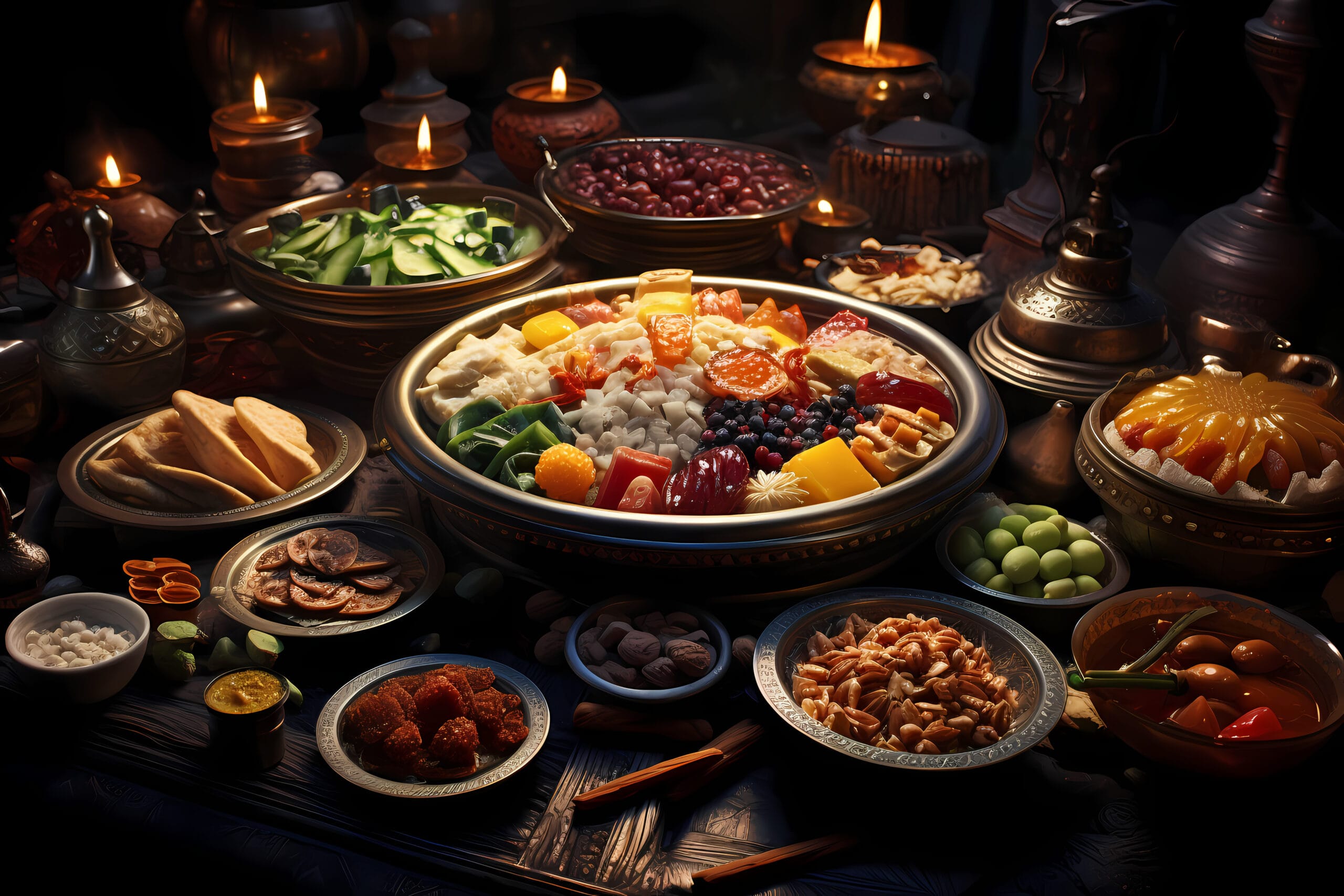
Rethinking Iftar Traditions
You establish the mood for both your evening and the following day with your iftar meal at sunset. Rethink Ramadan traditions by opting for healthy eating. Go for sustained energy, good sleep, and smooth digestion with light, balanced meals that still respect culture and flavor.
For Muslims in the UAE, especially in Dubai, Ramadan is a time of reflection, devotion, and community. This holy month, Ramadan is the ninth month of the Islamic calendar, and its beginning is confirmed by the sighting of the crescent moon. From sunrise until sunset, believers abstain from food and drink, choosing to eat and drink only during the evening hours. Nights are marked by prayer and the special Taraweeh gatherings at mosques, while families and friends come together in gratitude and generosity. The sacred period concludes with the joyous celebration of Eid.
Promote Hydrating Drinks And Light Iftar Meals
Reimagining iftar habits begins with water, then a date or two. Dates provide fast-acting carbohydrates, potassium, and fiber to replenish energy after fasting. Throw in a small bowl of soup, lentil or vegetable, to rehydrate and warm the stomach.
Opt for laban, ayran, or plain yogurt for fluid and electrolytes. Save fried snacks and oily stews for late night or ditch them. This cut in fat reduces reflux and post-meal lethargy.
Limit Sunset Sweets To Prevent Spikes
Syrupy pastries, rich custards, and ice cream – not at first bite. Big sugar loads create a spike, then a crash. If you want something sweet, keep it small: fresh fruit, a few dried apricots, or a small square of dark chocolate.
Reserve more indulgent desserts as occasional treats and mind the serving size. You don’t want to get fat or have late-night sugar cravings.
Encourage Vegetables, Legumes, Lean Meats
Fill half your plate with vegetables, a fourth with lean protein and a fourth with whole grains. Add some salads, roasted roots, or steamed greens for fiber and volume. Include legumes, such as lentils, chickpeas, and fava beans, for slow carbs and plant protein.
Add some grilled fish, skinless chicken, or lean beef for iron and B vitamins. Top with grilled halloumi, yogurt, or laban for calcium to help keep those bones strong.
Avoid Overeating At Iftar To Sleep
Start with a small, light meal, wait 10 to 15 minutes, then eat more if required. Avoid very spicy dishes to reduce gastric irritation and thirst.
Consume 1.5 to 2.5 liters of water in between iftar and suhoor. Aim for consistent calcium, fiber, and diverse nutrients so you are energized the following day.
Smart Cultural Food Swaps
You require sustained energy, proper hydration, and light digestion during extended fasts. Move away from deep-fried, salty, and sugar-laden festival foods to lighter prep, whole foods and intelligent drinks at suhoor and iftar.
Healthier swaps you can use now: 1. Trade fried starters (pakoras, sambusa) for baked or air-fried versions to cut oil. 2. Skip heavy sweets and use dates, fruit, or honey in small amounts. 3. Choose whole grains such as oats, brown rice, and bulgur for slow, even fuel. 4. Go for low-fat dairy and add yogurt dips instead of cream sauces. 5. Avoid spicy and very salty dishes at suhoor to reduce thirst. 6. Drink water or milk, not caffeinated or fizzy drinks. Add kombucha or sugarcane juice in moderation and pick decaf coffee if needed. 7. Build plates with vegetables, lean protein, and grains for balance.
| Meal | Common dish to limit | Smarter swap |
| Suhoor | Fried bread with jam | Oatmeal with milk, nuts, berries |
| Suhoor | Spicy eggs and fries | Plain omelet, whole wheat toast, cucumber |
| Iftar | Deep-fried samosas | Baked/air-fried samosas, same filling |
| Iftar | Creamy pasta | Whole wheat pasta, yogurt-herb sauce |
| Both | Soda | Water, milk, sugarcane juice, kombucha, decaf coffee |
| Both | Syrupy desserts | Fruit, date bites, yogurt with honey |
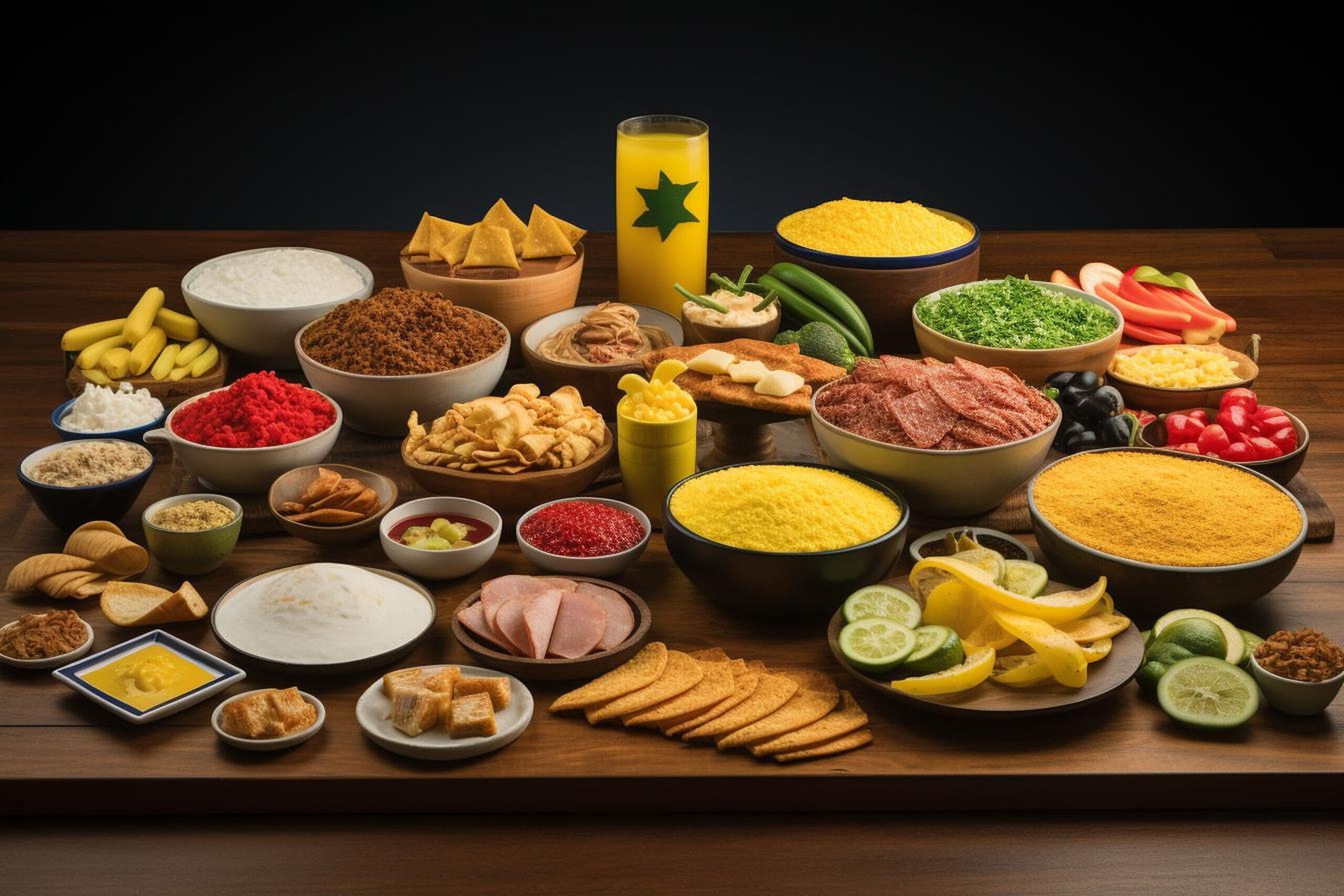
Baking Not Frying
Bake or air-fry samosas, spring rolls, falafel, and potato wedges. Take advantage of a light brush of oil, high heat, and a wire rack for crisp edges. You get less fat, better digestion, and fewer post-iftar energy dips.
This retains more nutrients in starches and vegetables and decreases gastric load after extended fasts.
Natural Sweeteners
Use chopped dates in puddings, honey in tea, or dried apricots in compotes. Watch the portions so you do not get blood sugar spikes as well.
Cut back on syrups and artificial sweeteners. A few smart cultural food swaps here and there include dolloping berries or citrus on salads, porridge, and yogurt for vitamins and fiber. Bake your own sweets using nuts, seeds, oats, and a little sugar.
Whole Grains
Trade white rice and bread for healthier alternatives like brown rice, whole wheat bread, or oats, which provide complex carbohydrates essential for maintaining energy levels during your daily fast and supporting gut health.
- Suhoor: oatmeal with milk or laban, yogurt with oats, berries, and nuts.
- Iftar: brown rice pilaf, bulgur tabbouleh, whole wheat flatbread.
- Both: barley soups, millet porridge, quinoa salads.
Lighter Dairy
Go for low-fat milk, yogurt, and cheese. Smart cultural food swaps. Swap cream sauces for yogurt-tahini or herb yogurt.
Add probiotic-packed yogurt to meals for digestion. Grill halloumi or drink fresh laban at iftar for calcium. Reserve heavy creams and full-fat cheeses for special occasions.
Beyond Food: The Hydration Factor
Hydration influences your fasting quality. What you drink, when you drink, and the water in your meals impact energy, mood, and lifetime health.
Above and beyond food, emphasize water and hydrating beverages during iftar and suhoor so as to not get dehydrated. It’s about consistent hydration through iftar to suhoor, not a one-time gulp. An easy benchmark is two to three glasses (500 to 750 ml) at iftar, two to three glasses throughout the evening and two to three glasses at suhoor.
Hydration is key; begin iftar with water, soup or milk. Beyond food: the hydration factor; throw in some hydrating options like sugarcane juice, kombucha, or decaf coffee if you’re feeling fancy and use small portions if they’re sugary. A balanced iftar of fluids, lean protein, whole grains and produce replenishes glycogen and salts that enhance fluid balance and next-day stamina.
Avoid caffeinated and sugary beverages that make you pee more and intensify thirst. Caffeine in coffee, black and green tea, and energy drinks can be a diuretic and send you to the potty, draining fluids before daybreak. Sweet sodas, syrups, and milkshakes spike blood sugar, then leave you parched and hungry.
If tea or coffee is your culture, opt for decaf or make it weak and serve small amounts, particularly past midnight. Pump up meals with hydrating fruits and veggies such as cucumbers, watermelon, oranges, tomatoes, and lettuce. Throw in a cucumber and tomato salad at iftar, and snack on orange slices or watermelon later in the night.
Yogurt with berries and nuts makes for a compelling suhoor. It infuses water, protein, and fat that slow digestion, helping to curb thirst and mid-morning dips. Good hydration supports nutrient use. Adults need approximately 1000 to 1200 mg of calcium per day for bone health, and fluids assist with calcium absorption.
Make a hydration plan, too. Use phone alarms or a simple 3-block plan: iftar, mid-evening, suhoor. Monitor total in ml. Beyond food: the hydration number during Ramadan many short on calcium when calcium intake falls, the body leaches it from bone to maintain blood levels. Pair fluids with calcium foods like dairy, fortified plant milks, or tofu.
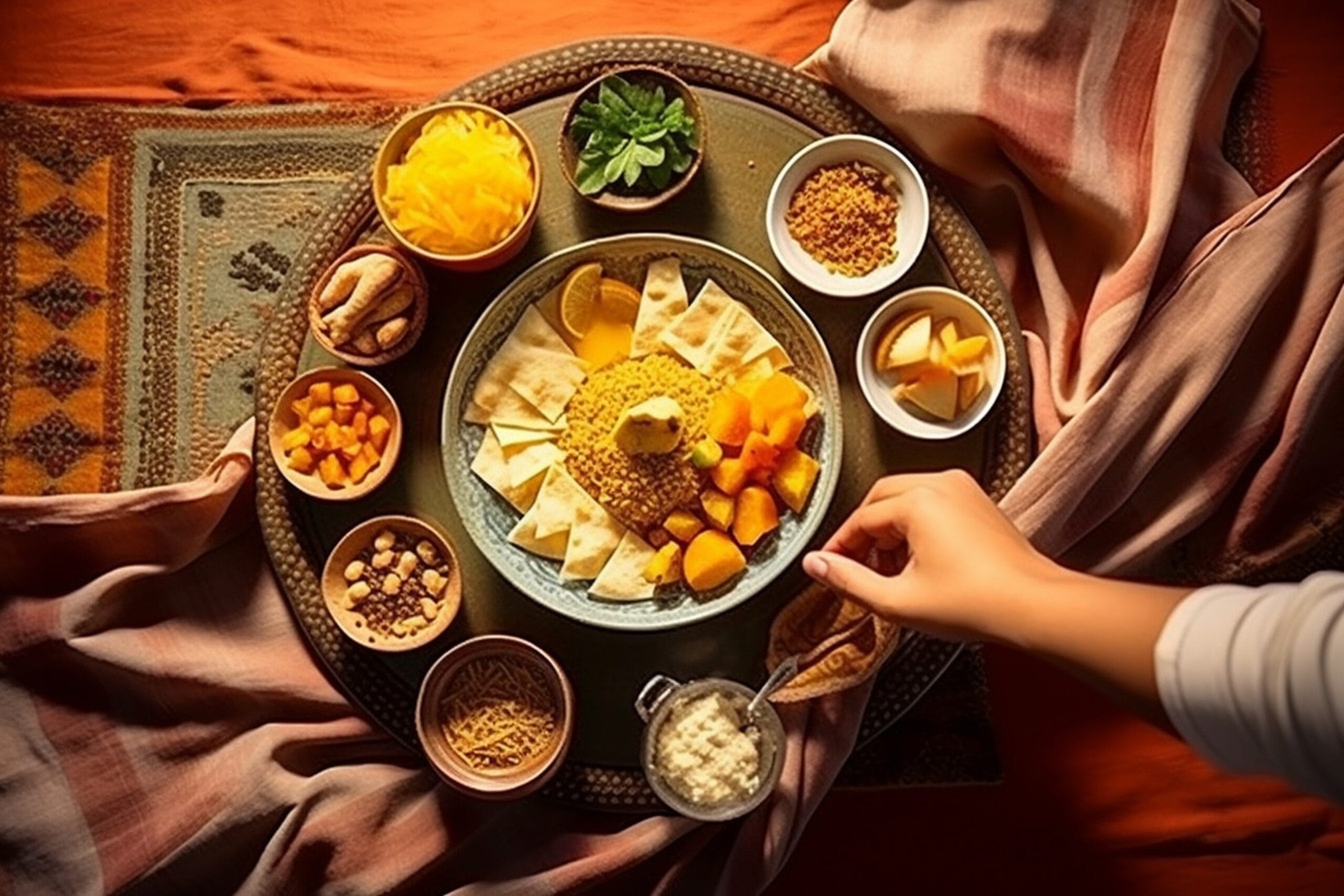
Conclusion
You need a quick, actionable guide you can apply daily. Shift your plate with small steps that stick. Avoid deep frying at suhoor. Go for eggs, oats, dates, and plain yogurt. At iftar, begin with water, two dates, and light soups. Keep mains clean: grilled fish, lentil stew, roast vegetables, and brown rice. Reserve rich desserts for infrequent occasions. Cut the salt in the late evening. Drink two to three liters of water from maghrib to fajr. Space the swigs. Tea and coffee in minute cups alone.
For a real-world swap, trade pakoras for baked veg patties. Trade your biryani for chicken and quinoa. Trade the qatayef for fresh figs with yogurt.
You make the call. Try a swap this week. Let us know what you give a shot next and share your favorite swap with the community.
FAQ
Which cultural foods should you avoid during Ramadan?
Avoid deep-fried samosas, stuffed pastries, and oily pickles during Ramadan, as they can lead to bloating and thirst. Instead, choose baked, grilled, or steamed options for healthier eating.
Why do fried and sugary foods disrupt fasting?
Consuming unhealthy fats and sugary foods can cause your blood sugar to spike and then crash, delaying digestion and causing thirst, which complicates your daily fast during Ramadan.
What is the most common suhoor mistake?
Eating just refined carbs, such as white bread or sugary cereal, leads to quick hunger. Incorporating lean meats, healthy fats, and fiber into balanced meals can help maintain energy levels longer.
How should you rethink iftar traditions?
Save faves, but lighten them. Break your fast during Ramadan with water and dates, then enjoy a balanced meal featuring soups, lean proteins, veggies, and whole grains.
What are smart swaps for popular cultural dishes?
- Fry -> bake or air-fry
- White rice -> brown rice or quinoa
- Syrupy desserts -> fruit, yogurt, or smaller portions
- Processed meats -> grilled fish, lentils, or beans
How can you manage salt in traditional meals?
Cut back on added salt and consider healthy alternatives like herbs, citrus, garlic, and spices to zest up your meals. Stay away from pickles and salty cheeses, particularly at suhoor, to maintain balanced meals during Ramadan.
What should you drink to stay hydrated?
Try to keep to plain water from sunset to dawn during Ramadan. Include soups and water-dense fruits like watermelon and oranges, and consider healthy alternatives to avoid caffeine and extremely sugary beverages.

 Faye3390 says: