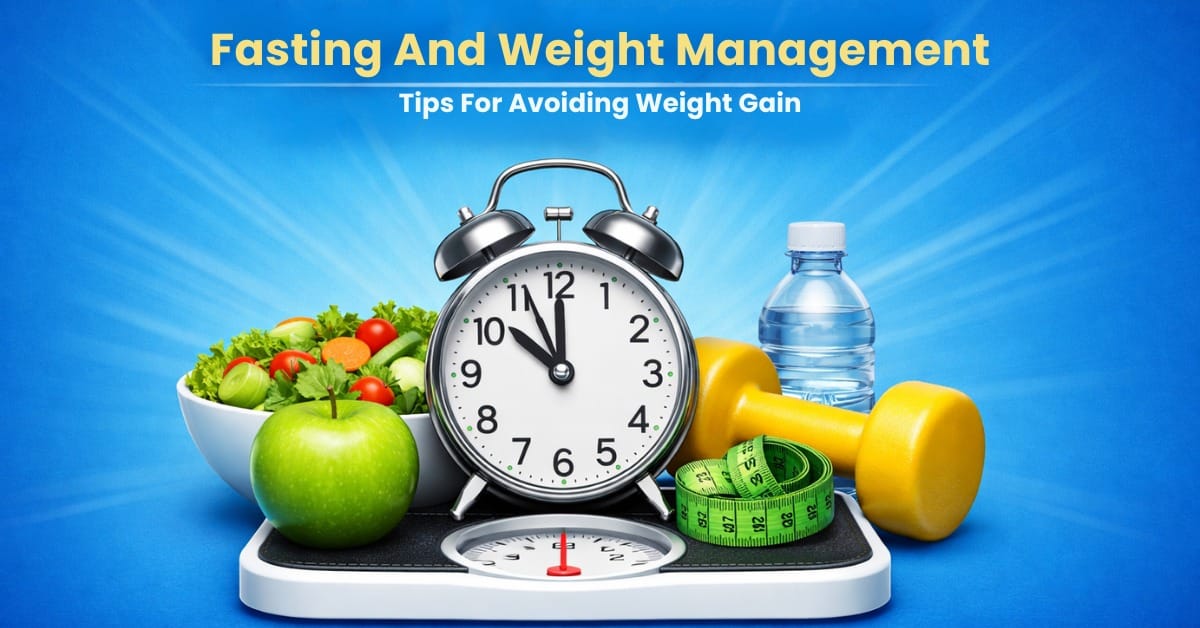
Fasting and weight management is leveraging eating windows to assist you in weight loss and metabolic health. You pick scheduled meal times, then fast for 12 to 24 hours depending on your schedule.
You can experience reduced insulin, improved appetite control, and sustained energy. You still require balanced meals, sufficient protein, fiber, and water.
To suit your objectives, you will balance tradeoffs, monitor advancement, and tweak timing. The guide below details options and steps.
Key Takeaways
- Intermittent fasting is a timing-based eating pattern that, when combined with nutritious foods and consistency, can promote weight loss and metabolic health. Choose a method that fits your routine, such as 16/8, 5:2, eat-stop-eat, alternate-day fasting, or the warrior diet.
- Fasting switches your body from glucose to fat as a source of fuel and has a major impact on hormones like insulin, leptin, ghrelin, and human growth hormone. Follow your energy, mood, and hunger cues to measure metabolic flexibility and advancements.
- These benefits may extend beyond weight loss to improved blood sugar, blood pressure, cholesterol, and markers linked to longevity and brain health. Measure what matters. What’s your goal?
- No one should fast, and some people will get headaches or become tired or irritable. If you have chronic conditions, are pregnant, or have a history of eating disorders, consult a healthcare professional before starting.
- Begin modestly with an easy schedule, map out nutrient-rich meals, and hydrate with water, herbal tea, or black coffee. Break fasts gently and shift your fasting window according to hunger and daily demands.
- Build sustainability, remain flexible, and incorporate social events and life changes. Enjoy your little victories and be consistent for the win.

What Is Intermittent Fasting?
Intermittent fasting is an eating schedule that alternates between periods of eating and fasting. You pay attention to when you eat, not what you eat, although food quality still counts. People choose it for weight control and metabolic benefits since fasting can lower fasting glucose and insulin, decrease insulin resistance, and encourage your body to burn stored energy.
Your body can adjust in as little as two to four weeks; however, mileage may vary. Some succeed in the long term, while others discover that short eating windows do not actually promote much weight change.
- Common methods include time-restricted eating with 16/8, 14/10, or 6 to 8 hour windows, the 5:2 method with twice-a-week fasting, alternate-day fasting, eat-stop-eat with 24-hour fasts, and the warrior diet.
- Examples include 16/8, 14/10 (for example, 09:00–19:00), or one meal a couple of days per week.
- Variants may cap fasting-day intake at 500–600 kcal.
1. The 16/8 Method
You fast 16 hours and eat during an 8-hour window each day. It works for beginners due to its straightforward guidelines and adaptable scheduling. A common schedule is from 12:00 to 20:00. Many skip breakfast to make the math easy.
You can slide the window to coincide with work, prayer, or training blocks. Begin with 14 hours of fasting and 10 hours of eating for a week, then jump to 16 hours of fasting and 8 hours of eating. Keep your meals consistent in size. Hydrate.
2. The 5:2 Diet
You eat normally for five days and then restrict calories to 500 to 600 kcal on two non-consecutive days. For the fasting days, plan your meals with lean protein, broth-based soups, and non-starchy vegetables.
Don’t ‘make up’ calories on non-fasting days. This works for you if you favor less discrete restriction days.
3. Eat-Stop-Eat
You do one or two 24 hour fasts per week, such as dinner to dinner. Start with 12 to 16 hours, then 20 hours, before a complete 24 hours. Anticipate hunger and energy slumps and plan light training.
Keep days non-consecutive to sustain adherence.
4. Alternate-Day Fasting
You alternate fasting and non-fasting days. Some variations permit up to 500 kcal during fast days. It can promote quicker weight loss and is difficult for most to sustain.
Monitor your energy and reduce intense workouts on fast days. Reassess at least weekly.
5. The Warrior Diet
You fast around 20 hours, then consume a single large meal at night. Choose whole, unprocessed foods: legumes, vegetables, whole grains, lean protein, nuts, and fruit.
This is deep. Start easy and apply it only if extended fasts suit your lifestyle.
The Science Of Fasting
Fasting moves you away from continuous feeding to intentional breaks that ignite genuine, controlled transformations. You transition out of glucose and into fat for fuel, insulin dips, cellular repair activates, and metabolism shifts. The research connects fasting to improved biomarkers and brain health. The majority of it comes from animal research.
Hormonal Shifts
Insulin drops in a fast, which assists you in utilizing stored fat. In most IF trials, fasting insulin plummets by 20 to 31 percent, and cholesterol profiles frequently improve.
Human growth hormone, which tends to increase when you fast, can preserve lean mass as you shed fat. You might observe steadier strength if you combine fasting with resistance training.
Leptin and ghrelin signaling get more accurate. Within two to four weeks, hunger waves become less acute and meal timing feels easier. That way, you maintain a consistent consumption and avoid a rebound binge.
All told, lower insulin, higher growth hormone, and calmer hunger cues promote fat loss while protecting muscle, particularly when protein is sufficient and training is regular.
Cellular Repair
Fasting activates autophagy, your built-in cell clean-up that dismantles damaged proteins and organelles. This cellular housework is similar to how cells respond to the stress of exercise.
That clean-up connects to less oxidative stress and lower inflammation, which can in turn cut risk for diabetes and heart disease. Other research finds maintained learning and memory, with advantages for both body and mind.
Damaged cells and misfolded proteins are cleared more efficiently during fasting windows. When done regularly, this may support healthier aging at the cellular level. Much of the data is from mice.
Metabolic Flexibility
Metabolic flexibility means you toggle between carbs and fats effortlessly. Fasting trains this switch. After 10 to 16 hours of no eating, you tap into fat stores and ketones spill into your blood. Your body adapts to do this, even for multiple days.
- Better Energy Stability: fewer mid‑day crashes when meals shift.
- Improved Workout Range: fasted easy work feels fine. Fed hard work feels stronger.
- Resilience To Gaps In Food Access: Travel days or long meetings strain you less.
- Potential disease risk drops. Improved lipids and glucose handling support long-term health.
Track simple signals: morning energy, mood steadiness, and focus quality. Record changes weekly, not daily.
Benefits Beyond Weight Loss
You get more than a trimmer waistline. It can aid in important health markers related to heart, brain, and aging. It boosts lower blood pressure, better cholesterol, and less inflammation, which is important no matter where you live and work.
Metabolic Health
You can lower blood sugar and improve insulin sensitivity with structured fasting windows. That means your cells utilize glucose more efficiently, which can reduce your risk of type 2 diabetes. Combine fasting with fiber-loaded feasts and motion for more consistent outcomes.
Many experience falls in triglycerides and LDL cholesterol, with some small increases in HDL. That shift, combined with lower blood pressure and lower inflammation, indicates more robust cardiovascular health.
These changes trim risk factors for metabolic syndrome: high waist size, high blood sugar, high blood pressure, high triglycerides, and low HDL. Improved lipid profiles construct a wider net of safety.
Monitor fasting glucose, HbA1c, fasting insulin (or HOMA-IR), lipid panel, blood pressure, and waist in cm. Record results every 8 to 12 weeks to capture trends, not day-to-day noise.
Brain Function
Fasting might increase brain-derived neurotrophic factor (BDNF), a protein that promotes neuron development and synapse strength. Elevated BDNF is associated with improved learning and stress resistance.
You might experience sharper focus and a steadier mood on light fast days. Others note cleaner memory during morning work or study sessions, probably from ketones and consistent glucose.
Preliminary research links fasting with a reduced neurodegenerative disease risk through decreased inflammation and enhanced autophagy. These effects intersect with possible anti-cancer pathways as well, though the data is still emerging.
Track things like your mood, sleep quality, and work output. Short tests, such as word recall and simple reaction tasks, help you identify genuine improvements.
Longevity
Perhaps most interesting, animal studies demonstrate that time-restricted feeding and alternate-day fasting extend lifespan. Its mechanisms include reduced oxidative stress, improved cell repair, and optimized energy utilization.
Autophagy increases when you fast, sweeping away busted components and encouraging regeneration. HGH can spike, too, which can help muscle repair when combined with protein and resistance work.
Regular fasting associates with reduced risk of age‑associated disease clusters, such as cardiovascular disease and certain cancers. The signal is compelling. Human trials are underway.
Go for a sustainable protocol, such as 14 to 16 hours fasted, 5 to 7 days a week, combined with sleep, strength training, and whole foods for a comprehensive healthy aging approach.
Is Fasting Right For You
Start by checking your health, schedule, and stress load. Look at your sleep, work shifts, and training. Review medical history, labs if you have them, and current meds.
Consider age, activity level, and goals. Ask if you can plan balanced meals and sustain structure for two to four weeks while your body adapts. Compare fasting with other methods like calorie tracking, higher-protein meals, or smaller, steady changes.
Book time with your primary care practitioner to confirm fit and risks.
Potential Risks
There are some side effects in the first weeks, including headaches, fatigue, or irritability. Hunger swings and bad sleep can crop up as well and typically abate once your body adapts.
If you don’t plan meals, you’re at risk for low intake of protein, iron, calcium, iodine, folate, and fiber. One easy solution is to schedule whole foods for each meal.
Diabetes, particularly type 1 on insulin, comes with a hypoglycemia risk, so medical supervision is warranted. Some long fasts, such as 24, 36, 48, or 72 hours, aren’t better and can be dangerous.
Be on the lookout for rigid food rules, guilt after you eat, or binge-restrict cycles. If these develop, halt and get help.
Who Should Avoid It
Pregnant or breastfeeding mothers, kids and teens, and anyone with a history of an eating disorder shouldn’t fast. If you have a chronic illness, are underweight, or are on meds that require timed meals, you’ll need medical guidance first.
Some patterns, like 16:8, may raise heart disease risk compared with other windows. Choose with care. Fasting can help you lose weight and may even improve heart risk factors, but it’s not for everyone.
| Group | Why to avoid |
| Pregnant/breastfeeding | Higher nutrient needs; risk to parent and baby |
| Children/teens | Growth and brain development need steady fuel |
| Eating disorder history | High relapse risk with restriction |
| Type 1 diabetes on insulin | Hypoglycemia danger without medical oversight |
| Chronic illness/complex meds | Timing conflicts; adverse effects |
Listening To Your Body
Monitor hunger, focus, mood, and exercise performance. If you experience dizziness, weakness, or confusion, end the fast and eat.
Adjust your window length, meal size or training time according to how you feel. Some do great long term, others flounder.
Give it two to four weeks to settle before judging fit. Keep a simple journal: fasting window, meals, symptoms, heart rate, sleep. Harness it to identify trends and optimize.
How To Start Fasting
Go with an easy, staged plan. Choose an approach, prime your body, and establish boundaries that suit your daily lifestyle and health requirements.
- Find a fasting schedule that works with your work, family, and social plans.
- Keep early fasts to 24 hours or less and have a snack available if you feel faint or sick.
- Plan balanced meals with protein, fiber, and healthy fats.
- Hydrate well all day.
- Track hunger, energy, and mood, then adjust.
- Try to finish eating food early in the evening as metabolism tends to slow afterward.
- If you’re new to fasting or have medical issues, consulting with a doctor or dietitian beforehand is a good idea.
- Have achievable targets related to weight, waist, or compliance, not perfection.
Choose Your Method
Begin by aligning a technique to your schedule, sleep, and stress burden. If you travel or do night shifts often, choose a pattern that remains flexible.
When in doubt, start with the least strict and monitor only if you tolerate it well. Weigh training needs. If you lift or run, you may want eating windows that encompass pre- or post-workout meals to hit protein targets and minimize muscle loss risk.
| Method | Fasting: Eating | Best for | Notes |
| 12:12 | 12h:12h | Beginners | Gentle start, supports rhythm |
| 14:10 | 14h:10h | Most schedules | Moderate hunger, good adherence |
| 16:8 | 16h:8h | Busy days | Popular, early finish preferred |
| 5:2 | 2 days low kcal | Flexible weeks | Plan protein on feed days |
| 24h (occasional) | Up to 24h | Advanced | Keep snacks handy if unwell |
Stay Hydrated
Drink water regularly; infuse with lemon, lime, or cucumber. Herbal tea and black coffee are zero-calorie options.
No sugar drinks! Cut back on caffeine to prevent jitters and inadequate sleep. Add a pinch of salt if you sweat a lot. Sip before hunger peaks; thirst often feels like hunger.
Plan Your Meals
Construct meals around protein, fiber, and healthy fats for consistent fullness. Emphasize lean meat, tofu, eggs, legumes, whole grains, nuts, seeds, and colorful produce.
Meal prep one or two times a week to reduce the need for impulsive picking. Plan your week, shop with a list, and batch cook. Consume adequate protein on feast days to aid in muscle preservation.
Try mindful or intuitive eating during windows to satisfy needs, not cravings.
Manage Hunger
Drink water or herbal tea when pangs intensify. Others swear that light aerobic exercise suppresses appetite. Short walks do wonders.
Stay active during fasting periods. Try meditation to help waves of hunger pass. Break your fast with light, simple foods first, such as yogurt, soup, or fruit.
Then, have a well-balanced meal. Track hunger and energy to shift windows as needed.
The Fasting Mindset
Mindset establishes your rhythm, informs your decisions, and sustains you when life grows noisy. Fast as a lifestyle you fine-tune, not a cure. Anticipate slips. Use them as information.
Focus on long-term benefits, such as more stable weight, improved blood markers, and increased energy, rather than short-term fluctuations.
Fasting for weight loss has gained popularity as a simple fasting diet that fits modern lifestyles. One common form of intermittent fasting is day fasting or schedules where you fast for 16 hours and eat within a limited window. Fasting for 16 hours allows the body to burn stored fat, and intermittent fasting may support metabolism and improve overall health benefits. Because this approach helps control calorie intake, it can be effective for weight loss and help people lose excess fat. With consistency and balanced nutrition, this method can help people lose weight in a sustainable way.
Beyond The Rules
Embrace structure, not rigidity. Some adhere to IF for years, while others flounder. Adapt the plan to your needs, health, and schedule.
Here’s to test meal timing. Some thrive on just one meal a day. One researcher notes that eight hours or less is where benefits kick in.
Try 10:00 to 18:00 or 08:00 to 16:00 and note how you sleep, focus, and train. Front-load the day whenever you can.
Studies suggest that earlier eating improves blood sugar and blood pressure, with gains when you end by about 18:00. Protect wellness above all.
If stress is spiking, shift the window, shorten the fast, or pause. Celebrate small wins: one solid week, one stable morning routine, one social event navigated well.
Social Situations
Arrange the week so important events fall within your eating window. If dinner starts at 19:30, push your first meal later that day or move your window for the week.
Explain your plan to friends and family in layman’s terms. Heads-ups cut pushback and help hosts assist you.
If timing won’t budge, bring a meal you can eat within your window or transport low-sugar drinks. Think about the people and the pace, not the snack table.
Have backup choices: soup, salad with lean protein, whole grains. If you eat off the plan, baseline the next meal.
Long-Term Consistency
Shoot for habits you can maintain for months. A daily 16:8 can work. Alternate-day modified fasting, which involves consuming around 25% of normal calories on ‘fast’ days, is an alternative.
Longer fasts, such as 24 to 72 hours, aren’t better and can be dangerous. Set clear goals: three weeks of 16:8, end meals by 18:00, and lift twice weekly.
Track basics: body mass, waist, mood, sleep, and steps. If it frequently shaves approximately 250 kcal per day, this equals about 0.2 kg per week and might safeguard our organs from type 2 diabetes, cardiovascular disease, and age-associated brain disorders.
Adjust with life: travel, illness, shift work. Switch the window and maintain the habit!

Conclusion
You crave defined victories. Fasting can assist you in reducing body fat, stabilizing appetite, and saving time. You reap bonuses like improved concentration, reduced snack budget, and easy cooking. Tiny steps accumulate. A 14:10 or 16:8 plan can fit a busy week. Plain meals work fine: oats with nuts, rice and beans, grilled fish, eggs, fruit, and yogurt. Water, black coffee, or tea maintain your course.
To be on the safe side, consult your physician if you take medications or have a medical condition. Track basics: hours fasted, steps, sleep, waist in centimeters. Observe mood and energy. Make one modification at a time. Choose a window, choose a start date, and try it for two weeks. Here’s an easy-to-follow cheat sheet. Take the starter plan here.
FAQ
What is intermittent fasting, and how does it help with weight management?
Intermittent fasting is an eating pattern that alternates between periods of eating and fasting. You shrink your eating window, which frequently decreases overall calories. It could increase insulin sensitivity and fat burning. Combined, they can promote consistent, maintainable weight loss.
Which fasting schedule is best for beginners?
Start with a 12:12 or 14:10 fasting to eating ratio. Progress to a 16:8 ratio if you feel good. Stick with water, black coffee, or unsweetened tea during fasts. Select a strategy that suits your life. Consistency is more important than precise timing.
Will fasting slow my metabolism?
Short-term fasting usually doesn’t slow metabolism. In some cases, it can increase norepinephrine, which supports fat use. Long-term aggressive restriction can suppress metabolism. Resist the urge to dive into dramatic deficits. Consume sufficient protein and engage in strength training to preserve lean mass.
What can I drink during a fast?
Stick to zero-calorie drinks: water, mineral water, black coffee, and unsweetened tea. Not milk, creamers, juice, or alcohol. If you do add anything, make it truly calorie free so that you remain fasted.
Is intermittent fasting safe for everyone?
No. Do not fast if you are pregnant, breastfeeding, lean, under 18, or have a past of an eating disorder. If you are diabetic or on medications, check with your clinician first. Your own medical advice is crucial.
How do I handle hunger and cravings while fasting?
Drink water, sip hot tea, keep yourself occupied. Infuse meals with additional protein, fiber, and healthy fat. Get good sleep and control stress. Test by stretching fasts until your body catches up. Most cravings subside after the initial one to two weeks.
What should I eat when I break a fast?
Choose protein, fiber, and healthy fats: eggs with vegetables, yogurt with berries, tofu and greens, or fish with quinoa. Don’t eat heavy, ultra-processed foods. Chew slowly. Focus on whole foods to manage appetite and maintain results.

 Eden1792 says:
 Ginger1740 says: