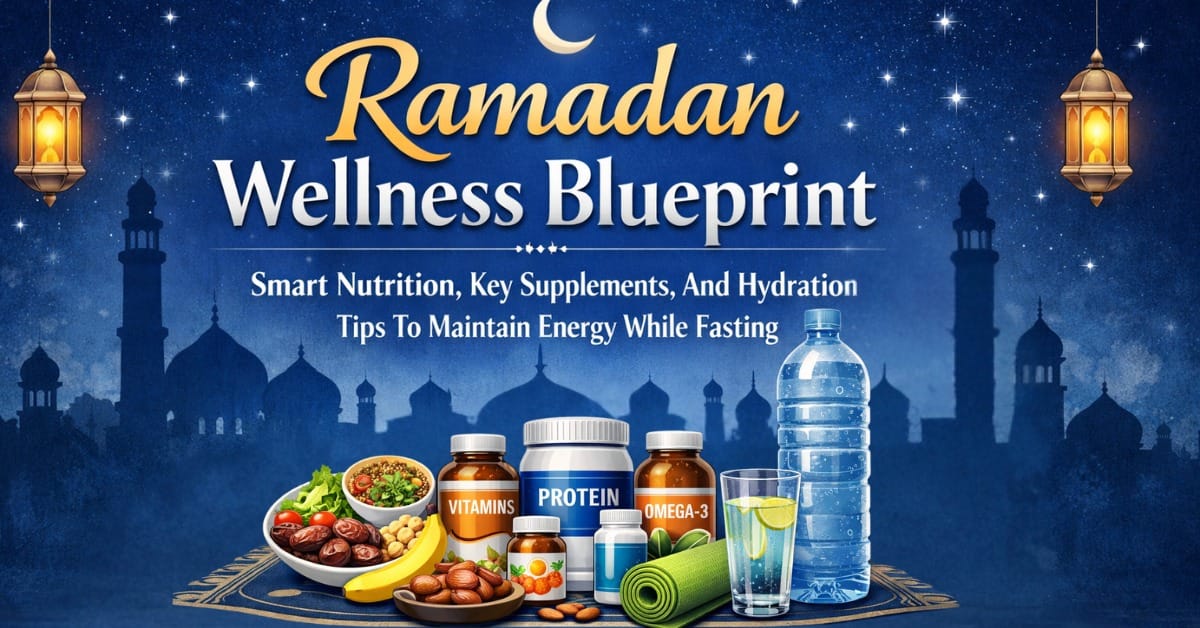
Supplements and vitamins to consider include vitamin D, B12, iron, calcium, magnesium, and omega-3s. You’re fasting all day, and energy, mood, and bone health count.
Vitamin D is a big help when sunlight is low. B12 and iron fuel concentration and red blood cells. Calcium and magnesium support muscle and sleep. Omega-3s support heart and brain health.
You need safe spacing between suhoor and iftar. The guide below spells it out with easy actionable steps.
Key Takeaways
- Fasting alters your feeding window and nutrient absorption, so plan suhoor and iftar with nutrient-dense foods and targeted supplements to sustain vigor and balance.
- Make hydration with water, electrolyte sources, and hydrating foods between iftar and suhoor a priority to minimize fatigue, headaches, and cramps.
- Supplement with targeted gap fillers such as electrolytes, B vitamins, vitamin C, iron, omega-3s, probiotics, calcium, vitamin D3, vitamin K2, and magnesium for sleep.
- Time your supplements for best results. Take multivitamins, B vitamins, protein, and electrolytes with suhoor. Take fat-soluble vitamins, omega-3s, probiotics, and antioxidants with iftar.
- Food first. Construct your meals around fruits, vegetables, whole grains, lean proteins, and healthy fats. Minimize ultra-processed foods and added sugars.
- If you’re handling diabetes, pregnancy, or persistent conditions, customize your strategy. Align supplements and drugs with your clinician and observe your reactions.

How Fasting Changes Your Body
During Ramadan, transitioning to two meals necessitates a balanced diet that addresses your nutritional needs. This shift can cause larger swings in hydration and digestion, making proper nutrition and quality supplements essential for maintaining stability and ensuring an energized fasting experience.
Nutrient Absorption
With fewer meals, you have fewer opportunities to intake vitamins and minerals effectively. Big, hurried iftar plates can overwhelm the gut and dull absorption, while late, heavy suhoor can drag digestion into the day.
Try to make nutrient-dense choices and intelligent supplement timing to meet daily requirements. A good multivitamin, vitamin D3 (1,000 to 2,000 IU), B12, iron (if low), calcium and magnesium, iodine (if low), and omega-3s will help fill in gaps and support immunity and energy.
Take supplements with a meal to minimize stomach discomfort.
| Goal | Foods | Supplements | Absorption tip |
| Iron | Lentils, red meat, spinach | Iron bisglycinate | Add 75–150 mg vitamin C; avoid tea/coffee |
| Calcium | Yogurt, tofu (calcium-set), sesame | Calcium citrate | Split doses; add vitamin D3 |
| Vitamin D | Eggs, fortified milk | D3 (cholecalciferol) | Take with fat |
| B12 | Fish, dairy, fortified cereals | Methylcobalamin B12 | Morning dosing helps with energy |
| Omega-3 | Fatty fish, walnuts, flax | EPA/DHA fish oil | With suhoor or iftar fat |
| Zinc | Beans, beef, pumpkin seeds | Zinc picolinate | Away from high-calcium meals |
Energy Metabolism
You switch from glucose to fat as your primary fuel, so you tap fat stores and can lose weight. This fat use can even release and clear stored toxins, serving as a slow, month-long detox.
Your body naturally resets habits you can maintain after Ramadan. Set suhoor with complex carbs like oats, whole-grain bread, and beans, and healthy fats such as eggs, olive oil, and nuts.
At iftar, break the fast lightly, then add lean protein and fiber. Missing key nutrients causes lethargy and reduced activity. Monitor feelings, tweak carbs and protein, try creatine (3 to 5 grams), magnesium (200 to 400 milligrams), and B-complex for consistent energy.
Sleep 6 to 8 hours a night to safeguard daytime concentration.
Hydration Levels
Fasting increases the danger of dehydration, especially if you’re working in the heat or have long days. Even slight dehydration can cause headaches, dizziness, and low concentration.
- Water: 30–35 ml/kg between sunset and dawn
- Electrolytes: low-sugar oral solution with sodium, potassium, magnesium
- Hydrating foods: cucumber, oranges, melon, tomatoes, yogurt, soups
- Limit: excess caffeine, very salty snacks, deep-fried foods
- Strategy: 1 to 2 glasses at iftar, steady sips till bed, 1 to 2 at suhoor
Electrolyte balance counts. Supplement with magnesium glycinate at night to reduce cramps. If you perspire heavier, increase sodium and fluids after iftar.
Key Supplements And Vitamins During Ramadan
What you need are smart choices that address nutritional challenges created by extended fasts during Ramadan. Prioritize quality hydration at Iftar or Suhoor and consider a daily supplements list that meets your dietary needs. Always check with your healthcare provider if you take prescribed medication.
1. The Electrolyte Trio
Sodium, potassium, and magnesium assist you in retaining water, maintaining nerve and muscle firing, and reducing cramp risk. Use low-sugar electrolyte powders, oral rehydration salts, or a pinch of salt in soup post-Iftar. Combine with banana, dates, yogurt, tomatoes, spinach, and lentils.
Mind your salt if you have hypertension. Shoot for moderation. If you feel rundown or cramp at night, inquire with your doctor about a magnesium supplement.
Make a short list: salty soup or broth, bananas, kefir or yogurt, leafy greens, legumes, nuts, seeds, and an evening electrolyte drink.
2. The Energy Boosters
B-complex (B1, B6, B12) converts food into energy and fuels the brain and nerves. Take it after Iftar with your meal! Vitamin C supports iron absorption and immunity. Incorporate citrus or take a 250 to 500 mg supplement.
If you’re susceptible to low iron, take iron with vitamin C, away from thyroid meds or antacids. Complex carbs and lean protein steady blood sugar: oats, brown rice, chickpeas, eggs, and fish, plus tofu.
Add omega-3s from salmon, sardines, flax, or algae oil for sustained energy. If hectic, a good multi or gummies at Suhoor.
3. The Digestive Aids
Probiotics and fermented foods support gut balance: yogurt, kefir, sauerkraut, and kimchi. A daily fiber mix, such as psyllium or inulin, lightens irregularity.
Take digestive enzymes with heavy Iftar meals. Mild herbal teas like ginger, peppermint, and chamomile can settle gas or acidity.
Begin with soup, then steamed vegetables and salad to slow the meal and promote absorption. Avoid overeating and very acidic foods to reduce reflux.
4. The Foundational Nutrients
Calcium, vitamin D3 and K2 support bone and heart health. Sunlight may drop, so vitamin D is key. Take fat-soluble vitamins A, D, E, and K with Iftar or Suhoor that contains healthy fats such as olive oil, nuts, or eggs.
A daily multivitamin might cover gaps. Antioxidants E and C help limit oxidative stress. Keep a list: dairy or fortified milk, small fish with bones, eggs, leafy greens, citrus, nuts, and seeds.
5. The Sleep Supporters
Magnesium supports deep sleep and muscle calm. Melatonin can assist in resetting schedule changes. Opt for herbal teas and tryptophan-rich foods such as milk, yogurt, turkey, and oats at night.
Maintain consistent sleep and wake times. Hydrate well between Iftar and Suhoor to cut night cramps. Taper fluids 1 to 2 hours before bed.
Time supplements at Iftar or Suhoor according to type. Use quality brands. Check with your physician if you have conditions or are on medication.
When To Take Your Best Supplements To Support
To ensure proper nutrition during Ramadan, take your dietary supplements with balanced meals to help absorption and reduce side effects. Ground your timing to suhoor and iftar for an energized fasting experience, while avoiding interactions. As recommended by your healthcare provider, separate vitamins and prescribed medication by 2 to 4 hours to meet your nutritional needs.
During Ramadan fasting in the holy month of Ramadan, it is important to stay healthy during Ramadan by choosing the best foods and understanding the best times to take vitamins to support your body. Nutrient-dense meals and appropriate supplements during Ramadan can help maintain energy and improve energy while fasting, allowing you to sustain energy throughout the day. Those fasting with diabetes should consult a healthcare professional and plan balanced meals to stay healthy and manage blood sugar safely.
Ramadan nutrition plays a vital role in helping fasting individuals stay strong and energized during Ramadan. Choosing balanced meals with complex carbohydrates, lean protein, and healthy fats supports sustained energy, while incorporating hydrating foods like watermelon helps replenish fluids and prevent dehydration during non-fasting hours.
With Suhoor
To ensure a healthy Ramadan, take a balanced multivitamin and a B-complex (B1, B6, B12) with suhoor to enhance energy release throughout the day. This aids in turning carbs and fats into energy and might fight mid-afternoon crashes. Water-soluble B vitamins can be taken on an empty stomach, but if you have a sensitive gut, take them with food for better digestive health.
Protein matters: add eggs, Greek yogurt, cottage cheese, or a whey/plant shake containing 20 to 30 grams to help muscle upkeep during long fasts. Incorporate hydrating foods and electrolytes, such as water, milk, and coconut water, to help counter fluid loss. Add fruit such as bananas or oranges for additional potassium, which is essential for overall health. Build suhoor around complex carbs, healthy fats, and fiber, like oatmeal with nut butter and seeds or a whole-grain wrap with eggs, avocado, and spinach.
If you take medications in the morning outside Ramadan, check with your healthcare provider about moving to suhoor or after iftar to maintain your medication management during this transitional month.
With Iftar
Take fat-soluble vitamins A, D, E, and K, and omega‑3s with your iftar meal, since fats boost absorption. Pair with salmon, olive oil, yogurt, or nut-based dishes. Most supplements absorb best post iftar, and some are best taken before bed. This can reduce stomach strain and enhance nutrient utilization.
Add probiotics or digestive aids at iftar to support your gut after fasting, whether it’s a serving of yogurt with live cultures or a probiotic capsule. Take vitamin C and antioxidants like berries, citrus, and tomatoes to help recovery. Break fast with little bites, rehydrate in increments with water, then soup, and finally eat your main plate to shield your digestion.
Beyond The Pill Bottle
Strive to meet your nutritional needs during Ramadan primarily through real food. Complement your balanced diet with quality supplements to fill in the gaps, ensuring you make clever choices that enhance your fasting periods and support overall health.
Food First
Construct suhoor and iftar meals with vegetables, fruit, whole grains, legumes, nuts, seeds, and lean proteins such as eggs, fish, chicken, and yogurt. This blend includes energy-supporting B vitamins, bone-supporting vitamin D partners like calcium, fiber for digestion, and sustained energy.
| Meal | Food | Key nutrients |
| Suhoor | Oats + yogurt + berries + chia | B vitamins, calcium, fiber, omega-3 (ALA) |
| Suhoor | Eggs + whole-grain bread + avocado | Protein, B12, healthy fats |
| Iftar | Lentil soup + salad + grilled fish | Iron, folate, protein, omega-3 |
| Iftar | Brown rice + chickpeas + spinach | Magnesium, potassium, fiber |
| Either | Orange, banana, dates, nuts | Vitamin C, potassium, quick glucose, healthy fats |
Limit fried foods, refined sweets, and processed snacks. They displace nutrients, cause blood sugar spikes, and can make thirst worse.
From seasonal fruit to crisp salads to warm soups, you’ll hit vitamin C, folate, potassium, and fluids. A balanced suhoor and iftar provide the necessary vitamins and minerals for your body to function throughout the day.
Smart Hydration
Sip water in small, consistent quantities between iftar and suhoor. Target clear to pale-yellow urine. Fasting hours during Ramadan increase dehydration risk and can shift electrolytes. Plan fluids.
Sprinkle in some hydrating foods like cucumbers, watermelon, oranges, and broth-based soups. Go beyond the pill bottle. Use milk or kefir for added protein and electrolytes.
Distribute consumption during the night. Don’t chug it all at once because it can dilute electrolytes and make you sick to your stomach. Water aids digestion and prevents the dreaded next-day hangover headache.
Mindful Movement
Keep light movement in your day, such as walking, stretching, or gentle yoga, to help mood, digestion, and energy balance.
Work out post iftar or right before suhoor to minimize dehydration and fatigue. Begin simple, then construct.
Pay attention to your body! Shorten sessions in case you get dizzy or sluggish. B vitamins help energy release from food, and vitamin D supports bones and immunity when sun time is low.
Guard your sleep with a goal of 6 to 8 hours each night. It stabilizes both energy and recovery.

Special Health Considerations
You need a plan that suits your health, medications, and fasting hours during Ramadan. Collaborate with your healthcare provider to customize dietary supplements, doses, and timing for a balanced Ramadan diet. Use a simple checklist: your conditions, current meds, labs (A1C, ferritin, vitamin D), safe supplements, hydration in milliliters, and red flags that mean you should break the fast.
During the month of Ramadan, choosing the right foods can help you maintain energy levels throughout the day. A balanced pre-dawn meal that includes foods rich in fiber, protein, and healthy fats can support sustained stamina and help reduce fatigue while fasting. Prioritizing whole grains, fruits, nuts, and dairy can make long fasting hours more manageable and keep you feeling nourished.
Diabetes
To maintain steady blood sugar levels during Ramadan, focus on a balanced diet that includes smaller, more frequent meals in non-fasting hours. These meals should be built around complex carbohydrates, lean proteins, and fiber to support your nutritional needs. It’s essential to coordinate any dietary supplements, like magnesium or vitamin D3, with your healthcare provider’s advice to avoid raising glucose levels.
Bring quick-acting sugar. Take 15 grams of glucose tabs or a small snack, such as 125 milliliters of juice, to treat lows. Then test again in 15 minutes.
Additionally, consider your medication management by discussing with your healthcare provider the best times to take insulin or oral agents during Iftar or Suhoor. This coordination is vital for a healthy Ramadan experience.
Special health considerations during this transitional month include portion control and choosing low-glycemic carbs like oats and lentils. It’s also important to check glucose levels more frequently, especially at dawn and two hours after Iftar, to maintain good health throughout the holy month.
Pregnancy
You require increased folic acid (minimum 400 µg/d), iron, calcium (1,000 mg/d), and vitamin D3, preferably through prenatal and nutrient-rich foods such as eggs, yogurt, beans, leafy greens, and fortified milk.
Consume smaller, more frequent meals at Suhoor and Iftar to even out blood sugar and energy. Record nausea, fatigue, and baby kicks. Drench yourself between Iftar and Suhoor to avoid constipation and cramping.
Special health considerations — check with a family medicine or obstetric specialist to establish safe fasting plans, dosing, and labs. Breastfeeding mamas thrive on smaller, frequent meals and strong hydration to safeguard milk supply.
Chronic Conditions
Adjust medications and supplements schedules with Iftar and Suhoor while respecting spacing rules, such as taking levothyroxine on an empty stomach. Verify fasting safety for kidney disease and hypertension with your provider.
Drink plenty of water between Iftar and Suhoor; this aids reflux, blood pressure, and kidney function. If special health considerations are required, use a chart to tick off doses and milliliters of water so nothing is missed.
- Kidney Support: fluids as advised, B-complex, vitamin D3 if deficient
- Heart Health: omega-3 (EPA/DHA), magnesium, potassium from food, CoQ10 if approved
- Overall, Iron should be taken only with a deficiency. A quality multivitamin is important. Probiotics support gut comfort.
Premium supplements may fill holes. Get clearance from your doc first.
A Personal Approach To Supplementation
You benefit more from proper nutrition when you customize your supplements to your diet, daily routine, and wellness objectives. Ramadan changes your eating window, so start by examining what suhoor and iftar encompass. When these meals come up short on critical nutrients, your body may not perform optimally, and supplements can help fill the nutritional gaps for a healthy Ramadan experience.
Eat well—lean proteins, whole grains, fruits or vegetables, and healthy fats—to provide baseline vitamins and minerals before you supplement with pills or powders. Create a straightforward daily checklist. Record what you intend to take at suhoor and after iftar, and then note what you actually consume and how you feel.
A quick journal—meals, water (try for consistent hydration between iftar and suhoor), energy, mood, sleep—reveals trends quickly. If your energy crashes by noon, experiment with Vitamin B Complex, which includes B1, B6, and B12, at suhoor to help fuel food-to-energy conversion throughout the day.
Take Vitamin D if you restrict sun exposure for bone and immune support. It is fat-soluble, so take it with a fat-containing meal, either at suhoor or post-iftar. The same goes for Vitamins A, E, and K, which are essential for maintaining overall health. For hydration, prioritize water, followed by ORS or electrolytes if you sweat heavily or live in warm climates.
Tweak for you. Age, gender, and activity alter requirements. Adults over 50 may require additional Vitamin D and B12. Menstruators may require iron if their tests show low stores. Endurance training may require electrolytes and magnesium, consumed post iftar with food.
If you’re feeling lethargic, don’t guess—talk to a healthcare provider and test first before supplementing Vitamin D or magnesium. As always, consult with your doctor if you are on any medications or have medical conditions.
Remain adaptable. Reassess each week and adjust dose, timing, or type. When plans shift, keep the basics: balanced suhoor and iftar, water between meals, and fat-soluble vitamins with food.
Conclusion
You know your body. Fasting disrupts your schedule, so intelligent adjustments assist. A consistent plan goes a long way. Hydrate well at suhoor and iftar. Consume whole foods before anything else. Take essential additions such as vitamin D, B12, omega-3, magnesium, and electrolytes. Monitor iron and calcium if you require them. Space out doses. Monitor your energy levels. Simple notes help: sleep, mood, focus, bowel movements, and energy at dawn and dusk.
To stay safe, review supplements with your doctor. Look out for indicators such as dizzy spells, cramps, fog, or gut strain. Modify rapid pace in the event that you practice.
Barely have time to kick it off? Try 1,000 IU vitamin D at iftar, 200 to 400 mg magnesium at night, and omega-3 with a meal. Need a plan that fits you? Call and inquire.
FAQ
Can you take supplements while fasting during Ramadan?
Yep, not while fasting. Take your dietary supplements at suhoor and iftar to prevent breaking your fast and minimize stomach upset. Focus on a balanced diet that supports energy and hydration, filling nutrient gaps.
Which vitamins are most helpful during Ramadan?
Focus on vitamin D, B-complex, and vitamin C to support a balanced diet during Ramadan. Vitamin D aids mood and immunity, while B vitamins enhance energy and metabolism. Additionally, vitamin C is crucial for immune health and iron absorption, making quality supplements essential for proper nutrition.
Do you need electrolytes when fasting?
To maintain good health during Ramadan, stay hydrated with sugar-free electrolyte powders or tablets at suhoor and post-iftar while focusing on proper nutrition, including sodium, potassium, and magnesium, avoiding sugary drinks.
Is magnesium worth adding?
Yes, magnesium supports sleep, muscle function, and energy, playing a vital role in maintaining a balanced diet during Ramadan. It could mitigate cramps and headaches, so consider taking magnesium glycinate after iftar to reduce stomach discomfort and support your overall health.
How should you time your supplements?
- Suhoor: multivitamin, electrolytes, omega-3, iron if needed, B-complex
- Iftar or after: vitamin D, magnesium, probiotics. Take iron separately from calcium and caffeine.
Are supplements safe if you have a health condition?
Always ask your healthcare provider first. If you have diabetes, kidney, liver, thyroid, or heart issues, or take blood thinners, some dietary supplements may interact with medications or affect labs. Receive personalized nutrition guidance.
What if supplements upset your stomach?
During Ramadan, take your medication and dietary supplements with food at iftar to ensure proper nutrition. Stay hydrated and listen to your body for a healthy Ramadan experience.