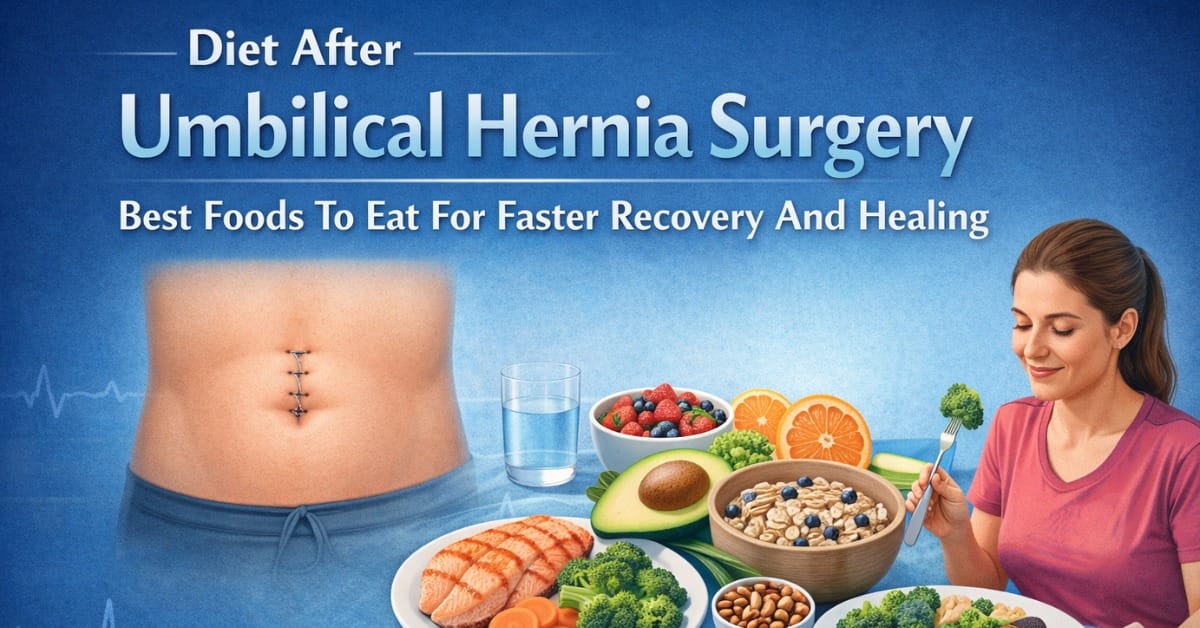
Soft, easy-to-digest foods that minimize strain and promote healing are ideal for an umbilical hernia surgery post-op diet. You begin with clear liquids, then progress to soups, yogurt, eggs, oatmeal, and soft fish.
You introduce fiber slowly to avoid constipation, with a target of 25 to 30 grams per day. You consume 2 to 2.5 liters of water per day.
You keep away from gas-producing foods and large, heavy meals for a couple of days. You adhere to your surgeon’s schedule for your case.
The guide below outlines easy meals and timelines.
Key Takeaways
- Progress from clear liquids to soft foods and then to well-balanced solids to shield your abdomen and promote healing. Modify textures and meal frequency according to your tolerance and surgery instructions.
- For the first 24 to 48 hours, opt for clear liquids in small sips and stay away from dairy and solids. Transition to soft foods only when tenderness, bloating, nausea, and pain are under control.
- Week 1 – Focus on soft, easy-to-digest meals with lean protein. Completely eliminate high-fiber, spicy, and fatty foods. Eat smaller, more frequent meals to minimize abdominal pressure.
- Between weeks 2 and 3, begin to add back cooked vegetables, soft fruits, whole grains, and healthy fats while avoiding fried foods, red meat, and carbonated beverages. Watch for constipation, reflux, or bloating and modify accordingly.
- Back healing with protein at every meal, and add vitamin C and zinc sources for tissue repair and an immune boost. Introduce probiotics and add fiber nice and slow so you stay regular without the pain and cramping.
- Stick with water, herbal teas, diluted juices, and clear broths. Stay away from carbonated, caffeinated, and alcoholic beverages. Plan, eat, and track symptoms to personalize your recovery.
Your Recovery Diet Timeline After Hernia Repair Surgery
During the recovery from hernia surgery, you transition from liquids to solids in phases to shield the surgical site, synchronize digestion with pain management, and minimize strain on your abdomen. Monitor your symptoms at each stage, adjusting texture and portion size while being cautious of bloating, gas, reflux, or constipation.
The type of hernia you have can influence your recovery plan, including what to avoid after hernia surgery as part of a healthy diet and lifestyle. A proper surgery diet helps repair your hernia by reducing strain on the abdomen and supporting healing. Immediately after surgery, patients may only be able to eat soft or pureed foods before gradually returning to solid meals. Choosing the right foods and understanding the foods to avoid after hernia surgery are essential for comfort, digestion, and faster recovery.
1. First 24-48 Hours
The initial 12 to 24 hours is most strict. Start with clear liquids: water, weak tea, apple juice, oral rehydration drinks, and light broth. Keep taking small sips every 10 to 15 minutes or so to stay hydrated without overstretching your stomach.
Avoid solids and dairy initially to reduce nausea from anesthesia. No soda! If you feel fine after several hours, add strained soups or gelatin.
Be on the lookout for bloating, cramps, or mounting pain. If symptoms arise, decelerate and linger on clears. Rehydrate with at least eight glasses, which is approximately 2 liters, over the course of the day.
2. The First Week
Shift to soft foods that are easy to chew and swallow: oatmeal, mashed potatoes, plain yoghurt, scrambled eggs, pureed vegetables, ripe bananas. Keep portions small and have 5 to 6 meals per day.
Steer clear of foods that are high in fiber or that are spicy or greasy, as they can cause gas or strain. Stay away from beans, cabbage, broccoli, onions, and fried food. Avoid coffee if it increases reflux.
Add lean protein for repair: poached chicken breast, turkey, tofu, or soft fish. If you develop nausea or bloating, revert to lighter consistencies.
3. Weeks Two And Three
Introduce gentle fiber gradually, particularly if you’re on painkillers. Try cooked carrots, squash, zucchini, peeled apples, soft pears, brown rice, and oats. Add one new item each day.
Avoid fried foods, red meat, and sodas. They increase reflux and gas. Opt for baked fish, poultry, olive oil, avocado, and yogurt to increase protein and healthy fats for wound healing.
Be sure to remain on small, frequent meals. If reflux, bloating, or new pain initiates, back up and revert to a previous step.
4. Long-Term Eating
Weeks four to five: reintroduce solid foods and mixed meals to support healing. Test tolerance with simple plates: grilled chicken, steamed rice, and cooked greens, proceeding only if symptom-free.
How Food Fuels Healing Umbilical Hernia Repair
Nutrition plays a crucial role in the recovery process after hernia surgery, as a balanced diet supplies your body with essential nutrients to repair tissue, combat infection, and reduce inflammation. This support aids in the healing process of the incision and abdominal wall.
Following the best diet after hernia surgery plays a crucial role in recovery, as knowing what to eat helps support healing and prevent complications. Focus on nutrient-dense foods that provide protein, vitamins, and fiber to aid the body’s repair process and improve digestion. At the same time, it’s best to avoid processed, spicy, or hard-to-digest foods that may cause strain or discomfort. Overall, it’s best to choose balanced, wholesome meals that promote strength, faster healing, and long-term recovery.
Protein Power
Protein rebuilds muscle fibers and closes wounds. Lean sources provide the amino acids that build collagen and contractile tissue, which helps the abdominal wall gain strength again and reduces the risk of slow healing.
Make sure to have protein at each meal, even if you’re only craving small bites. Broths are easy and provide minerals. Combine them with tender proteins in the first few days.
- Early Days (soft, easy): Greek yogurt, cottage cheese, eggs, tofu, lentil soup, and bone broth
- Week 2–3 (more texture): Baked fish, shredded chicken, hummus, soft beans, quinoa
- Week 4–6 (near-regular): Turkey, lean beef, tempeh, edamame, dairy, mixed bean bowls
Exceptionally adequate protein reduces recovery period, supports consistent energy, and helps you return to everyday activities with less pain. Consume smaller, frequent meals to satisfy requirements without bloat.
Hydrate. Approximately 8 to 10 glasses (2 to 2.5 liters) of water per day aids tissue repair and digestion. Avoid heavy, difficult-to-digest foods initially.
Vitamin C
Vitamin C powers collagen production that knits your incision and enhances your scar quality. It bolsters immune cells, reducing the risk of infection and inflammation as you increase activity.
Monitor your intake to ensure you’re getting what you need each day while recovering, particularly if your appetite is diminished.
| Food | Typical portion | Notes |
| Kiwi | 2 fruits | High C, easy snack |
| Orange | 1 medium | Juice is fine, whole fruit adds fiber |
| Strawberries | 150 g | Good with yogurt |
| Bell pepper (red) | 100 g | Add to omelets or salads |
| Broccoli | 150 g | Light steam keeps nutrients |
| Guava | 1 fruit | Very high C |
Zinc’s Role
Zinc helps cell growth, collagen cross-linking, and immune defense. A deficiency can hinder healing and increase the danger of infection.
- Oysters
- Lean beef
- Pumpkin seeds
- Chickpeas
- Cashews
- Fortified whole grains
Add zinc-rich foods a few times a week. Steer clear of spicy food, greasy meals, caffeine, and soda pop early on because they can irritate your gut and impede progress.
Most folks expand their diet at six weeks, but your timeline may differ.

Foods To Eat That Hinder Recovery
Certain foods can increase abdominal pressure, delay gut motility, and ignite inflammation, all of which can complicate hernia repair and postpone the healing process. Use the guide below to avoid these foods, especially in the initial recovery period.
| Recovery phase | Avoid these foods | Why do they hinder recovery |
| Days 1–3 | Red meat, white bread, dense pastries, fried foods, and fizzy drinks | Hard to digest, constipating, increasing gas, and bloating |
| Days 4–14 | Full‑fat dairy, processed snacks/crisps, instant noodles, sugary treats, caffeine, strong spices | Slow bowels, inflamed tissue, irritate the stomach, and raise pressure |
| Weeks 3–4 | Large dry meals, alcohol, fatty meats, ultra‑processed items | Trigger reflux, water retention, and delayed tissue repair |
Constipation Triggers
Low‑fiber foods such as white bread, heavy pastries, and most refined cereals can constipate you. Red meat takes a while to digest and can cause hard stools.
Big helpings of cheese, ice cream, or full‑fat yogurt will only exacerbate the deceleration. Dry meals, such as crackers, toast spreads, or dry grilled chicken, stick and make stools hard.
Processed snacks and crisps are the usual offenders. Drink at least 1.5 to 2.0 liters of water daily, unless directed differently.
Add gentle fiber: ripe bananas, cooked oats, stewed apples, and soft lentil soup in small portions. If your stools become hard or you push, scale back constipating foods and add fluids until the stool is soft.
Inflammatory Foods
Fried foods, fatty meats, and cream-based sauces will extend inflammation and leave you feeling sluggish. Too many saturated fats and refined sugars fuel inflammation and could delay tissue repair around the navel.
These foods cause reflux or indigestion, causing you to tense your stomach and feel more pain. Caffeine, strong spices, and soda can upset your stomach and cause gas.
Swap in anti-inflammatory choices: berries, leafy greens, tomatoes, olive oil, and omega-3 sources like soft-cooked salmon.
After laparoscopic surgery for a hiatal hernia, following the right diet after the surgery is essential to support the healing of the abdominal muscles. In the early phase, focus on foods for recovery and eat well to minimize discomfort and promote digestion, while knowing what not to eat helps prevent reflux or strain. As the weeks after your surgery pass, most patients can gradually return to a regular diet, though some foods may still cause symptoms. It’s important to avoid foods that trigger acid reflux or bloating to ensure a smooth recovery.
Processed Items
Ultra-processed foods come with additives, too much salt, and bad fats that interfere with recovery. Packaged snacks, instant noodles, soda, and candy disrupt your gut balance and keep you off a normal meal rhythm.
High-fat or fried foods and sweets can interfere with healing. Dry or crunchy foods, such as nuts or raw vegetables, may irritate the stomach during the initial days.
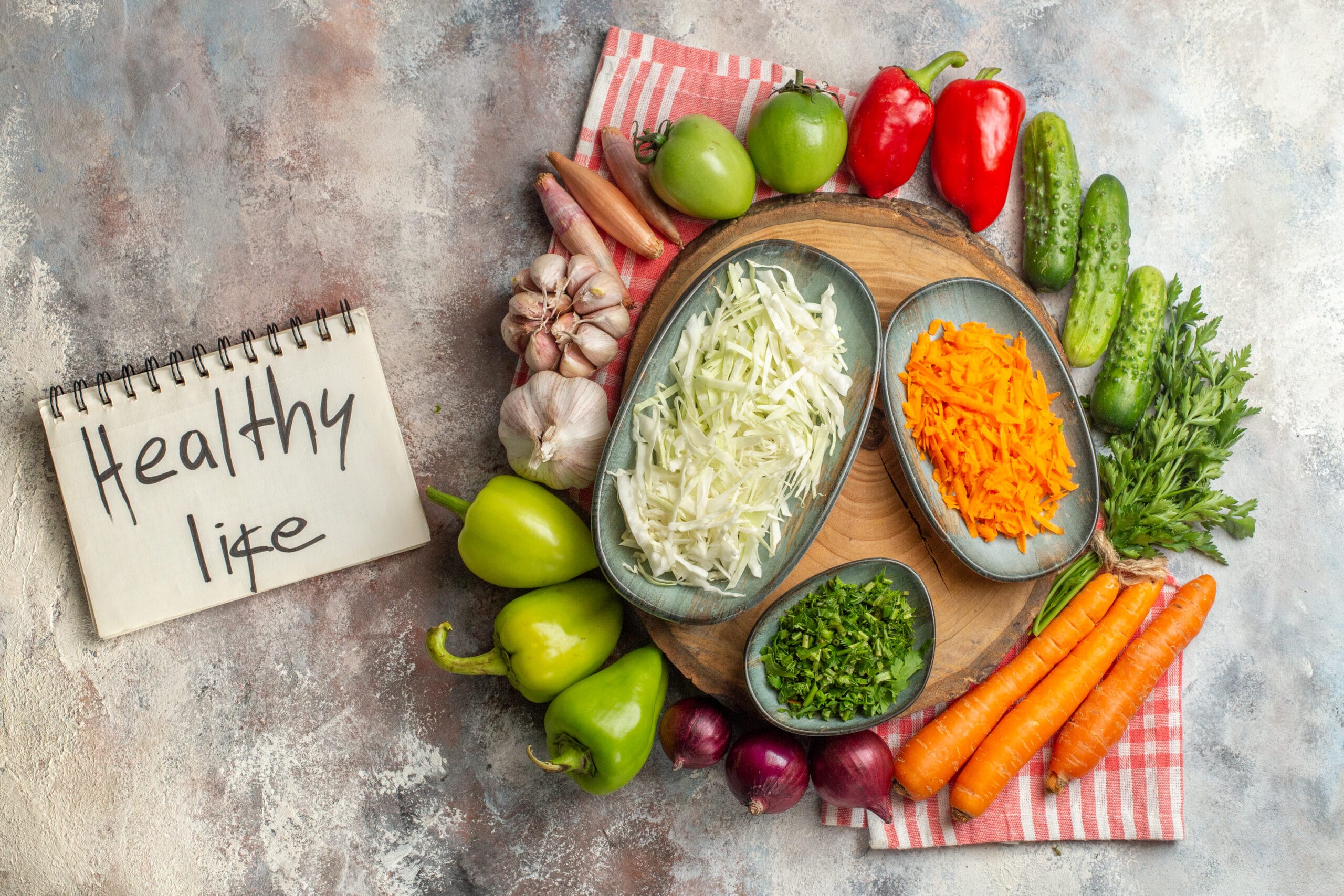
Concentrate on whole, soft, low-processed foods, such as cooked grains, soft legumes, poached fish, and blended soups, for more stable digestion and greater nutrient density.
Managing Post-Surgery Digestion
You want to safeguard your healing belly and, at the same time, keep digestion on an even keel. We’re shooting for comfort, consistent fuel, and less reflux or gas flare-ups. Begin with clear liquids for one to two days, 24 hours if you can tolerate them well, and then progress gradually to soft, low-fat foods.
Eat small meals frequently to relieve the load on your stomach and drink plenty of fluids throughout the day. Sit upright to eat and remain so for 30 to 60 minutes afterwards. Avoid fried or fatty foods because they slow gastric emptying and can relax the lower esophageal sphincter, which promotes acid reflux.
Steer clear of heavy, gassy picks like beans, broccoli, and cabbage until you’re more at ease. Track symptoms, meal timing, and size, then modify. Recovery can be weeks, with the majority returning to a normal diet at six weeks.
The Fiber Balance
To keep your belly calm and minimize pressure near your repair, add fiber slowly to prevent gas and bloating. Begin with soluble fiber, which creates a soft gel and is gentler in the gut. Oats, barley, bananas, apples with the skin removed, and cooked carrots are good early choices.
After a couple of days without discomfort, incorporate small amounts of insoluble fiber. Keep your portions small, chew well, and combine fiber with additional water to avoid hard stools, particularly if you’re on narcotics.
- Early Phase (days 2–7): oatmeal, ripe bananas, plain psyllium, canned peaches, smooth soups with lentils that are well-cooked.
- Mid Phase (week 2–3): Quinoa, chia soaked, peeled pears, soft-cooked zucchini, brown rice in small portions.
- Later Phase (week 4–6): whole-grain bread, mixed beans in small servings, leafy greens, bran added gradually.
Too much fiber too soon will cause cramping and straining. Increase gradually.
Probiotic Benefits
Probiotic foods help reintroduce good gut flora, which can be damaged by anesthesia and antibiotics. Nothing like probiotics to potentially alleviate constipation, balance stool form, and enhance motility. Begin with small amounts and see what your gut can handle.
Add in some live culture yoghurt or kefir when soft foods are fine. Start adding fermented foods, like sauerkraut or kimchi, slowly, as they can be gassy.
If you’re on antibiotics, space probiotics a few hours apart from each dose to minimize digestive symptoms and help preserve balance.
The Importance Of Hydration In Recovering From Hernia Surgery
Hydration is crucial post-umbilical hernia surgery to ensure healing, keep bowels regular, and reduce stress on the repair. Try to consume at least 6 to 8 glasses (about 1.5 to 2.0 liters) per day, more if you’re warm or active. Monitor consumption.
In the initial 12 to 24-hour period, clear liquids such as water, broth, and herbal tea assist in minimizing nausea and alleviating any undue pressure on the healing region. Dehydration impedes recovery, increases the likelihood of constipation, and can exacerbate bloating and pain. Supplement with hydrating foods such as clear soup, cucumber, melon, oranges, and yogurt.
Why Water Works
Water propels digestion and aids in absorbing essential nutrients from the soft foods you’ll likely begin with after hernia surgery — porridge, yogurt, and mashed vegetables. This hydration is crucial for your kidneys in flushing out drug byproducts and anesthesia residues, promoting consistent energy and reducing brain fog during the recovery time.
Maintaining hydration reduces bloating and keeps your stool moving, which is vital if you’re taking constipating painkillers after hernia repair. This approach minimizes straining that could stress the surgical site.
Sip small amounts throughout the day rather than chugging. Keep a 500 ml bottle near you and refill it 3 to 4 times. Bonus points if you add a slice of lemon or a pinch of salt to your water, especially if it feels hard to drink.
Opt for water instead of sugary sodas or fizzy drinks that capture gas and cause bloating. Avoid sugar-loaded sports drinks unless you’re rehydrating after heat or diarrhea to support healing.
What Else To Drink
Herbal teas like ginger, chamomile, or peppermint can settle the stomach and add to your total nutrition, which is essential for recovery after hernia surgery. Diluted fruit juices, mixed one part juice to one part water, such as apple or pear, provide flavor without heavy sugar, supporting your digestive health. Oral electrolyte solutions are particularly helpful if you sweat more or feel faint during the recovery time.
Steer clear of carbonated, caffeinated, and alcoholic drinks, as they can upset your stomach or esophagus, exacerbate bloating, and lead to complications. If you decide to have coffee later, balance it with additional water to maintain hydration. Clear broths and other non-acidic options, such as barley tea and weak rooibos, could calm your tummy in the initial recovery period.
Keeping sugar to a minimum is crucial to encourage healing after hernia repair and promote steady energy levels. Incorporating digestible foods into your diet can aid in a smooth recovery, while avoiding certain foods will help maintain your overall digestive health.
Beyond The Food List, Eat After Hernia
You need more than a food list to support healing after umbilical hernia surgery. Combine clever eating with behaviors that relieve stress, defend the surgical site, and stabilize you from day to day.
Mindful Eating
Eat slowly, chew thoroughly, and put your fork down between bites. Small, frequent meals throughout the day are easier to digest and will help reduce pain and bloating that tends to occur within the first few days.
Stay cool with your meals. Power down screens and sit up. Then remain sitting up for at least 30 to 60 minutes to decrease reflux and pressure around your core. Skip late-night eating to aid sleep and stifle soreness.
Savor flavor and crunch. When food seems filling, you eat until you are full and end up straining your stomach from overeating.
Log what you nosh and how you mush. A quick food journal assists you in identifying trends, such as which soups go down smooth or which spices cause your tummy to rumble.
Meal Preparation
Plan and prep so you always have convenient, appropriate choices. Store soft proteins, ripe fruit, cooked grains, and easy snacks you can access without arduous lifting, which you should steer clear of for 4 to 6 weeks.
Batch-cook soft or puréed foods such as lentil soup, oat porridge, mashed sweet potato, and flaked fish with yogurt, then freeze in single portions. Steaming, baking, or poaching keeps foods moist and easy to digest.
Stay hydrated throughout the day to maintain hydration and aid in recovery. Maintain clean prep areas. Wash hands, sanitize boards, and chill leftovers quickly to reduce infection risk.
Typically, you are able to shower after 24 to 48 hours as long as your physician deems it safe.
Listening To Your Body Post-Hernia Surgery
Monitor hunger, satiety, and post-meal twinges. With increasing tolerance over the 4 to 6 week recovery window, adjust portion size, meal spacing, and textures.
Identify triggers such as soda, fried food, or big salads if they initiate reflux, bloating, or pain. Move on to easier swaps.
Be flexible. Your schedule should naturally move as your energy, pain level, and activity change. Easy walking complements nutrition therapy and promotes gut motility without strain.
Conclusion
You don’t need a fancy plan. You need gradual progression. Begin with soft, low-fiber meals. Advance to lean protein, vegetables, and whole grains as your gut rouses. Monitor your stool and gas. That gives you something to adjust. Have water nearby. Aim for clear, pale urine. Salt soups or oral rehydration come in handy on hot days.
To reduce pressure, consume small meals. Chew thoroughly. Take brief strolls. Keep stool soft with oats, chia, or prunes. Avoid greasy, fried food, alcohol, and heavy dairy loads if they cause you to bloat. Notice what goes down well. Stay with what works.
For a quick start, plan three simple plates for week one, stock a 2-liter water bottle, and set a walk timer. Need a helping hand? Contact your care team.
FAQ
When can you start eating after umbilical hernia surgery?
You can generally begin sipping clear soup a few hours post-hernia surgery. If you feel good, transition to soft, digestible foods during the first 24 to 48 hours. Introduce well-balanced, high-fiber meals as bowel movement returns to normal, supporting your recovery time. As always, follow your surgeon’s recommendations.
What foods help you heal faster?
Opt for lean protein sources like fish, eggs, and tofu, along with bright veggies and whole grains to support healing after hernia surgery. Incorporate zinc-rich foods and probiotic items such as yogurt to aid tissue repair and restore gut balance.
Which foods should you avoid in the first week?
Avoid fried, spicy, and ultra-processed foods, as well as fizzy drinks and gas-producing items like cabbage and beans, particularly during the initial recovery period after hernia surgery, to prevent bloating and constipation.
How do you prevent constipation after surgery?
Stay hydrated by drinking plenty of water and incorporating a balanced diet with fiber-rich foods like oatmeal, fruits, and veggies to support healing after hernia surgery. Engage in light walking daily to aid recovery.
How much water should you drink?
To support healing after hernia surgery, try to consume around 30 to 35 ml of water per kilo of body weight per day, unless otherwise specified by your physician. Sip throughout the day for optimal digestive health.
Is coffee okay to drink after hernia surgery?
Yes, in moderation if your stomach allows, especially after hernia surgery. Avoid on an empty stomach early on, and pass on the sweet creamers. If it aggravates GERD symptoms or bloating, switch to herbal tea until you feel better.
When should you call your doctor about diet issues?
Contact your hernia treatment doctor if you experience vomiting, severe bloating, no bowel movement in 2 to 3 days, worsening pain after eating, fever, or signs of dehydration, as these can indicate complications requiring medical evaluation.

 Pat1751 says:
 Janet4959 says:
 Martha says:
 Simon4673 says: