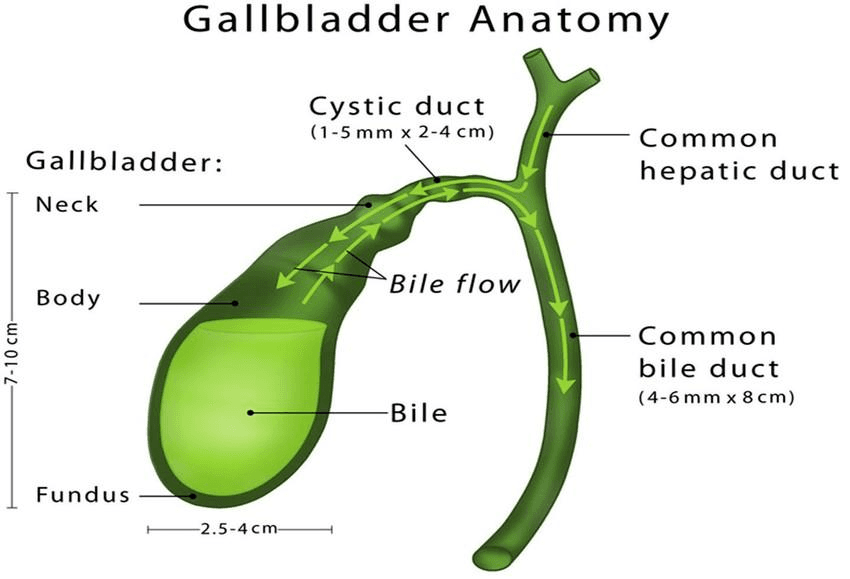
The gallbladder is a small, pear-shaped sac beneath the undersurface of the liver on the right side of the abdomen. It functions primarily as a reservoir for bile, a vital digestive fluid. The liver produces approximately 800 ml to 1,000 mL of bile each day, while the gallbladder can store about 50 mL of this fluid.
Composition and Function of Bile –
Bile is a concentrated green-yellow fluid necessary for digestion. It is made up of key components such as cholesterol, bilirubin, and bile salts. Once produced by the liver, bile travels through tiny biliary channels that converge into the common bile duct. This duct transports bile to the duodenum, the initial section of the small intestine, where it mixes with food to facilitate digestion.
Essential Functions of Bile –
1. Fat Metabolism: Bile plays a crucial role in breaking down and absorbing fats.
2. Excretion: Bile is essential for eliminating certain substances from the body, including bilirubin, specific medications, and toxins.
The release of bile into the duodenum, part of small intestine is stimulated by a hormone called cholecystokinin, which prompts the gallbladder to contract.
Parts of the Gallbladder –
The gallbladder consists of three main sections: –
fundus,
body,
and neck.
Gallstones: An Overview –
Studies show around 40% of individuals may experience gallstones, which are solid crystallizations formed in the gallbladder. These stones typically develop when the gallbladder is not functioning correctly. Interestingly, about 80% of those with gallstones do not exhibit any symptoms. However, biliary pain can occur in 1% to 2% of those who were previously asymptomatic, and those experiencing symptoms may face complications such as cholecystitis, choledocholithiasis, gallstone pancreatitis, and cholangitis at an annual rate of 0.1% to 0.3%.
Causes of Gallstone Formation–
Excess Cholesterol: When the liver secretes more cholesterol than bile can dissolve, crystals can form, leading to gallstones.
– Bilirubin Imbalance: Conditions that cause excessive breakdown of red blood cells (RBCs), such as cirrhosis of liver and certain blood disorders, can lead to high bilirubin levels and subsequent gall stone formation.
– Gallbladder Function: Impaired gallbladder contractility can prevent proper bile emptying while stimulated from food, contributing to stone development.
Types of Gallstones –
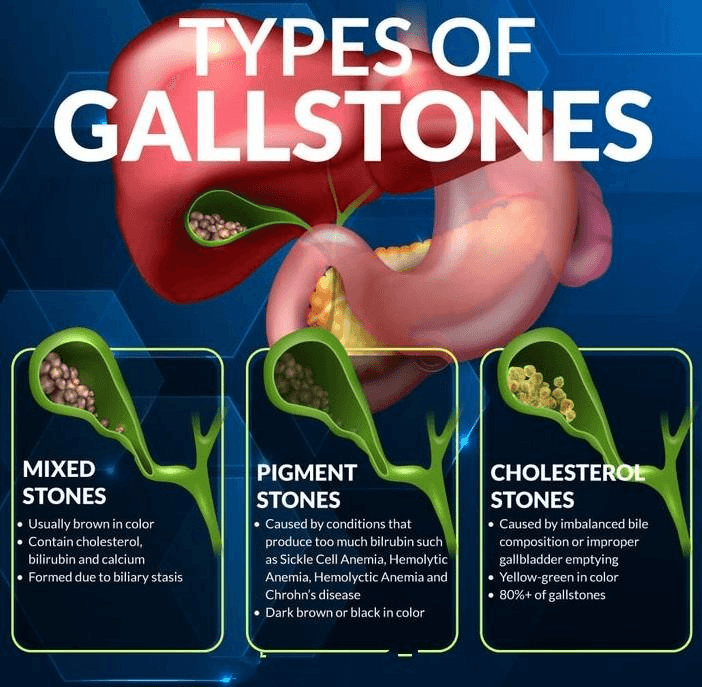
Gallbladder stones can be classified into three main categories based on their composition:
1. Cholesterol Gallstones: The most prevalent type, these stones form when there is an excess of cholesterol in the bile, which becomes supersaturated. Cholesterol stones are usually yellow or white in colour.
2. Pigment Gallstones: These stones form when the bile contains high levels of bilirubin, resulting in dark brown or black stones.
3. Mixed Pigmented Stones: These stones contain cholesterol and various calcium salts.
Risk Factors for Gallstones-
Several factors can increase the risk of gallstone formation:
– Pregnancy: Hormonal changes can decrease gallbladder contractility.
– Obesity: Higher levels of cholesterol in bile are linked to obesity.
– Genetic Factors: Family history can play a role in gallstone formation.
– Hormone Replacement Therapy: Certain medications may increase the risk.
– Biliary Stasis: Inactivity of the gallbladder can lead to stone formation.
– Gender: Women are at a higher risk than men due to hormonal influences.
– Metabolic Syndrome: Patients with obesity and diabetes increase the risk of gallstones.
– Rapid Weight Loss or Prolonged Fasting: Both can contribute to bile stasis and gallbladder stone formation.
– Bariatric Surgery: Rapid weight loss following surgical weight loss procedures may predispose individuals to gallstones.
– Bile Malabsorption: Conditions such as Crohn’s disease can disrupt normal bile function.
Additionally, certain diseases can also contribute to gallstone development, including liver cirrhosis, bile duct infections, haemolytic anaemia, and autoimmune diseases.
Symptoms of Gallstones Many individuals with gallstones remain asymptomatic and are unaware of their condition.
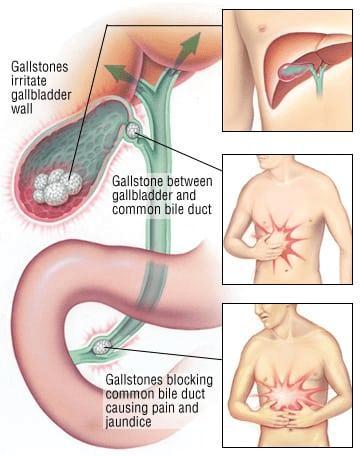
Symptoms typically arise when a stone moves into the gallbladder neck, causing obstruction at the neck of the gallbladder or obstruction of the cystic duct (a duct in the biliary system).
Gallstone pain may be transient, resolving within minutes, but it can also lead to severe discomfort requiring emergency medical attention.
Symptoms of Gallbladder Stones –
Gallstones are prevalent and often go unnoticed, with many individuals unaware of their presence. Pain related to gallstones usually arises when a stone attempts to pass through the gallbladder neck or obstructs a duct within the biliary system. While this pain may resolve within minutes for some individuals, it can persist and increase in severity to necessitate urgent medical attention. Typically, individuals suffering from gallstone-related issues report intermittent episodes of sharp and persistent discomfort in the upper right quadrant of the abdomen, often accompanied by symptoms like acidity, nausea, and vomiting.
Patients may notice the following signs:
– Discomfort in the upper right abdomen or centrally under the breastbone.
– Abdominal pain on the right side following consuming fatty or oily foods.
– Epigastric pain that radiates toward the mid-back and right shoulder.
– Episodes of nausea or vomiting.
– Occasional acidity (Hyperacidity).
Complications Related to Gallstones–
Individuals with diabetes face an increased risk of infections due to elevated blood sugar levels. The challenges in managing gallstone-related complications are particularly pronounced in diabetic patients, where symptoms may not be as evident. Due to compromised blood supply, these patients are at heightened risk for infections in the gallbladder, which can lead to severe complications such as empyema, gangrene, and gallbladder perforation.
Gallstones can obstruct any duct within the biliary system that transports bile, particularly the cystic duct, which empties into the common bile duct. Such blockages can worsen symptoms, leading to biliary colic, inflammation, and infection.
Cholecystitis occurs when a gallstone blocks the gallbladder, causing significant inflammation and pain in the upper right abdomen.
Choledocholithiasis, a rare condition affecting about 10% of symptomatic gallstone patients, arises when a gallstone obstructs the common bile duct, preventing bile flow and resulting in jaundice.
Infections can develop in nearly 20% of cases and manifest with symptoms like fever, rapid heart rate, and confusion. If left untreated, infections can proliferate, potentially leading to septicaemia and increased morbidity and mortality.
Significant Risks of Gallbladder Issues
– Gangrene or Abscess: If acute cholecystitis is not addressed, it can lead to gallbladder wall necrosis due to insufficient blood flow, especially in high-risk groups like diabetic patients, men over 50, and those with a history of cardiovascular disease.
– Perforated Gallbladder: This severe condition involves the distension or rupture of the gallbladder, significantly increasing the risk of abdominal infections, particularly in long-standing gallstone sufferers and diabetic patients.
– Empyema: While rarer, occurring in 2% to 3% of symptomatic gallstone patients, this condition involves pus formation due to infection in static bile inside the obstructed gallbladder, leading to severe abdominal pain lasting over a week and posing a significant health threat.
– Fistula Formation (Cholecysto-enteric fistula): When the inflamed gallbladder adheres to the bowel, it can create an abnormal passage known as a fistula. This requires immediate intervention to prevent infection.
– Gallstone Ileus: Chronic inflammation can lead to the development of a passage between the gallbladder and intestine, allowing stones to migrate into the digestive tract, which can result in infection, intestinal obstruction and further complications like acute abdomen.
– Cholangitis and Pancreatitis: Blockages in the bile duct can lead to conditions such as cholangitis, marked by jaundice and fever, while obstructions affecting the pancreatic duct can cause pancreatitis, complicating digestion and nutrient absorption.
Understanding these symptoms and complications is crucial for early detection and management of gallstone disease, especially for those at higher risk.
Other Complications and Related Biliary Tract Conditions:
Gallbladder Cancer:
Current research indicates a significant correlation between large gallstones and the development of gallbladder cancer. Stones larger than 3 cm are significantly associated with a higher risk, particularly in patients experiencing symptomatic gallstone disease. Studies suggest that around 80% of individuals diagnosed with gallbladder cancer also have a history of either symptomatic or asymptomatic gallstone disease. Although gallbladder cancer is relatively rare, its prognosis tends to be quite grim, as symptoms typically manifest only once the disease has progressed significantly. Common indicators include unexplained weight loss, diminished appetite, recurrent vomiting, and anaemia.
Early intervention, such as gallbladder removal before the cancer invades deeper layers beyond the mucosa, can improve survival chances. Therefore, opting for elective surgery to remove gallstones can be a preventative measure against these severe complications.
Gallbladder Polyps:
Gallbladder polyps are abnormal tissue growths that extend from the gallbladder wall into its cavity. These polyps are often discovered incidentally during ultrasound examinations.
There are two main types of gallbladder polyps: –
Benign polyps
Malignant polyps
Regular ultrasound monitoring is generally advised for polyps measuring less than 3 cm that do not present symptoms.
However, gallbladder polyps have the potential to lead to acute cholecystitis and may present symptoms such as abdominal pain, indigestion, and general discomfort. In such cases, surgical intervention, like laparoscopic cholecystectomy, is recommended to prevent further complications.
Diagnosis of Gallbladder Stones
One of the most effective methods for diagnosing gallbladder stones is a whole abdomen ultrasound, best performed after the patient has fasted for 12 hours. This imaging technique not only visualizes the stones but also provides critical insights into the gallbladder’s condition, such as wall thickening, infections, or blockages. Wall thickening greater than 3 mm is a significant indication of cholecystitis—an inflammation of the gallbladder—which helps differentiate it from cholelithiasis (the presence of stones).
Additional diagnostic procedures like HIDA scan and MRCP, if required, and then ERCP are also employed to assess the biliary tract for any obstructions. Complementary blood tests are essential to identify potential infection signs related to gallstones, including liver function tests, complete blood counts (CBC), and procalcitonin levels. For example, an elevated alkaline phosphatase (ALP) may suggest an obstruction due to gallstones, while a CBC can indicate any infections that may have entered the bloodstream. Evaluating serum amylase and lipase levels can help rule out pancreatitis prior to any surgical interventions.
Treatment of Gallbladder Stones
For patients suffering from symptomatic gallbladder stones, the initial treatment strategy typically involves fasting. This allows the gallbladder to rest, coupled with intravenous (IV Fluids) fluids to prevent dehydration.
Managing pain effectively with analgesics and administering antibiotics to address any infections are also crucial components of the treatment regimen.
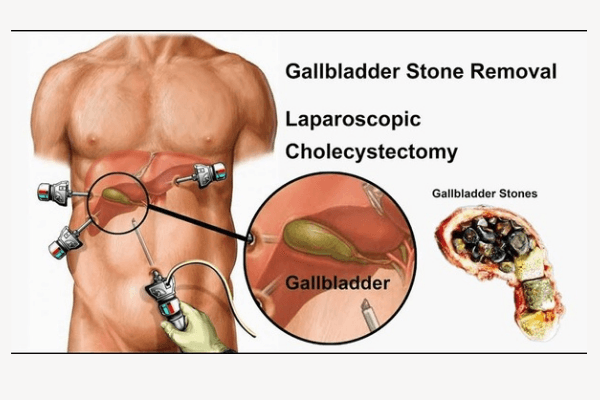
The preferred definitive treatment for gallstones, mainly when symptoms are present, is elective laparoscopic surgery. This minimally invasive approach is the standard method of care, as it reduces the risk of complications and serious health issues.
Cholecystectomy, which is the surgical removal of the gallbladder, is the most effective means of treating symptomatic gallstones and can be performed through laparoscopic techniques, ensuring a quicker recovery for the patient.
Benefits of Laparoscopic Surgery
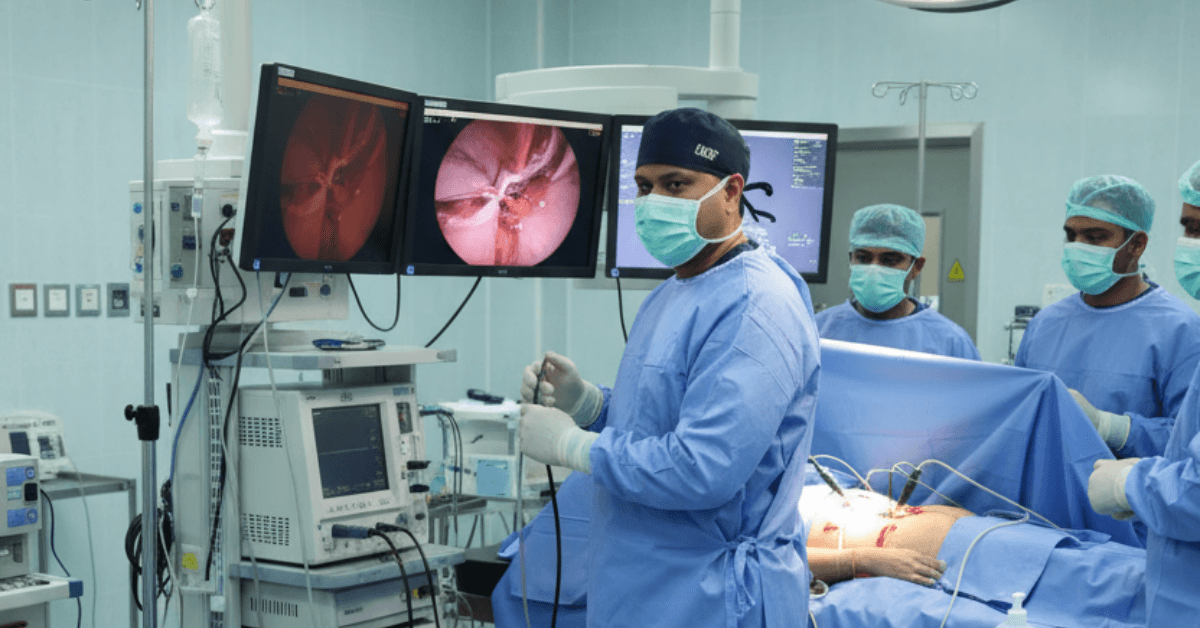
From the surgeon’s standpoint, laparoscopic surgery offers a magnified view of the surgical field, enhancing visibility and precision during the procedure and reducing error.
From the patient’s viewpoint:
– Patients experience reduced pain and minimal post-operative discomfort.
– Many patients are able to move around just a few hours after their surgery.
– Laparoscopic approach leads to quicker discharge times and decreased overall costs.
– Individuals can typically return to their jobs within a week.
Pre-Surgery Guidelines-
While preparing for your surgery, it is essential to fast for 6 to 8 hours before surgery. This means no food or beverages, including water, after midnight on the day of your procedure. You have the option to be admitted on the same day of surgery or the day prior, based on your surgeon’s instructions. Handling any insurance paperwork at the hospital’s insurance office before your admission is also important.
A comprehensive pre-operative assessment is conducted for all patients, which includes various blood tests and may also involve other evaluations such as a chest X-ray, ECG, or echocardiogram, depending on individual health needs. These tests can be carried out during a routine outpatient visit or upon admission. If you choose to have tests done after your admission, please plan to come in a day early. Additionally, anaesthesiologists will evaluate all patients to confirm their readiness for surgery. Certain medications, including aspirin and warfarin, may need to be paused before your procedure to avoid complications.
Follow your physician’s guidelines regarding morning medications on the day of surgery. If you are advised to take them, do so with a minimal amount(sips) of water.
You may be required to complete a consent form prior to the procedure. Please take your time to read through the consent form thoroughly, and don’t hesitate to ask any questions if you find something unclear.
Once these steps are completed, you will be ready to be moved to the operating room.
Intra Operative –
Upon entering the operating room, the anaesthesiologist will begin by establishing an IV line by placing a cannula into your vein. Following this, a tube will be inserted into your throat, a procedure known as intubation. Throughout the surgery, the anaesthesiologist will closely monitor vital signs such as your heart rate, blood pressure, breathing, and oxygen saturation levels.
Once the anaesthesia is fully administered, the surgeon commences the procedure. The operation itself is performed through four small incisions in the abdomen, each measuring around 1 cm or 5 mm. These tiny openings allow the surgeon to insert specialized instruments and a small camera to carry out the surgery.
The entire operation typically lasts 45 minutes to an hour, depending on the complexity of the condition being treated, such as gallbladder inflammation or infection. After the procedure, you’ll be shifted to the Post-Operative Unit, or recovery room, where you will remain for 1 to 2 hours.
The anaesthesiologist will continue to monitor your vital signs and manage any pain until you wake up from anaesthesia, after which you will be relocated to your hospital room.
Post-Surgery Instructions-
Following gallbladder surgery in Dubai, few patients experience nausea, which may be a result of the anaesthesia. This sensation usually subsides within a few hours.
Patients are encouraged to get up and walk or use the restroom around four hours after surgery. After six hours, clear liquids can be introduced. Once liquids are well tolerated, the shift to a soft diet can begin. At this point, IV fluids may be discontinued, and patients can be progressed to oral medications.
The day after surgery, the surgeon will typically adjust the patient’s medication to an oral form. When the patient is able to have a bowel movement, they can resume soft diet followed by a regular diet.
If a patient is unable to pass stool by the following day, there’s generally no cause for concern, as pain medications and extended fasting can contribute to this delay. However, if two days pass without a bowel movement, the surgeon may recommend using laxatives.
The surgical incision sites should be covered with waterproof adhesive bandages, which can be removed during a follow-up appointment when the wound is assessed. Patients may shower and gently wash over the waterproof bandages but should avoid rubbing or putting pressure on the area.
A return visit to the surgeon’s office is scheduled for one week after the procedure.
Post-Surgery Recovery Guidelines-
Following gallbladder surgery in Dubai, patients can generally engage in light daily activities after being discharged. After the first week, most individuals can gradually return to their regular routines, though it’s advisable to steer clear of any intense activities or sudden lifting that might provoke discomfort.
For those who’ve undergone open gallbladder surgery, the road to complete recovery typically spans at least six weeks. After taking a week off, patients can start easing back into their jobs.
It’s important to refrain from driving as long as pain persists. To help prevent blood clots, try to get up and move around frequently. Staying well-hydrated is essential, so drink plenty of fluids. Avoid lifting heavy items for about four to six weeks, but feel free to navigate stairs as you wish
.
Post-Surgery Nutrition –
- Focus on nourishing your body with well-timed, balanced meals that incorporate a variety of fruits, vegetables, salads, legumes, grains, and lean meats.
- Stay away from rich, fatty foods.
- Try not to keep long gaps between meals.
- Select smaller servings to help with digestion and reduce upper abdomen distensibility and discomfort.
- Don’t forget to drink plenty of water to stay properly hydrated.
Commonly asked questions by patients
Q.1.- WHAT IS GALLSTONE SURGERY?
ANS– Gallbladder stone surgery, also known as cholecystectomy, is a procedure to remove the gallbladder when it becomes problematic due to the presence of stones. The gallbladder is a small organ located beneath the liver, and it stores bile, which helps in digesting fats. When gallstones form, they can cause pain, inflammation, or complications, leading to symptoms like severe abdominal pain, nausea, or jaundice. Surgery may be recommended if you experience these issues.
There are two common types of gallbladder surgery:
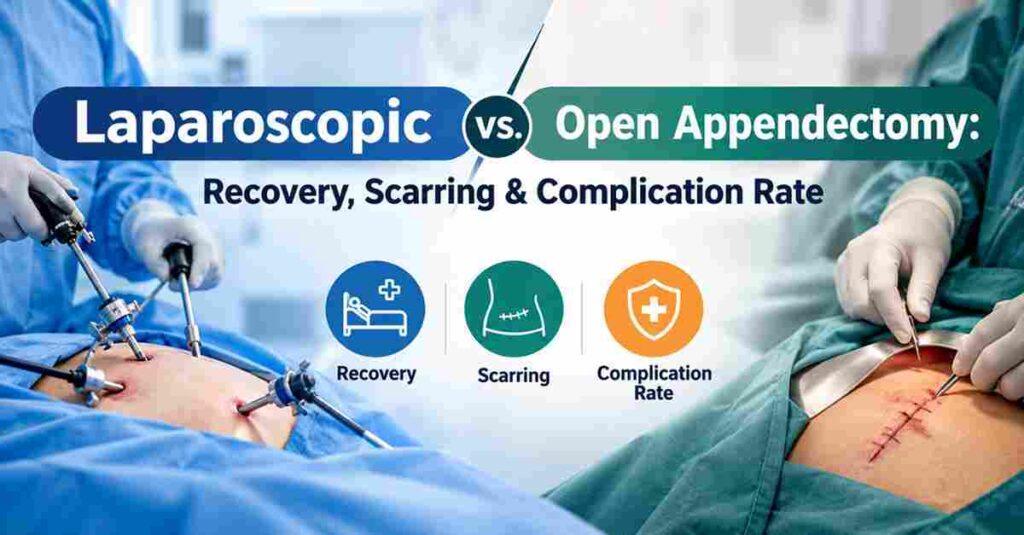
1. Laparoscopic Cholecystectomy: This is the more common and minimally invasive approach. The surgeon makes small incisions in the abdomen and uses a camera and special instruments to remove the gallbladder. This method generally allows for quicker recovery, less pain, and minimal scarring.
2. Open Cholecystectomy: In some cases, if the gallbladder is inflamed or if there are complications, a larger incision may be needed to remove the gallbladder. This method typically involves a longer recovery time.
Q2. WHAT ARE THE COMMON GALLBLADDER STONE DISEASE SYMPTOMS?
ANS- Gallbladder stones, also known as gallstones, can cause a variety of symptoms, although some individuals may not experience any noticeable signs at all.
Common symptoms of gallbladder stones include:
1. Pain in the Upper Abdomen: This is often described as a sharp or cramping pain that can last from a few minutes to several hours. It typically occurs in the right or center of the abdomen, sometimes radiating to the back or right shoulder.
2. Nausea or Vomiting: Many patients experience feelings of nausea and may vomit, especially after eating fatty meals.
3. Bloating: A sensation of fullness or bloating in the abdomen is common, which can be uncomfortable.
4. Indigestion: Patients may experience frequent indigestion, heartburn, or gas.
5. Changes in Bowel Movements: This can include clay-colored stools or dark urine, indicating possible obstruction of bile flow.
6. Jaundice: If a gallstone blocks the bile duct, it can lead to a yellowing of the skin and eyes. If you suspect you have gallbladder stones or are experiencing any of these symptoms, it’s important to consult a healthcare professional for a proper diagnosis and treatment plan.
Q3. WHICH PATIENTS NEED GALLBLADDER STONE SURGERY?
Gallbladder stone surgery is typically advised for those who are suffering from significant pain, swelling, infections, or other serious issues caused by gallstones that cannot be effectively treated with medication or alternative therapies. This procedure is often necessary to provide relief and prevent further complications.
Q4. WHAT ARE THE TYPES OF GALLBLADDER STONE SURGERY?
ANS:-There are two common types of gallbladder surgery:
1. Laparoscopic Cholecystectomy: This is the more common and minimally invasive approach. The surgeon makes small incisions in the abdomen and uses a camera and special instruments to remove the gallbladder. This method generally allows for quicker recovery, less pain, and minimal scarring.
2. Open Cholecystectomy: In some cases, if the gallbladder is inflamed or if there are complications, a larger incision may be needed to remove the gallbladder. This method typically involves a longer recovery time.
Q5. WHAT ARE THE PREVENTIVE MEASURES TO BE TAKEN TO STOP FORMING GALLSTONES?
ANS-To help prevent gallstones, it’s important to maintain a healthy weight and avoid extreme dieting, as rapid weight loss can lead to increased cholesterol production in the liver leading to gallstone formation.
Q6. WHAT IS THE RECOVERY TIME FOLLOWING GALL BLADDER STONE SURGERY?
ANS-The recovery period after gallbladder stone surgery can differ. Generally, those undergoing laparoscopic cholecystectomy can expect to recover in approximately 1 to 2 weeks, whereas recovery from an open cholecystectomy might take about 4 to 6 weeks to reach full healing.
Q7. WHAT ARE THE RISKS INVOLVED IN GALLBLADDER STONE SURGERY?
ANS-The potential complications associated with gallbladder stone surgery include infection, excessive bleeding, damage to nearby organs, and issues related to anaesthesia. Nevertheless, these risks are typically minimal when the procedure is performed by skilled surgeons
Q8.CAN THERE IS RECURRENCE OF GALL BLADDER STONES AFTER SURGERY?
ANS-Gallstones cannot come back after gallbladder removal since the gallbladder is the organ responsible for stone formation. Nonetheless, it’s important to follow a nutritious diet to avoid other digestive complications. However stones can form in biliary tree due to other metabolic disorders.
Q9. What can you anticipate following gallbladder stone surgery?
ANS-After undergoing gallbladder stone surgery in Dubai, it’s normal to experience some pain and discomfort, but this can be alleviated with prescribed medication. For those who have had laparoscopic surgery, many patients find that they can resume their regular activities within one to two weeks.
Q10.WHAT IS THE EXPENSES OF GALLBLADDER STONE SURGERY?
ANS-The expense of gallbladder stone surgery in Dubai can differ based on factors such as the specific hospital, the type of insurance you have, and whether the procedure is performed laparoscopically or through traditional open surgery. For the most precise cost assessment, it’s advisable to speak with your healthcare professional.

 Lenaor says:
 Дианаgank says:
 spinner_pfPl says:
 highroll_zvSr says:
 punter_ripi says:
 lucky_ozka says:
 Felixcync says:
 jackpot_ydKt says:
 Ellaon says:
 _evrimi__osOn says:
 woran_gdpt says:
 pinco_giPl says:
 Cvety_mwEl says: