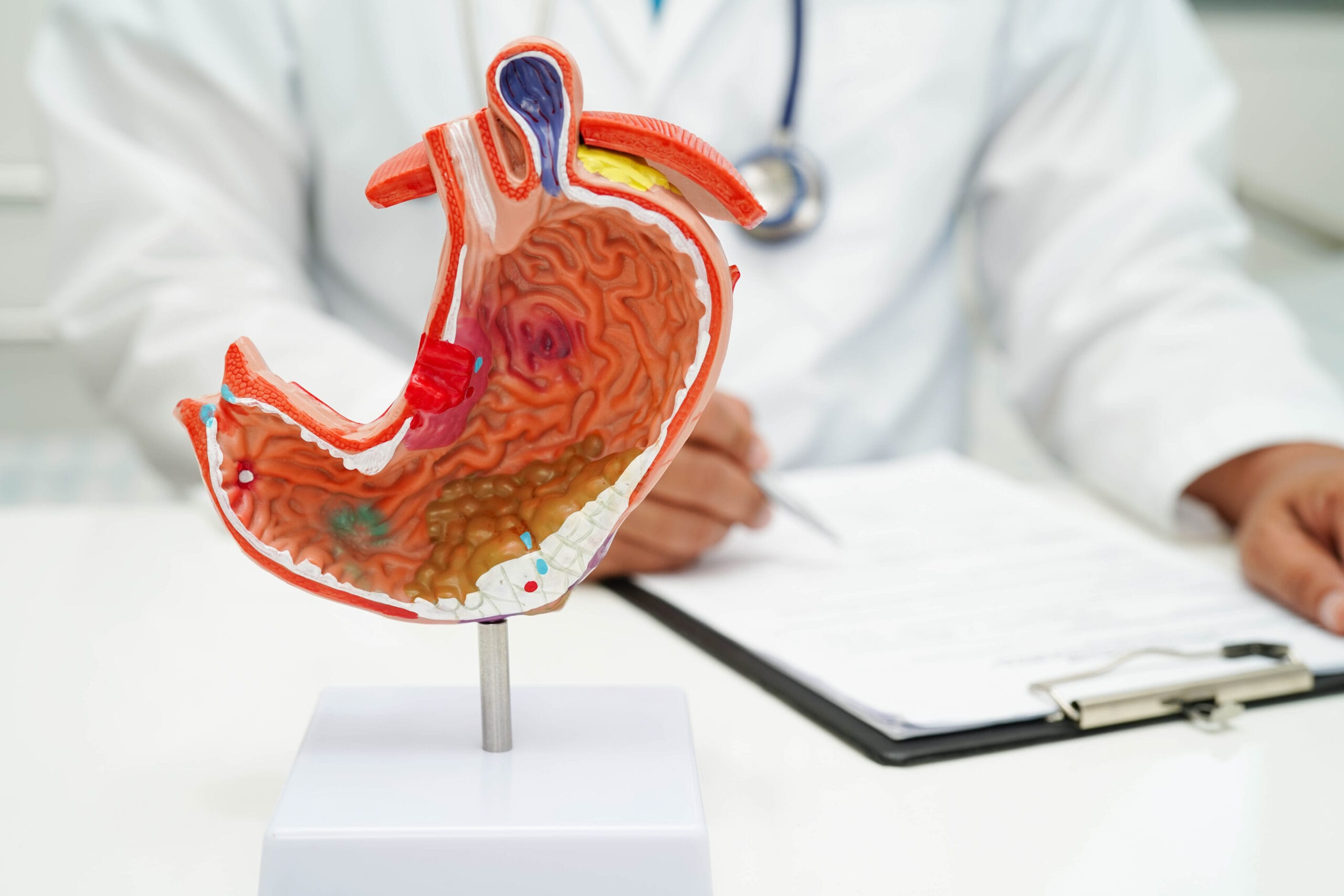
Miniature people doctor and nurse observing and discussing about human stomach , Science and Medical Concep
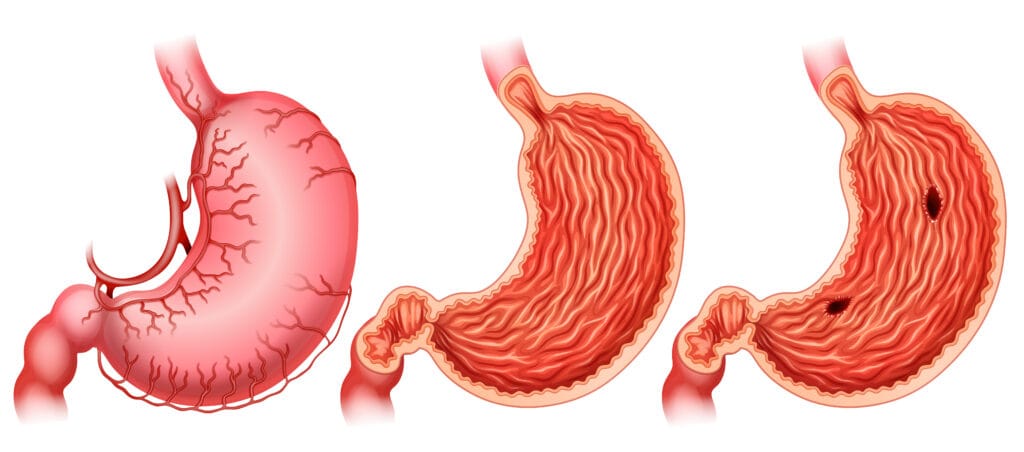
Sleeve gastrectomy is a significant weight loss procedure performed for obese patients. In this surgery, it’s called sleeve gastrectomy, about 75% -80% of the stomach is taken out, and the new stomach looks like a banana in shape. This process is also known as the vertical sleeve gastrectomy (VSG), and a majority of people are having this type of surgery used laparoscopically. Means the surgery was performed creating multiple tiny incisions in the abdominal wall and going in through those using long laparoscopic tools designed for this purpose.
This procedure reduces the stomach’s size, which restricts the amount of food you can eat at a time. Moreover, sleeve gastrectomy induces a hormonal response that supports weight loss. These hormonal changes can also help resolve an array of health problems related to obesity, including high blood pressure and heart disease.

Aim of Sleeve Gastrectomy-
A sleeve gastrectomy is a weight-loss procedure that helps people with obesity lose excessive weight and reduce the risk of potentially life-threatening diseases. These health risks could include the following:
- Heart disease
- High blood pressure
- Elevated cholesterol levels
- Obstructive sleep apnoea
- Type 2 diabetes
- Stroke
- Certain cancers
- Infertility
This surgical procedure is normally does not occur until after dieting and the addition of exercise have been attempted.
Indications of Sleeve Gastrectomy–
In general sleeve gastrectomy may be suitable if:
- Your body mass index (BMI) is 40 or greater (defined as severe obesity).
- A body mass index between 35 and 39.9 (this is classified as being obese) with other severe weight-related health conditions, such as type 2 diabetes, severe high blood pressure, or central sleep apnoea.
- Under certain conditions, people with a body mass index of 30 to 34 can qualify if they also have severe obesity-related health problems like uncontrolled Type II Diabetes mellitus.
Be prepared to make permanent lifestyle changes to support your health after surgery. Additionally, you will likely need to undertake extensive follow up care that monitors your nutrition, lifestyle choices and other related medical conditions.
Before moving forward, it’s best to check with your health insurer or your local Medicare or Medicaid office to make sure it’ll cover weight-loss surgery.
Risks of Sleeve Gastrectomy –
As with any major surgical procedure, sleeve gastrectomy does involve some health dangers that can show up short- and long-term. Some potential complications may include:
- Heavy bleeding.
- Infection.
- Adverse responses to anaesthesia.
- Development of blood clots.
- Respiratory problems or lung complications.
- Leak from the surgical site in the stomach.
for longer-term complications might include:
- Obstructions in the gastrointestinal tract.
- Formation of hernias.
- GERD (gastroesophageal reflux disease).
- Episodes of low blood sugar, or hypoglycaemia.
- Nutritional deficiencies.
- Nausea or vomiting.
- Death due to complications from sleeve gastrectomy in test of few rare circumstances.
How to Prepare for Surgery-
During the weeks leading up to your surgery, you may be asked to start a physical activity plan and stop using tobacco. Prior to the procedure, you may have restrictions on what you can eat or drink, as well as restrictions on certain medications. You will be encouraged to low calorie protein diet to reduce around 5 kg weight before surgery. It’s also a good time to think about what you will do for post-surgery recovery, including arranging some help at home, if it is necessary.
What to Anticipate –
Sleeve gastrectomy is usually done as an inpatient procedure, and you could be in the hospital from two or three nights depending on your recovery following surgery.
During the Surgery –
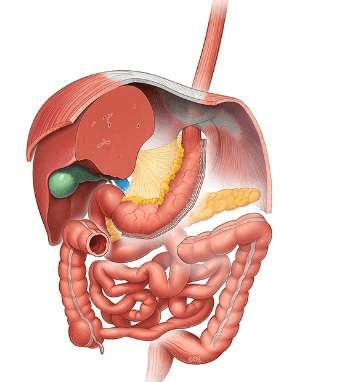
The specifics of your operation will depend on your individual situation and your surgeon or hospital’s practices. Earlier Some sleeve gastrectomies use open surgery technique, which makes larger incisions in your abdomen, but now laparoscopic sleeve gastrectomy surgery is the most common approach all around the world. This procedure uses long laparoscopic instruments placed through several tiny incisions in the upper abdomen.
Before the operation begins, you will receive general anaesthesia, which keeps you asleep and free of pain during the surgery. In a sleeve gastrectomy, the surgeon staples the stomach vertically and removes the extra larger portion of the organ, leaving behind a thin tube. The surgery takes one to two hours usually, and when you wake up for the first time from the anaesthesia, you will be in a recovery area where staff will monitor you for smooth recovery from anaesthesia or for any complications.
After Surgery-
You will begin your dietary course with sugar-free, noncarbonated liquids for the two weeks after sleeve gastrectomy. After that, you’ll move to pureed foods for next two weeks and finally return to regular foods about four weeks after surgery. Taking a multivitamin twice daily, calcium supplementation daily, and a monthly once Vitamin B-12 injection are crucial for long-term health.
You will have regular medical appointments in the months after the procedure to monitor your health, including lab tests and to follow up with dietician.
In the first three to six months after the surgery, the body begins to adapt according to significant weight loss, and this can bring along several changes:
- General body aches
- Similar to flu-like symptoms — Fatigue
- It can cause lower tolerance to colder environments
- Dry skin
- Thinning hair and hair loss
- Mood fluctuations
Results of Sleeve Gastrectomy –
In terms of outcomes, sleeve gastrectomy can produce durable weight loss. People tend to lose about 60%or more of their excess weight after two years, particularly if they adopt healthier lifestyle habits.
In addition to weight loss, this procedure can also resolve or improve a number of obesity-related health conditions, including: –
Heart disease
High blood pressure
Elevated cholesterol levels
Obstructive sleep apnoea
Type 2 diabetes
Stroke risk
Infertility
Sleeve gastrectomy can also improve the ability to participate in daily activities and greatly increase quality of life.
When does weight-loss surgery yield poor results?
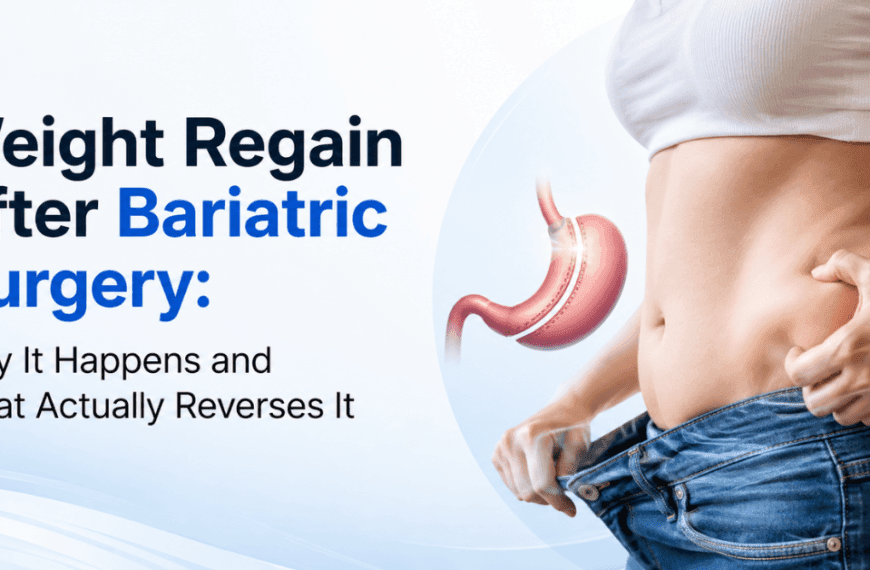
Very few patients are probably going to not lose enough weight or will put weight back on after weight-loss surgery. Weight regains are possible when not following the proposed lifestyle changes. For example, weight loss may stop if you regularly snack on high-calorie foods. To avoid gaining back any weight, you will need to update your diet with dietician counselling and get regular physical activity and exercise permanently.
Attending all of your scheduled follow-up appointments after your weight-loss surgery is crucial so that your surgeon’s team can monitor your progress. If you find that you’re not losing weight, or you experience complications after your surgery, contact your surgeon as soon as you can.