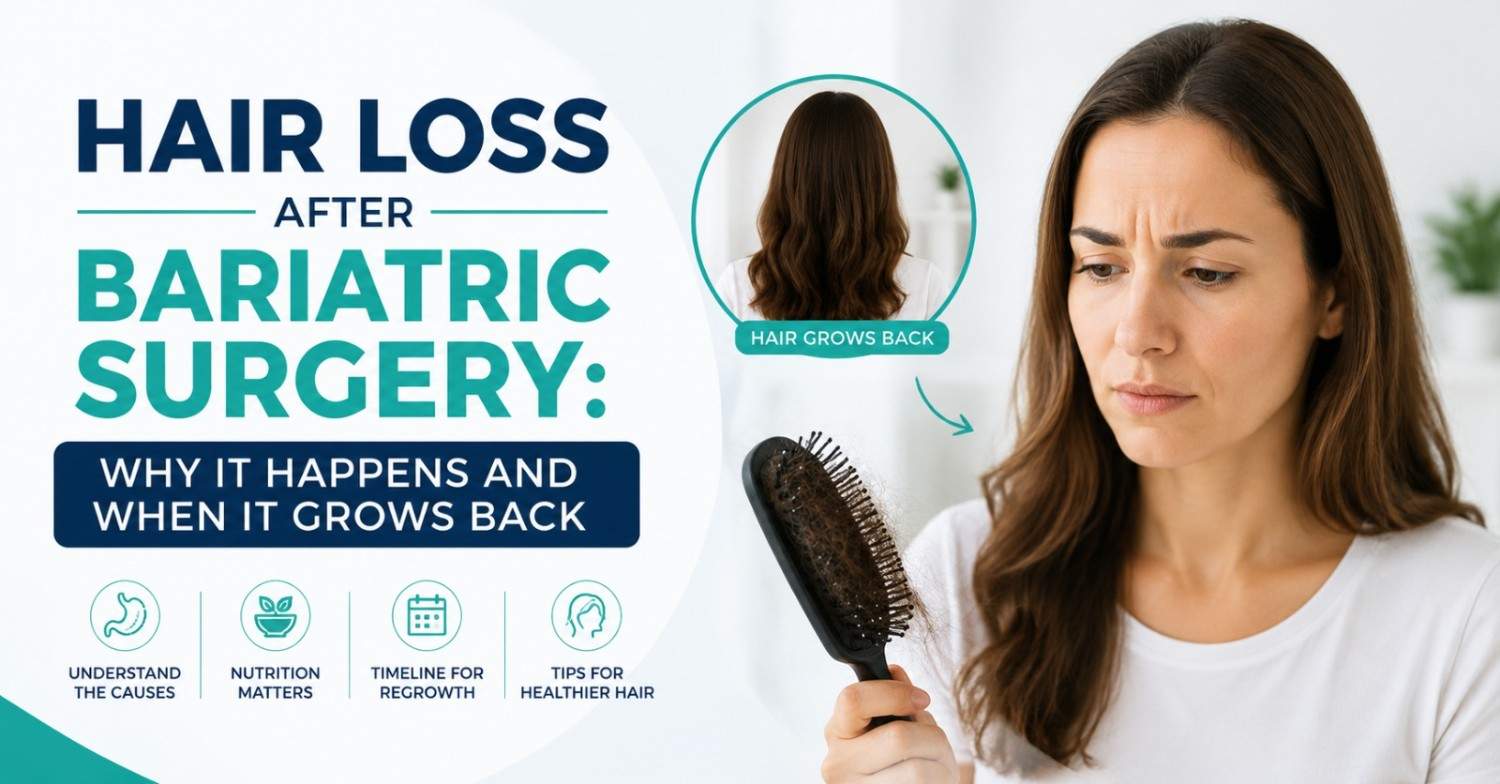
Post-bariatric surgery hair loss is a typical and usually temporary transformation that you’ll encounter as your body adjusts to rapid weight loss and new nutritional patterns. You could observe an increase in strands in your brush, detect thinning patches, or sense that your hair has become brittle. Often, this connects to changes in protein, vitamins, and minerals. In this guide, you discover what causes it, what is normal, and what helps.
Key Takeaways
- We all experience some telogen effluvium-induced temporary hair loss after bariatric surgery. That’s caused by surgical stress, rapid weight loss, and major metabolic changes. This shedding typically begins approximately 1 to 3 months post-surgery and generally resolves by 9 to 12 months.
- You reduce your risk of major hair loss by paying attention to nutrition, particularly protein, iron, zinc, vitamin B12, and other essential micronutrients. Work with your care team to monitor your lab work and tailor your supplements to real deficiencies.
- You promote hair regrowth by consuming a balanced, protein-dense diet and a bariatric-specific multivitamin daily. Adding nutrient-rich foods like lean meats, legumes, dairy, eggs, nuts, seeds, and whole grains goes a long way in safeguarding your hair.
- You can shield delicate hair by implementing soft care habits like gentle shampoos, minimal heat styling, and loose hairstyles. Small measures such as using a wide-tooth comb and skipping chemical treatments minimize breakage while your body recovers.
- If hair loss is persistent or severe, you may benefit from medical treatments like topical minoxidil or targeted supplements. Always talk to your doctor about things like iron, zinc, biotin, or hormone-based therapies before you start them.
- You bolster your emotional health by accepting that hair loss is stressful and turning to professional, peer, and familial support. By being aware, monitoring your symptoms, and concentrating on your health victories, you can keep this period more manageable.
The Primary Cause Of Hair Loss
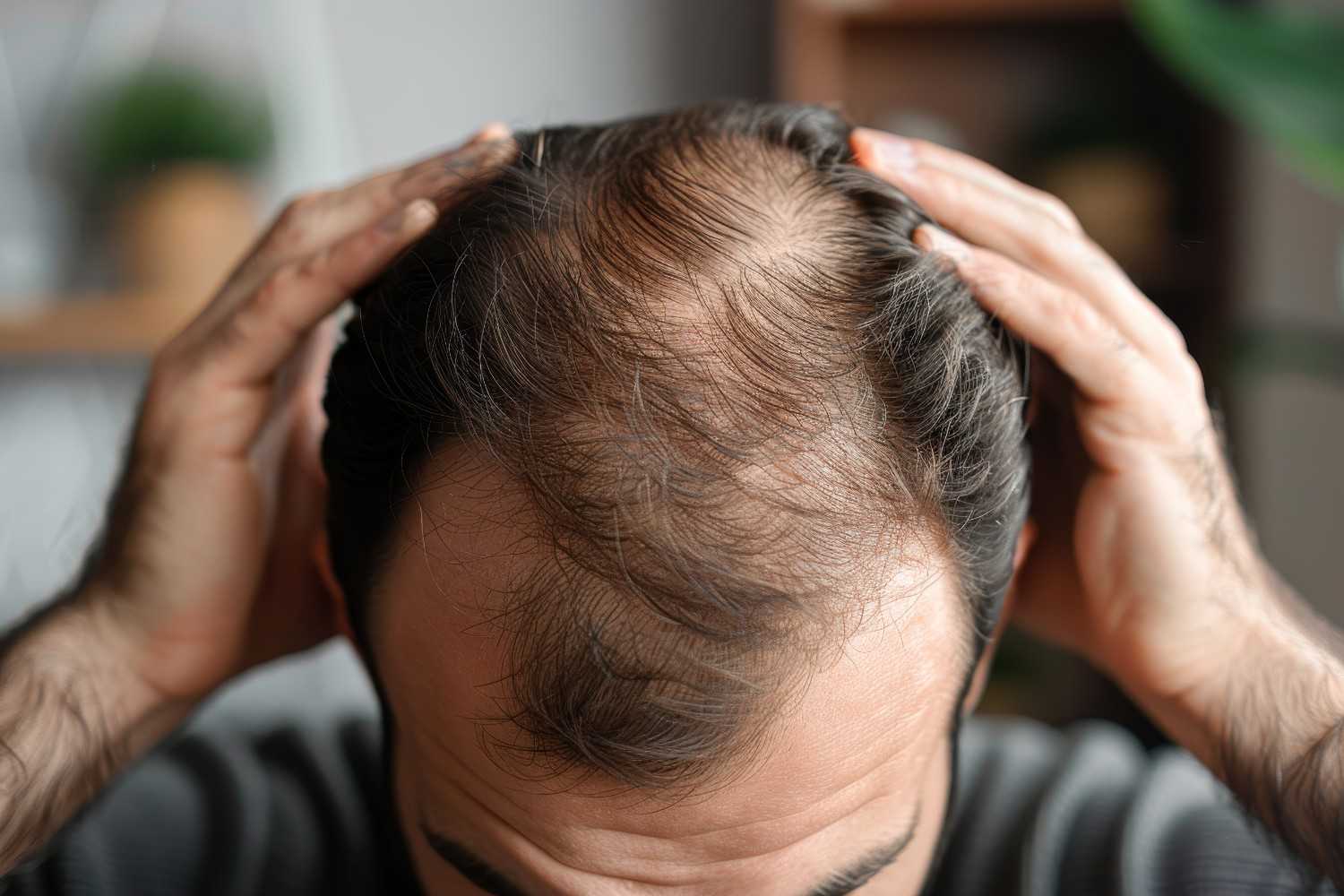
After weight loss surgery, the majority of hair loss is telogen effluvium, a stress-induced shedding where significant numbers of hairs enter the resting (telogen) phase simultaneously. Your body is dealing with surgery, rapid weight loss, and a decrease in calories, so it reallocates resources to healing and away from healthy hair growth. Nutritional deficiencies, particularly low iron and low protein, are the most robust predictors and tend to manifest as low ferritin and protein markers on blood tests. In most individuals, shedding begins at about 3 to 4 months, peaks at 4 to 6 months, and improves by 6 to 9 months as nutrition and weight stabilize.
1. Surgical Stress
Major surgery, such as weight loss surgery, is a shock to your system, prompting your body to enter “protect” mode, which shifts hair follicles from the growth phase into the resting phase. During this period, energy and nutrients are primarily allocated to healing tissues, supporting your heart, lungs, and immune system, and driving inflammation, rather than maintaining thick hair density. You typically observe the result of this postoperative hair loss sometime later, with increased shedding one to three months post-operation, often when you believe the worst is behind you. If you already live with androgenetic alopecia or patchy hair loss, this stress can exacerbate these conditions and sometimes unmask hair that was previously latent before surgery.
2. Rapid Weight Loss
Rapid weight loss following weight loss surgery is among the most potent triggers of telogen effluvium, as your body must rapidly adjust to a reduced caloric intake and significant metabolic changes. The more rapid and precipitous the decline on the scale, the more probable it is that you’ll experience noticeable hair loss on your pillow, in the shower drain, or in your brush. Losing tens of kilos in a few months, especially when paired with low calorie consumption, resembles a crash diet and forces more hairs into telogen simultaneously. Keeping tabs on how many kilograms you shed per month and sharing that with your care team helps forecast when shedding may begin and if the rate of loss is stressing your hair further.
3. Nutrient Deficiency
The main driver behind most post-bariatric hair loss is a deficiency of key nutrients, primarily iron and protein, which your hair requires for growth and regrowth.
You commonly recognize low ferritin (your iron store), low or low-normal zinc, low protein or albumin, and sometimes low vitamin B12, folate, and fat-soluble vitamins. Zinc deficiency can impact up to 50% of patients, and many people with hair loss fall in the ‘low-normal’ zinc range that still isn’t sufficient for healthy hair. When your consumption is restricted, your body will prioritize iron, protein, and micronutrients for supporting essential organs, so hair receives less than it needs and begins to thin and shed at increased rates. The good news is that if diet and supplements are corrected early, shedding linked to deficiency rarely lasts more than about six months and often acts as an early warning sign that your nutrition plan needs a tune-up.
| Surgery type | Common deficiencies (relative frequency) |
| Gastric bypass | Iron, ferritin, B12, folate, protein, zinc (high) |
| Sleeve gastrectomy | Iron, ferritin, B12, protein, zinc (moderate) |
| Malabsorptive mixes | Iron, fat‑soluble vitamins, protein, zinc (very high) |
4. Hormonal Shifts
Bariatric surgery, particularly procedures like the gastric sleeve operation, changes your metabolism, gut hormones, and body fat, and those shifts can disturb the hair cycle in a more subtle way than pure nutrient loss. Changes in thyroid hormones, insulin, and sex hormones can add diffuse shedding on top of telogen effluvium or, in some people, worsen pattern-type hair loss if you already have a tendency toward androgenetic alopecia. If you have polycystic ovary syndrome (PCOS) or a related hormone problem, weight loss surgery may slowly help long-term, but the quick changes right after surgery can still trigger short-term thinning. Because of that, it makes sense to include thyroid, insulin, and sex hormone checks in your follow-up labs when you and your team are trying to sort out why your hair is thinner and how to get it growing again.
What To Expect
After weight loss surgery, particularly in the first post-op year, patients can expect certain hair changes, including noticeable hair loss, which follows a predictable pattern that can be anticipated.
Hair loss following weight-loss surgery is a concern that many people notice during recovery. Hair loss is a common temporary side effect for those who undergo bariatric surgery, including different forms of metabolic and bariatric surgery and obesity surgery. The body’s response to surgery, rapid weight loss, and potential nutrient deficiencies can all lead to hair loss, making this condition associated with hair loss in some individuals. Although the type of bariatric surgery and the amount of hair shedding can vary from person to person, many patients with hair loss see improvement as their nutritional status stabilizes. If you experience hair loss or significant hair loss, it is important to work with your healthcare provider to identify the cause and ensure proper nutrition. Understanding hair loss after metabolic procedures and following your post-operative care plan can help support healthier hair regrowth over time.
The Timeline
Hair loss usually begins gradually around 1 to 3 months following surgery and then is more apparent from 3 to 6 months. You might notice additional hair in the shower drain, on your pillow, or in your hairbrush. For most, this shedding starts around months 3 to 5 and can seem sudden despite having been developing in your hair cycle for weeks.
In the majority of cases, shedding tapers naturally towards 9 to 12 months post-op as your weight, hormones, and nutrition balance out. The shedding typically subsides before the new short hairs begin to emerge along the hairline or part. Hair loss very rarely persists beyond 6 months if your diet and blood work are in order.
Whether you use a simple timeline chart or jot notes on your phone, mark when you first notice the increased shedding, when it feels worst, and when it begins to taper off. This will help you and your care team determine if the pattern is consistent with standard post-op telogen effluvium or if it indicates a different source. If clear shedding continues after six months, it’s prudent to consult your physician so they can screen for concerns such as low iron, zinc, or protein.
The Severity
You can experience anything from mild thinning that only you detect to diffuse hair loss that takes the ponytail down a notch or increases your scalp’s exposure to fluorescent lighting. Noticeably, you will observe a lot more loose strands than you’re accustomed to, which can be disturbing even when you know it’s anticipated. Postoperative hair loss is often linked to various factors, including rapid weight loss and nutritional deficiencies, particularly in bariatric surgery patients.
More significant loss is more likely to occur in individuals who lose weight at a high rate, have insufficient protein intake, or have unaddressed vitamin and mineral deficiencies. Low iron and zinc levels, and overall protein, are important culprits. Chronic illness or thyroid disease can also contribute to excessive hair loss, making it crucial to monitor serum ferritin levels and serum zinc in those undergoing weight loss surgery.
You can follow severity with easy measures. A ‘hairbrush test’ refers to estimating the number of hairs you observe following a normal brushing. Photos in the same light each month assist you in making comparisons of density at the part, hairline, and crown, especially for loss surgery patients wanting to track their progress.
Even when flaking appears severe, this form of hair loss rarely causes permanent bald patches or scarring alopecia. The follicles remain viable; they are dormant, not annihilated, and the majority experience complete or near-complete density restoration within 6 to 12 months, particularly with proper nutritional support and zinc supplementation.
The Type
Most post-bariatric hair loss is telogen effluvium, a stress response in which a large number of hairs enter the resting phase and subsequently shed simultaneously. You experience shedding from the entire scalp rather than distinct bald patches, and the hair you lose appears normal, with full-length shafts and a small bulb at one end.
This is a separate pattern from androgenetic alopecia or male and female pattern hair loss that thins hair primarily at the crown, temples, or part and is typically familial. It’s unlike alopecia areata, where you get smooth, round bald patches. Post-surgery telogen effluvium is non-scarring so the follicles can regrow.
You may observe that the entire scalp is somewhat lighter, and the hairline remains the same. You do not see red, flaky, or shiny skin. As time goes by, the shedding decelerates, and short, fine new growth covers the scalp.
It doesn’t hurt to scribble down where your hair feels the thinnest and snap some pics from the front, side, and back every few weeks. This history helps your physician verify the hair loss type and select actions like blood tests, dietary adjustments, or supplements like zinc when necessary.
How To Manage Hair Loss
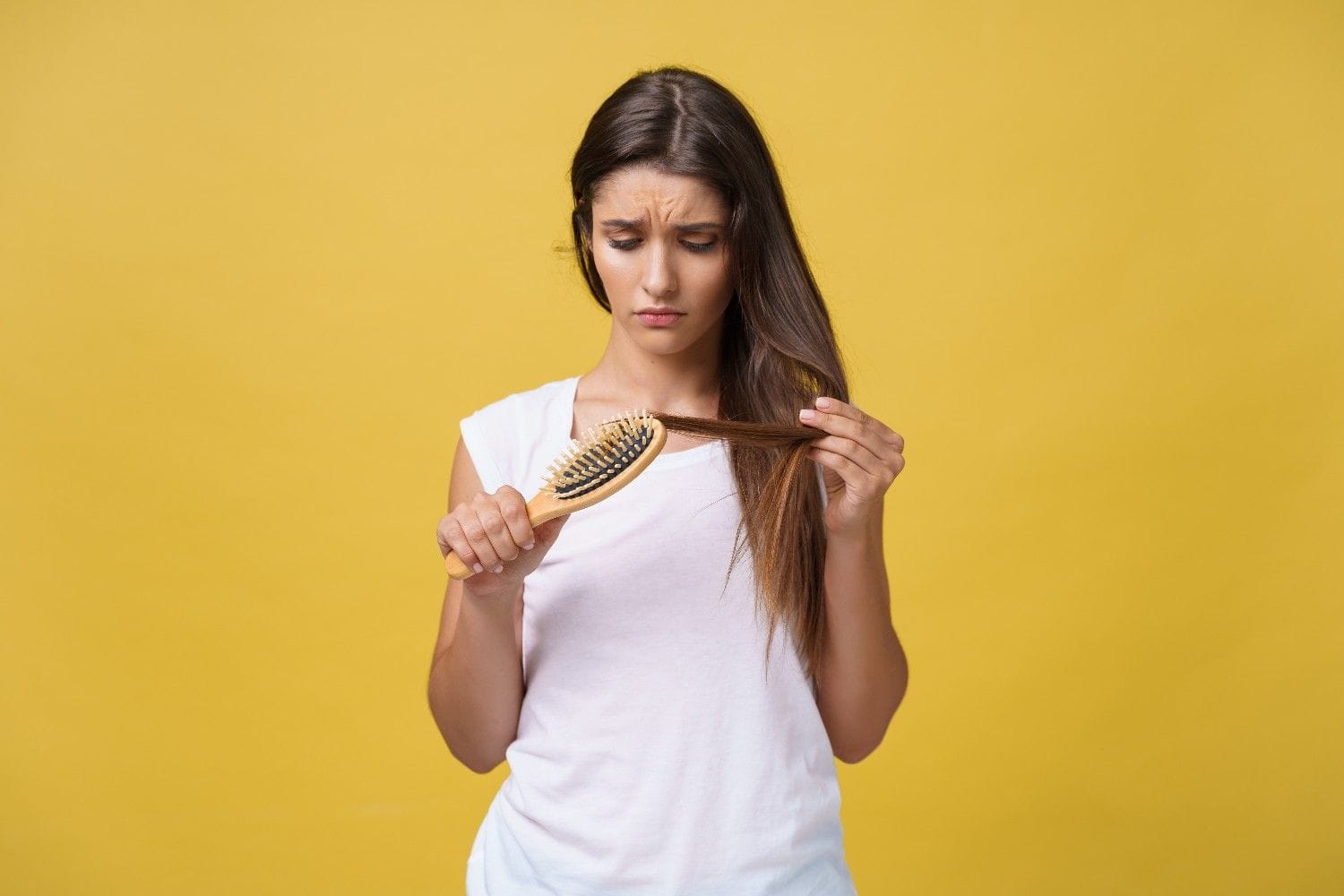
Hair loss after weight loss surgery, particularly following procedures like the gastric sleeve operation, is normal and tends to peak approximately three to five months post-op. It typically subsides within around six months as your body adjusts. You can stabilize this process by safeguarding your diet, handling your hair with care, and seeking medical assistance when shedding is severe or prolonged.
For many bariatric patients, hair loss is common during the first few months after surgery, especially after procedures such as Roux-en-Y gastric bypass, gastric bypass surgery, or sleeve gastrectomy and gastric bypass. Hair loss may become most noticeable around six months after surgery as the body adjusts to significant weight loss and healing. Studies on hair loss suggest that rapid weight reduction, nutritional deficiencies, and physical stress are factors related to hair loss, including hair loss after laparoscopic sleeve procedures. However, although hair loss can be upsetting, it is usually temporary, and in most cases hair will grow back once nutrition improves and the body recovers. If you are considering getting bariatric surgery, discussing nutritional planning with a bariatric and medical weight management team can help reduce the risk of hair shedding and support healthy recovery in the years following bariatric surgery.
Nutritional Focus
Your hair requires consistent fuel. After bariatric surgery, you consume less food, so each bite is worth more. You want sufficient protein, iron, zinc, and vitamins (particularly B12, folate, vitamin D, and biotin) to support both repair and hair regrowth. Strive for protein at every meal and snack, as inadequate protein is one of the main causes of hair growth plateaus.
Most bariatric teams recommend a daily bariatric-specific multivitamin. That kind is more potent than your typical store multivitamin, and it blocks the usual gaps that cause low ferritin, low zinc, and B-vitamin deficiencies. You still need fodder to support it, however.
Checklist: nutrient‑dense foods for hair health
- Skinless chicken, turkey, lean red meat
- Grilled or baked fish (for example salmon, sardines, mackerel)
- Eggs and low‑fat dairy (yogurt, milk, cheese)
- Oysters, other shellfish, and poultry for zinc
- Beans, lentils, tofu, and soy yogurt
- Dark green vegetables and iron‑fortified grains
Request lab checks from your team during regular follow-ups. Key tests to include are serum ferritin (your iron stores), zinc, vitamin B12, vitamin D, and markers of protein status. Low ferritin is frequently connected to shedding. Boosting it with diet and, if necessary, iron tablets or infusions can soothe hair loss over time.
Gentle Hair Care
- Use mild, sulfate‑free shampoo and lukewarm water.
- Avoid or reduce bleach, perms, straighteners, and frequent dye.
- Let hair air-dry when possible. Keep the heat tools low.
Tight ponytails, braids, buns, and hair extensions stress roots. Loose styles, soft scrunchies, and not sleeping in tight ties all cut stress and give fragile hair a break while new growth comes in.
Working in small sections, gently detangle with a wide-tooth comb, beginning at the ends and working up. This reduces breakage, so more strands remain on your scalp as opposed to on the brush.
Scalp massage with your fingertips for a few minutes a day can increase blood flow to hair follicles. You can toss in a light oil if your scalp is dry, but prioritize consistent, gentle pressure over products.
Medical Options
If hair loss remains heavy past six months or your scalp appears patchy or thin, consult with your bariatric clinician or a dermatologist. They can check labs, evaluate your weight-loss pattern and diet, and rule out thyroid disease, severe anemia, or other causes.
Topical minoxidil (foam or solution) is an OTC option with data in a number of hair loss types, including telogen effluvium and androgenetic alopecia. It typically requires months of consistent use before you evaluate results. It can cause some scalp irritation or shedding at first.
Zinc supplements will assist when you are actually zinc-deficient. One study found that all patients who took zinc had hair loss stop after six months. High-dose zinc can cause copper deficiency and other issues, so just use powerful doses with lab evidence of low levels and physician supervision.
Your doctor might consider prescription oral treatments or hormone-based therapy if you have pattern-type hair loss, such as androgenetic alopecia, in addition to post-surgery shedding. A medical plan should involve continued lab checks and follow-ups so side effects are caught early and doses are adjusted when your blood work or symptoms shift.
The Role Of Specific Nutrients
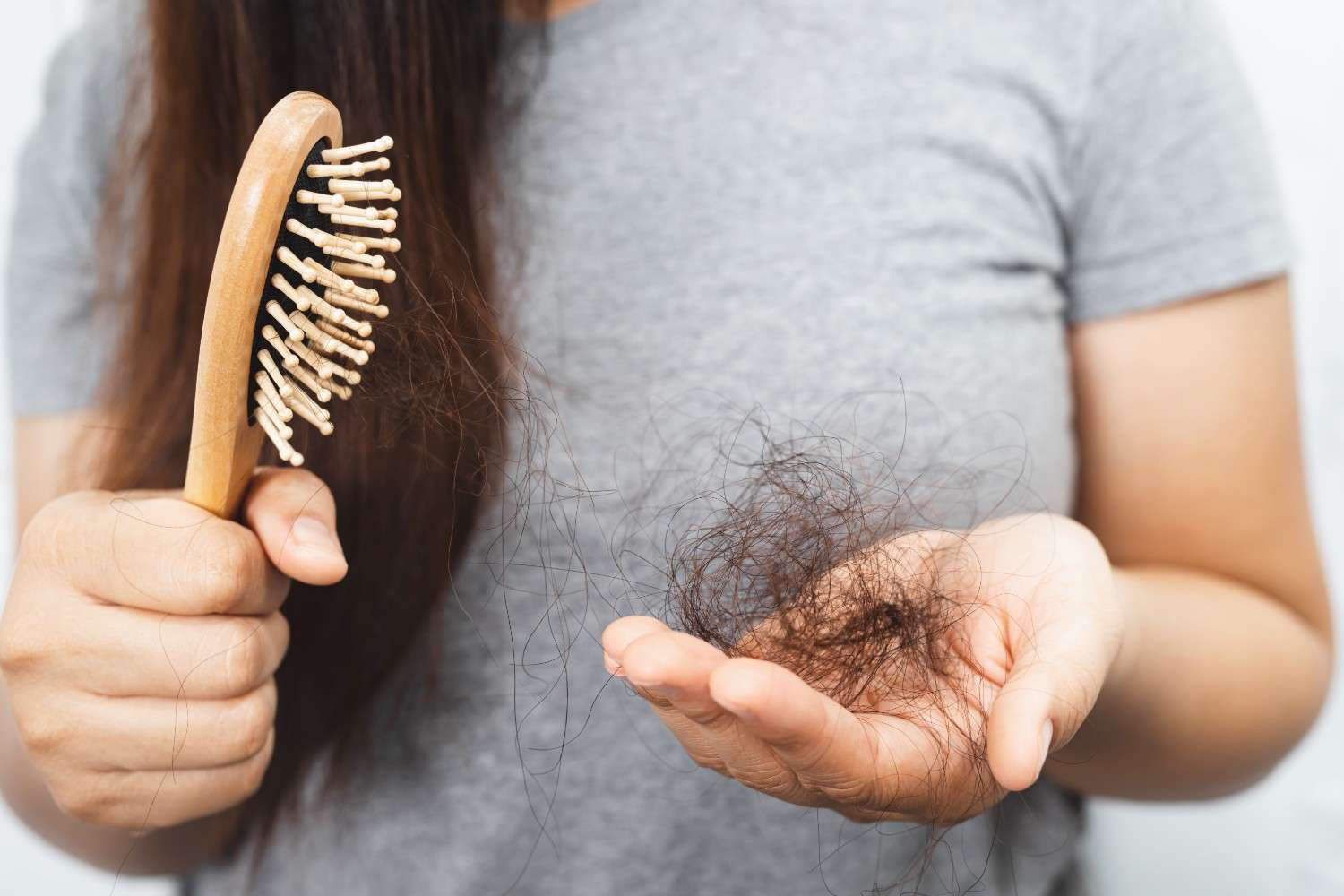
Following bariatric surgery, your body tends to consider hair as low priority. When nutrients are in short supply, they go first to your heart, brain, and other vital organs, and your hair follicles get whatever is left. Iron, zinc, protein, biotin, and even water intake play a significant role in determining the rate at which your hair regrows and how long shedding persists.
- Iron deficiency, which is low ferritin, is the one nutrient most associated with hair shedding.
- Zinc deficiency, in particular, slows hair tissue repair and can trigger shedding.
- Low protein intake weakens hair shafts and delays regrowth.
- Biotin deficiency can contribute to shedding as well, albeit less frequently.
- Low iron and zinc together tend to worsen hair loss.
You require stable, long‑term habits. That means supplements, meals, hydration, and blood tests on a regular basis to identify new deficiencies before your hair suffers.
| Nutrient | Typical target intake | Deficiency signs linked to hair |
| Iron | 50–100 mg/day (elemental) | Diffuse shedding, fatigue, brittle hair |
| Zinc | 15–40 mg/day | Shedding, slow regrowth, poor wound healing |
| Protein | ≥0.8 g/kg body weight (often 60–80 g/day) | Thin, weak hair, stalled regrowth, muscle loss |
| Biotin | Frequently 30 to 300 micrograms per day in bariatric formulas | Hair thinning, fragile nails, mild rash |
Your care team might adjust these depending on your lab work, kidney or liver function, surgery type, and medications. Continued monitoring guards you against supplement deficiency and excess, both of which can cause damage.
Beyond The Physical Impact
Hair loss post weight loss surgery, particularly noticeable hair loss, is more than a vanity concern. It can influence your self-perception, social navigation, and sense of advancement even as your health stats improve.
Emotional Toll
When you notice more hair in your brush or shower drain, you could feel a wave of panic or melancholy. For others, it incites panic that something is going wrong, even when the hair loss is a documented, temporary side effect. Some are frustrated because they thought after surgery they’d feel better about their appearance, not worse.
These are natural responses to outward transformation. Hair loss is a daily reminder that your body is shifting, and that alone can increase stress and decrease your mood. It can unearth old insecurities you thought weight loss would cure.
You may record your feelings in a plain journal or notes app. Record what you felt, what was going on, and what helped. Over time, you may notice patterns, such as particular social settings or work-related stress intensifying the discomfort.
Regular, small doses of self-care do the trick. That might be a soothing stroll, a quick breath meditation, or whispering a few truthful, gentle mantras to yourself like, “My body is recovering,” or “This too shall pass.” Small actions can establish some psychological distance between you and the dread.
Body Image
Hair loss can seem like a blow when you’re already coping with loose skin, scars, or quick shifts in dress size. You might enjoy certain changes in your body, and not so much others, and that blend of emotions can be tricky to unravel.
It’s worth keeping in mind that these changes are a piece of the entire bariatric puzzle, not an indication that your path is floundering. Hair shedding may be temporary, but the health improvements from improved blood sugar, blood pressure, or joint pain relief can be long-lasting.
Try to ground your body image in more expansive indicators of health. These may be things like being able to walk farther without catching your breath, improved sleep, or better lab values. When your attention is trapped in thinning hair or loose skin in the mirror, you lose sight of those victories.
Set some realistic expectations for hair regrowth and body changes. Hair cycles may take a few months to settle down following the trauma of surgery and rapid weight loss. With sufficient protein, iron, and other nutrients, most experience thicker regrowth over time, even if the intermediate stage feels sluggish and awkward.
Finding Support
You don’t have to navigate this on your own. Bariatric support groups, in-person or online, provide you room to post photos, exchange hairstyle or hat tips, and learn real-life timelines from those who have already navigated the shedding.
You can rely on those who know your narrative—significant others, best buddies, relatives, or peer mentors from your clinic. Let them know exactly what you need, whether it’s candid input, assistance with practical matters, or just a bit of consolation when you’re on display.
Education really matters. Ask your care team for nutrition and hair health sessions, or find trusted webinars that detail how protein intake, iron, and other nutrients influence hair growth. Hair loss is frequently an indication that your diet or supplements need modifying, and making the changes early can help maintain regrowth and your broader recovery.
Connecting with others dealing with the same challenge can alleviate shame and isolation. Knowing that many people lose their hair for just a few months and then have regrowth with appropriate maintenance allows you to maintain perspective on your overall health and confidence.
When Hair Grows Back
Hair loss after weight loss surgery is typically temporary. Generally, you notice obvious regrowth anywhere between 6 to 12 months after the shedding begins, and a full return of density can take 12 to 18 months. In general, the entire cycle from initial shedding to full density is usually in the 9 to 18 months range, which certainly can feel like a long time, but it aligns with the way hair actually grows.
Your hair has its own languid, steady beat. At any given time, approximately 85% of your hair is in the anagen (growth) phase, during which it grows about 1 centimeter per month. The remainder cycles through catagen (short shift), telogen (rest), and exogen (shedding). Postoperative hair loss after bariatric surgery, stress, rapid weight loss, significant reductions in calories delivered, and low nutrients can shift more hairs into telogen. That’s why we frequently observe shedding three to six months post-surgery, even if you’re feeling great at that point.
When your body begins to stabilize again, more hairs shift back into anagen. That’s when you see those mini hairs coming in along your part, hairline, or temples. Initially, this new hair sometimes appears finer, softer, or somewhat ‘fuzzy.’ That’s natural. As your nutrition and intake stabilize, subsequent growth feels closer to your original texture and thickness. If it was thick and wavy before, you normally drift back toward that, though age, hormones, or other medical issues can still affect things.
To maintain this, you require consistent fuel and materials. That includes sufficient protein and important nutrients such as zinc, vitamin B12, folic acid, iron, biotin and vitamin D. A nutritious diet, adequate hydration and the supplements your bariatric team recommends are more important than any fancy shampoo. Regular, gentle care and time are the real impetus behind full regrowth.

Conclusion
Post-bariatric hair loss is rough, yet has both a distinct cause and a distinct arc. Your body is hustling to heal, move weight, and readjust hormones, so your hair sometimes catches a brief beating.
Most experience the shedding decelerate after a few months. New growth begins as your weight stabilizes and your nutrients remain on point. Think consistent eating, adequate protein, quality rest, reduced stress, and strategic blood work with your medical team.
You don’t have to “fix” it in a day. You simply require a plan you can follow.
Got more questions or a strange hair change that concerns you? Call your care team and get it checked.
Frequently Asked Questions
Why does hair loss happen after bariatric surgery?
You typically lose hair due to ‘telogen effluvium’, particularly after weight loss surgery. This telogen effluvium stress response results from rapid weight loss and reduced caloric intake following procedures like the gastric sleeve operation. It’s common, temporary, and is NOT an indication your surgery failed.
When does hair loss start and how long does it last?
Hair loss, particularly noticeable hair loss, typically begins 2 to 4 months post-weight loss surgery. It tends to peak around months 4 to 6, then gradually improves. Most bariatric surgery patients experience obvious regrowth at the 6 to 12 month mark, especially if they adhere to nutrition and protein recommendations.
Can you prevent hair loss after bariatric surgery?
You can’t entirely stop postoperative hair loss, but you can minimize it. Eating enough protein, taking your prescribed vitamins, and staying hydrated are essential, especially for bariatric surgery patients. Routine visits and blood tests help your care team address nutritional deficiencies early.
Which nutrients matter most for hair regrowth?
Protein is a key component for bariatric surgery patients. However, they’re not the only ones: sufficient levels of iron, zinc, biotin, vitamin B12, folate, and vitamin D are essential. A nutritional deficiency in these can exacerbate postoperative hair loss, so have your serum levels checked regularly.
When should you worry and call your doctor?
See your doctor if it’s severe or accompanied by fatigue, dizziness, brittle nails, or pale skin, as these can indicate anemia or other nutritional deficiencies. You should call if postoperative hair loss persists past 12 months after adhering to your weight loss surgery nutrition plan.
Will your hair grow back to how it was before surgery?
For the most part, yes. The hair typically recovers after your weight normalizes post-weight loss surgery and your nutrition gets restored. Texture or thickness can shift somewhat, but permanent bald patches are exceedingly uncommon when nutritional deficiencies are tracked and addressed.
Do hair growth shampoos or supplements work after bariatric surgery?
Topical shampoos by themselves seldom cure postoperative hair loss in bariatric surgery patients because the underlying problem is often a nutritional deficiency. Hair, skin, and nails supplements may assist, particularly if they address serum zinc levels, but always consult your bariatric team before adding a supplement.

 Eileen1721 says:
 Jasmine3137 says:
 Millie1681 says:
 Randy3859 says:
 Gabriela2616 says:
 Dallas2168 says:
 Beckett4756 says:
 Frances1776 says:
 Kai2200 says:
 Earl2563 says:
 Sally2038 says:
 Jackson2742 says:
 Darby394 says:
 Flora2758 says:
 Clinton4565 says:
 Lachlan4721 says:
 Hugo313 says:
 Carolina195 says:
 Evelyn1522 says:
 Tomas4234 says:
 Esther4738 says:
 Gloria1961 says:
 Diego2458 says:
 Scarlett1152 says:
 Gina918 says:
 Max1780 says:
 Christine1121 says:
 ExoWatts says:
 Katie1198 says:
 Steven484 says:
 Barbara3598 says: