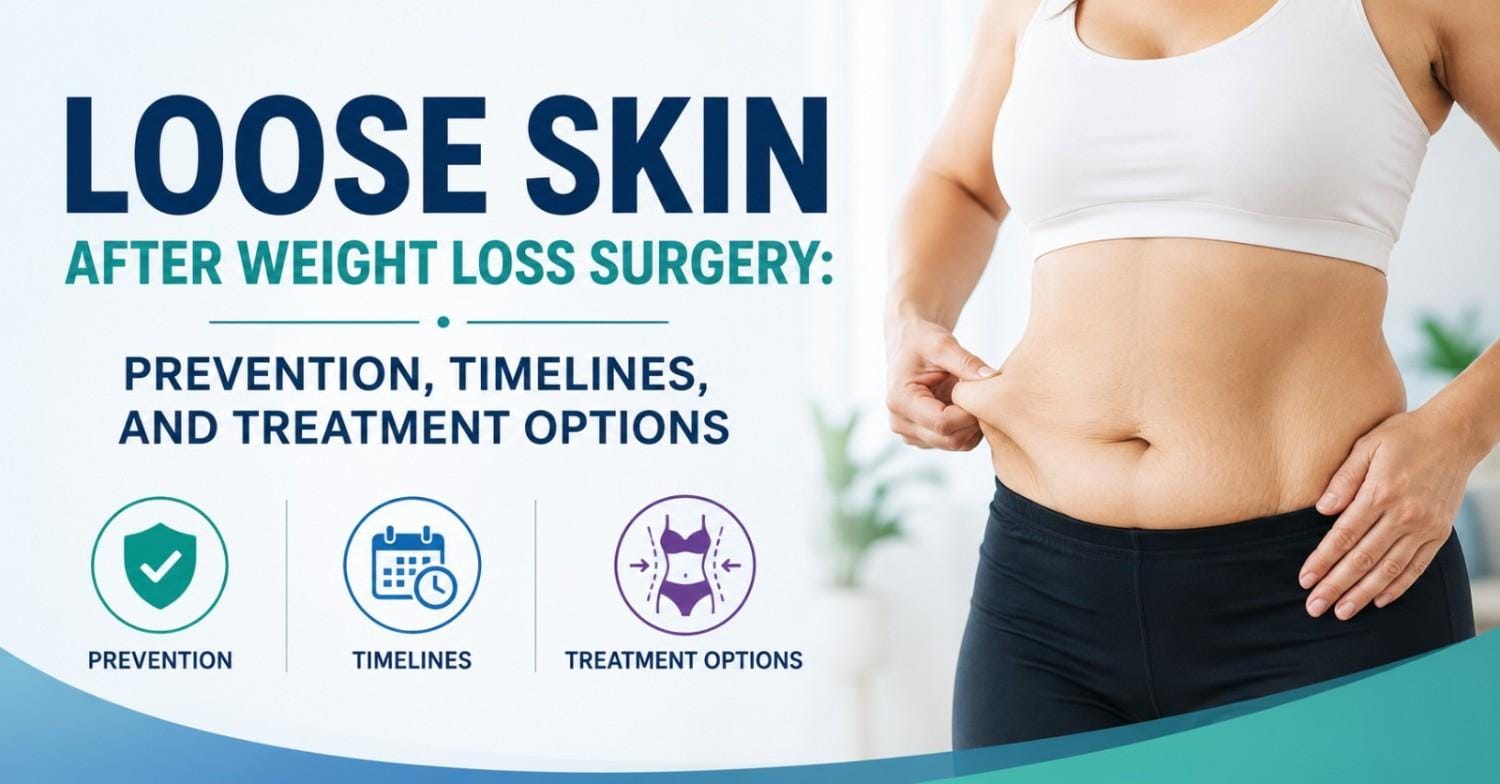
Loose skin after weight loss surgery is the additional skin that remains after you shed a significant amount of weight rapidly. You might find it on your belly, arms, thighs, chest, or neck. It can affect clothing and your daily life. You could have rashes or irritation. In this guide, you will see what causes it, what helps, and what options you have.
Key Takeaways
- You will probably have loose skin after weight loss surgery if you lost weight rapidly, were overweight for a long time, are older, or naturally have less elastic skin. Knowing these factors allows you to plan reasonable expectations and concentrate on what you can still impact.
- You can strengthen your skin by optimizing lifestyle factors that you can modify. Don’t smoke, protect your skin from the sun, stay hydrated, and eat a nutrient-dense, protein-focused diet. Of course, regular strength training and not going on and off diets contribute to better skin tone.
- Even with great habits, you can minimize the effect of loose skin, but you can’t completely prevent it. Early use of moisturizers, compression or supportive garments, and slow weight loss make loose skin more tractable.
- You might encounter emotional and practical issues from loose skin, such as shifts in body image, self-esteem, and physical comfort. Reaching out for support, whether through counseling, peer groups, or your medical team, can help you cope and stay focused on your long-term health progress.
- For mild to moderate looseness, you can attempt nonsurgical options like firming creams, laser or ultrasound treatments, and other skin-tightening treatments. Results are often modest and temporary. These only work best as part of a larger, healthy habit and realistic expectation plan.
- You may be a candidate for body contouring surgery, including procedures such as tummy tuck, panniculectomy, arm or thigh lifts, if you have a significant amount of excess skin that interferes with function or quality of life and typically after your weight loss has been stable for 6 to 12 months and after complete medical clearance.
Why Loose Skin Happens
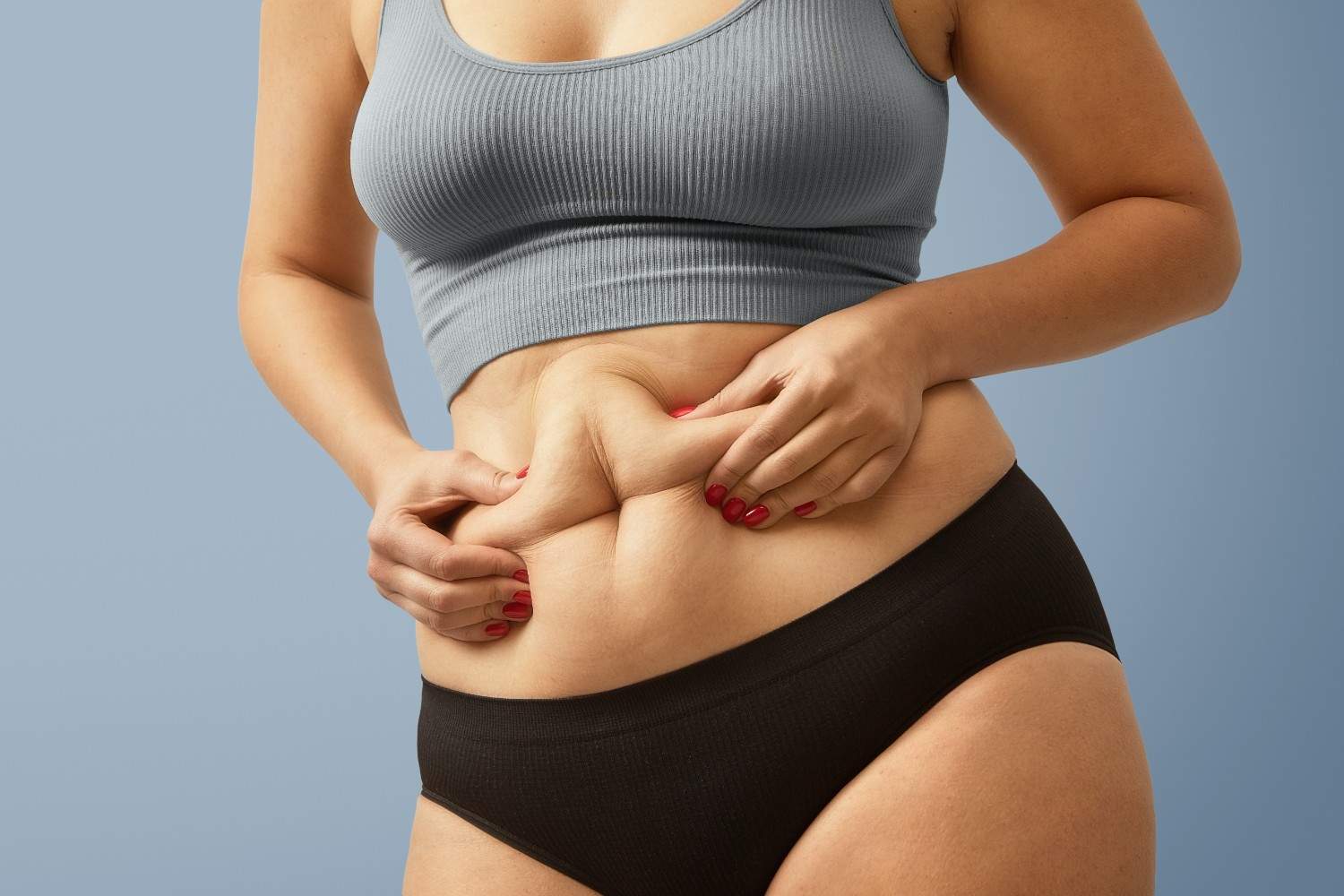
Loose skin after weight loss surgery occurs when your skin can’t shrink quick enough to keep up with your tinier frame. Because you lived with obesity for years, your skin had to stretch and cover a bigger form. After bariatric surgery, fat volume decreases rapidly, but that stretched skin remains, possibly lacking the resilience or “snap back” to fully contract again.
Loose skin can appear on your stomach, arms, thighs, chest, back, and even your face and neck. That risk increases when you lose a lot of weight, especially more than roughly 45 kg, and when that loss is quick. Age, genetics, sun damage, and lifestyle all alter how your skin reacts.
1. Skin Elasticity
Skin elasticity is your skin’s natural stretch and bounce back. It allows your belly to expand during pregnancy and then gradually contract again post-partum, or it helps your skin withstand transient weight fluctuations without ripping. After substantial weight loss, many individuals may consider excess skin removal procedures to address sagging skin.
Two proteins do most of this work: collagen gives structure and firmness, while elastin lets the skin spring back after it stretches. When these fibers remain robust and structured, your skin has an easier time retracting after significant weight loss. However, those who undergo major weight loss often find that they need to consult a cosmetic surgeon for the best options to achieve their desired body shape.
Your personal baseline elasticity is different from someone else’s. Genetics, age, hormones, and even prior sun damage all affect the quality of collagen and elastin. If your skin has been broken or thin for years, even a cautious weight loss strategy might result in a bit of excess tissue that could require surgical options for correction.
2. Weight Loss Speed
Bariatric surgery-induced rapid loss tends to cause more loose skin for the same reason — fat volume decreases in months, but the skin remodels over years. When weight decreases rapidly, the skin doesn’t have sufficient time to break down old fibers and construct new collagen in a tighter form.
Slow loss gives your skin time to adapt even post-surgery. You can’t completely control the speed in the beginning, but you can prevent excess tension from severe calorie deficits or medically unsupervised “stacking” of quick-release fat burners. Such decisions can shed pounds all the quicker and leave you with additional skin flaps.
Monitoring your weight approximately once a week allows you and your care team to identify a decrease that is too rapid for your body and skin.
3. Time Overweight
The more time you spent with additional weight, the more time your dermis remained expanded. Over time, those collagen and elastin fibers can fray and thin out, similar to a waistband that has been stretched beyond its limits for too long.
If you lived with obesity for a decade or more, your risk of loose skin post-op is greater than someone who gained weight a few years ago. The skin’s ability to recover diminishes with time under such outward force.
It doesn’t make weight loss any less valuable. It just means you can strategize more. For example, when you chat with your surgeon or dermatologist, mentioning how long you’ve carried extra weight helps them manage expectations and discuss options like body contouring down the line.
4. Age And Genetics
Your body produces less collagen and elastin as you get older and repairs damage at a slower rate. Loose skin occurs because in your 40s, 50s and beyond, your skin is typically drier, thinner and less firm so it can’t bounce back from a 50 to 60 kg loss like it may have in your 20s.
Family genes count as well. If your close relatives have naturally firm, dense skin and fewer wrinkles, you may experience improved skin retraction after weight loss. If your family gravitates to sagging skin, stretch marks, or early wrinkles, then loose skin after bariatric surgery is more probable even when you do many things right.
Younger individuals occasionally witness milder folds but are not exempt. Age and genetics are not mutable, so they are more planning tools than targets for guilt or blame.
5. Lifestyle Factors
Day in, day out, your habits either bolster your skin or erode it. Smoking restricts blood flow and damages collagen, causing your skin to thin and prematurely sag. Dehydration and diets low in protein, good fats, vitamins, and minerals leave the skin dull and weak. This makes a large size shift more difficult to manage.
Sun damage is a big culprit, too. Decades of strong sun unprotected by sunscreen break down collagen and elastin, so your skin loses its spring. Throughout and after weight loss, broad-spectrum sunscreen, covering up in intense sun, and applying basic hydrators can preserve what elasticity you have left and can slightly boost texture.
Your regular strength exercise builds muscle beneath the skin. It won’t eliminate loose skin, but additional muscle can bulk up certain areas and soften some folds. Regular habits count over time. Steer clear of major weight fluctuations, as the early gain and loss roller coaster stretches the skin over and over and can potentially contribute more looseness down the road.
The Psychological Impact
Loose skin isn’t just about how your body looks post-weight loss surgery; it can significantly impact your self-perception from day to day. When you experience major weight loss quickly, particularly after procedures like gastric bypass, your skin may not adjust to your new body size. While you may achieve a healthier weight, the presence of sagging skin can lead to feelings of dissatisfaction as you look in the mirror. This contrast between your expectations and reality can undermine your self-esteem and mood, even as your medical results improve.
When you lose a lot of weight quickly, as in the case of bariatric surgery, your skin may be left behind and not “shrink” to your new body size. You may end up at a healthier weight, but still be miserable with the mirror. Perhaps you notice folds on your arms, chest, belly or thighs and feel that your body doesn’t reflect all the effort you put in. This discrepancy between your expectations and your observations can decrease your self-esteem and mood, even as your medical results improve.
Loose skin can be emotionally charged. You may be proud of your weight loss but frustrated, disappointed, or even angry at the excess skin. You might mourn the body you imagined you’d have and the years you spent in a larger one. Some shy away from intimacy, swimming, or fitted clothes because they’re self-conscious or ashamed of the way the skin sways or jiggles. Over time, this can nurture a low mood, shame, and a hard inner voice.
Seeking professional help can make a tangible difference. A therapist experienced in bariatric care can guide you through the emotional complexities of body image and the fear of judgment. Additionally, joining peer support groups, whether online or in person, connects you with others facing similar skin concerns and options, such as excess skin removal procedures. These conversations can help you set realistic goals, plan your next steps, and refocus on achievements like improved health markers and increased energy.
Ultimately, addressing loose skin is about more than aesthetics; it’s about reclaiming your quality of life. As you navigate this journey, consider working with a cosmetic surgeon who specializes in body contouring to explore surgical options that can help restore your confidence and well-being. Embracing these changes can lead to a renewed sense of freedom in your daily life.
Can You Prevent It?
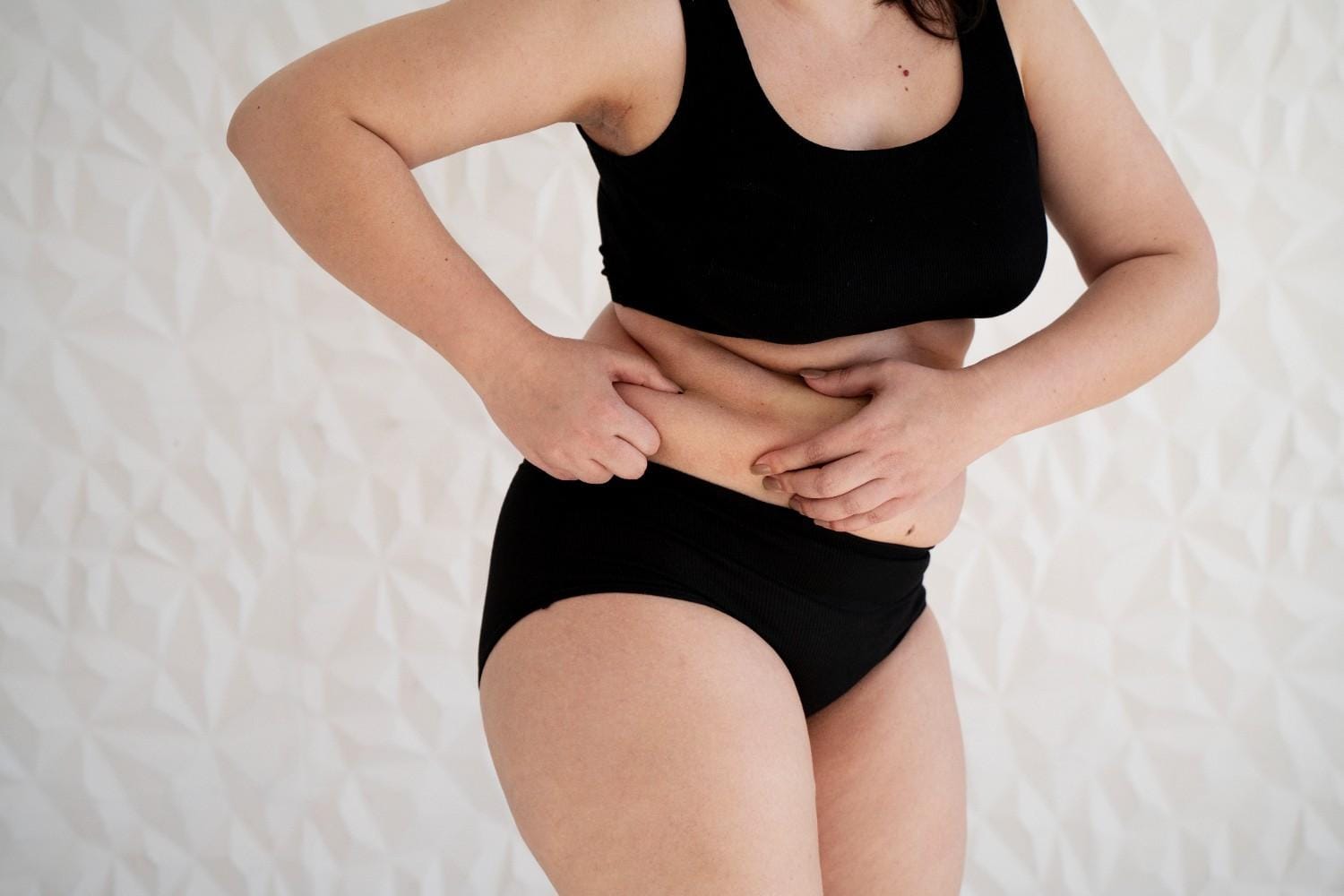
You can’t completely prevent loose skin after weight loss surgery; as much as 96% have some excess skin. You can decrease the likelihood and minimize the prominence with consistent routines and intelligent scheduling.
Loose skin is contingent on things you cannot control, like age, genetics, prior sun damage, and how long your skin remained stretched, like a water balloon that was full for years.
What you can change includes:
- Speed of weight loss is kinder to skin when it is slower and steadier.
- Food quality and protein intake
- Daily water intake and alcohol use
- Exercise routine, especially strength training
- Skin care (moisturizers, sun protection, gentle cleansing)
- Use of compression or support garments during rapid loss
Stopping loose skin post-bariatric surgery requires a preemptive strategy that integrates diet, hydration, exercise, and realistic expectations. Early use of support garments, good skin care, and not rushing the scale can all assist. Even with this, some opt for body contouring surgery once weight is stable for 12 to 18 months, and surgeons typically require your weight to be steady at a healthy level for at least 6 months prior to any skin procedure.
Nutrition
To achieve healthy skin, it is essential to provide your skin with the necessary building blocks through your diet, especially post-operatively when your appetite may be minimal. After procedures like gastric bypass, it is crucial to ensure adequate protein intake each day to support collagen and muscle development, typically aiming for 60 to 90 grams as recommended by your care team. Incorporating antioxidant-rich foods, such as vitamin C and E from berries and bell peppers, along with healthy fats from sources like olive oil and avocado, can significantly aid in promoting skin cell repair and combating skin sagging.
Additionally, antioxidant-rich foods, such as dark leafy greens and tomatoes, play a vital role in protecting skin cells from damage while your body metabolizes broken-down fat. A dietitian experienced in bariatric programs can confirm whether you’re meeting your nutritional needs, despite the challenges of small portions and taste changes. Avoid crash diets or drastic calorie reductions, as nutrient depletion can lead to complications like sagging skin and wrinkles, emphasizing the importance of a balanced nutrition plan for your weight loss goal.
Hydration
Skin traps water in its layers, so consistent hydration keeps it more plump and supple as your body withers. Try for a minimum of roughly 1.9 liters (64 ounces) a day and more if your squad prescribes it, sipping throughout the day rather than chugging several glasses at a time.
Alcohol and high-caffeine drinks will dehydrate you and can upset your post-surgical stomach, so keep them to a minimum and pair every serving with additional water when permitted. A simple check is your urine color: pale yellow usually means good hydration, while dark yellow often means you need more fluids unless your doctor has given you different targets.
Exercise
Muscle is like a natural filler under the skin, so when you build lean mass, it can soften the look of those loose areas where the fat used to hang out. Strength training two to three times a week, once cleared by your surgeon, can target the major muscle groups in the arms, thighs, and core through bands, light weights, or body-weight exercises such as squats, wall push-ups, and bridges.
Consistent aerobic activity, like walking, bike riding, or swimming, promotes heart health and gradual fat loss without the big declines that strain your skin. The secret is a habit you can sustain in the long run, not a quick, fevered surge. Regular exercise during and after weight loss provides your skin the optimal support as your body size fluctuates.
Non-Surgical Treatments
Non-surgical treatments are frequently the initial choice if you have mild to moderate laxity or you’re still losing weight. You receive incremental yet tangible improvements in both tone and comfort, not a complete “cure.
- Daily moisturizers and SPF 30+ body lotion
- Retinoid creams and serums
- Hyaluronic acid and other hydrating products
- Strength training to build muscle under loose areas
- Proper hydration of two liters of water a day
- Noninvasive devices such as laser or ultrasound tightening
Results tend to be modest and temporary. Most individuals do best when they combine several of these tools rather than depend on a single magic bullet.
Topical Creams
Topicals primarily support your skin; they don’t eliminate excess skin folds. Retinoid-based creams, known for enhancing skin elasticity, can encourage your skin to produce more collagen over time, modestly firming thin or crepey areas on the arms, belly, or thighs. You typically need consistent application for several months and a prescription-strength formula to see any obvious difference.
Hyaluronic acid serums or lotions draw water into the upper skin layers so your skin appears slightly plumper and smoother. This can help to soften fine wrinkling around stretch marks or at the inner thighs. It will not “shrink” hanging skin.
Daily moisturizers keep your skin barrier functioning well, relieve itch, and prevent cracking. Seek out fragrance-free products and slather a body lotion with an SPF 30 or higher on exposed areas to reduce sun damage that diminishes elasticity. Moisturizers can plump and soothe dry skin, but no cream can hydrate and tighten your skin overnight.
For the majority of post-weight loss surgery patients, OTC creams provide mild tightening at best and only when the excess skin is minimal, making skin surgery a more viable option for those with significant sagging skin after major weight loss.
Firming Procedures
Laser skin tightening and ultrasound therapy are typical noninvasive procedures for those seeking more than creams but not ready for surgical options like excess skin removal. These instruments warm the lower skin layers precisely, inducing new collagen and elastin over several months. While you might experience some heat or slight pain, there is typically minimal downtime, though redness or swelling can occur briefly.
Most patients require more than just one sitting for effective results. Laser tightening usually necessitates three to five sessions spaced weeks apart, with dramatic changes appearing up to six months post-treatment. The impact is generally subtle and responds best to moderate laxity, rather than significant skin overhangs that might require more invasive procedures.
| Procedure type | Best for loose skin level | Typical sessions | Key points |
| Laser tightening | Mild–moderate | 3–5 | Gradual results, about 6 months post-series |
| Ultrasound therapy | Mild–moderate, deeper | 1–3 | Targets deeper layers; may be more intense |
Strength training under the guidance of a healthcare professional can add muscle volume beneath loose areas, enhancing the way skin hangs. However, it is important to note that it cannot remove excess skin resulting from substantial weight loss.
Realistic Expectations
Non-surgical treatments cannot eliminate big folds of loose skin on the stomach, thighs, or arms. They primarily finesse texture, slight sagging, and ease. How well they work for you depends on age, genetics, how fast you lost weight, sun history, and the degree of sag you start with.
Consider the creams, lifestyle tips, and firming treatments as helpers. Drinking at least 2 liters of water per day, keeping your weight loss slow and steady, and lifting weights safely all help your skin work at its best. Non-surgical treatments can require up to 6 months to see visible tone and firmness gains, and even then, changes tend to be subtle.
Shoot for incremental enhancement, not a jaw-dropping “before and after,” and utilize these alternatives to assist you in feeling more comfortable in your skin while you determine if surgery fits in the future.
Surgical Solutions
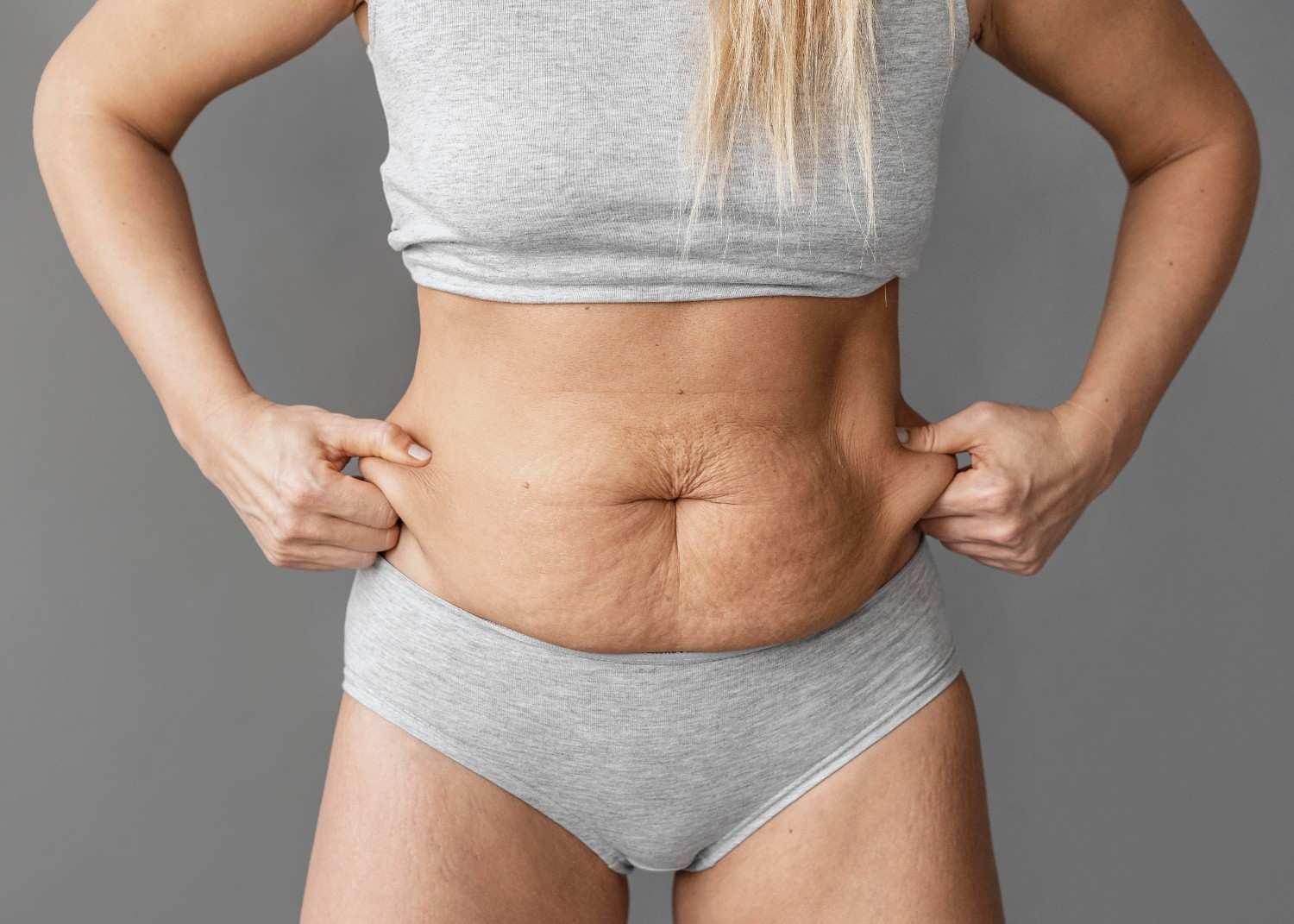
Surgical body contouring is the most effective way to get rid of significant folds of excess skin after massive weight loss, especially when non-surgical maintenance is no longer adequate. This cosmetic surgery provides permanent results, but it comes with scars, a price tag, and recovery time, so you need a definitive strategy that aligns with your health, aspirations, and lifestyle. The surgical approach is permanent, as the removed skin never returns, although your figure can still evolve with age or weight fluctuations.
| Procedure | Main target area(s) | Key goal |
| Tummy tuck (abdominoplasty) | Abdomen | Remove loose skin, tighten muscles |
| Panniculectomy | Lower belly “apron” of skin | Relieve rashes, hygiene, and discomfort |
| Panniculectomy | Abdomen, hips, buttocks, outer thighs | Lift and tighten lower trunk |
| Breast lift (with/without implants) | Breasts | Lift, reshape, and support breast tissue |
| Arm lift (brachioplasty) | Upper arms | Remove hanging skin under the arms |
| Thigh lift | Inner/outer thighs | Reduce sagging and chafing |
| Liposuction | Local fat pockets (various areas) | Fine-tune contour, not tighten skin |
As many as 96% of bariatric surgery patients experience some degree of excess skin on areas such as the abdomen, thighs, and arms. Surgeons frequently create a multi-stage contouring plan to manage risks and downtime effectively. It’s essential to understand that while surgical options can address skin sagging, they require careful planning and consideration of your overall health and weight loss goals.
You should collaborate with a board-certified cosmetic surgeon who has extensive experience with post-bariatric patients. This collaboration includes a full medical review, nutrition check, and discussions about whether to perform one combined operation or separate stages. Clear information on scar placement, realistic improvements, and expected downtime is crucial for planning your work, family, and travel around the procedure.
Body Contouring
Surgical solutions: Body contouring after weight loss is not just one area that we ‘fix.’ It’s a handful of skin surgery procedures that reshape and tighten multiple areas where skin dangles. Popular options include a tummy tuck, lower body lift, breast lift, and occasionally liposuction to contour pesky fat deposits that endure after you achieve a healthy weight range. These cosmetic surgery options are typically considered once your weight has plateaued for a few months, your labs and nutrition are healthy, and your team agrees you are a minimum of a year post-bariatric surgery or significant weight loss.
A tummy tuck targets the front of your abdomen, focusing on excess skin removal and, when necessary, tightening separated abdominal muscles that can cause a bulge or back strain. A lower body lift extends further around and lifts the belly, hips, buttocks, and outer thighs with a long belt-like incision, which is great if you have a “360-degree” ring of loose skin. A breast lift raises and reshapes breasts that appear “deflated” after weight loss, and your cosmetic surgeon may recommend an implant or fat grafting if you desire additional upper fullness, rather than just a lift.
These procedures seek to soothe chafing folds, sweat-trapping skin, and ill-fitting clothes, enhancing your silhouette in form-fitting attire, bathing suits, or on the move (think running or yoga). To get a sense of what’s realistic for your body type, age, and skin quality, study your surgeon’s before-and-afters for patients with similar starting points, not just the most dramatic transformations. That photo review and your in-person exam help you visualize probable scar patterns, how much lift you might expect, and whether it’s best to stage your contouring over two or three surgeries for safer anesthesia times and easier recovery at home.
Panniculectomy
Panniculectomy is a significant procedure that removes the heavy “apron” of skin and fat, often referred to as excess skin, that hangs from the lower belly over the pubic area or upper thighs. This pannus can lead to daily issues such as chronic rashes, fungal infections, and difficulties with hygiene. Many individuals opt for this skin surgery when the apron becomes the most disruptive problem following substantial weight loss.
Unlike cosmetic surgery aimed at enhancing appearance, a panniculectomy focuses on practical removal of excess tissue, improving comfort and hygiene. The procedure doesn’t tighten the abdominal muscles or create a flatter waistline; instead, it excises the overhanging skin and sutures it in a straighter line to reduce moisture and friction. Although the scar is permanent, many patients find it a worthwhile exchange once complications like infections and skin breakdown are alleviated.
Common requirements for this medical procedure include assistance from your surgeon’s office in gathering essential documentation such as photos, clinic notes, and weight records for insurance review. Approval for coverage can vary greatly depending on the insurance plan and region.
- Documentation of chronic rashes, infections, or skin breakdown under the pannus.
- Evidence of unsuccessful non-surgical treatment, such as creams, powders, and antibiotics.
- Stable weight for a specified period, usually a minimum of 6 to 12 months.
- Evidence that the pannus interferes with basic daily activities or hygiene.
If you’re considering this option, it’s crucial to discuss your weight loss goals and the potential for skin sagging after major weight loss with a qualified cosmetic surgeon. A thorough understanding of the recovery time and the expected outcomes will help you make an informed decision about your new body shape.
Arm And Thigh Lifts
An arm lift, or brachioplasty, addresses loose skin that hangs from the upper arms — aka “bat wings” — whereas a thigh lift targets sagging skin of the inner or outer thighs, which is prone to rubbing and chafing. Both procedures are common requirements following bariatric surgery, as substantial weight loss often leaves behind thin, stretched skin in regions of high mobility. These excess skin removal surgeries not only eliminate additional skin but also, when necessary, remove some fat to create a sleeker, tighter silhouette for the limbs.
For arms, the incision typically runs along the inner aspect of the upper arm, making it less noticeable when your arms are down. In the case of thighs, the incision can be placed in the crease of the groin, down the inner thigh, or in a configuration tailored to your primary trouble areas by a skilled cosmetic surgeon. Scars are inevitable; however, surgeons strategically place them to conceal as much as possible under regular clothing or when your arms are at rest.
Scars can’t be avoided, but surgeons put them in places that conceal as much as possible in regular clothes or when your arms are in a resting position. With time, good scar care and stable weight, the majority of scars fade from bright red to barely darker than a faint line, but they never completely disappear and can be more apparent on darker or fair skin.
Your Surgical Timeline
You flow through excess skin removal surgery in defined phases, from weight stasis and medical clearances to organizing your time off, the cosmetic surgery procedure, and a lengthy yet gradual recovery time. A general timeline ranges from approximately 12 to 18 months post-bariatric surgery to completely heal and can be up to a year after body contouring.
Weight Stability
Most surgeons prefer that your weight remains steady for 6 to 12 months, with many requesting a consistent 6 months at a stable weight prior to excess skin removal procedures. For most individuals, this means waiting until the primary weight loss phase is complete, typically around 12 to 18 months post-bariatric surgery. During this period, your body stabilizes, and your skin reveals its condition. Stability encompasses more than just a number on a scale; it includes maintaining a healthy nutrition plan without major deficiencies, ensuring lab results are within a secure range, and adopting eating patterns that prevent significant fluctuations.
If your weight continues to drop, your skin will keep changing, potentially jeopardizing the outcome of any cosmetic surgery. It’s advisable to track your weight trends in a log or a phone app, which you should bring to your surgical appointment. Surgeons usually establish a target weight range and expect you to remain within a few kilos for several months before scheduling the procedure. Any additional weight loss or gain post-op can impact scars and lead to new folds of saggy skin, affecting your overall body shape.
Maintaining a steady weight is crucial to achieving the best results from skin surgery. By adhering to a weight loss goal and ensuring your body has stabilized, you can minimize the risk of complications and enhance your recovery time after the procedure. This careful planning ultimately contributes to a successful transformation into your new body shape.
Medical Clearance
To reduce risk and aid recovery time, you need a comprehensive health screening, which typically involves blood work and addressing any vitamin or mineral deficiencies. This is especially important for bariatric surgery patients, as chronic conditions such as diabetes or cardiovascular disease must be carefully considered. Many teams also require you to quit smoking or any nicotine at least six weeks prior to skin surgery.
Your surgical timeline involves obtaining clearance in writing from your bariatric team or primary physician before scheduling a date. During this time, you’ll make necessary changes to medications that could increase bleeding risk and ensure your nutrition and protein levels are robust enough to support optimal recovery after the procedure.
Surgeon Collaboration
You and your plastic surgeon are partners. You discuss your objectives, what irritates you most daily, and what you can tolerate in terms of scarring, expense, and downtime. A few of us do one bigger surgery. Others require staged surgeries, such as tummy and flanks first, then thighs or arms later, to keep surgery times and recovery safer.
Ideally, it draws in your bariatric surgeon, dietitian, and sometimes a mental health professional if body image shifts become a concern. You should walk away with a clear roadmap: which areas will be treated, whether drains are likely, how many weeks off work you need, and how often you will come back for checks in the first year.
Checklist For Your Surgical Timeline
- Weight is stable for 6 to 12 months, goal range reached, and there are no wild swings.
- Nutrition: labs checked, no major deficits, steady healthy eating
- Habits: nicotine-free for at least 6 weeks, alcohol and sleep under control
- Medical clearance: labs, medications reviewed, chronic issues managed
- Planning: Time off work, home help, travel, and costs mapped out
- Procedures: One versus staged operations agreed, risks and scars reviewed.
- Recovery: follow-up visits booked, activity limits and return-to-work plan set.
Conclusion
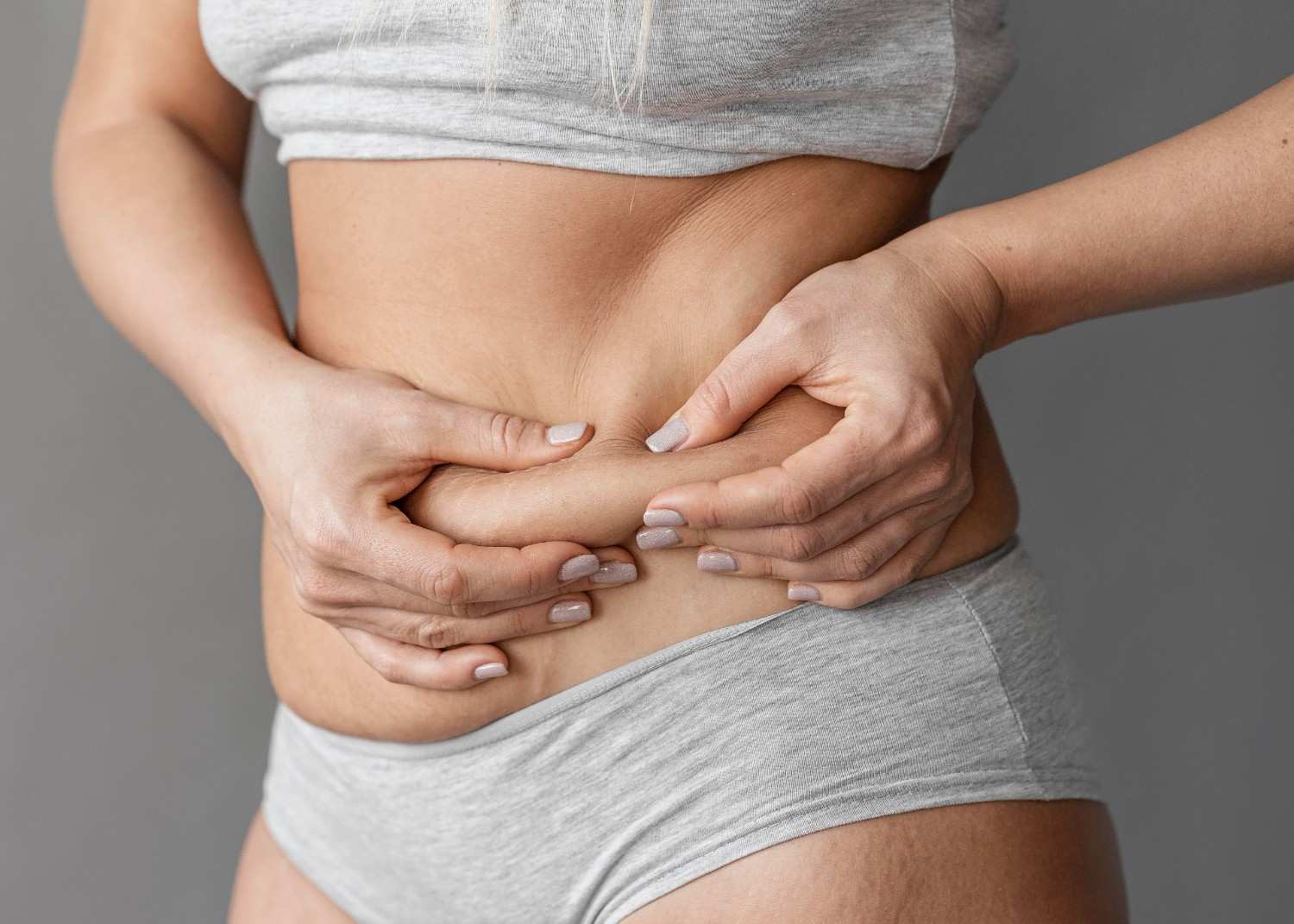
Loose skin after weight loss surgery stings some days. You do the work, you shed the weight, then your body has a different tale to tell in the mirror. That gap stings.
You do have options. You can gain muscle, nourish your skin, explore non-surgical treatment, or schedule surgery with clear information and realistic expectations. You make the schedule. You decide what works for your health, your budget, and your lifestyle.
Your story doesn’t end with the scale. It continues with every subsequent step you take.
Visit your care team, take notes on your goals, and ask those hard questions you’ve been holding back.
Frequently Asked Questions
Will you definitely have loose skin after weight loss surgery?
Loose skin is primarily influenced by factors such as age, genetics, and the rate of weight loss. While some may only experience mild skin sagging, others might need excess skin removal procedures to achieve their desired body shape.
How long does it take for loose skin to tighten after surgery?
Your skin typically adapts over 12 to 24 months following substantial weight loss, often referred to as gradual weight loss. You might notice the most change during the initial 6 to 12 months, as skin elasticity improves, and after 18 to 24 months, what you’ve got is often close to your final body shape.
Can exercise tighten loose skin after weight loss surgery?
After substantial weight loss, excess skin removal procedures can enhance your new body shape. Strength training not only builds muscle mass but also supports your posture, making sagging skin less noticeable.
Are there vitamins or creams that truly help loose skin?
No cream can effectively address significant amounts of excess skin removal after major weight loss. Proper nutrition, including adequate protein and vitamins A, C, E, and zinc, is essential for maintaining healthy skin and enhancing skin elasticity.
When should you consider surgery for loose skin?
Most cosmetic surgeons suggest waiting until your weight has been stable for 6 to 12 months, generally 12 to 18 months post-bariatric surgery. At that point, your skin has largely adjusted, and you can confidently schedule excess skin removal procedures.
Is surgery for loose skin medically necessary or cosmetic?
For some individuals, loose skin can lead to complications like rashes, infections, and discomfort, making excess skin removal not just cosmetic but medically necessary, potentially qualifying for insurance coverage under skin surgery procedures.
What non-surgical treatments are worth trying first?
Begin with a weight loss plan that includes weight training, proper diet, and consistent hydration. Others find that radiofrequency, ultrasound, or laser skin tightening are effective procedures for addressing mild to moderate skin sagging.

 Lila1385 says:
 Geoff4019 says:
 Duane4973 says:
 Josie2863 says:
 Aileen3224 says:
 Emilie2592 says:
 Jayden1398 says:
 Joanna4523 says:
 Levi3924 says:
 Justin4675 says:
 Zoey574 says:
 Alfred34 says: