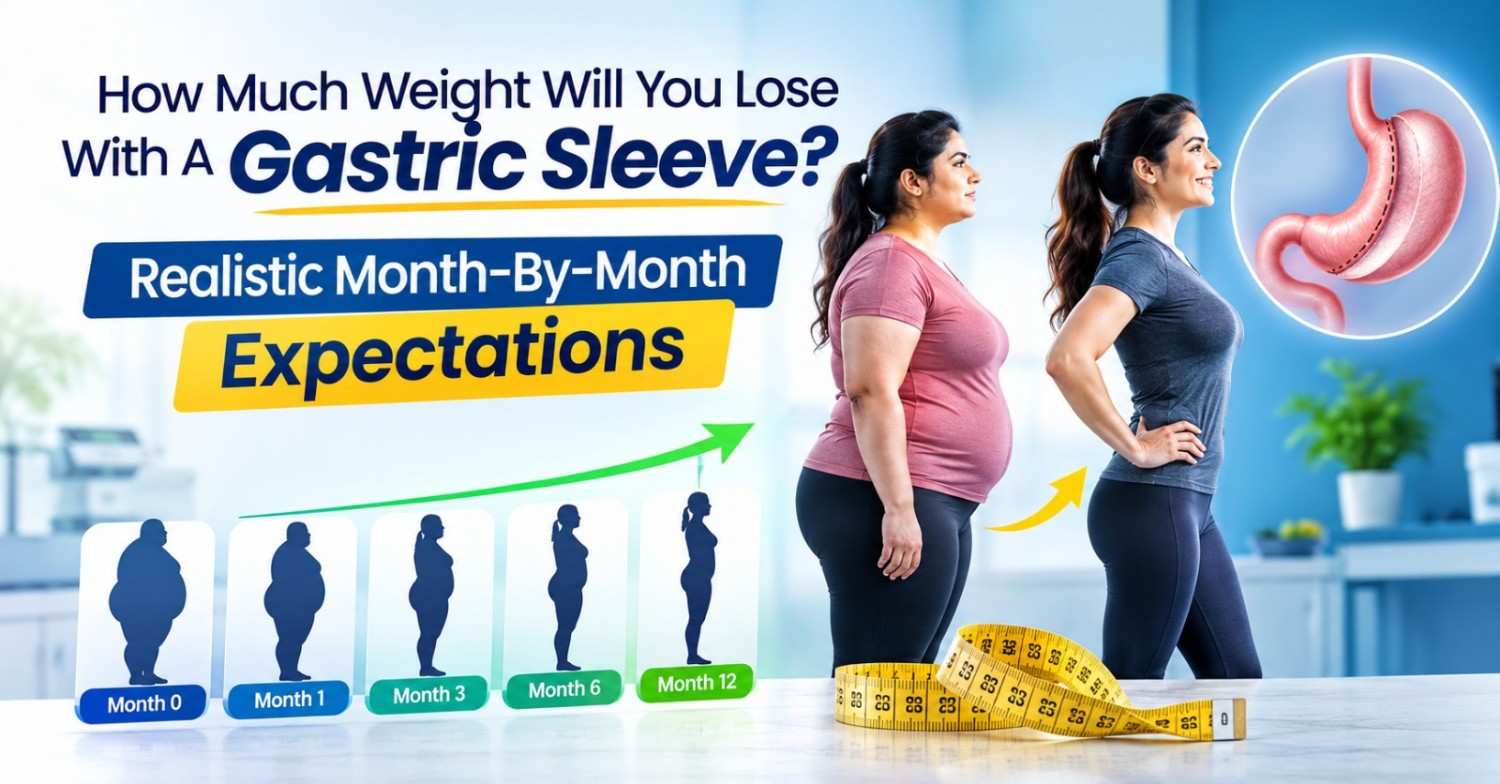
How much weight you will lose with a gastric sleeve ranges for most people around 50 to 70 percent of your excess weight within the first 12 to 18 months.
Your specific outcome will vary based on your initial weight, age, health, lifestyle, and compliance with your care team’s guidance.
To translate those figures into your own life, you can deconstruct them piece by piece in the following sections.
Key Takeaways
- You can typically expect to lose about 50 to 70 percent of your excess body weight within 12 to 18 months after gastric sleeve surgery, with the most rapid loss happening in the first 3 to 6 months. Your specific results vary based on your initial weight, BMI, and adherence to your post-surgery plan.
- Your weight loss will likely be in stages, from a liquid diet and rapid initial loss to slower, steady progress and your weight stabilizing 12 to 24 months after the surgery. You can measure each stage with consistent weigh-ins and observing differences in your energy, agility, and wellness.
- Your habits day to day play a strong role in your outcome. This includes how you adhere to the gastric sleeve diet, whether you exercise regularly, and how you follow up with medical and nutrition appointments. You can support long-term success by planning balanced meals, limiting high-calorie foods, and building a regular exercise routine.
- How fast and how much weight you lose is impacted by where you started — your weight, BMI, and any comorbid conditions. You’ll do well to track baseline measurements and check back with your healthcare team as you progress, improving clarity and motivation.
- Your support system and mindset are crucial to staying on track, particularly during plateaus or setbacks. You can fortify both by participating in support groups, collaborating with experts such as dietitians, and establishing achievable, incremental objectives.
- You’ll experience significant non-scale victories — better mobility, fewer medications, improved fitness and confidence — even when the scale plateaus. You can keep motivated by measuring these victories with the weight and fine-tuning your plan with your medical team when necessary.
Understanding Gastric Sleeve
Gastric sleeve surgery, also known as sleeve gastrectomy, is a powerful weight loss tool where your bariatric surgeon excises approximately 75 to 80 percent of your stomach and fashions the remainder into a slender tube or ‘sleeve.’ This bariatric procedure reshapes your stomach, allowing you to consume significantly smaller meals and feel full much earlier. The portion of your stomach producing most of the hunger hormone ghrelin is removed, leading to a decreased appetite overall.
The primary objective of this weight loss surgery is to assist you in shedding a substantial amount of weight in a gradual, managed manner, especially when conventional methods like diet, exercise, and medication have proven ineffective. It is typically recommended if your BMI is 35 or greater or if you are at least roughly 36 kg above your ideal weight and have serious health issues such as type 2 diabetes, hypertension, or sleep apnea.
For many patients, the expected weight loss following gastric sleeve can result in significant health improvements, including better blood sugar control and reduced blood pressure. These health benefits also contribute to the overall health of patients, making the procedure an appealing option for those struggling with obesity.
The gastric sleeve procedure is performed laparoscopically through small incisions in your abdomen, leading to reduced pain, shorter hospitalization, and a faster recovery compared to open surgery. Most patients return to work or school within 2 to 4 weeks and can begin their exercise plans around week 4.
In the last decade, advancements in surgical instruments and the expertise of bariatric surgeons have made sleeve gastrectomy a reliable and typically safe option, with long-term success rates indicating sustained weight loss in approximately 80 to 90% of patients.
For instance, you might lose roughly 5 to 10 percent of your excess weight within the initial weeks, approximately 35 to 45 percent at 3 months, and approximately 60 percent of your extra weight over 2 to 3 years. You follow a strict food plan: first full liquids for 2 to 3 weeks, then soft foods for 4 to 6 weeks prior to advancing to regular textures.
Despite the benefits, there are still complications to consider, including bleeding, blood clots, nutrient deficiencies, and potential weight gain. Only 10 to 20 percent of patients regain a significant amount of weight over time, often related to lifestyle habits and the importance of a follow-up treatment plan.
How Much Weight Will I Lose?
On average, expect to lose approximately 25 to 35 percent of your total body weight or approximately 50 to 70 percent of your excess body weight within 12 to 18 months after a gastric sleeve. The majority drop approximately 63 percent of excess weight by the end of year one and may approach 70 percent by year two, though some lose less and some lose more.
| Starting BMI | Approx. total loss (kg) | % body weight lost | % excess weight lost |
| 35 | 20–25 | 20–25% | 50–60% |
| 40 | 30–40 | 25–30% | 55–65% |
| 45 | 35–50 | 25–35% | 60–70% |
| 50+ | 40–60+ | 25–35% | 60–70%+ |
Your specific figure will vary depending on your starting point, age, health, adherence to the sleeve diet, and physical activity level. Weekly or monthly loss is difficult to estimate. Your bariatric team can provide you with a realistic range for overall loss.
The majority experience significant reductions in their weight and obvious health improvements, including improved blood glucose, blood pressure, and mobility. Long-term studies demonstrate that many maintain most of this off at five years. Mild regain is common, and around 10 to 20 percent have more significant regain one to two years out.
1. The First Month
In the initial 4 weeks, weight tends to drop quickly. Most people drop about 10 to 15 percent of their overweight in this brief period. A liquid or puréed diet, tiny portions, and very low calories fuel this early decline, as does water and some glycogen loss.
You use this month to get reacquainted with your smaller stomach, sipping fluids all day and prioritizing protein. You could be fatigued, extra chilly, or dizzy, and it might feel odd to have a few spoonfuls constitute a meal.
Hunger comes on a pendulum that swings from “not hungry at all” to momentary sharp pangs as the hormones settle. You monitor your weight and symptoms at a minimum once a week. Track your drinks, your protein intake, any nausea, vomiting, and pain.
This helps you identify problems early and provides your team with objective evidence if something seems amiss.
2. Months 3–6
By months 3 to 6, most of your “extra” weight loss takes place. Half of the excess weight many people have lost by the six-month mark. You transition from very soft foods to more normal textures, still in significantly smaller portions than pre-surgery.
Weight loss slows on a per-week basis relative to the first month, but you can still expect to see approximately 0.5 to 1 kg per week on average. Other weeks the scale barely budges, then drops again. This is typical and is associated with changes in water, hormones, and exercise.
You focus hard on the basics: lean protein, vegetables, limited starch, and low-sugar drinks. High-calorie liquids, grazing, and sweets can sneak in here and blunt your progress.
A lot of people jump right into a regular exercise routine, such as brisk walking, light strength work, or swimming, which can keep your muscles protected while the fat melts off.
3. Months 6–12
In months 6 to 12, loss is slower but still adds up, often moving you into that 50 to 70 percent excess weight loss range. You’ll experience those smaller clothes changes even when the scale moves less because your body composition continues to change.
This is the moment to construct an eating lifestyle you can live with. You maintain your meal schedule, prepare for days away or hectic work schedules, and discover how indulgences can sneak back in without reverting to previous habits.
A consistent workout routine that includes a balance of cardio and resistance aids additional fat loss and safeguards your joints. You may experience plateaus or small regain, which can feel disheartening.
When that occurs, you return to tracking, check portions, cut liquid calories, and revisit your plan with your team or dietitian. While there’s no guarantee, lots of folks experience giant health wins along the way, like less medication, better sleep, and reduced joint pain.
4. Beyond One Year
Between 12 and 24 months, most people hit their bottom weight and then plateau. Weight loss shifts to weight maintenance, with a strong focus on habits you repeat without much thought: regular meals, daily movement, and mindful eating.
Others regain a little back as is typical, and 10 to 20 percent may experience more obvious regain if old eating habits creep back or life interferes with self-care. Routine blood work, vitamin checks, and follow-ups catch late issues such as anemia or low vitamin D or B12.
What are the new goals you can set that go beyond the scale, such as running a 5K, lifting heavier, or trying to address associated conditions like sleep apnea or fatty liver with your doctor’s assistance?

Key Factors Influencing Your Results
Your gastric sleeve weight loss is the product of a few moving parts that all work together, not just the surgery.
- Starting weight and BMI
- Type of surgery and technique
- Post‑operative diet and how well you follow it
- Physical activity and daily movement
- Genetics, body composition, sex, and age
- Existing health issues and medications
- Hydration and sleep quality
- Quality of follow‑up care and support
Nothing has a bigger influence on your results than sticking within proximity of your gastric sleeve diet, workout, and lifestyle rules. Genetics, muscle mass, hormone balance, and age play a role, but it’s your daily decisions that really drive the results.
Continuous feedback from your bariatric team—surgeon, dietitian, nurse, and if necessary, psychologist—guides you to increase intake from around 800 kcal per day initially up towards 1,000 or more kcal per day, maintain high protein, and catch problems early.
The majority of individuals shed approximately 25 to 35 percent of overall body weight or 50 to 70 percent of surplus weight with a gastric sleeve, but speed and distribution vary between individuals, making comparison with peers seldom beneficial.
Your Starting Point
Heavier initial weight tends to make you shed more kilos, particularly in the initial month, owing to the fact that you have more fat to begin with, even if the percentage lost matches someone with less weight than you.
| Baseline measure | What it means | Why it matters for estimates |
| Weight (kg) | Your total body mass | Higher weight often leads to higher absolute loss |
| Height (cm) | Used to calculate BMI | Puts weight in context for health risk |
| BMI (kg/m²) | Weight adjusted for height | Helps estimate typical % excess weight loss |
| Waist circumference (cm) | Central fat around organs | Tracks fat loss linked to diabetes and heart risk |
If you live with insulin resistance, type 2 diabetes, or fatty liver, you’ll likely lose weight more slowly to begin with, then experience a more pronounced drop once your metabolism begins to respond to reduced intake and improved food choices.
If you want to witness actual change over time, write down or log your starting weight, BMI, waist, hip, and even progress photos. These provide you with concrete data points, not guesses, when you review results with your crew.
Your Commitment
- Adhere to your stepped diet: liquids, purees, soft, solid.
- Hit your protein target each day.
- Drink at least 2 liters of water daily.
- Take vitamins and minerals as prescribed.
- Avoid smoking and limit alcohol.
- Attend all follow‑up appointments.
- Track your weight and waist.
- Seek help early if problems show up.
Daily movement accelerates fat loss and preserves muscle. Most begin with a few short walks a day, then ramp toward 150 to 300 minutes of moderate activity weekly, tacking on light strength work two to three days a week to guard metabolism.
Track your food, fluids, steps, and body data on a sleeve-specific weight loss chart, app, or even a simple spreadsheet. Keep up active work with your bariatric clinic, dietitian, and, if required, mental health support so supplements, lab tests, and dose adjustments remain on point.
Your Support System
- Bariatric surgeon and clinic
- Registered dietitian or nutritionist
- Primary care doctor
- Psychologist or counselor
- Family, friends, or partner
- In‑person and online support groups
- Accountability buddy or coach
Group support, local or online, provides you real-life examples of how others deal with plateaus, parties, or post-op travel, which can minimize trial and error.
A dietitian can construct a meal plan that honors your culture, your budget, and your tastes while still keeping protein high and leading you from 800 kcal upward with plenty of vegetables, fruits, whole grains, and healthy fats.
One or two accountability partners who understand what you’re doing can check in by text or call, push you to keep promises to yourself, and help you reset when you falter.
Your Mindset
Your mindset shapes how you handle the first weeks on liquids, the slow days on the scale, and the long‑term work of weight maintenance. You need clear, realistic expectations.
Your path will not match someone else’s because genetics, body composition, sex, age, and health history change both pace and final goal weight.
Design easy tools for emotional eating and stress. A 5-minute walk, a call to a trusted friend, a written “pause list,” or a 10-minute waiting rule if you’re not hungry can help. They eliminate the connection between your mood and the food.
Set specific, near-term goals—walk 30 minutes per day, hit 70 g protein, reduce waist 2 cm this month—and note non-scale wins like better sleep, less joint pain, or climbing stairs with less effort.
Approach your sleeve as a lifelong health instrument, not a quick diet. Consider the surgery as the jumpstart that facilitates change, not as the entire answer.
The Non-Scale Victories
Surgical weight loss isn’t just about kilograms lost. It is the non-scale wins that often define how you feel about your new life and keep you on track long term.
You’ll see more energy initially, even before significant weight shifts. Because it takes less effort to move your body when you’re lugging around fewer kilograms, even daily tasks feel lighter. Others report being able to walk longer distances, take the stairs without pausing, or sit on the floor and play with their kids or grandkids.
Given that approximately 80% of people with obesity have a physical limitation, even a modest reduction in weight can be liberating. More movement helps your heart, lungs, muscles, joints, and hormone balance because regular physical activity supports your musculoskeletal, cardiovascular, respiratory, and endocrine systems. Over time, you could see health markers improve, like blood pressure, cholesterol, and triglycerides, and less sleep apnea or asthma problems.
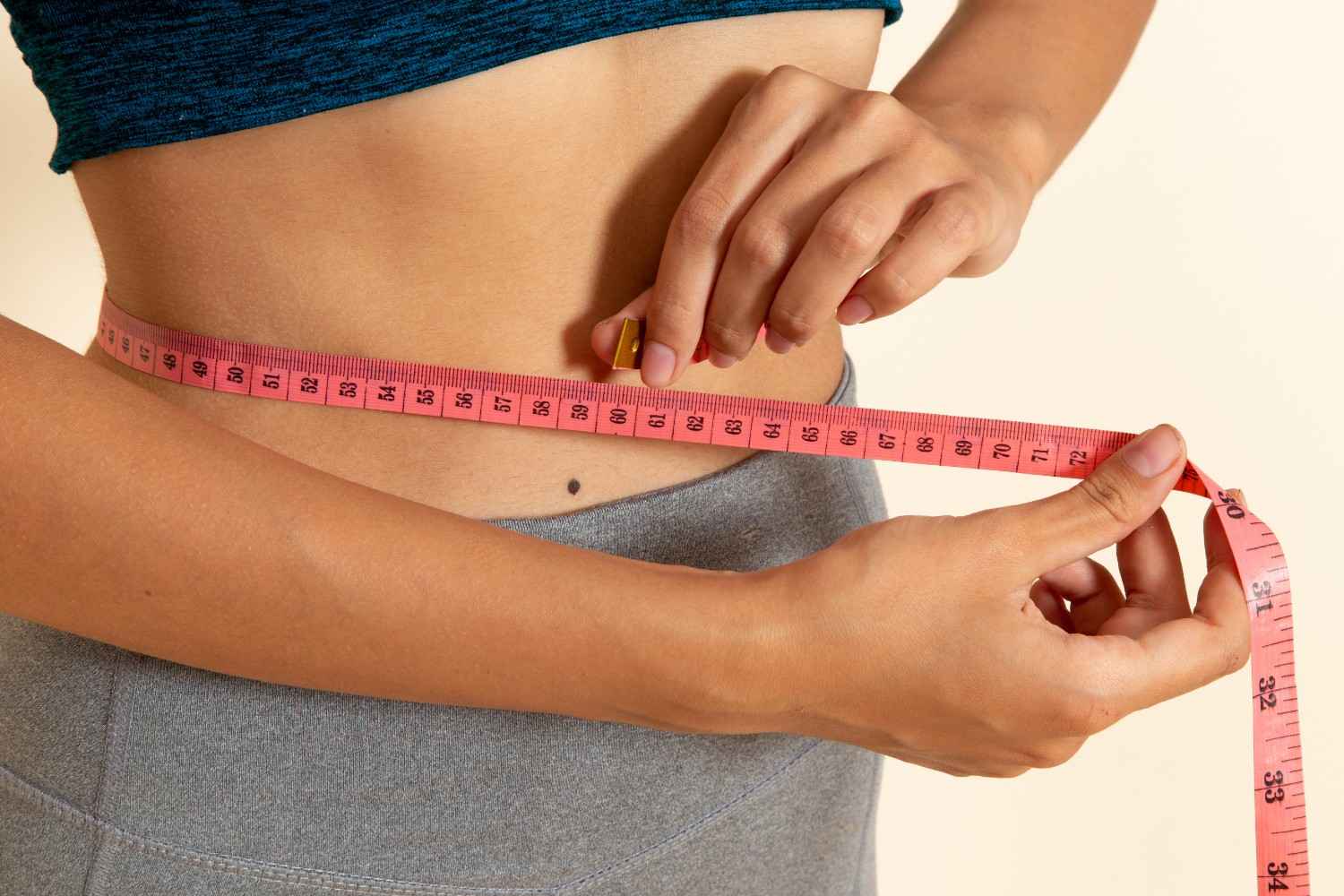
Clothes are a non-scale victory that tends to let you know the tale before the scale does. More good news: for every 8 to 9 kg (17 to 18 pounds) of weight you lose, you will often lose approximately 2.5 cm (1 inch) from your waist. Maybe you slip into your seats a little easier, or a normal seat belt, or that outfit you shoved to the back of the closet.
These improvements can change your perspective of your body. A number of readers say they feel way younger, less stressed around crowds, and more receptive to pictures or happenings. Others see increased positive attention, which certainly can enhance self-confidence, but your own pride is what counts.
You can monitor non-scale victories with an easy list or table. For example, you might record:
- Distance you can walk without stopping
- Flights of stairs you can climb
- Hours of quality sleep per night
- Clothing sizes or waist measurements in cm
- Things that you can “re-experience” include hiking a beloved trail, swimming in a public pool, or taking that fitness class you used to love but had to quit.
Reading these notes alongside medical results, such as improved blood work, can provide you with a more complete sense of your momentum than kilos alone.
Navigating Weight Loss Plateaus
Weight loss with a gastric sleeve doesn’t progress in a linear fashion. There will come a point where your weight plateaus even when you do “everything right.
A weight loss plateau post-surgery means your weight remains stable for three to six weeks and your clothes and body shape don’t shift much. This can occur at any time, but is very common one to two years post-surgery as your body establishes a new set point.
One major culprit is a decrease in resting metabolic rate. Your body burns fewer kilojoules at rest as you lose weight, so what you ate and did before may no longer cause loss.
When this occurs, become curious, not frustrated. Begin by logging your food, beverages, and physical activity for a couple of weeks. That consistent monitoring can reveal incremental changes that sneaked in, such as additional snacks, liquid calories, or portion creep.
Emphasize nutrient-dense whole foods, sufficient lean protein at every meal, and scale back added sugar, refined grains, and hyper-processed foods that contribute a lot of calories but not a lot of satiety.
Next, consider how you physically move. To protect your metabolism, you have to preserve muscle. Strength training 2-3 times per week and sufficient protein keep you clinging to that lean mass so your resting burn rate doesn’t drop as much as it otherwise would.
You can add small, clear steps: more walking during the day, short bursts of higher-intensity intervals if your team agrees, or a new activity that challenges different muscles.
Routine follow-ups with your surgeon, dietitian, or medical team matter in this department. They can determine if this plateau is a typical pause, an indicator of insufficient intake, a thyroid problem, or something related to your gastric sleeve that requires additional attention.
Life After The “Honeymoon” Phase
Life after the ‘honeymoon’ phase is less about rapid transformation and more about making simple choices each day that maintain your weight. Life post-’honeymoon’ phase is important, especially for those who have undergone gastric sleeve surgery. The sleeve is a powerful weight loss tool, but you do the heavy lifting!
The “honeymoon” phase lasts 18 months, occasionally 5 years, and sometimes shorter with gastric sleeve than bypass. Weight falls off faster, hunger is low, and your sleeve assists you in rejecting old habits. Once this phase wears off, your appetite can come back with a vengeance, and you might resist exercising or just moving in general.
This shift is normal and not, by itself, a signal that you will rebound and regain all your weight. For it to be long-term success, you treat year two and beyond as a new stage. You may need to check your eating pattern again. Portion sizes may slowly grow, there may be more snacking while watching screens, or there may be more liquid calories from sugary drinks or alcohol.
Small things make a difference, like returning to protein-first meals, planning regular balanced snacks, and keeping “trigger foods” just out of reach. Mindful eating during the early stages helps. Sit down, chew well, and pause between bites. This practice makes it easier later when hunger strikes with renewed force, especially for those tracking their expected weight loss.
Exercise goes from “extra credit” to non-negotiable. Shoot for consistent movement you can sustain, such as brisk walking, cycling, or swimming for 150 minutes or more per week, plus strength work 2 to 3 times a week to shield muscle and your resting metabolism.
Whether weight creeps up 2 to 3 kilograms or you feel more tired or hungry than usual, check in with your bariatric team. Weight regain is common and painful, but under very common circumstances there’s an obvious, repairable cause: less movement, more grazing, and sleep issues.

Conclusion
You now know what gastric sleeve can and can’t do. You saw the typical weight loss range, the key factors that contour your outcome, and victories that don’t register on the scale. You witnessed that stalls and the conclusion of the “honeymoon” phase are normal, not failure.
You still wear the pants in the family. Your habits, support, and follow-up care determine how far you will go and how long you will maintain your loss.
Your next step is to discuss with your trusted bariatric team, ask your tough questions, and see how these figures and anecdotes resonate with your own life and health.
Frequently Asked Questions
How much weight will I lose with gastric sleeve surgery?
Generally, patients undergoing gastric sleeve surgery see around a 70% drop in excess weight at about 2 years post-sleeve. Your specific outcome varies based on your initial weight, health, and adherence to your weight loss plan.
How long does it take to see weight loss after gastric sleeve?
Weight loss following gastric sleeve surgery tends to begin right away. You might notice the quickest drop in the initial three to six months, followed by gradual loss up to eighteen to twenty-four months, influenced by your long-term habits and weight loss plan.
Will I lose weight even if I do not exercise much?
Assuming you don’t exercise that much, you’ll probably experience substantial weight loss at first due to the gastric sleeve surgery, which creates a new stomach size. Regular movement and strength training assist you in losing excess weight, defending muscle, and maintaining a healthy weight.
Can I regain weight after gastric sleeve?
Weight regain after gastric sleeve surgery, particularly 2 to 5 years post-bariatric procedure, can occur due to constant snacking or stress eating. Consistent follow-up and support groups help minimize this danger.
What if I stop losing weight or hit a plateau?
Plateaus are expected during your weight loss journey, especially after gastric sleeve surgery. They usually indicate your body is acclimating, so reviewing your food portions and consulting your bariatric team can jumpstart progress safely.
Are there benefits beyond the number on the scale?
Yes. Billions of people experience improved blood sugar, blood pressure, sleep, joint pain, and energy after undergoing weight loss surgery. You could walk better, need less medication, and feel more self-assured even before you hit your weight loss goal.
When does the “honeymoon phase” of weight loss end?
The quick “honeymoon phase” of gastric sleeve surgery typically lasts 6 to 12 months, after which average weight loss decelerates. This is when developing serious habits with food, exercise, and sleep becomes essential for sustained weight loss.

 Adele1995 says:
 Brady2831 says:
 Julie2330 says:
 Elias567 says: