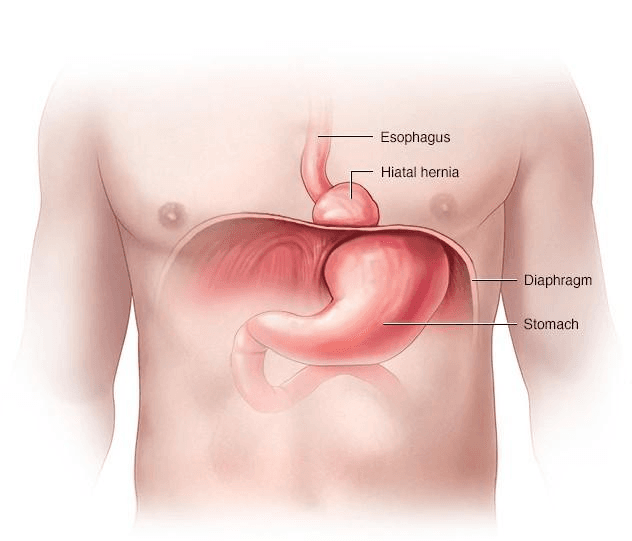
A hiatal hernia happens when part of the stomach pushes through a hole in the diaphragm, the large muscle that separates the chest from the abdomen. This space is known as the hiatus and is where the oesophagus—the conduit for transferring food to the stomach—passes before joining the organ. With a hiatal hernia, stomach bulges up through this opening and into the chest cavity whatsoever.
A small hiatal hernia is usually harmless and may go unnoticed until found during a medical exam for something else. But a big hiatal hernia can cause complications like the backflow of food and acid into the oesophagus that can cause heartburn. Often, these symptoms can be alleviated through lifestyle changes or medications. If the hernia is large a surgical fix may be required.
Symptoms
Most small hiatal hernias don’t cause any symptoms, but larger ones can cause a range of problems, including:
- Heartburn: a painful burning sensation in the chest.
- Regurgitation, the act of bringing back swallowed food or fluids into the mouth.
- When stomach acid flows back into the oesophagus, also called acid reflux.
- Difficulty when swallowing.
- Chest or abdominal discomfort or pain.
- Feeling full soon after eating.
- Spells of breathlessness.
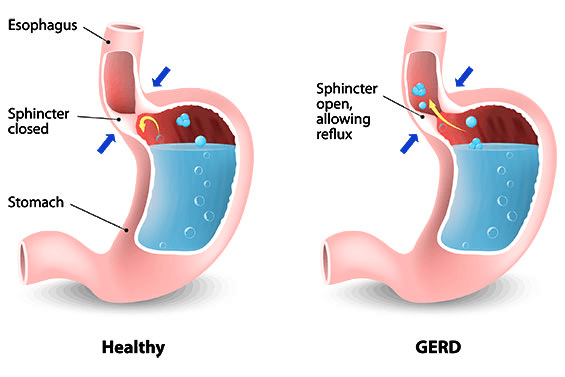
Hematemesis (vomiting blood) or haematochezia or melena (the passage of dark stools, which may indicate gastrointestinal bleeding).
When to Consult a doctor?
If you have persistent symptoms that concern you, it’s important to have an appointment with your health care provider.
causes-
A hiatal hernia, meanwhile, is when weakened muscle tissue lets the stomach bulge through the diaphragm. The specific causes of this condition are often unknown, but several different factors may lead to its development, including:
- Age-related anatomical alterations in the diaphragm.
- Trauma or surgery which involved nearby area.
- A congenital condition in which the hiatus is large.
You should use your muscles a lot through coughing, vomiting, straining during the bathroom visit, sports and weightlifting and the like.
Risk Factors
Hiatal hernias are most often found in people who are:
- Individuals 50 years of age and older.
- Those who are overweight.
Usually, a hiatal hernia is diagnosed during an examination to find the underlying reasons for heartburn or pain in the chest or upper abdomen. These evaluations could consist of:
– An upper GI X-ray. In this procedure, you’ll drink a contrast material that causes your oesophagus, stomach, and upper intestine to be more visible in the X-ray images so your healthcare professional can identify any abnormal conditions.
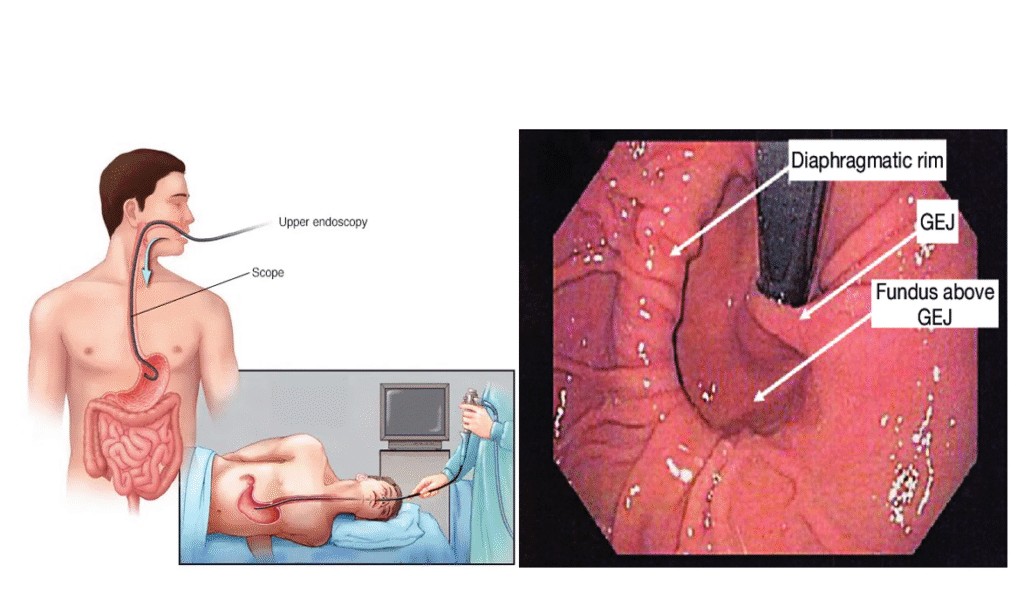
An endoscopy, which involves inserting a long, flexible tube with a tiny camera on its end into your throat to get a good look at the inside lining of your oesophagus and stomach to see if there are signs of inflammation or other concerns like any ulcer, any growth or hiatus hernia.
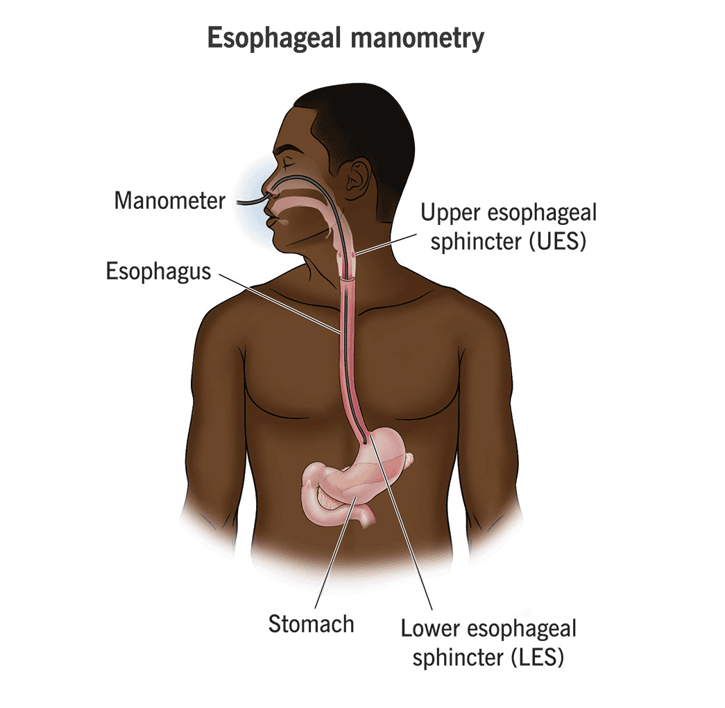
An oesophageal manometry test measures how well the muscle contractions are functioning in your oesophagus as you swallow. It gives us the rhythm of the movements and the strength of the muscles involved in swallowing and how well they coordinate with each other.
Treatment
Most people with a hiatal hernia have no symptoms and do not need treatment. But if you struggle with things like chronic heartburn or chronic acid reflux, you may need to seek professional help, which includes but isn’t limited to both medicine and even a condition surgical treatment in some rare situations.
Medications
If you struggle with heartburn and acid reflux, your healthcare provider may recommend: –
Antacids: They neutralize stomach acid and may provide fast relief. But over-use of certain antacids can cause side effects like diarrhoea or even kidney problems.
H-2-receptor antagonists: These drugs reduce stomach acid production. Popular over-the-counter ones are cimetidine, famotidine and nizatidine. Stronger formulations are prescription only.
Proton pump inhibitors (PPIs): These are meant to prevent acid secretion more completely and help the oesophagus heal. We’re talking about options such as lansoprazole and omeprazole, which are available without a prescription, while stronger formulations require a prescription.
Surgical Management-
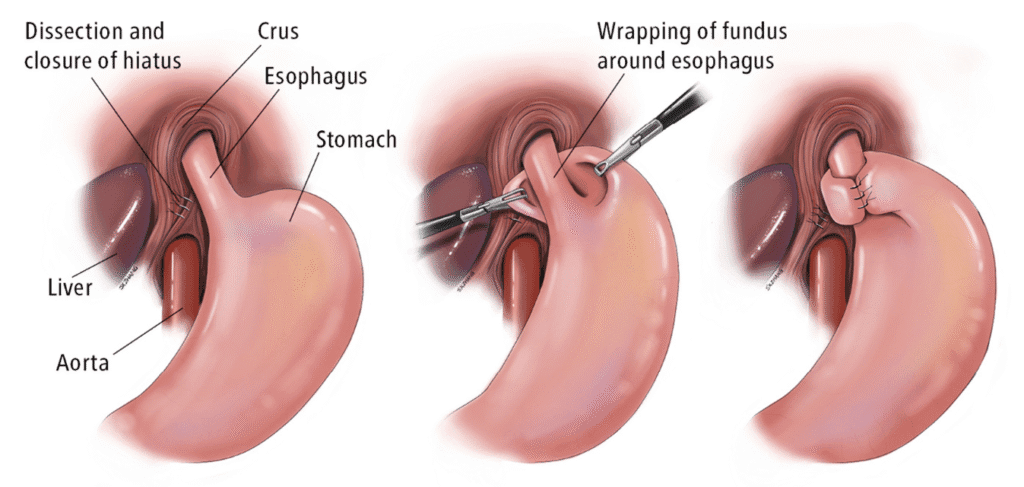
In some cases, heartburn and acid reflux may be so severe that medication does not help, and surgery for a hiatal hernia becomes an option. It is an alternative for patients who have underwent complications like massive inflammation, or a narrow oesophagus.
The surgical procedure normally consists of reducing the stomach return to the abdominal cavity and narrowing the opening in the diaphragm to improve holding the stomach in place. Moreover, the technique may involve tensioning of the distal oesophageal musculature to avoid retrograde passage of stomach contents. (The surgery is sometimes performed in concert with weight-loss procedures, like a sleeve gastrectomy.)
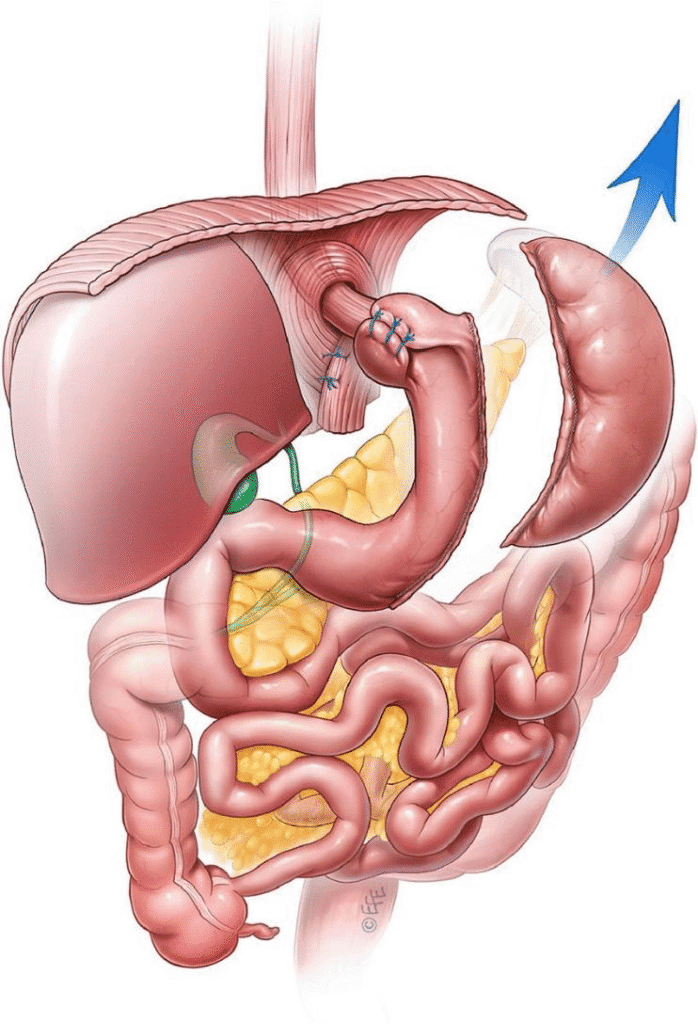
The surgical approach also varies, one such approach is thoracotomy in which there is a single incision in the chest wall. An alternative is a laparoscopic approach, in which the surgeon makes some small incisions in the abdomen to allow the use of a small camera and special instruments to complete the surgery by watching on a video monitor that shows detailed images from inside the body.
Lifestyle and home remedies
Making a few changes to your daily routine can help relieve symptoms related to a hiatal hernia. Here are some approaches to consider:
- Have several small meals a day, rather than just a few large ones.
- Avoid heartburn triggers like greasy or fried foods, tomato-based sauces, alcohol, chocolate, mint, garlic, onions, and caffeinated beverages.
- Do not lie down right after eating, and do not eat late at night.
- Try to keep your weight in the healthy range.
- If you smoke, quit.
- Sleep with the head of your bed elevated at least 8 inches (20 centimetres).

 kingbettinggiris says: