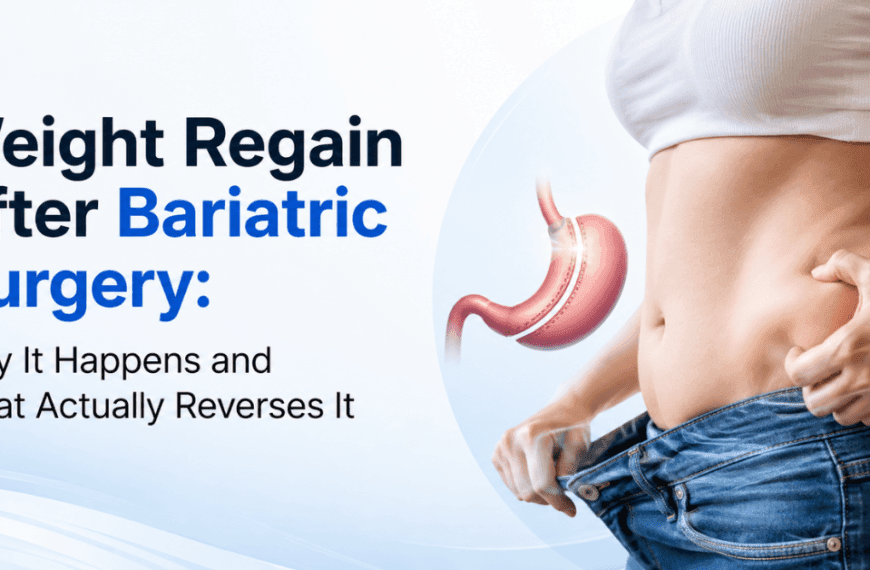
Roux-en-Y gastric bypass (RYGB) is a type of bariatric surgery, a weight loss surgery that involves creating a small pouch in the stomach. This surgery is usually done using laparoscopic techniques, which involves several small incisions in the abdomen.
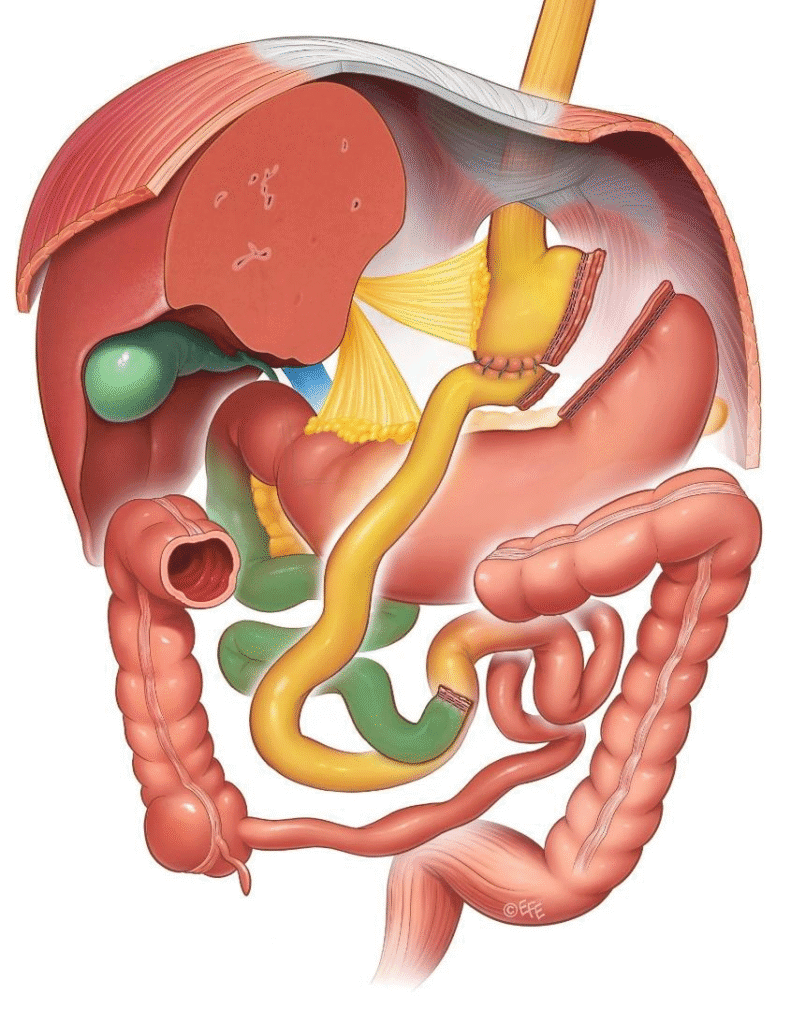
The surgeon uses staples to cut off a portion of the stomach to build a small pouch at the neb of the stomach, the size of an egg. This puts a huge limit on the amount of food that can be eaten. The pouch is then attached directly to section of the small intestine called the Roux limb which creates a “Y” shaped intestine. As a result, the food you eat evades most of the stomach and the upper part of the small intestine, leading to lower absorption of fats and calories from your diet, as well as a reduction in the absorption of vitamins and minerals.
Is gastric bypass weight loss surgery the right choice for me?
Gastric bypass surgery is designed for people who have serious obesity problems. It is usually advised for people who have tried other weight loss methods, such as diet and exercise, without success. If your body mass index (BMI) is greater than 40, or between 35 and 40 and you have at least one obesity related health concern — like sleep apnea, high blood pressure, heart disease or type II diabetes — your health care provider may recommend this type of surgery.
This can cause a weight loss of 100 pounds with gastric bypass. It can improve, even reverse type 2 diabetes and relieve problems such as heartburn and acid reflux. Also, this kind of surgery can lower the risk of high blood pressure or help someone who already has it. Conditions like sleep apnea and high cholesterol can also improve after the procedure.
How dangerous is gastric bypass surgery for weight loss?
As with most surgical procedures, there are inherent risks, including bleeding, infection and blood clots in the legs. General anaesthesia can lead to problems, too, such as breathing difficulties or unforeseen reactions. The same consideration is made with regards to the gastric pouch and the Roux limb due to the leaks that can occur with the stapler line post-surgery.
Long-term complications may include: –
- Low levels of vitamins if you are not taking daily supplements lifelong (and in some cases, even with supplements).
- Vitamin D, calcium and iron deficiencies
- Struggles of getting enough protein as per your daily requirement.
- Dumping syndrome, which can cause symptoms such as nausea, fast heart rate, abdominal cramps, fainting, and diarrhoea after you eat
- Narrowing or stricture of the areas where intestines connect (stenosis)
- An internal hernia, a serious condition in which the small intestine gets trapped and becomes blocked, can turn gangrenous.
- Port site hernias
- Incision sites not healing properly
- Potential need for additional surgical procedures
- Insufficient weight loss
- Putting on more weight if you eat high-calorie snacks and do not follow an exercise schedule
- Excess skin caused by rapid weight loss, surgical removal may be required
- Formation of gallstones, which might necessitate surgery to remove the gallbladder.
Potential additional risks may be related to your health status. It’s important to speak to your healthcare team about any concerns before moving forward with surgery.
What is the preparation for gastric bypass surgery?
Before laparoscopic Roux-en-Y gastric bypass surgery can be performed, there are several steps that must be taken to help determine whether this is the right solution for you. We also need to mention it would not be a choice for those with substance abuse problems or those who are not able to commit to various improvements in diet and exercise.
In fact, you’ll have to attend a bariatric surgery education program before you’re eligible for the procedure. This is going to set you up with information for the surgical experience and the time after you’ve had surgery. The nutritional counselling can be expected, and a psychological assessment can also be taken place. You will also be subjected to some physical examinations and tests, such as an electrocardiogram (ECG), a chest X-ray, and perhaps a sleep study. You may also need blood work and imaging tests of your stomach, as well as an upper GI endoscopy.
If you smoke, it is important to stop months ahead of the procedure. Your surgeon may ask you to lose some weight prior to the procedure, which can shrink your liver and make surgery safer. Don’t take any blood-thinning medications, such as aspirin, Plavix or ibuprofen, in the days leading to your surgery. And certainly, don’t eat or drink anything after midnight the night before your surgery.
What is the procedure of Gastric Bypass?
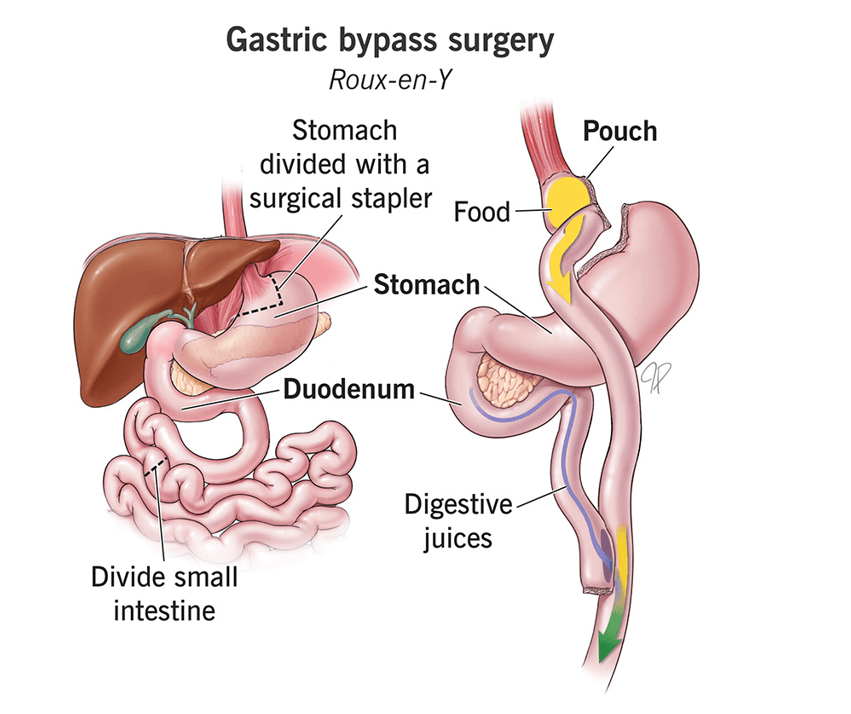
During Roux-en-Y gastric bypass surgery, the following steps are taken:
The process typically takes one to two hours.
– You will be placed under general anaesthesia so that you will be unconscious and feeling no pain during the duration of the operation.
– Surgeons frequently perform laparoscopic surgery, which requires several small cuts in the abdomen. They insert a laparoscope and specialized long surgical instruments through these incisions.
The upper part of the stomach is turned into a small pouch using a laparoscopic stapler
— Then, using stapler, the top part of the small intestine is divided into 2 parts.
— Part of the small intestine, called the Roux limb, is attached to the new pouch in the stomach and another part is reattached to the small intestine maintain9ing intestine continuity.
Finally, the surgeon can do a leak test with a dye study or an upper endoscopy to make sure everything is secure.
What to Anticipate After Roux-en-Y Gastric Bypass
You will stay in the hospital one to two days after the surgery. Talk to your bariatric surgeon about taking care of your wound, what pain management options you’ll have, and when you can get back to physical activities. They’ll let you know how often to change the dressing on your incision.
It’s important to notify your surgeon right away if you notice any of the following signs:
- A fever
- More pain or warmth at the wound site, or if it begins to drain
- A cough or trouble breathing
- Loss of appetite with vomiting and diarrhoea
- Blood in your stools
- Pain in your abdomen, chest, shoulders or legs
- Other relevant and worrying problems or features
During the first two weeks after surgery, you will only be eating liquids. Then you will progress to puree diet for next two weeks. After 4 weeks of surgery slowly, your surgeon will introduce soft foods, eventually back to ordinary foods about a month after the procedure. This means chewing your food to the max and not drinking anything for 30 minutes before or after every meal.
Weight loss can often happen quickly at first, so it’s important that you are getting the proper nutrition and vitamins in order to aid your recovery. Your body will probably not absorb many vitamins and minerals as well from food as it does now, so your doctor will probably prescribe some vitamin and mineral supplements.
Nutritional Supplements following Gastric Bypass Surgery-
Nutritional guidelines for patients who have gastric bypass surgery are often recommended by health professionals to prevent nutritional concerns, including:
Daily Multivitamins: Its crucial to take a multivitamin daily offering 200% of the RDV.
Calcium Supplements: Calcium intake for bone health may be inadequate in some multivitamin preparations, so you may need additional vitamin D (1,600 to 2,000 IU) and calcium (1,600 mg) daily. It’s best to take calcium supplements at least two hours after your multivitamin.
Vitamin B-12: For those who have had weight-loss surgery, vitamin B-12 supplementation is generally recommended to help lower the incidence of bone fractures. You would take it two times weekly orally or you could have B-12 shots intramuscularly once a month.
Oral vitamin D: If your levels aren’t up to the recommended value, your physician may prescribe 50,000 IU to take once a week for eight weeks. Certain people may need to take vitamin D supplements indefinitely.
Iron Supplement: The amount of iron present in multivitamins might be too low to prevent anaemia. You may require an additional 50 to 100 mg of elemental iron, with vitamin C to improve absorption, daily. Be sure to see your doctor for the right dosage.
Nutritional deficiencies can occur after surgery, so you’ll need to check your blood at least every six months for life to make sure you’re taking enough vitamins and minerals.
In the weight loss period, you may have symptoms such as body aches, dry skin, mood changes, temporary hair loss, tiredness and cold. Usually as your weight settles, these problems will disappear. Weight loss tends to plateau after a year or so. After this time, you may be able to gradually eat more over time if the pouch opens up. The first year is therefore critical for developing healthy eating and exercise habits that prevent weight regain.
On top of keeping up with appointments with your doctor and surgeon, you’ll probably work with a dietitian, who will help you understand what to eat and how to eat with your smaller stomach. Find one if the emotional part of your new lifestyle is at stake and do it together with a psychologist.