Yes, lots of mild cases retreat on their own within days to weeks, particularly with rest, more fibre, and improved toilet habits.
You can relieve pain and itch with warm baths, ice packs, and OTC creams. Tiny internal hemorrhoids can improve after softer stool and less strain.
Bigger or persistent cases might require rubber band ligation or minor surgery. You get quicker relief by seeking care early.
Below, you get specific directions and alternatives.
Key Takeaways
- Most hemorrhoids resolve in days to weeks based on grade, but grade 3 or thrombosed cases require intervention. Monitor symptoms like prolapse, pain, and bleeding to measure improvement.
- Reverse bad habits to quench flare-ups. Avoid straining and sitting on the toilet too long. Remain active, avoid heavy lifting, and cleanse gently with water after bowel movements.
- Treat the source to keep them at bay. Control constipation or diarrhea, check medication, think about circulation, and consider pregnancy or liver issues.
- With diligent home care, you can hasten recovery. Boost fibre and water intake, incorporate sitz baths, apply ice or witch hazel, and take over-the-counter creams as recommended.
- Seek medical help if pain persists, bleeding is heavy, or a hard, tender lump appears. Early evaluation can rule out other conditions and provide timely procedures when needed.
- During and after pregnancy, anticipate a greater risk and prolonged resolution. Pregnancy-safe relief, fibre and hydration, and check with your provider if symptoms persist.
The Lifespan Of A Hemorrhoid
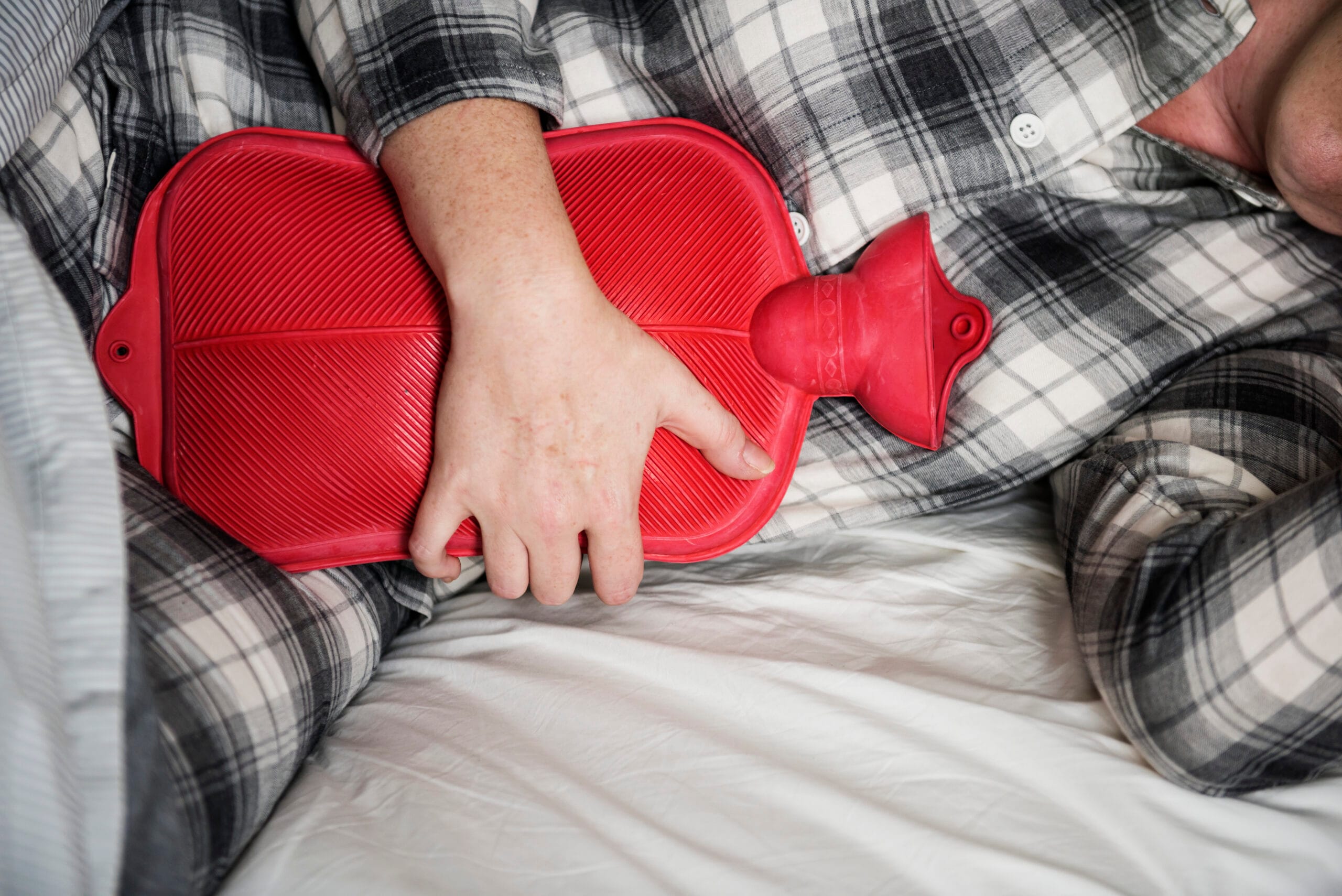
A hemorrhoid can subside in days or last for weeks. Little ones might disappear in a couple of days, and the majority get better in a few days to weeks with self-care. External hemorrhoids tend to resolve within a few days to a few weeks.
Thrombosed hemorrhoids may last two to three weeks with sharp pain and swelling. Pain will subside before the hemorrhoid tissue itself goes away. If symptoms persist beyond one to two weeks, get care.
1. Severity Grade
Hemorrhoids are classified based on their size, prolapse, and symptoms. The higher grades take longer to heal and are less likely to resolve without treatment.
Grade | Key attributes | Hemorrhoid lifespan I | Internal only, bleeds, no prolapse | Days to weeks II | Prolapse with strain, self-reduce | 1 to 3 weeks III | Prolapse, need manual reduction | Weeks, often requires procedure IV | Fixed prolapse, severe pain/irritation | Persistent; surgery probable
Be vigilant for prolapse, heavy bleeding, or severe pain. These indicate severe disease.
2. Lifestyle Habits
Avoid long sits on the toilet, straining, and pushing for ‘just-in-case’.
Walk every day, bike easily, or swim to keep things moving.
Water, unscented wipes or a bidet, pat dry, don’t rub.
Skip heavy lifts and core-bracing workouts during flares.
3. Underlying Cause
Frequent causes are chronic constipation, diarrhea, pregnancy, low-fibre diets, and prolonged sitting.
Fix the root: add fibre of 25 to 35 grams per day, drink 1.5 to 2 litres of water per day, move more, and regulate stool form.
Liver disease, pelvic tumours, and pelvic floor dysfunction can contribute.
Potential causes list includes constipation, diarrhea, pregnancy, obesity, low fibre, dehydration, long sitting, heavy lifting, liver disease, and ageing.
4. Individual Health
Age, genes, and your baseline health shift healing time.
Pregnancy and slow gut transit can prolong swelling.
Immune strength guides inflammation control and tissue repair.
IBS, IBD, or anal fissures may prolong symptoms.
5. Treatment Consistency
Trust me, stick with sitz baths, ice, and scheduled stool softeners.
Apply topical creams or suppositories.
Maintain fibre and water to keep you from straining.
Monitor pain, bleeding, and size on a daily basis.
If there is no improvement after 7 to 14 days, seek clinical evaluation.
Why Do Some Hemorrhoids Linger
Some hemorrhoids won’t go away just because you leave them alone. Repeated straining or inadequate circulation perpetuates the vicious cycle. Chronic cases can flare, calm, then linger even after the pain subsides.
Ongoing strain is a significant factor. You push during bowel movements, sit for long hours, or lift heavy loads. This irritation slows healing and promotes prolonged swelling.
Blood flow issues also contribute to the problem. Long sitting or lying down reduces the flow in the area. Bad circulation causes tissue engorgement and pain.
Lifestyle drivers play a crucial role as well. Low fibre, low water, and erratic toilet habits lead to hard stools and increased straining.
Additionally, underlying conditions can block full recovery. Pregnancy, obesity, chronic cough, or bowel disease can all contribute to persistent hemorrhoids.
Thrombosed hemorrhoids can persist for two to three weeks and be excruciatingly painful. If symptoms last beyond one to two weeks, see a provider because some require rubber band ligation.
Most external hemorrhoids resolve on their own. Small ones can disappear within a few days. Numerous cases cease within a few days to several weeks, even in the absence of treatment.
Pain and swelling can usually clear up in a few weeks, but the lump may persist or recur. For others, it’s ambiguous whether they actually fade away or simply become less defined.
You can hasten relief with warm baths every day, gentle cleaning, ice packs, fibre (25 to 30 grams per day), increased water intake (about 2 to 3 litres per day), and brief application of topical creams.
Avoid extended toilet sessions and heavy straining. Thrombosed hemorrhoids may hurt a lot and last 2 to 3 weeks, so if pain is severe, bleeding is heavy, or symptoms persist, see a clinician.
Do Internal Hemorrhoids Ever Go Away
A majority of internal hemorrhoids resolve with treatment. Smaller ones frequently resolve in a few days. With easy treatments, symptoms typically subside in a week. They’re seldom dangerous.
If you experience rectal bleeding or symptoms persist for more than 7 days, you need to seek medical attention. If they don’t get better with over-the-counter care, see a clinician.
Chronic Constipation
Shoot for 25 to 35 grams per day, coming from sources such as oats, beans, fruit, and vegetables. Consume a minimum of 2 litres of water each day, unless your medical professional recommends differently.
This keeps stools soft and reduces strain on rectal veins. In the short term, you can use stool softeners, such as docusate, or osmotic laxatives, like polyethene glycol.
Take them whenever you want, not as a habit, and stop if you get cramps or diarrhea. See if pain meds, such as opioids, iron pills, antacids with aluminum, or hypothyroid, slow your bowels.
Check with your clinician for safer alternatives. Build a routine: regular meals, toilet time after breakfast, and no phone on the toilet. Try for something like a soft sausage, which is Bristol type 3 to 4.
Poor Circulation
Try to stand up every hour if you have a desk-based job, and don’t sit on the toilet for extended periods. Keep your legs elevated when reclining to ease pelvic congestion and swelling that impedes healing.
Do light moves: brisk walks, calf raises, hip stretches, and gentle core work. These increase blood circulation without any exertion.
Wear loose, breathable clothes and avoid tight waistbands. This prevents pressure that can exacerbate symptoms.
Straining Habits
Then do not strain or hold your breath! Breathe out, relax and allow the stool to slide through. Use a footstool (10 to 20 centimetres) to recreate a squat and open up the anorectal angle.
Go when you feel like it. Waiting dehydrates stools and hardens them. Make a quick checklist: good posture, feet raised, no phone, no more than 5 minutes.
A lot of internal hemorrhoids go away in a few days. If left untreated, they can be uncomfortable and painful. Get care if bleeding develops or symptoms continue.
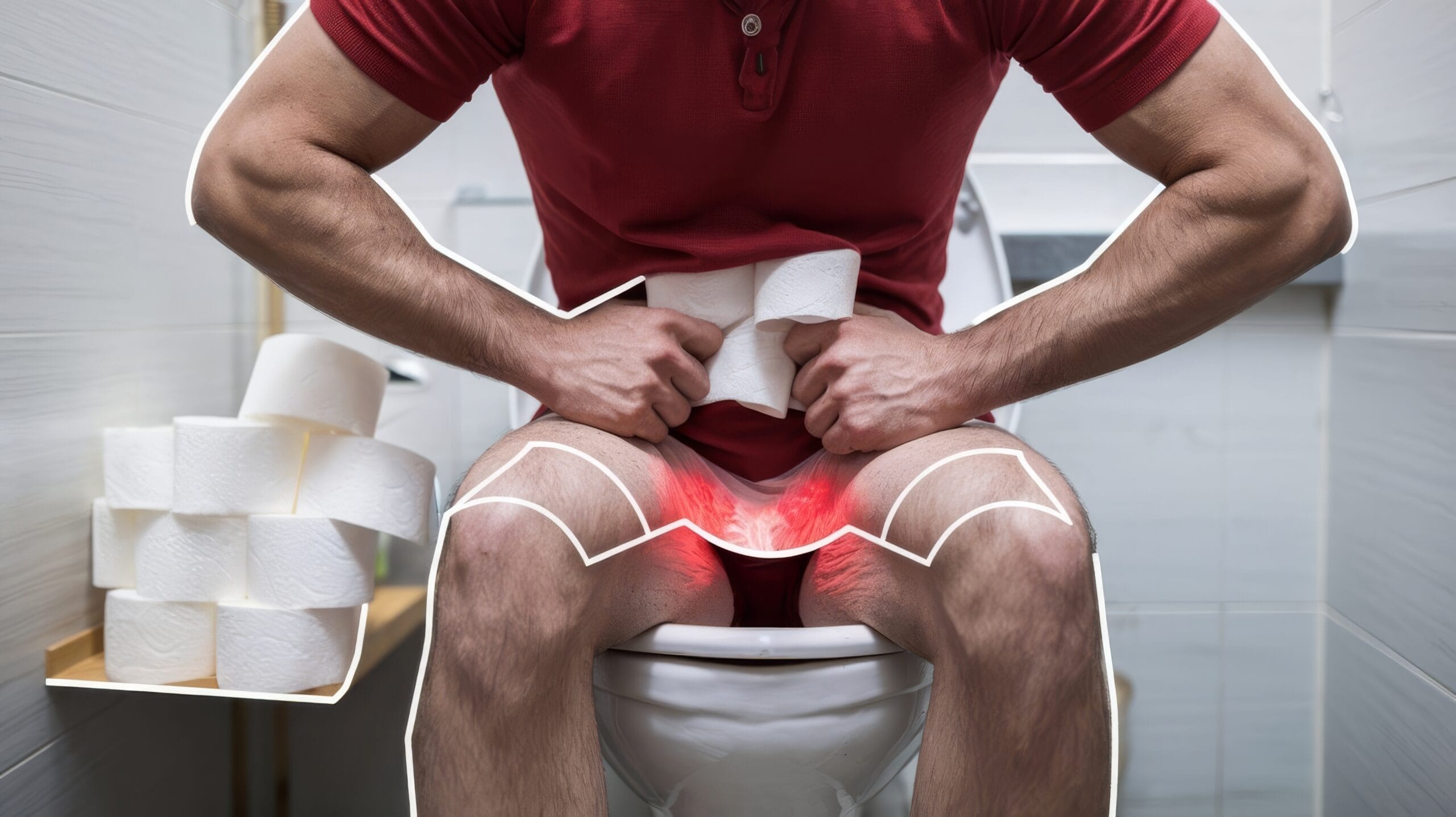
Accelerating Your Recovery At Home
Here are some easy ways to speed up your recovery at home. Think about pain management, soft poops, and soothing skin. Use ice packs for 10 minutes to reduce swelling, then rotate with witch hazel pads to soothe the itch.
Apply an over-the-counter hydrocortisone cream for 3 to 5 days, or lidocaine gel for short-term pain. Steer clear of long-term steroids. Build a daily plan: morning water, fibre at each meal, a walk, gentle cleansing after bowel movements, then a warm sitz bath.
Make it a goal to incorporate 150 minutes of moderate exercise per week to keep things moving.
Dietary Fiber
Add high-fibre foods at each meal: oats, bran, lentils, beans, berries, pears, broccoli, carrots, nuts, and whole-grain bread. This gentle stool softener reduces stress.
If food isn’t enough, try psyllium husk. It’s well studied and lowers the risk of subsequent flares. Record intake in a food diary.
The rule of thumb is approximately 14 grams of fibre per 1,000 kilocalories. Increase gradually over one to two weeks to minimize gas and bloating. Combine each fibre push with additional fluids.
Proper Hydration
Drinking 6-8 glasses of water daily is essential for preventing hemorrhoids, as it helps keep stools softer and easier to pass. In the heat or after exercise, increasing your fluid intake can further alleviate discomfort associated with hemorrhoid flare-ups. Additionally, avoiding alcohol and high-caffeine beverages is crucial, as both can lead to dehydration, exacerbating symptoms of problematic hemorrhoids.
Monitoring urine colour is important; pale straw generally indicates good hydration, which is vital for maintaining healthy veins in the anal area. Remember, fibre without adequate water can backfire and lead to increased pressure in the digestive tract, potentially resulting in external hemorrhoids or even thrombosed hemorrhoids.
To effectively manage mild cases of hemorrhoids, ensure you match fibre intake with sufficient hydration. This simple yet effective approach can help prevent acute flare-ups and promote overall digestive health, reducing the risk of serious conditions that require medical treatment.
Gentle Cleansing
Employ unscented, alcohol-free wipes or a peri bottle after every bowel movement. When you are sore, avoid dry TP.
Blot dry with a soft towel or tissue. Do not rub. Use no soaps, dyes, or fragrances on the area. Make this habit your default every time.
Warm Baths
Sit in 3 to 4 inches of warm water for 10 to 15 minutes, with knees bent so water covers the area. Get a clean basin or tub.
No bubble bath or scents, they sting. Do this post-bowels and before bed to relieve itch and spasm.
When Professional Help Is Necessary
You can treat mild hemorrhoids at home, but you should seek care if symptoms persist beyond 7 days, if over-the-counter remedies fail, or if you are unsure whether it is hemorrhoids. Rectal bleeding with bowel movements needs evaluation, and black or red stools require prompt attention. Early care can prevent chronic pain, anemia, or clot complications.
Adults over 50 should rule out other causes. Watch for the following and book a visit fast:
- Bleeding that is new, heavy, or ongoing
- Severe or worsening pain
- A hard, tender lump near the anus
- Fever, foul drainage, or swelling
- Dizziness, faintness, or fatigue
- Change in stool colour (black or bright red)
Persistent Pain
If pain doesn’t subside after a week of home care, or it spikes during or following a bowel movement, get seen. Pain that rouses you at night, restricts sitting or walking, or continues to deteriorate requires professional assistance.
Not all anal pain is hemorrhoids. Anal fissures, abscesses, fistulas, or skin tags can look and feel similar. Your provider can examine the area and confirm the cause.
Record pain severity from 0 to 10, triggers such as straining, prolonged sitting, and exercise, duration, and relief. Take notes when you visit. Inquire about topical anesthetics, oral pain medications, stool softeners, fibre regimens, sitz baths, and when procedures are warranted.
Heavy Bleeding
Consider new or heavy rectal bleeding as urgent. Pay attention to the frequency, amount of blood witnessed, and whether it coats stool, drips in the toilet bowl, or presents as clots.
Watch for tiredness, short breath or faintness. These can indicate anemia. Black stools can indicate upper GI bleeding, and bright red blood suggests lower. Even if you think it’s hemorrhoids, you still need to get checked.
Some spotting on tissue is normal. Heavy, ongoing bleeding is not.
A Hard Lump
A sudden, hard, very painful lump could be a thrombosed external hemorrhoid. Rapid swelling, stabbing pain, or a fluctuating lump over a period of hours indicates this.
Don’t attempt to lance or drain it. Other instances require minor office surgery. A thrombectomy to remove the clot works best within 72 hours, so timing matters.
You want to know if postpartum hemorrhoids fade. Most do. Many shrink within a few days to a few weeks, though some hang on for months.
About 25% of women get hemorrhoids after birth, and they may last up to six months. Around 40% have hemorrhoids or small anal tears (fissures).
You can ease them with sitz baths using warm water for 10 to 15 minutes, fibre at 25 to 30 grams per day, 2 to 3 litres of water, gentle stool softeners, and short-term topical creams. Ice packs help with swelling.
Rest when you can, avoid long sits, and don’t strain on the toilet. You usually don’t need a doctor unless the pain is severe or doesn’t improve after a few weeks. Chronic cases can last several months.
The Pregnancy And Hemorrhoid Connection
You’re at increased risk in pregnancy because progesterone relaxes vein walls, and your expanding uterus increases belly pressure, particularly in the third trimester and around delivery. As high as 50% get hemorrhoids, and pain can be worse within 48 hours, then subside over days.
Constipation affects about 45.7% in pregnancy and, coupled with less movement, triggers flare-ups by causing you to strain harder. Post delivery, 25% still have hemorrhoids, occasionally up to 6 months later, particularly if you had long pushing in the second stage of labour.
For relief, try warm baths, quick ice packs, soft wipes, and loose cotton wear. Keep stools soft by consuming 25 to 35 grams of fibre per day, plenty of water, gentle walks, and a stool softener if needed.
Minor hemorrhoids usually resolve in a couple of days if you relax pressure, maintain soft stools, and remain clean and dry. If pain, bleeding, or swelling doesn’t get better after 7 days of home care, see a clinician.
With treatment, symptoms typically subside within a week, but flare-ups may return if irritants continue, such as hard stools, prolonged toilet time, or excessive strain. Rubber band ligation can shrink internal hemorrhoids; they tend to wither and fall off within approximately one week.
When performed within 72 hours, a thrombectomy can relieve a painful clot. For serious or recurrent cases, hemorrhoidectomy excises excess tissue and provides the most definitive long-term solution.
Untreated hemorrhoids can be a source of constant pain and anguish.
My Perspective On Long-Term Prevention
You reduce your long-term risk by maintaining soft stools and regular bowel habits. Strive for 25 to 35 grams of fibre daily from fruits, vegetables, and whole grains. Supplement with a fibre supplement if meals are lacking.
Drink at least eight glasses of water a day to assist fibre in doing its job and reduce strain. Exercise most days; a 30-minute walk is all it takes to cut flare-ups. Don’t sit long; stand, stretch, and walk a little every hour.
While on the throne, don’t strain, prop your feet up on a little stool, spend less than 5 minutes, and use wet wipes instead of toilet paper. Warm sitz baths for 10 to 15 minutes reduce swelling.
Develop a straightforward prevention strategy by monitoring your triggers. If you don’t change, you’ll likely relapse within a year.
Conclusion
You want specific guidance. Easy tips include small changes that can relieve pain immediately and reduce flare-ups in the future. Warm baths, increased fibre, consistent hydration, and limited toilet sitting time all assist. Most experience swelling that subsides within a few days. Others take longer. That is normal.
For bumps that linger, a swift trip to the clinic will clear things up. Rubber band ligation or a tiny incision can mend the source. Brief trip, immediate strategy. Post-birth, most indicators diminish as your body resets. Gentle care accelerates that.
To stay calm down the road, keep your insides smooth, exercise every day, and pay attention to what foods or behaviours trigger a flare. Prepare for personalized care or a check. Book a visit with a clinician near you.
FAQ
Do hemorrhoids ever go away on their own?
Indeed, many mild hemorrhoids resolve within days to weeks. Small internal hemorrhoids tend to disappear sooner than external hemorrhoids, while regular fibre, fluids, and tender care can accelerate hemorrhoid treatment.
How long does a hemorrhoid usually last?
Most hemorrhoid flare-ups subside in 3 to 7 days, but swelling may take 1 to 2 weeks to completely resolve. Any persistent hemorrhoids causing pain, bleeding, or lumps for longer than two weeks require a doctor’s appointment.
Do external hemorrhoids ever go away completely?
Usually, yes. Swelling from external hemorrhoids can subside, but a small skin tag may remain. If pain or bleeding persists, hemorrhoid treatment options like rubber band ligation or excision can provide relief.
Do internal hemorrhoids ever go away without treatment?
Grade I–II internal hemorrhoids can often resolve with fibre, hydration, and sitz baths; however, persistent hemorrhoids with constant bleeding or prolapse require medical treatment to prevent worsening.
Can hemorrhoids go away after pregnancy?
Yes. Most pregnancy hemorrhoids, including external hemorrhoids, subside weeks after delivery as the pressure decreases. Back it with fibre, fluids, and a delicate approach to your digestive tract to encourage healing. Visit a doctor if symptoms persist.
What makes hemorrhoids linger?
Persistent constipation, straining, and prolonged sitting on the toilet can lead to external hemorrhoids. Addressing these issues promptly can quicken hemorrhoid treatment and decrease recurrences of problematic hemorrhoids.
How can you prevent hemorrhoids from coming back?
To manage hemorrhoids effectively, target 25 to 35 grams of fibre daily, stay hydrated, and avoid straining. Additionally, keep toilet time under 5 minutes and exercise regularly. Seek medical care if symptoms return.

 August3468 says:
 Bobby3401 says:
 Jorge3930 says:
 Beverly1044 says: