How to avoid haemorrhoids involves reducing strain, easing pressure, and keeping stools soft. You can achieve this with 25 to 30 grams of fibre daily, 2 litres of water, and movement every day, such as brisk walks.
Brief toilet time under 5 minutes helps. Gentle wiping and warm water rinses safeguard the skin. Lift with control and do not hold your breath.
During pregnancy, side-lying rest relaxes pelvic pressure. To support you, the following sections provide diet advice, bathroom habits, and easy daily routines you can employ.
Key Takeaways
- You can lower haemorrhoid risk by reducing pressure on anal veins through regular bowel habits, avoiding straining, and limiting time on the toilet. Use a footstool to elevate your feet for easier elimination.
- You help yourself by maintaining a fibre-rich diet and consistent hydration to maintain stool softness and regularity. Go for more fruit, vegetables, whole grains, and psyllium, and choose water rather than sugary or caffeinated beverages.
- You promote circulation and bowel health by being active every day and interrupting long periods of sitting or standing. Introduce walking and light pelvic floor work into your routine.
- You control pressure through a healthy weight and safe lifting. Dress in loose, breathable clothing to encourage circulation.
- You guard delicate skin with tender washing after every bowel evacuation. Wash with lukewarm water or gentle wipes, dry with a pat, and use sitz baths or cold compresses for relief.
- See a doctor if you experience persistent pain, swelling, or bleeding, or sudden severe pain. Keep track of symptoms and any bleeding episodes to aid in diagnosis.
Understanding Haemorrhoid Formation
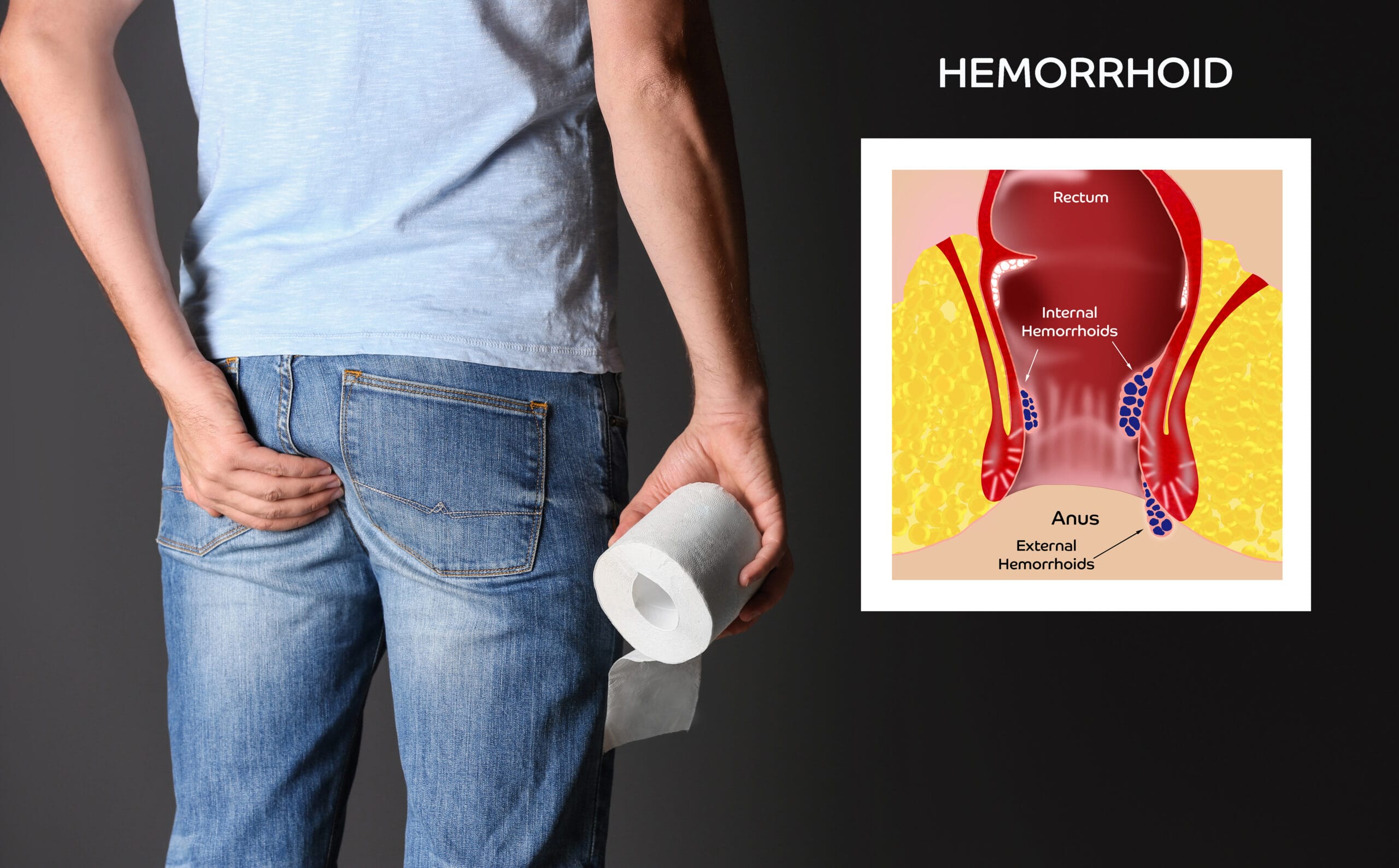
You have hemorrhoidal veins by design—soft, pillow-like clusters that sit under the mucous membrane in your rectum and anus. When these veins swell, you get haemorrhoids. Internal haemorrhoids form inside the rectum. External haemorrhoids form under the skin at the anal rim. Both trace back to added pressure in the area.
Common Causes
Excessive straining on the toilet causes a pressure spike in your abdomen and presses on hemorrhoidal veins. You strain, venous blood collects, and the tissue inflates. Extended toilet time, reading, or scrolling maintains that pressure.
Constipation chronically does more damage. Hard, dry stools scrape the lining, stretch the cana, and can tear small vessels. Low fibre and insufficient water lurk behind many of these habits.
Sitting for long hours at a desk, in a car, or on a hard seat compresses anal veins. Toilet seats are worse because your pelvic floor relaxes and the canal stays open, so blood stagnates.
Loose, watery stools irritate tissue. Chronic diarrhoea soaks the mucosa in enzymes and bile acids that chafe the skin and prompt swelling.
Risk Factors
- Pregnancy: The uterus raises abdominal pressure, and some hormones loosen the vein walls.
- Obesity: more intra‑abdominal pressure and venous congestion.
- Sedentary routine: less gut motility and more venous pooling.
- Low fibre intake: common driver of constipation and straining.
- Dehydration: drier stools, harder passage.
- Inflammatory bowel disease: frequent diarrhoea, urgency, and inflammation.
- Hypertension and heart disease alter venous return and fluid shifts.
- Meds and habits: opioids, low-activity days, skipped meals, poor toilet timing.
Liberal aerobic work, such as walking at a brisk pace, aids bowel flow and reduces risk.
Internal Vs. External
Internal haemorrhoids reside within the rectum and frequently bleed without pain, appearing bright red on the paper or in the bowl. They can prolapse with a soft, moist bulge and then spontaneously reduce.
External ones form under the perianal skin. You feel a tender lump, swelling, itch, or burning when sitting or cleaning.
Thrombosed external haemorrhoids clot when blood pools, resulting in sudden, stabbing pain and a hard, purple lump.
- Internal: painless bleed, prolapse risk, mucus, fullness.
- External: palpable lump, itch, pain with sitting, skin tags.
- Thrombosed presents acute severe pain, a taut purple lump, and a possible ulcer if it drains.
How To Avoid Haemorrhoids
You lower risk by easing pressure on anal veins, keeping stools soft, moving often, and protecting skin. Small shifts add up across diet, fluids, habits, movement, and load.
1. Optimise Diet
Strategy 3: Get 25 to 35 grams of fibre per day from food first. Fruits, vegetables, whole grains, legumes, and psyllium bulk and soften stool, which reduces strain that damages rectal tissue. Here’s how to avoid haemorrhoids. Add fibre slowly to control gas.
Restrict ultra-processed foods, too much salt, spicy triggers if they bother you, and heavy doses of red meat. These may worsen constipation or diarrhoea swings.
Table: Food — Fibre per 100 g
- Cooked lentils — ~8 g
- Oats (dry) — ~10 g
- Raspberries — ~6.5 g
- Chia seeds — ~34 g
- Broccoli (cooked) — ~3 g
- Whole‑wheat bread — ~7 g
Add citrus (orange, grapefruit, lemon) and 100% citrus juice. Their water and soluble fibre promote motility.
Think about a fibre supplement or stool softener if the diet isn’t sufficient. Always drink lots of water with these.
2. Increase Hydration
Hydrate enough so that your urine is pale yellow. A practical goal is at least 6 to 8 glasses, or 1.5 to 2.0 litres, per day. Water is better than sugary or caffeinated drinks for stool consistency.
Monitor consumption with a bottle or app. Restrict alcohol because it is a diuretic and can exacerbate symptoms.
3. Refine Bathroom Habits
Go when you have the urge. Waiting desiccates stool and increases strain. Spend less than 5 minutes on the toilet to avoid straining the veins in your rectum.
Grab a little step stool to raise your feet; this straightens your posture and makes it easier. Don’t push. Breathe, relax your stomach, and gravity will do the rest.
Use moist wipes or wet paper that is fragrance-free and rinse. Regular sitz baths in warm water for 10 to 15 minutes soothe skin and reduce flare-ups.
4. Embrace Movement
Walk, cycle, or swim most days to boost circulation and bowel rhythm. Avoid prolonged sitting or standing. Shift every 30 to 60 minutes to prevent blood stagnation.
Do pelvic floor squeezes: tighten for 5 seconds, relax for 5 seconds, 10 repetitions, 2 to 3 sets daily.
5. Manage Pressure
Maintain a healthy weight to alleviate pelvic vein burden. Stay away from heavy lifts and breath-holding. Exhale on effort and use your legs.
Wear loose clothes to alleviate constriction. Over-the-counter creams or suppositories can ease external symptoms while you stabilise a normal bowel regimen.
The Overlooked Connection
You’re thinking fibre, water, and walks. True. Posture, stress, and breathing influence rectal pressure, blood flow, and pelvic tone. Since three-quarters of us encounter haemorrhoids, you benefit by monitoring tiny daily habits that strain or shield those veins.
Keep what works: drink at least eight 240 ml glasses of fluid, aim for 25 to 30 grams of fibre with about one-third soluble, move with a brisk 20 to 30 minute walk, don’t delay the urge, and keep stools soft. Then test the less obvious levers below.
Posture
Sit with your hips slightly higher than your knees, feet flat, and ribs stacked over your pelvis. This keeps the anal canal open, eases venous return, and limits strain.
If you sit long hours, use an ergonomic chair with lumbar support or a wedge or doughnut-style cushion. On the john, a little footstool to prop up your knees can aid alignment.
Alternate: Sit for 25 to 30 minutes, then stand or walk for 2 to 3 minutes. Throw in light calf raises and hip shifts to invigorate the flow.
Forget extended slouching, tailbone tucking, or crossed legs. These constrict the outflow and impede blood flow toward the heart.
Stress
Chronic stress can shift gut rhythms, increasing the risk of constipation or diarrhoea, both of which are flare triggers. You can squeeze your pelvic floor without realizing it.
Practice short relax sets: 4 to 6 slow breaths, drop the jaw, soften the belly, let the pelvic floor ungrip on each exhale. Do this pre-poop.
Write a simple plan you’ll use: 10-minute meditation, a brief walk outside, music, or a call with a friend. Small, repeatable steps trounce perfect plans.
Safeguard mood and sleep. When your baseline stress decreases, you strain less and flare less.
Breathing
Use diaphragmatic breathing during bowel movements. Inhale to expand the belly and exhale gently as you bear down only to the point of passage, not force.
Do not hold your breath. Valsalva spikes rectal and anal vein pressure and fuel swelling.
Tie mindful breaths to routines before emails, in a lift, or on transit. Two minutes matter.
Controlled breathing decreases intra-abdominal pressure, reduces strain, and combines with Kegels to recondition pelvic support.
Proactive Hygiene Habits
Defined, consistent hygiene habits reduce irritation, infection risk, and straining that can trigger haemorrhoids. Think of gentle cleaning, complete drying, and daily habits that maintain a clean, calm, and dry environment.
Gentle Cleansing
Try using a soft cotton cloth, fragrance-free baby wipe, or witch hazel pad to wipe the stool away instead of rubbing. Wipe front to back, then double-check to make sure nothing is left behind, because leftover stool will inflame skin and exacerbate itchiness.
Ditch rough TP and scrubbing. Both can tear fragile skin and irritate engorged veins. If paper is your only choice, wet it down first.
Rinse with lukewarm water after every bowel movement when you’re able. A warm sitz bath lasting five to ten minutes soothes, cleans, and reduces spasm. It’s a lifesaver after long hauls, diarrhoea, or constipation.
Skip the perfumed soap, alcohol wipes, and antibacterial washes. Rinse with a gentle, non-soap cleanser or water. This reduces stings, rashes, and dryness.
Hydration and fibre back-up hygiene. As a proactive hygiene habit, drink enough water to keep your urine pale. It softens stool, makes it easier to pass, and reduces straining. Shoot for a high-fibre diet from whole grains, legumes, vegetables, and fruit to keep you regular.
Proper Drying
Gently pat dry with a clean cloth or cotton ball. Do not scrub. Wet skin chafes quickly and becomes sore.
Let air-dry for a minute, or use a hairdryer on a cool setting. Swap out of sweaty clothes post-workout or heat to reduce fungus. Wear breathable, absorbent underwear and avoid tight synthetics that hold in sweat.
Make smart habits. Don’t sit for long periods. Standing or walking breaks alleviate pressure in the rectal veins. Establish a regular toilet time and go when you feel the urge to avoid straining.
Soothing Care
Coat irritated skin with a thin layer of aloe vera gel or a soothing, fragrance-free ointment. Brief bursts of OTC creams or suppositories can reduce inflammation and itchiness. Adhere to directions and steer clear of long-term usage.
Think of sitz baths that are warm, twice a day during flares. Apply cold compresses for 10 to 15 minutes to decrease inflammation after a bowel movement. Some light kegels might increase pelvic blood flow and strengthen support tissues.
Recognising Early Signs
Early change spotting allows you to respond quickly and prevent flare-ups. Record what you observe, what you experience, and how symptoms evolve over several days.
Initial Symptoms
- Painless rectal bleeding with bright red blood usually indicates internal haemorrhoids. You spot blood on toilet paper, on the stool surface, or a couple of drops in the bowl. If the toilet water becomes red or you pass large clots, get care immediately.
- Small lumps, mild pain, or swelling near the anus suggest external haemorrhoids. A bump that is the size of a pea to a grape and feels sore when you sit is common. Sudden, sharp pain can mean a thrombosed lump that needs prompt review.
- Itching or a raw feeling around the anus is an early cue. Moisture, mucus, and minor leakage can irritate the skin and worsen the itch.
- Pain with bowel movements, such as pressure, burning, or a pulling sensation, may be a red flag. If this occurs with straining or hard stools, consider haemorrhoids and treat the constipation now.
In most cases, it comes to rest in a few days and can be handled at home within a week. If bleeding continues, pain is intense, or ongoing after seven days, consult a clinician.
Progression Clues
Escalating pain, particularly persistent pain that prevents you from thinking or sleeping, may be indicative of a thrombosed haemorrhoid or some other issue. Don’t wait if the pain is severe.
Something like persistent swelling, a prolapse that bulges after you poop, or difficulty wiping indicates progression. Persistent wetness increases the chances of skin breakdown.
Heavy or more frequent bleeding indicates the disease is progressing. Bright red streaks turning into ongoing spotting over days require medical attention.
Redness, heat, oozing, fever, or malaise are signs of infection. If you spot pus or a high temperature, get urgent care.
Watch for changes in bowel habits or stool consistency. Hard stools, straining, or going less than three times per week can signal an underlying issue like constipation.
Keep a simple symptom diary that includes dates, pain score from 0 to 10, bleeding amount, stool form as soft or hard, and any triggers. Any change around the anus that feels new or not normal for you deserves a doctor’s check.
When To Consult A Doctor
Get care if your symptoms linger, worsen, or appear ambiguous. An early exam can diagnose haemorrhoids, exclude other pathologies, and help plan next steps.
Persistent Symptoms
If pain, swelling, or bleeding persists after a week of home treatment, schedule a trip. This means warm baths, more fibre (25 to 35 grams per day), extra water, and over-the-counter creams or suppositories that didn’t do the trick.
Monitor flare-ups that derail your schedule — missed work, missed workouts, or pain that keeps you from the toilet. That pattern is what counts.
Record what you attempted, including fibre supplements, stool softeners, ointments, ice, and sitz baths. Note the doses and what improved. Bring dates and notes.
When straining, incomplete emptying, and pain obstruct normal bowel movements, you might require medical treatment to break the cycle of swelling and additional bleeding.
Severe Pain
Severe, sudden pain, a hard, painful lump at the edge, or pain that reaches its maximum within hours can indicate a thrombosed external haemorrhoid. Treatment within 72 hours could permit clot extraction or removal.
If intense pain is accompanied by fever, chills, or difficulty defecating, get urgent treatment. Infection or acute swelling requires prompt medical attention.
Severe pain can indicate issues that might require a procedure such as rubber band ligation, incision of a clot, or surgery in rare instances.
Prompt attention reduces the potential for tissue injury, persistent bleeding, or prolonged healing.
Bleeding Concerns
Visit your doctor for any rectal bleeding, especially during defecation. Don’t hesitate if you observe fatigue, dizziness, or pale skin, as this can indicate anaemia.
Large volumes of bright red blood or clots require urgent review. Although haemorrhoids are common, so is bleeding from fissures, polyps, inflammatory bowel disease, or colon cancer.
A physician exam helps explain the source and direct tests, such as anoscopy or colonoscopy, when warranted.
| Episode | Frequency | Volume | Possible causes |
| Streaks on stool | Intermittent | Small | Haemorrhoids, fissure |
| Drips in bowl | Recurrent | Mild–moderate | Internal haemorrhoids |
| Clots or gush | Sudden | Moderate–large | Severe haemorrhoids, other GI sources |
Conclusion
You have concrete things that lower your risk. Consume increased amounts of fibre-rich items such as oats, beans, and leafy greens. Consume a minimum of 2 litres of water daily. Exercise for 30 minutes on most days. Limit toilet time to under 5 minutes. Please, for the love of God, don’t strain. Use a footstool to lift your knees. Cleanse with warm water and pat dry. Avoid rough wiping.
Little changes yield quick rewards. Softer bowel movements lead to less strain and fewer flares. Early symptoms still crop up now and again. Do you notice bright red blood on the paper? Do you sense an itch or swelling? Lighten up on heavy lifts. Add fibre. Follow the difference for a week.
Need help that goes beyond these steps? Contact your physician. Here’s an easy start. Grab the fibre list and plan your next shopping trip.
FAQ
What causes haemorrhoids to form?
Haemorrhoids occur when veins in your lower rectum become swollen from pressure. Common culprits are straining with bowel movements, constipation, sitting too long, pregnancy, and low-fibre diets. Extra weight and heavy lifting can aggravate it.
How can you prevent haemorrhoids naturally?
Consume 25–35 g of fibre every day, hydrate well, and keep moving. Don’t push on the throne. Go when you feel the urge. Restrict your sitting time. Take advantage of the footstool to raise your feet while you’re doing number two.
Does wiping or hygiene affect haemorrhoids?
Yes. Coarse wiping and perfumed items inflame skin. Use a soft, damp cloth or fragrance-free wipes to gently clean up. Pat dry. Try a sitz bath to ease the sting.
What are the early signs you should watch for?
Look for painless bleeding on toilet paper, itching, mild pain, swelling, or a lump near the anus. Catching symptoms early helps you prevent flare-ups.
When should you see a doctor?
Visit a doctor if you are experiencing heavy bleeding, severe pain, symptoms lasting longer than one week, or a hard, painful lump. Go to urgent care if you feel lightheaded or weak with bleeding.
Can diet changes really make a difference?
Yes. A diet high in fibre keeps your stool soft and decreases the amount of straining. Include whole grains, legumes, vegetables, fruits, nuts, and seeds. Add fibre slowly and consume sufficient water.
Do sitz baths help prevent flare-ups?
They can. Warm sitz baths relax muscles, reduce swelling, and enhance comfort following bowel movements. Apply for 10 to 15 minutes, 2 to 3 times daily during symptoms.

 Raphael557 says:
 aaajili36 says:
 https://pin-it.top/item/444164 says:
 https://ezonnerecruit.com says:
 nouvellessignet.space says:
 http://www.p2sky.com/home.php?mod=space&uid=6259244&do=profile says: