Haemorrhoid treatments range from home care and OTC meds to office procedures and surgery, depending on your symptoms and stage.
We treat haemorrhoids with warm sitz baths, 25 to 30 grams of fibre per day, and topical creams. OTC options include hydrocortisone, lidocaine, and stool softeners.
Office treatments include rubber band ligation, sclerotherapy, and infra-red coagulation. Serious cases employ hemorrhoidectomy or stapled hemorrhoidopexy.
You discover when each option suits you and what lies ahead.
Key Takeaways
- You can control mild haemorrhoids with at-home care such as warm sitz baths, gentle hygiene, increased fibre of 25 to 35 grams per day, and sufficient water to maintain soft stools. Avoid straining and sitting for long periods to prevent flare-ups.
- Over-the-counter options such as hydrocortisone creams, witch hazel pads, lidocaine ointments, oral pain relievers, and stool softeners can provide short-term relief. Read labels and avoid irritants if you have sensitive skin.
- It’s time to see a doctor if symptoms last more than a few weeks, pain is intense, or bleeding is heavy or frequent. You might require prescription treatments or office procedures for internal or external haemorrhoids.
- You have excellent minimally invasive options like rubber band ligation, sclerotherapy, and infrared coagulation for internal haemorrhoids. You can resort to surgical interventions such as hemorrhoidectomy or stapled hemorrhoidopexy for bulky, prolapsed, or recurrent disease.
- You can reduce recurrence with a fibre-rich diet, plenty of liquids, regular exercise, listening to your bowels, and using a footstool when you poop. You want to track triggers here and tailor your prevention.
- Keep in mind personal considerations such as pregnancy, medications, and medical conditions when selecting treatments and follow post-procedure advice for pain management and complication tracking. You might want follow-up care and a recovery journal to aid healing.
Understanding Haemorrhoids
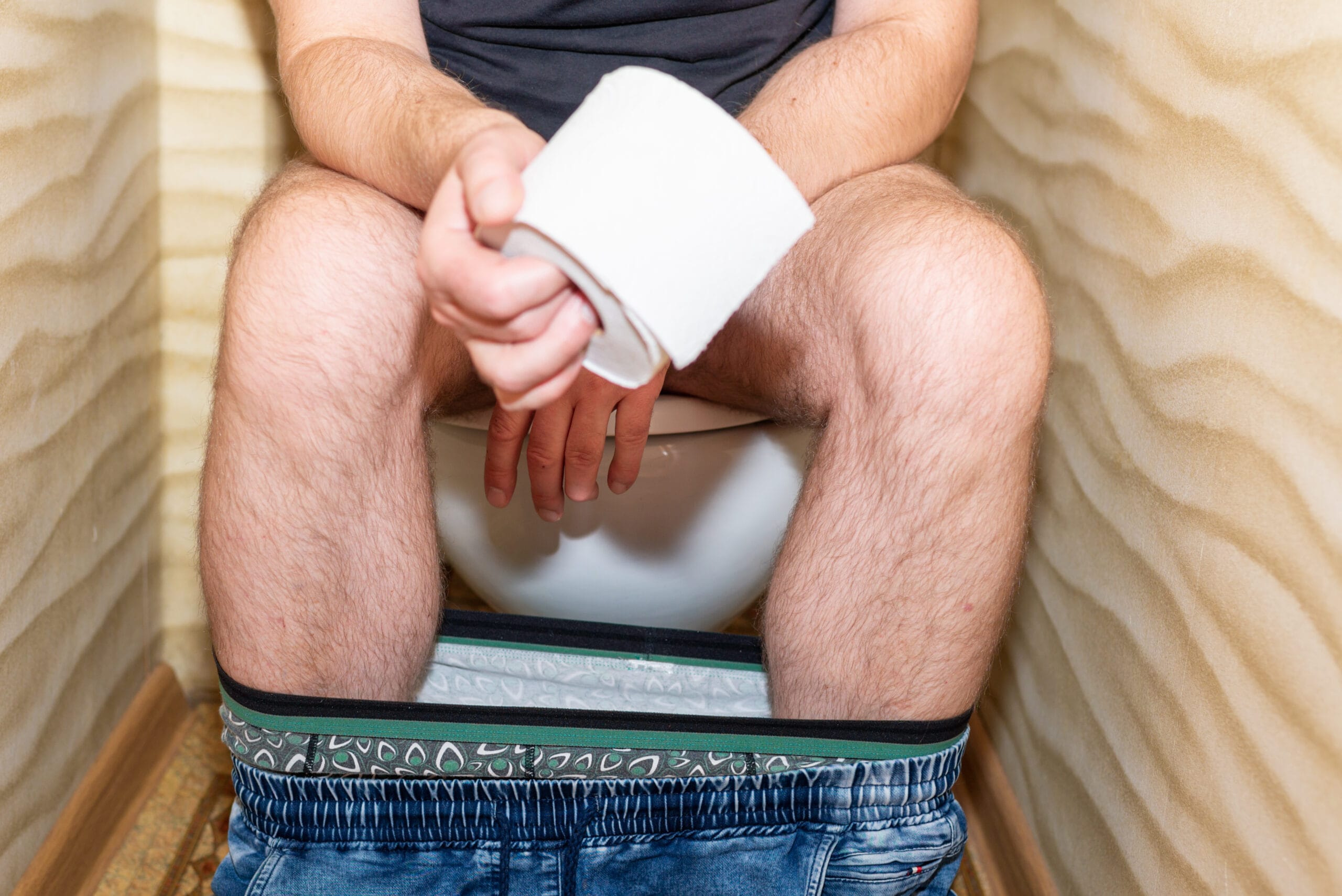
You deal with haemorrhoids when the veins in your rectum or anus swell. Many call them piles. This is a common anorectal disease that affects millions worldwide and can strain your day-to-day life. You may see flare-ups ease in a few days, but early symptom checks help you act fast and avoid long-term pain.
Internal haemorrhoids are located inside the rectum, often causing no pain, although you may notice bright red blood on your stool or toilet paper. In contrast, external haemorrhoids develop under the skin at the anus and can lead to itching, burning, or painful clots. Understanding the symptoms of both internal and external haemorrhoids is vital for effective treatment.
Several risk factors contribute to haemorrhoids, including hard or loose stools, prolonged sitting, pregnancy, low fibre intake, heavy lifting, and obesity. To alleviate discomfort, consider home treatments like increased water and fibre intake, sitz baths, cold packs, and stool softeners.
See a clinician for bleeding, sharp pain, or large swelling. Surgery, such as hemorrhoidectomy, stapled fix, or artery tie, is for severe or recurrent cases. Avoid alcohol and hot spices.
Types Of Haemorrhoids And Treatment
You’re dealing with two primary types of haemorrhoids: internal and external haemorrhoids. Treatment options vary based on type, grade, symptoms, and objectives.
What Are They
Haemorrhoids are vascular cushions in your anal canal that help seal the passage and support continence. They are normal tissue until they swell, inflame, or prolapse, which turns them symptomatic.
Common causes include low fibre intake, dehydration, straining, spending a long time on the toilet, heavy lifting, pregnancy, obesity, chronic cough, and prolonged sitting. Others have no or minimal symptoms that subside spontaneously.
Internal Vs External
Internal haemorrhoids sit inside your rectum. They often don’t hurt, but can bleed with bowel movements. They are graded I to IV; higher grades mean larger prolapse and may need more invasive care.
External haemorrhoids lie under the skin around the anus, and they tend to cause pain, itch, and swelling. External issues, such as thrombosis and painful lumps, are more frequent, while internal ones bleed more.
Treatment shifts by location: internal options include fibre, water, topical relief, rubber band ligation, sclerotherapy, and infrared coagulation. External care leans on creams, cold packs, warm sitz baths, and, if severe, thrombectomy or surgery.
Common Symptoms
Bright red blood on stool, paper, or in a bowl. Pain, itch, or swelling at the anus. A lump or tender knot (thrombosed external). Mucus, soilage, or a sense of incomplete emptying.
Internal haemorrhoids bleed painlessly and frequently. External haemorrhoids can be quite painful and swollen, occasionally with a hard clot.
Bleeding Concerns
Rectal bleeding is common with haemorrhoids. It can indicate other problems. Monitor quantity, colour (typically bright red), and frequency.
Record any pain, mucus, alteration of stool calibre, weight loss, fever, or tiredness. Severe or persistent bleeding requires timely evaluation. Late-stage varieties may require banding, coagulation, or hemorrhoidectomy.
Exploring Haemorrhoid Treatments
You’ve got everything from straightforward haemorrhoid home treatments to office procedures and surgical treatments. That care should correspond to the type (internal vs. external haemorrhoid) and severity to soothe pain, control bleeding, and prevent flare-ups and complications.
1. At-Home Care
Warm water sitz baths relieve the pain and swelling. Soak in plain warm water for 10 to 15 minutes, two or three times a day.
Utilise moist wipes or a squeeze bottle post-bowel movement. Avoid dry paper and irritating soaps that scratch or burn.
Increase fibre to approximately 30 grams per day and drink six to eight glasses of water to maintain soft, regular stools. Include some oats, beans, fruit, and veggies, or opt for psyllium or methylcellulose.
Exercise every day. Don’t strain and don’t sit long on the toilet. Pat dry with a towel and maintain cleanliness. With steady care, many symptoms fade within a week.
2. Over-The-Counter Options
You can apply hydrocortisone cream for itch, witch hazel pads for burn, or lidocaine ointment for short-term numbness. Oral pain relief such as acetaminophen, ibuprofen, or aspirin aids mild pain.
Alternatively, a stool softener or bulk laxative reduces straining and bleeding risk. Check labels and don’t use strong scents, alcohol, or steroids for more than a few days without consulting.
3. Prescription Medications
If symptoms persist, your clinician may use stronger steroids or suppositories to calm inflammation. For severe pain, short courses of prescription analgesics can help.
Topical nifedipine or nitroglycerin can ease anal spasm and pain. Oral flavonoids like diosmin may reduce bleeding and swelling as an add-on therapy.
4. Minimally Invasive Procedures
Rubber band ligation treats internal piles by banding the base. You can expect some pain and bleeding two to four days later.
Sclerotherapy shrinks tissue with an injected solution. Infrared or bipolar coagulation closes off blood flow in minutes. These outpatient procedures have low downtime and provide great relief.
5. Surgical Interventions
Excisional hemorrhoidectomy is the gold standard for large or recurrent disease. It may be advised when other care fails.
Stapled hemorrhoidopexy lifts prolapsed internal tissue with less post-op pain. Hemorrhoidal artery ligation ties off feeders to reduce swelling.
Thrombectomy for a clotted external haemorrhoid works best within 72 hours. Risks include bleeding, infection, and anal stenosis. Discuss benefits and recovery.
The Lifestyle Connection
Bad diet, dehydration, prolonged sitting, and smoking or heavy alcohol use increase pressure on the rectal veins. You decrease risk and avoid flares when you modify daily decisions for the long haul. Establish consistent elimination and soft cleaning routines.
Monitor what ignites your flare-ups so you can respond quickly.
Your Diet
You require sufficient fibre to create soft, bulky stools that evacuate without strain. Target fruits, vegetables, whole grains, and legumes at a majority of your meals.
Fibre reduces tension, relieves discomfort, and promotes recovery after surgeries. Low-fibre and ultra-processed foods bog the gut down and create painful, hard stools.
| Fiber-rich foods | Example servings | Daily target |
| Fruits | 2–3 pieces | 25–35 g fibre |
| Vegetables | 3–5 handfuls | 25–35 g fibre |
| Whole grains | 2–4 servings | 25–35 g fibre |
| Legumes | 1–2 cups cooked | 25–35 g fibre |
If intake is a bit low, add a supplement such as psyllium. Start low and increase slowly to reach your target.
Your Hydration
Drink 6 to 8 glasses (about 1.5 to 2.0 L) of water daily so fibre can do its magic and stools remain soft. Caffeine and alcohol can dehydrate you and spark flares, so moderate or offset with additional water.
Put phone alarms or a marked bottle. Boost fluids on hot days and active days. Proper hydration benefits your entire digestive system and aids therapies.
Your Movement
Consistency increases intestinal motility and venous return, reducing pressure in rectal veins. Aim for 30 minutes on most days. Interrupt long sitting or standing with a stand-and-stretch each hour.
Take a walk, do light stretches, or gentle pelvic floor work. Skip heavy lifts and high-strain moves during flares.
Soak in warm water for 10 to 15 minutes three times a day for symptom relief.
Your Habits
Go when you have to go, don’t hold it. Don’t strain and don’t read or scroll on the toilet.
Make a lifestyle connection. Rinse with water or a damp, unscented cloth. Pat dry, no scrubbing wipes.
Monitor triggers—foods, sleep, stress, travel—and modify plans. Add stress care: brief breathing drills, yoga, or simple meditation help.
When To See A Doctor
See a doctor if symptoms don’t improve with home or OTC care within one week, or if you experience new or worsening bleeding. You need to make sure it’s haemorrhoids and not something else.
Persistent Symptoms
If pain, swelling, itch, or bleeding persists beyond a few weeks despite fibre, fluids, sitz baths, stool softeners, and OTC creams, consider them persistent. Keep a diary noting flare tendencies, bowel rhythm, straining, minutes on the throne, and any triggers such as low fibre or heavy lifting.
Write down what treatments you attempted and doses. Your clinician may step up care with prescription ointments, rubber-band ligation, sclerotherapy, or infrared coagulation. Ongoing symptoms affect sleep, work, and activity. Don’t ignore them.
If you’re unsure what you have, get checked to confirm haemorrhoids and rule out anal fissure, polyps, IBD, or cancer.
Severe Pain
Suddenly, sharp anal pain with a firm, blue lump often means a thrombosed external haemorrhoid. Pain with fever or spreading redness can signal infection. Seek urgent evaluation if pain is intense, starts abruptly, or comes with swelling or fever.
Early office care can help determine when to see a doctor. A thrombectomy to take out the clot is best done within 72 hours, and excision in the first 3 days cures a lot of them. If other methods don’t work or symptoms are intense, surgery to remove it might be recommended.
If left untreated, severe pain can cause infection or an abscess.
Heavy Bleeding
Heavy bleeding is bright red blood that fills the bowl, saturates pads, or passes as clots. Keep a diary of frequency and estimated volume to help direct treatment.
Major bleeding might require endoscopy to locate or procedurally address. Massive bleeding, although uncommon, can result in anaemia or unstable vitals.
Rectal bleeding of any sort needs to be evaluated to exclude colon cancer or inflammatory bowel disease. If OTC care isn’t helping, see a doctor.
Beyond The Standard Approach
You might require more than fibre, sitz baths, or office banding when symptoms persist or the disease is complex. Care moves to customised regimens that consider pain tolerance, bleeding risk, bowel habits, and other comorbidities. A team approach helps: colorectal surgeons for procedure choice, gastroenterologists for workups and medical therapy, and primary care for nutrition, bowel regulation, and comorbidity control.
The data continues to develop, so anticipate collaborative choices based on results and your objectives.
Emerging Therapies
Radiofrequency ablation (Rafaelo) and laser hemorrhoidoplasty target the vascular cushions with heat while sparing much tissue. You may see less pain, faster return to work, and fewer wound issues than with excisional surgery, though long-term recurrence data are still maturing.
Transanal hemorrhoidal dearterialization is another tissue-sparing option. Studies report mild pain, quick recovery, and low complication rates, making it a fit for grades II–III disease.
For certain bleeding patients at high surgical risk, embolisation of haemorrhoidal arteries (commonly through the superior rectal artery) provides a minimally invasive alternative. It can staunch bleeding when banding fails, or surgery isn’t ideal, but the availability of skilled interventionalists is inconsistent.
Medical choices are still expanding. A 2012 review indicates potential benefit from phlebotonics, but superior trials are required. Topical metronidazole decreases post-hemorrhoidectomy pain and pain with defecation, facilitating early recovery.
Systemic agents in trial seek to soothe inflammation and venous congestion. All of these alternatives aim to reduce suffering, accelerate healing, and control relapse.
Context is everything. Injection sclerotherapy, rubber band ligation, and infrared photocoagulation are still useful, with endoscopic banding having a 92% success rate for bleeding control compared to bipolar coagulation.
Fibre does help symptoms; many diets fall somewhere in the 8–15 grams per day range, which is less than the 25 grams per day target. Even operative hemorrhoidectomy, although good, has had a recurrence rate of 2–5% in the literature and 30% in some series.
Prevalence is high, quality-of-life impact is real, and you deserve a plan that meets your risks and hits your goals.
Treatment Of Haemorrhoids In Women
You have special risks associated with pregnancy, hormones, and pelvic anatomy, which can lead to haemorrhoid symptoms. Care plans, including home treatments and medical advice, are most effective when tailored to your life stage, symptomatology, and care availability.
Patient-Specific Factors
Age, health, and the grade of disease guide what you select. Mild internal haemorrhoids generally respond well to fibre of 25 to 30 grams per day, six to eight glasses of water daily, and ten to fifteen-minute sitz baths several times a day. Cold packs and short-course hydrocortisone creams help relieve itch and swelling.
Serious or frequent flares might require office treatments such as rubber band ligation or sclerotherapy, while late-stage disease can warrant hemorrhoidectomy, which is the gold standard for stubborn, recurrent cases.
Pregnancy increases the risk because of increased pelvic vein pressure. You can reduce strain with high-fibre foods, daily walks, left-side resting, and soft bowel movements. If you get a painful clot, a thrombectomy within 72 hours can assist.
If you take blood thinners, some treatments hold or swap medications; options adapt to bleeding risk. If you have inflammatory bowel disease, stay away from treatments that can exacerbate flares and instead aim to keep stool soft and provide topical relief.
Treatment Of External Haemorrhoids In Males
You desire rapid relief and a strategy that suits real life. The majority of external haemorrhoids resolve spontaneously within a few weeks, but pain, itch, and bleeding can still add strain.
Start with self-care: drink six to eight glasses of water a day, aim for twenty-five to thirty grams of fibre from fruit, vegetables, and whole grains, and move—walk briskly for thirty minutes or do thirty minutes of sit-ups to help the bowels.
Soak in plain warm water for ten to fifteen minutes, two or three times a day. Apply some plain old topical creams or cold packs for temporary relief.
If you have a thrombosed lump with stabbing pain, a small incision to drain the clot can provide immediate relief, best within seventy-two hours.
Checklist:
- Pregnancy status and trimester
- Current meds (especially anticoagulants)
- Bowel pattern, bleeding, pain level
- Prior treatments and response
- Comorbidities (IBD, liver disease, obesity)
- Availability of follow-up care and anaesthesia customised plans increases safety and success.
Global Perspectives
| Region | First-line care | Office options | Advanced access | Notes |
| North America | Fibre, fluids, sitz | Banding, sclerotherapy | Hemorrhoidectomy, THD, stapled | Broad tech access |
| Western Europe | Diet, hygiene | Banding common | Day-surgery models | Strong guidelines |
| East/South Asia | Diet, herbal use | Banding, injection | Variable by city | High spice intake |
| Latin America | Fibre, OTC topicals | Mixed access | Limited in rural | Public/Private gaps |
| Africa | Diet advice | Sparse | Rare outside cities | Access constraints |
Cultural norms influence such decisions, some favouring home care over clinics. Fibre-depleted diets and sedentary work increase rates. Where technology is scarce, conservative treatment endures.
Where healthcare infrastructure is strong, early banding is standard.
Navigating Your Recovery
Your recovery will be around 2 to 4 weeks after haemorrhoid treatment. Pain subsides after 3 days and gets better for two weeks. Schedule light tasks, sip 6 to 8 glasses of water daily, and take stool softeners to ease discomfort during your first poop.
Wound Care And Daily Basics
Maintain cleanliness and dryness. Rinse with lukewarm water after every B.M. Then pat—no rubbing. Frequent sitz baths for 10 to 15 minutes, 2 to 3 times per day, assist with swelling and hygiene.
Use a towel-wrapped ice pack for 10 minutes, 2 to 3 times a day.
Utilise fibre from foods or supplements, aiming for 25 to 35 grams per day. Don’t strain or sit on the toilet for extended periods. Short walks ward off stiffness and maintain your bowel rhythm.
Avoid heavy lifting, high-intensity workouts, and manual labour for six to eight weeks. Desk work, as comfort permits, employ a cushion and vary positions frequently.
Monitor minor bleeding, which can begin 2 to 4 days post-treatment and is seldom significant. If bleeding is heavy or persistent or has large clots, call your clinician.
Monitoring For Complications
Watch for fever, worsening pain after day three, foul discharge, increasing redness, or swelling, which may indicate a possible infection.
New difficulty passing stool or pencil-thin stools can signal an anal stricture. Sudden heavy bleeding, dizziness, or black stools require urgent care.
A simple diary helps to record pain scores, bowel habits, meds taken, baths, fluids, and any bleeding. Patterns direct timely change.
Follow-Ups And Recurrence Prevention
Follow all follow-ups and bring your diary and questions! Your clinician may titrate pain meds, fibre goals, or laxatives, evaluate healing, and screen for stricture.
Long term, maintain fibre and fluids, don’t strain, and reintroduce exercise gradually to reduce recurrence risk.
Managing Pain
Take acetaminophen or ibuprofen on a schedule, as directed, and supplement with prescribed agents if provided. For immediate relief, perineal care and pain management are crucial for navigating your recovery.
Ice packs in a towel curb swelling and pain. Steer clear of moves that increase belly pressure, such as heavy lifts, core bracing, and aggressive coughs.
Support your cough or sneeze with a pillow. Report pain levels and side effects early so your plan can be adjusted.
Promoting Healing
Maintain cleanliness, avoid aggressive soaps, alcohol wipes, or perfumes. Rinse with lukewarm water after a bowel movement, pat dry, and rely on plain, unscented barrier creams as needed. Bathe in plain warm water for 10 to 15 minutes, two or three times a day. This relieves pain and inflammation.
Aim for 25 to 30 grams of fibre daily from fruits, vegetables, beans, and whole grains. If meals aren’t enough, consider supplements like psyllium or methylcellulose. Additionally, consume 6 to 8 glasses of water daily to soften stool and reduce strain, which can help alleviate painful haemorrhoids.
Engage in regular physical activity by walking around a little and often. Even 30 minutes of moderate exercise daily can improve bowel movement and decrease venous pressure, which is crucial in managing hemorrhoidal disease.
Be vigilant for warning signs: persistent discharge, spreading redness, fever, or pain that worsens after a week. If a painful lump develops quickly and feels firm, it may indicate a thrombosed external haemorrhoid, which could require medical advice for treatment options like an office thrombectomy for immediate relief.
Preventing Recurrence
Lock in long-term habits: daily fibre targets, regular hydration, and soft stools. Don’t hold it in.
Fibre supplement when the diet falls short. Start low, go slow, and combine with water to avoid gas.
Avoid prolonged sitting, constipation, heavy lifting, and straining. A footstool aligns your rectum.
Examine signs every thirty days. Treat external haemorrhoids in women promptly with warm soaks, fibre, and rest. If ignored, pain can tear apart a life. Surgery is still a last resort when it comes to severe or frequent conditions.
Conclusion
So, you do have options. Minor flare-ups typically settle down with warm baths, additional fibre, and sufficient water. Pain falls quickly with ice packs and brief strolls. OTC creams can pacify the itch and burn. For persistent lumps, rubber band ligation helps in a lot of cases. Provoked, bigger, and painful clots sometimes require an immediate cut and drain in the clinic. Continuous bleeding or intense pain requires a visit. That keeps you secure and moving forward.
It’s the daily steps that count. Shoot for 25 to 30 grams of fibre, 2 to 3 litres of water, and regular bowel movements. Lift carefully. Taking breaks from long sits is important. Follow your cues and modify.
Need a concrete next step. Tell us about your symptoms, what you want to accomplish, and any medications. I can help you choose a schedule that suits you.
FAQ
What are the main types of haemorrhoids?
Internal haemorrhoids are located inside the rectum, while external haemorrhoids are found under the skin around the anus. Thrombosed haemorrhoids, which are clotted and often very painful, require specific haemorrhoid treatment options for effective relief.
What treatments actually work for haemorrhoids?
Begin with fibre, fluids, and warm sitz baths as part of your home treatment for haemorrhoids. For stubborn haemorrhoid symptoms, consider topical treatments like creams or suppositories. Office procedures such as rubber band ligation may provide relief, but always consult a doctor for medical advice.
How can lifestyle changes prevent flare-ups?
To ease pressure and discomfort from haemorrhoids, consume 25 to 35 grams of fibre daily, drink 2 to 3 litres of water, and remain active. These home treatments help maintain soft stools while avoiding straining and prolonged toilet time.
When should you see a doctor?
Visit a doctor if you experience intense pain, heavy bleeding, or haemorrhoid symptoms lasting more than a week. Go to urgent care for black stools, dizziness, or weakness to exclude other causes of hemorrhoidal disease.
Are treatments different for women?
Core care is comparable. If you’re pregnant or postpartum, it’s all about fibre, water, and sitz baths. Try haemorrhoid treatment options like pregnancy-safe topicals with your doctor’s medical advice. Procedures are generally postponed until post-delivery unless emergent.
How do you treat external haemorrhoids in males?
Management for haemorrhoid symptoms remains consistent: fibre, fluids, sitz baths, and topical treatments while avoiding straining. For a painful clot, a quick haemorrhoid treatment in the office can provide fast relief.
How long does recovery take after a procedure?
Most haemorrhoid treatments heal within 1 to 2 weeks, with pain subsiding in days. To aid recovery, keep stools soft, use sitz baths, and follow medical advice. Contact your doctor if haemorrhoid symptoms worsen.

 Alice486 says:
 Clyde2089 says:
 Lincoln2901 says:
 Jaden2630 says:
 Roger1592 says:
 sprunki phase 4.5 definitive says:
 betvnd8 says:
 lott-kjer-2.technetbloggers.de says:
 mobidesign.us says:
 bookmarkspot.win says:
 haugaard-rosenberg-4.blogbright.net says: