Surgical options for haemorrhoids consist of hemorrhoidectomy, stapled hemorrhoidopexy and rubber band ligation for serious or recurring situations.
Selection is based on grade, symptoms like bleeding or prolapse, and previous response to treatment with fibre, fluids, and topicals.
Recovery times vary from a few days for banding to several weeks for excisional surgery.
Complications include pain and bleeding, and a very rare infection.
To compare techniques, expenses, anaesthesia requirements and anticipated results, the sections below provide straightforward, step-by-step information.
Key Takeaways
- Find out when surgery is necessary if bleeding, prolapse, or pain continue despite conservative care. Get checked if symptoms restrict your daily life or if complications such as thrombosis arise.
- Consider symptom severity and grade of haemorrhoids to inform treatment. Surgical procedures for haemorrhoids. Grades III and IV and recurrent flares usually require a surgical option.
- To document treatment failure prior to escalation, track diet modification, fibre intake, topical agents, sitz baths, and timeline over weeks or months. Discuss this record with your physician to aid in decisions.
- Get to know the principal procedures and see which fit your profile. Hemorrhoidectomy fits large or recurrent cases. Stapled hemorrhoidopexy is for internal Grades II to III. Doppler-guided ligation is for bleeding internal haemorrhoids. Laser ablation is for small to medium cases.
- Be ready for the pain and recovery variance. Anticipate more pain and slower recovery with hemorrhoidectomy, and generally less pain and quicker return to normal with stapled, Doppler-guided, or laser methods.
- Recover from haemorrhoid surgery: Follow a straightforward recovery plan of wound care, pain control, fibre and fluids, and gentle mobility. Be vigilant for bleeding, fevers, severe pain, or inability to urinate and seek prompt medical attention if they occur.
When Is Surgery Necessary?
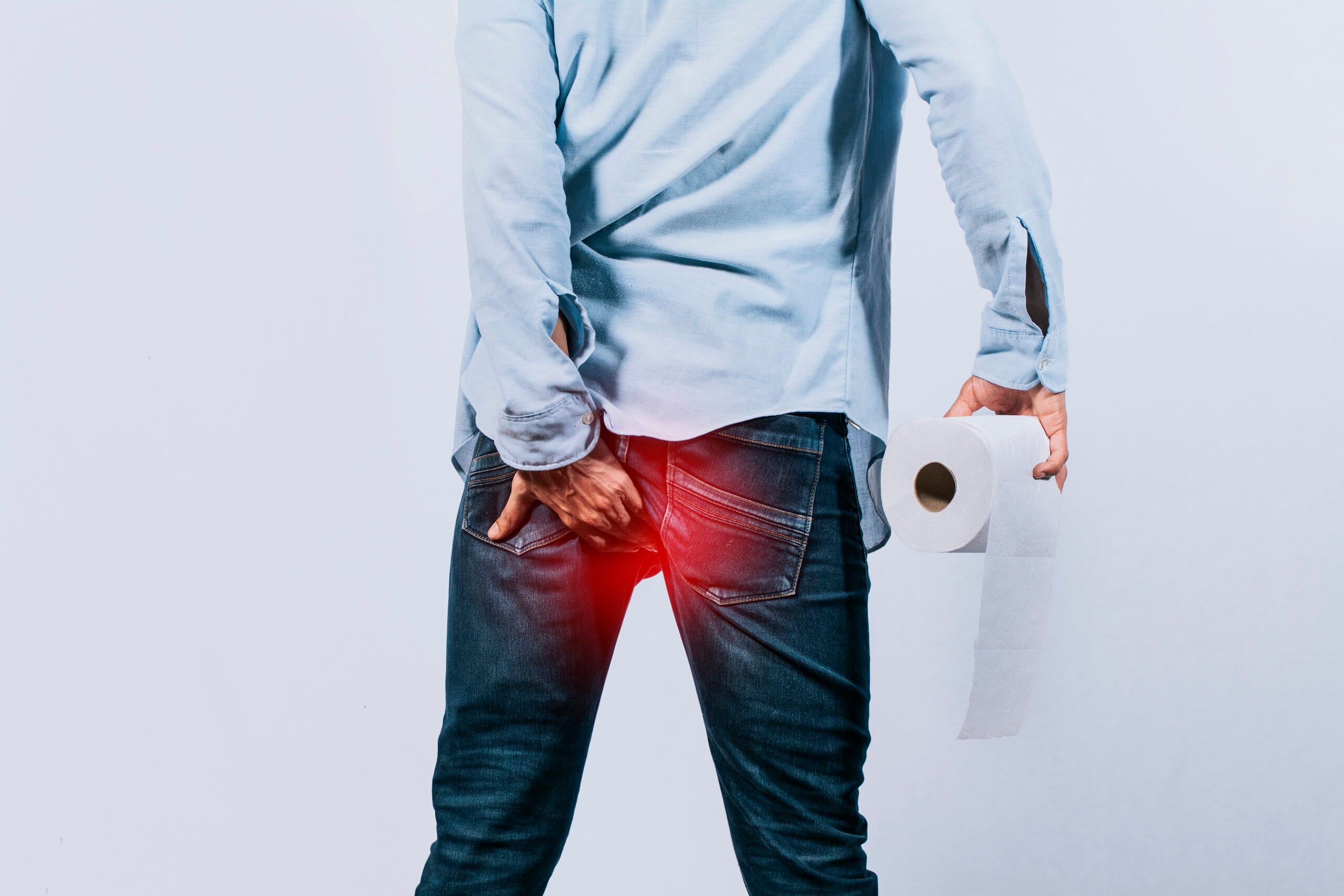
Surgery comes into the plan when symptoms continue in the face of good self-care and office procedures, when bleeding or prolapse doesn’t resolve, or when complications increase risk. They balance symptom burden, haemorrhoid grade, and treatment history.
Symptom Severity
Intense pain restricting sitting, sleep or bowel movements marks the point at which surgery becomes appropriate. Bleeding that saturates tissue, drips into the bowl, or results in anaemia after several weeks does as well.
Persistent rectal prolapse with a protrusion that remains post-defecation or requires daily reduction indicates surgical evaluation. Persistent flares, multiple days a week or that recur every month, interfere with your job, vacations, and workouts.
Hygiene requires extensive cleanup, triggers skin rash, or leaves moisture and itch even after gentle wipes and barrier creams. Surgery can restore control. Monitor if symptoms get worse even with fibre, fluids, stool softeners, and office care.
Worsening pain, longer bleed time, or a larger prolapse over six to twelve weeks suggests escalation.
Haemorrhoid Grade
Grades Guide Choice:
- Grade I: internal, no prolapse.
- Grade II: prolapse with strain, reduces on its own.
- Grade III: needs manual reduction.
- Grade IV: fixed prolapse, cannot reduce.
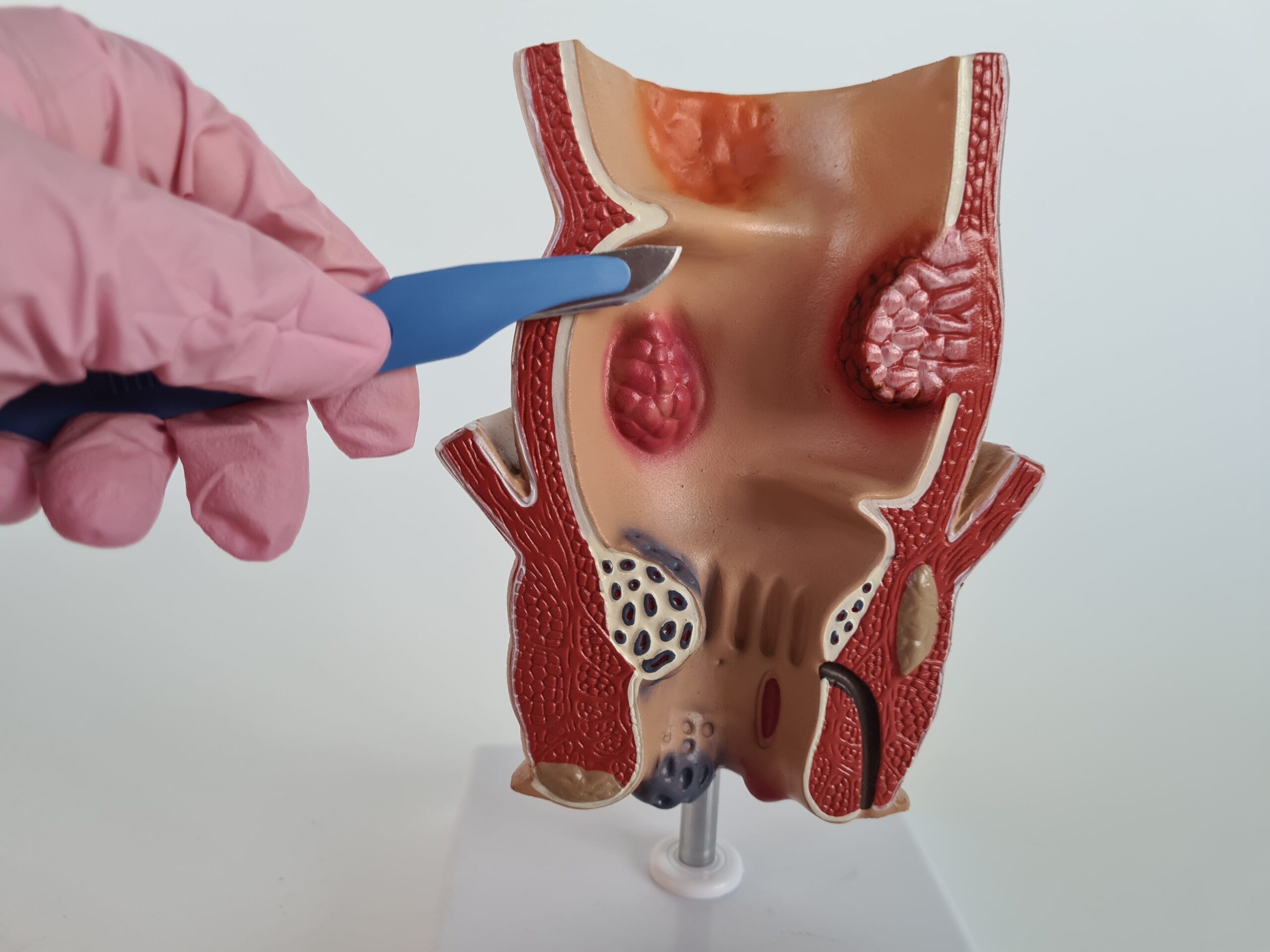
Grades III–IV more often need surgery, especially with constant prolapse, recurrent bleeding, or failed rubber band ligation. External haemorrhoids, which form under the skin at the anal verge, do not grade the same, but large, painful, or thrombosed external disease can require excision.
Grading Helps Match Options: banding or infrared for Grade I–II; hemorrhoidectomy, stapled hemorrhoidopexy, or Doppler-guided ligation for Grade III–IV, tailored to anatomy and risk.
Treatment Failure
Include what you tried and for how long.
- Fibre 25–35 g/day and 1.5–2 L water/day
- Stool softeners or osmotic laxatives
- Topical steroids, anaesthetics, or vasoconstrictors
- Sitz baths, hygiene changes, barrier creams
- Office procedures: rubber band ligation, sclerotherapy, infrared
Timeline example: Weeks 0 to 4: diet, fluids, softeners, partial relief. Weeks 5 to 8: add topical agents, sitz baths, and bleeding persists.
Weeks 9 to 12: two banding sessions, prolapse unchanged. Months 4 to 6: relapse with daily bleeding and manual reduction needed. Surgery is reasonable at this point.
A Guide To Surgical Procedures For Haemorrhoids
Surgery to remove, reduce, or reposition swollen hemorrhoidal tissue controls blood flow and prevents prolapse. Selection is based on grade (I–IV), symptoms, previous treatment, and patient objectives. Results are generally long-lasting when the procedure corresponds to disease severity, with recovery spanning from days to weeks.
1. Haemorrhoidectomy
Excision removes hemorrhoidal cushions at their base, eradicating prolapse and bleeding at the source. It is the most conclusive route when office care won’t cut it.
Ideal for large, prolapsed, mixed internal–external, thrombosed or recurrent Grade III–IV haemorrhoids. Methods are open, with wounds left to heal, closed, which are sutured, and stapled excision variants are employed selectively. Most patients are cured with a low long-term recurrence.
Pain after surgery can be marked for 1 to 2 weeks. Usual recovery spans 2 to 4 weeks. Stool softeners, sitz baths, and analgesia help. Risks include urinary retention, bleeding, infection, and rare stenosis.
2. Stapled Haemorrhoidopexy
A circular stapler excises a ring of rectal mucosa above the haemorrhoids, then lifts and secures the cushions back into place while interrupting blood flow. Tissue is not cut off at the anal verge, which lowers pain.
Most effective for internal Grades II to III with circumferential prolapse. Not great for sizable external parts. Most resume normal duties in seven to ten days, frequently accompanied by a brief hospitalisation or daycare surgery.
Recurrence may be higher than excision in advanced disease.
3. Doppler-Guided Ligation
Surgeons use a Doppler probe to find feeding arteries and tie them off with sutures. This procedure is often combined with mucopexy to plicate prolapsing tissue. The anal lining stays intact, so function is preserved.
Ideal for bleeding internal Grades I to III. It’s got fewer wound problems, low risk of incontinence, and rapid recuperation, occasionally 2 to 5 days. Other patients require repeat treatment, particularly if prolapse is advanced.
4. Laser Ablation
A laser fibre transmits energy to contract and close hemorrhoidal tissue with limited adjacent damage. Bleeding is typically minimal, and pain is moderate.
Ideal for small to medium-sized internal haemorrhoids, select mixed cases, or as a bridge following failed office care. Performed outpatient with quick recovery, typically with local or mild sedation. Recurrence differs based on size and quantity treated.
Comparing Surgical Options
Surgical options are excisional hemorrhoidectomy, stapled hemorrhoidopexy, RBL, doppler-guided hemorrhoidal artery ligation (HAL/THD), and laser hemorrhoidoplasty. Selection depends on grade, symptoms, and goals such as pain relief, speed, and durability.
- Side-by-side comparison.
- Hemorrhoidectomy: highest durability, most pain, longer downtime.
- Stapled: faster recovery, less pain, higher prolapse recurrence than excision.
- RBL: clinic-based, quick, best for grades I to II, some III.
- HAL/THD: node-sparing, moderate pain, good for bleeding grade II to III.
- Laser: tissue shrinkage, low pain, early data suggest moderate durability.
- PROS & CONS (numbered for ease of reading)
- Hemorrhoidectomy: Pro—lowest recurrence for grade III–IV. Con: pain, wound care.
- Stapled: Pro—less pain, quick return. Con—potential prolapse recurrence.
- RBL: Pro—low cost, minimal downtime. Con: multiple sessions, recurrence.
- HAL/THD: Pro—targets feeders, less tissue trauma. Con—cost, technique-sensitive.
- Laser: Pro—low pain, day-case. Con: few long-term data, cost.
- Best-fit profiles.
- Severe grade III–IV prolapse or failed prior care: excisional.
- Circumferential prolapse with priority on fast recovery: stapled.
- Small internal haemorrhoids with bleeding, grade I–II: RBL.
- Recurrent bleeding with moderate prolapse, anticoagulation concerns: HAL/THD.
- Pain-averse patients with moderate symptoms in centres with expertise: laser.
Pain Levels
Hemorrhoidectomy tops the pain. Stapled and laser are usually lower, HAL/THD is right in the middle, and RBL is the lowest.
Plan: Excisional needs scheduled analgesics, stool softeners, sitz baths, and local anaesthetic blocks. Stapled or laser often manage with oral NSAIDs, brief opioids if needed, and gentle fibre build-up. HAL or THD is similar to stapled, but expect a deep ache for a few days. RBL usually needs acetaminophen or NSAIDs and should avoid heavy strain for 48 hours.
Recovery Time
- Average recovery and limits
| Procedure | Day-case | Back to desk work | Heavy lifting | Full recovery |
| RBL | Yes | 1–3 days | 7–10 days | 1–2 weeks |
| Laser | Yes | 3–5 days | 2–3 weeks | 2–4 weeks |
| HAL/THD | Yes | 5–7 days | 3–4 weeks | 3–5 weeks |
| Stapled | Yes | 5–10 days | 3–4 weeks | 3–5 weeks |
| Hemorrhoidectomy | Often | 2–3 weeks | 4–6 weeks | 4–8 weeks |
- Surgery is less invasive, which means you get back faster. Most require time off work as listed above.
Milestones: Pain decreases by day 3 to 7, soft stools daily, resume light exercise in 1 to 2 weeks except for excision, which is 2 to 3 weeks, and full sports after clearance.
Success Rates
Long-term control: hemorrhoidectomy 90 to 95 per cent, stapled 75 to 90 per cent, HAL/THD 70 to 85 per cent, laser 70 to 85 per cent (early), RBL 60 to 80 per cent after a single session, higher with repeats.
Excisional has the lowest recurrence. Stapled has a higher recurrence for prolapse, and RBL has a higher recurrence for larger grade III.
Success depends upon grade, constipation, straining, obesity, and pelvic floor issues. Adequate fibre of 25 to 30 grams per day, hydration, and regular bowel habits optimise outcomes.
Satisfaction tracks with longevity and pleasure equilibrium. Excisional is high in severe disease. Stapled, HAL, and laser are high for faster recovery groups. RBL is great for little bitty disease.

The Recovery Journey
Recovery after haemorrhoid surgery comes in distinct stages. Anticipate soreness, slight bleeding and guarding of bowel movements. In brief:
- Immediate (0–24 hours): pain control, rest, hydration, first bowel prep
- Short-term (days 2–7): Swelling subsides, stool softening, light movement.
- Long-term (weeks 2 to 6 and beyond): tissue repair, return to full activity, relapse prevention
Immediate Post-Op
Most people feel sharp anal pain that flares with sitting, coughing, or the first bowel movement. Mild bleeding on gauze is common. Swelling and a sense of rectal pressure often peak by evening. General anaesthesia can cause nausea, chills, or grogginess.
Care generally consists of oral pain meds (paracetamol and NSAIDs, short opioid course if necessary), a stool softener, and a fibre supplement. Warm sitz baths for 10 to 15 minutes 2 to 3 times per day.
Keep dressings clean and dry and change them after each bath or bowel movement. If prescribed, apply ointments. Look out for heavy bleeding that soaks pads, a temperature above 38, nasty discharge, or pain that is worsening despite medication.
Call your care team if these show up. Walk short distances every few hours, no heavy lifting, and drink 2 to 3 litres of water. Begin soft, low-residue foods on day one and introduce fiber as pain permits.
First Week
Pain continues to abate daily. The initial poop can burn. The stools can appear streaked with blood. Gas control gets better at midweek.
To reduce swelling, use sitz baths, external cold packs, and loose clothing. Rinse gently with water after stools, then pat dry and avoid harsh wipes.
Return to desk or light work when you can sit for 20 to 30 minutes without pain flares. Short walks three to four times a day assist. Get treatment for fever, spreading redness, pus, loss of bladder control, or clots with gushes of bleeding.
Long-Term Healing
Complete tissue recovery is typically 3 to 6 weeks, with scar maturation spanning 3 to 4 months. Most symptoms, such as bleeding, prolapse, and itching, go away.
Recurrence risk decreases with maintaining healthy bowel habits and weight. Shoot for 25 to 35 grams of fibre per day, 2 to 3 litres of fluids, no straining, and exercise.
Shorten long toilet sitting by imposing a 5-minute cap. Handle cough and constipation provocateurs. Follow-ups to confirm healing, review pathology if taken, and adjust care.
Risks And Potential Complications
Haemorrhoid surgery is typically safe, yet risks differ depending on the method, your health, and the quality of aftercare. Understanding what to anticipate allows you to identify problems early and get treatment quickly.
List Common Risks Such As Bleeding, Infection, And Urinary Retention
- Bleeding: Small spotting is common for a few days, especially after bowel movements. Haemorrhage, clots, or bleeding that saturates pads could indicate a vessel reopened or a scab fell off prematurely. Straining, hard stools, and certain pain relievers can exacerbate it.
- Infection: Signs include rising pain, swelling, warmth, foul discharge, or fever above 38°C. Infection risk is increased with large excisions or uncleanliness. Early treatment can avoid abscess or sepsis.
- Urinary retention: Swelling, pain, spinal or general anaesthesia, and opioids can make passing urine hard in the first 24 to 48 hours. A full, painful bladder or no urine for 6 to 8 hours requires attention. Soft liquids and getting up early to walk could be a good idea.
Identify Rare But Serious Complications Like Anal Stenosis Or Incontinence
Anal stenosis is a tight anal canal from scarring, more commonly seen after a wide hemorrhoidectomy. It can cause thin stools, straining, and pain. Early treatment uses stool softeners and dilators. Severe cases need surgical revision.
Incontinence can occur if the sphincter is injured or nerves are affected, leading to leakage of gas or stool. This is uncommon with careful technique but more likely in repeat surgery or prior obstetric injury. Persistent severe pain may signal a hidden abscess, thrombosis, or fissure. Delayed healing can occur with diabetes, smoking, or poor blood flow.

Create A Checklist To List Common Risks Such As Bleeding, Infection, And Urinary Retention
- Bleeding after stooling or sudden heavy bleeding
- Fever, foul drainage, or rising redness/swelling
- Cannot pass urine within 6–8 hours
- Worsening pain not eased by prescribed meds
- New weakness, numbness, or loss of control
Advice On Recognising And Responding To Complications Promptly
Take your temperature twice a day for a week. Record bowel habits and stool consistency. Apply softeners, hydrate 2 to 2.5 litres per day, and don’t strain.
If bleeding is more than a few teaspoons, if fever reaches 38 degrees Celsius, if you can’t urinate, or if pain spikes, call your surgeon or go to urgent care. Take with you a list of medications and a picture of the wound region if recommended.
Life After Haemorrhoid Surgery
Recovery brings steady relief for most people within days to weeks. Pain drops as wounds heal, bleeding fades, and swelling recedes. Sitting feels normal again. Bowel movements cause less fear and strain, which lifts daily stress.
Many return to desk work in 3 to 7 days after less invasive surgery and in 1 to 2 weeks after excisional hemorrhoidectomy. Light activity, short walks, and standing breaks speed healing. By 4 to 6 weeks, most can resume exercise, travel, and sex, guided by comfort and a clinician’s advice.
Describe Improvements In Quality Of Life And Symptom Relief
Typical symptoms—bright red bleeding, burning, itching and prolapse—disappear. Sleep gets better once the pain settles down. Long sitting is easier on flights or at work. For grade III to IV haemorrhoids, surgery typically puts an end to manual reduction post-defecation.
The recurrence risk is less with excisional methods than with office treatments, which aids long-term comfort.
Suggest Strategies To Prevent Recurrence, Including Diet And Hydration
Shoot for 25 to 35 grams of fibre per day from oats, bran, beans, lentils, chia, berries, and leafy greens. Add a fibre supplement if your diet is lacking and begin low, working up over the course of a week.
Drink roughly 2 to 2.5 litres of water daily, more when it’s hot, or you’ve exercised. Avoid alcohol and very spicy food if it aggravates symptoms, along with processed junk food low in fibre. Make meals regularly.
Sample day: oatmeal with berries, lentil soup, brown rice with vegetables and tofu, and fruit and nuts for snacks.
Encourage Maintenance Of Healthy Bowel Habits
Go when you feel the urge, don’t hold it in. Limit toilet time to less than 5 minutes. Don’t strain, just relax and breathe and let the stool pass.
Put your knees up 15 to 20 centimetres on a footstool. If stools are hard, adjust your fiber and water intake, and if recommended, take stool softeners for a limited time.
Highlight The Importance Of Ongoing Self-Care And Monitoring
Use warm sitz baths for 10 to 15 minutes 1 to 3 times daily. Keep it clean and dry – dab, don’t wipe hard. Take daily walks to encourage gut motility.
Watch for heavy bleeding, fever, pain that gets worse after day three or pus. Seek care if these occur. Follow up as directed.
Conclusion
Surgery for haemorrhoids can seem like a big step. Still, transparent information and quality care pave the way. There’s a time and a place for each. Rubber band ligation suits little internal piles. Stapled hemorrhoidopexy aids prolapse. Excision provides powerful relief for large, mixed piles. A laser can cut pain in certain cases. Costs, pain and downtime differ by procedure.
For next step planning, talk with your doctor. Bring notes on pain, bleeding, and flare patterns. Get the details on the pain plan, wound care, and time off work. These are real goals, such as fewer flares and steady bowel habits.
For additional assistance, take our checklist and question list along to your appointment. If you want a quick refresher or a fresh perspective on choices, be in touch and inquire.
FAQ
When is haemorrhoid surgery recommended?
When symptoms do not abate with diet, fibre, and office treatments, surgery is considered. Extreme pain, frequent episodes of bleeding, large prolapse, and thrombosis or anaemia can be common triggers. A colorectal surgeon will verify the requirement after an exam and, if necessary, a colonoscopy.
What surgical options are available for haemorrhoids?
Popular treatments include rubber band ligation, sclerotherapy, infrared coagulation, hemorrhoidectomy and stapled hemorrhoidopexy. Selection depends on haemorrhoid grade, symptoms, and your health. A specialist discusses the advantages, risks, and recovery for each approach.
How do surgical options compare for pain and recovery?
Office procedures generally result in less pain and swifter recovery. Hemorrhoidectomy has the least chance of recurrence, but it causes more pain and a longer recovery period. Stapled procedures may lead to less pain, but they can be dangerous in particular cases. Your surgeon tailors the technique to your objectives.
What is the typical recovery timeline?
Most office procedures require 1 to 3 days of mild discomfort. Hemorrhoidectomy involves significant pain for 1 to 2 weeks, improving by weeks 3 to 4. You are typically back to full activity in 2 to 4 weeks. Adhere to your surgeon’s schedule for pain management, wound care, and stool habits.
What are the main risks and complications?
Possible risks include bleeding, infection, urinary retention, pain, anal fissure, recurrence, and, rarely, stenosis or incontinence. Early follow-up reduces complications. Seek urgent care for heavy bleeding, fever, severe swelling, or inability to urinate.
How can I ease pain and prevent constipation after surgery?
Take all prescribed pain medicine as directed. Take stool softeners and fibre, which should be 20 to 30 grams per day. Make sure you drink water. Take warm sitz baths. Lay off the straining. Take daily walks. Consult your healthcare professional prior to using laxatives or topical agents.
Will haemorrhoids come back after surgery?
Yes, recurrence is especially common with office procedures. The risk decreases with hemorrhoidectomy, but is not zero. Maintaining healthy bowel habits, such as a high-fibre diet and ample hydration, and not straining, will help keep them from returning. Routine follow-up promotes long-term success.

 Helen1711 says:
 Regina1603 says: