External haemorrhoids in females are swollen veins around the anus that cause pain, itching, and bleeding. You may feel a firm lump, see bright red blood on toilet paper, or note flare-ups after strain, long sits, or late pregnancy.
Risk goes up with low fibre diets, weight gain, and heavy lifting. To find relief, you consider home care, over-the-counter creams, or in-office care like rubber band ligation.
Up next, you get clear steps, timelines, and when to seek help.
Key Takeaways
- You can identify external haemorrhoids by swollen veins under the skin around the anus that are often felt as tender, bluish lumps. You are more likely to notice pain, itching, or bleeding during or after bowel movements.
- You encounter specific hazards from pregnancy, birth, hormonal fluctuations, pelvic floor strain, and persistent constipation. You can reduce risk by controlling constipation, reinforcing the pelvic floor, and tracking symptoms during hormonal fluctuations.
- You can get quick home relief with warm sitz baths for 15 to 20 minutes, cold compresses in short bursts, and over-the-counter creams with hydrocortisone or witch hazel. Just make sure you keep it clean with water or some unscented wipes and wear breathable cotton underwear.
- You aid healing by increasing fiber from fruits, veggies, and whole grains, and ample water to keep stools soft. Eat enough fiber and stay well hydrated, but limit processed foods and caffeine that might exacerbate constipation.
- You can ease emotional stress by recognizing feelings that are common, employing positive self-talk, and discussing pain between partners. Adjusting your daily habits and how you sit can relieve pressure and pain!
- Consult your doctor for severe pain, heavy or ongoing bleeding, fever, or symptoms that don’t improve with home care. You can ask questions about treatment, pregnancy safety, and time to recovery.
Understanding External Haemorrhoids In Females
External hemorrhoids are swollen veins around the anus. You face distinct risks due to pelvic anatomy, hormonal shifts, pregnancy, birth, and constipation patterns across life stages. Knowing early signs helps you act fast and cut flares.
External and internal hemorrhoids differ by location and visibility: external hemorrhoids sit under the skin outside and can be seen or felt; internal hemorrhoids sit inside the rectum and are not visible.
The location
External hemorrhoids form under the thin skin that surrounds the anal opening. You can often touch them and sometimes see them in a mirror. Because nerve endings are dense here, a small swelling can feel big.
Typical sites around the anal opening (clock face while you stand):
- 12 o’clock (front, toward the vulva)
- 3 o’clock (left side)
- 6 o’clock (back, toward the tailbone)
- 9 o’clock (right side)
Their surface location means that friction from walking, tight clothes, or wiping is more irritating than with deeper internal piles.
The Feeling
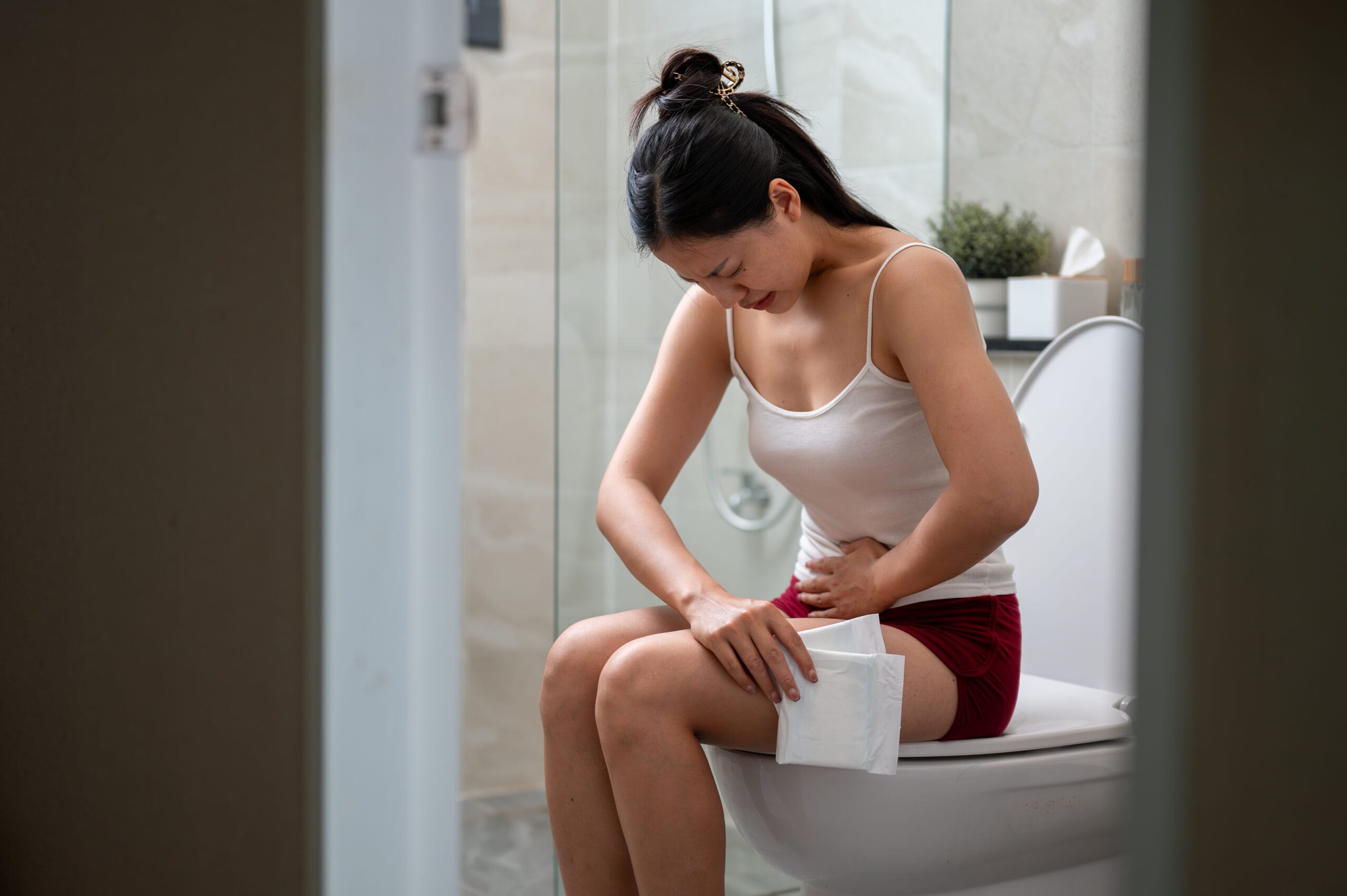
You could experience sharp pain, burning, or stinging with bowel movements. A painful lump that aches when you sit is typical.
Extended automobile rides, working at a desk, bicycling, or resistance training can increase pressure and exacerbate pain. On other days, you will only experience a faint, consistent throb.
Track symptoms in a brief diary: time, pain score (0–10), triggers (for example, spicy food, low water, long sitting), stool form, and care used. Trends direct transformation.
The Appearance
External hemorrhoids often look like swollen, bluish, or purple lumps next to the anus. Size ranges from a pea to a grape. A sudden dark, firm bump may mean a clot (thrombosis).
| Feature | Normal perianal skin | External hemorrhoid |
| Color | Skin-toned, even | Bluish, purple, or red |
| Texture | Smooth, flat | Raised, tense, sometimes shiny |
| Tenderness | Minimal | Tender or painful to touch |
| Shape | No distinct lump | Round/oval lump, clear edge |
Unique Causes Of External Hemorrhoids In Females
You have special risks associated with pregnancy, childbirth, and hormone fluctuations. These elements increase pressure in pelvic veins and alter the way veins react to strain. Your lifestyle and physiology are both factors. Understanding your triggers aids you in avoiding flares.
1. Pregnancy Pressure
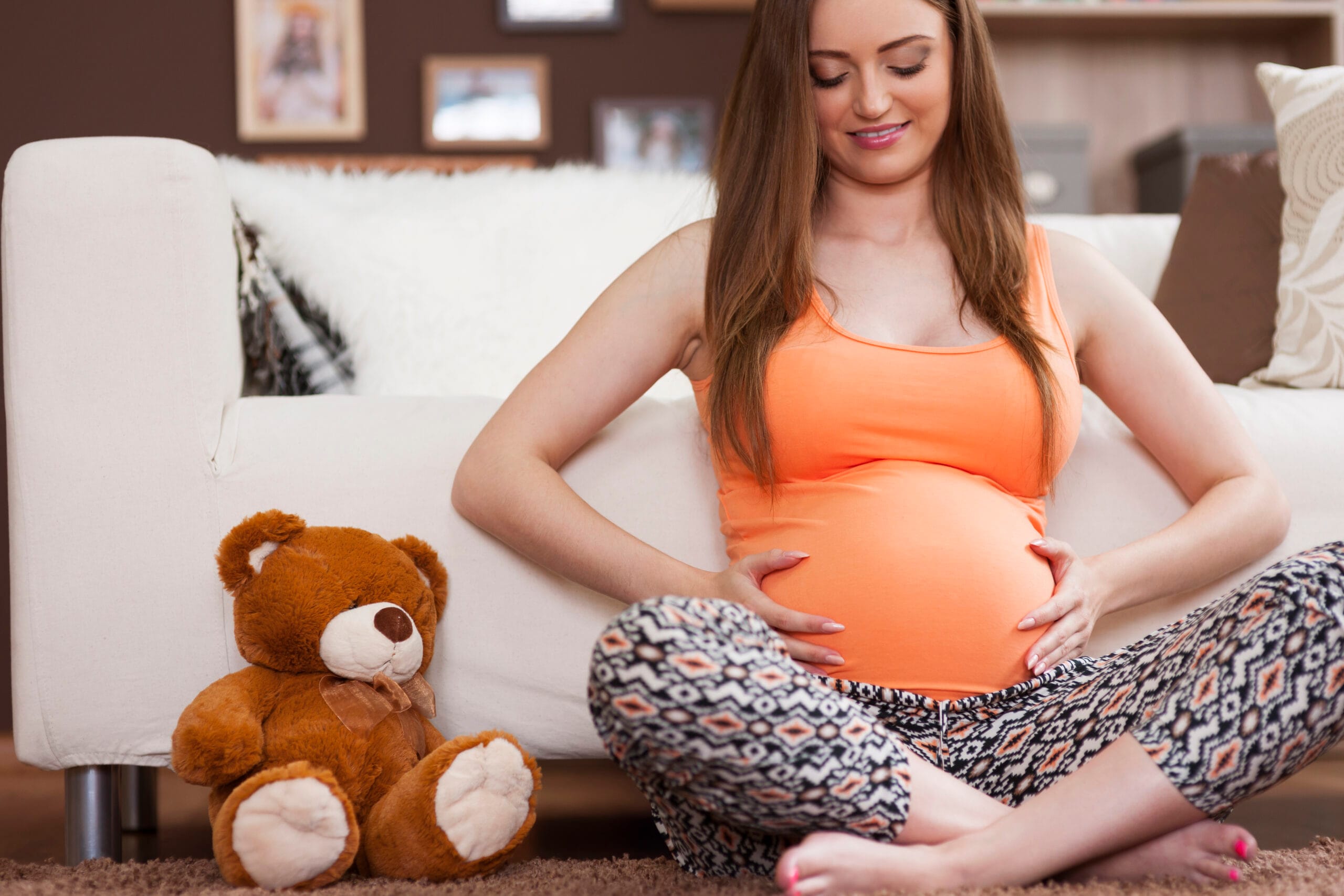
An expanding uterus puts pressure on pelvic and rectal veins, which restricts blood flow and increases back pressure. Pregnancy constipation is common and causes you to strain even harder, introducing jagged spikes in vein strain. Blood volume increases by approximately 30 to 50 percent, which can distend vein walls and make swelling more probable.
Keep tabs on pain, itching, or new lumps every trimester and monitor bowel habits so you can intervene early with fiber, fluids, and safe stool-softening measures.
2. Childbirth Strain
Pushing in a vaginal birth can drive strong bursts of pressure into anal veins. Long or assisted labor raises the odds of new or worse hemorrhoids. Post-birth swelling is common yet often short-lived.
To cut strain, use upright or side-lying positions, push with an exhale instead of breath-holding, ask for warm perineal compresses, and pause pushing if the team advises.
3. Hormonal Shifts
Progesterone increases in pregnancy and the luteal phase and relaxes the vascular walls. Softer walls bulge earlier under strain. Cycles, perimenopause, and menopause can alter stool patterns and venous tone, which shifts your risk day to day.
Record symptoms over cycles and observe connections with diet, stress, and physical activity.
4. Pelvic Floor Stress
Weak pelvic floor muscles provide less support to the rectal veins. Heavy lifting, plyo, or long runs can provide bursts of pelvic load. Chronic cough or increased body mass applies constant pressure.
Add pelvic floor work, including gentle Kegels, diaphragmatic breathing, and posture drills guided by a pelvic health clinician.
5. Chronic Constipation
Straining lifts the anal vein pressure with each hard stool. Low fiber and low water make stools dry and slow. Hormones and pelvic anatomy mean you may face more constipation than men.
Build a prevention checklist: 25 to 30 grams of fiber per day, 2 to 2.5 liters of water, daily walks, a footstool for toilet posture, a timed bathroom routine, and minimal holding.
Recognizing The Symptoms
External hemorrhoids produce external symptoms that are visible or tactile. The sooner you recognize symptoms, the sooner you can get treatment to prevent a potential flare-up.
- Sharp pain during bowel movements
- Persistent itching after wiping
- A tender or firm lump at the anal edge
- Bright red blood on paper or in the bowl
Track symptoms daily with a simple log: date, pain score (0–10), itch level, bleeding amount, and triggers (strain, long sit, spicy food). Identifying the symptoms of patterns leads to intelligent decisions and prompt attention.
Pain
You might experience a stabbing or pounding sting during a bowel movement, then a mild ache for hours. Hard seats or cycling just add injury.
If a clot develops (thrombosis), pain may be acute, severe, and impossible to ignore. Rate your pain: mild discomfort usually eases with rest and a cool compress. Severe, constant pain or swelling needs prompt medical care.
Itching
The thin skin around the anus gets irritated and stays itchy. Moisture from sweat, loose stools, or poor drying can cause the itch to linger.
Scratching ruptures skin, increases infection risk, and initiates a vicious cycle. Safer relief includes rinsing with warm water, patting dry, using unscented wipes, applying a thin layer of zinc oxide or petroleum jelly, switching to breathable underwear, and avoiding fragranced soaps.
Lumps
External hemorrhoids show up as one or more palpable bumps near the anal rim. They may feel tender, swollen, or firm.
| Feature | Normal flare | Concerning change |
| Size | Small, pea-like | Rapid growth |
| Feel | Soft to firm | Very hard, tense |
| Color | Skin-colored | Dark blue/purple |
| Pain | Mild to moderate | Severe, constant |
| Skin | Intact | Ulceration or pus |
Bleeding
You may notice bright red blood on toilet paper or streaks in the bowl. It typically occurs after a bowel movement, particularly after straining or hard stool.
Minor spotting is a couple of drops that quit quickly. Heavy bleeding saturates water, drips or returns frequently. Get care because anemia or another cause is likely.
You need rapid relief, minimal risk, and a roadmap. Start with self-care: soak in warm water for 10 to 15 minutes, 2 to 3 times a day.
Use unscented wipes, pat dry, and wear loose, breathable cotton. Soothe pain with cold packs for 10 minutes and over-the-counter topical creams containing lidocaine or hydrocortisone for up to 7 days.
For swelling and clots, inquire about oral NSAIDs if safe for you. Keep stools soft by drinking 1.5 to 2 liters of water daily, adding 25 to 30 grams of fiber from oats, beans, and chia, and using a stool softener (docusate) or osmotic laxative (PEG) short-term.
If a painful clot develops within 48 to 72 hours, visit a clinician to have the clot removed. Get care if you are bleeding, have severe pain, or have pregnancy symptoms.
External Hemorrhoids In Females During Pregnancy
During pregnancy, you face a higher risk due to pressure from the growing uterus, slower bowel movement from hormones, and increased blood flow in the pelvic veins. You may notice a firm lump at the anal edge, pain when you sit, itching, and bright red blood on toilet paper.
To relieve pain, take warm sitz baths two to three times per day, apply cold packs for ten to fifteen minutes, and prior to a bowel movement, use plain petroleum jelly.
Pick fiber-heavy foods, increase fiber intake to twenty-five to thirty grams per day, hydrate with two to two and a half liters of water, and walk daily. Elevate your knees with a stool or footrest.
Check with your practitioner regarding pregnancy-safe witch hazel or lidocaine ointments.
Get care if pain is severe, bleeding is heavy, or symptoms continue.
Fast Home Relief
You want quick home relief. Take soft, actionable steps you can accomplish today and maintain a brief checklist that you can execute every day to stay on track.
Warm Baths
Sit in a warm sitz bath for 15 to 20 minutes, 2 to 3 times a day. Warm water relaxes muscle spasm, increases circulation, and may decrease inflammation.
Add Epsom salts (magnesium sulfate) to the water if you like. Some folks experience extra relief from the salt. Keep water warm, not hot, to prevent burns and additional skin strain.
Cold Compresses
Apply a cold pack or ice wrapped in a thin towel to the site for 10 to 15 minutes. Cold can numb acute pain and constrict swollen veins.
Do short sets only to preserve your skin. Alternate between warm soaks and cold packs throughout the day for consistent relief.
Topical Creams
Rely on over-the-shelf favorites, hydrocortisone 1% or witch hazel pads. These can reduce itch, sting, and swelling quickly.
Apply as often and as much as the label instructs. Steer clear of steroid cream runs and use for a few days unless your clinician says otherwise.
Proper Hygiene
Rinse with lukewarm water or unscented, alcohol-free wipes after a BM. Avoid harsh soap and any hard scrubbing.
Pat dry with soft tissue or a clean cloth. Sleep in loose cotton underwear to minimize heat and damp.
Diet Adjustments
Increase fiber to 25 to 30 grams per day with oats, beans, pears, leafy greens, and whole grains.
Consume 1.5 to 2.5 liters of water per day to maintain stool softness. Reduce processed snacks and caffeine if they constipate you.
Sample day: oats with berries, lentil soup with whole grain bread, brown rice, grilled fish, steamed greens, fruit, and yogurt.
The Emotional And Mental Impact
External hemorrhoids can drag down your soul just as much as your backside. You might be keyed up from pain, self-conscious about how your hair looks, or anxious in your filing. Embarrassment or frustration is typical, but it is controllable with transparent processes and assistance.
Body Image
You may feel bloated or lumpy and experience a shift in your body image. That shift can eat away at confidence, particularly when symptoms spike or garments chafe.
It’s common to shy away from the subject. You may under-report bleeding, itching or hygiene concerns because it seems too personal.
- My body recuperates. Advancement may be gradual, and yet it qualifies.
- I deserve care, comfort, and gentle choices each day.
- Symptoms do not define my worth or identity.
- I can ask for help without shame or fear.
Create your own affirmations and post them by your dressing table, desk, or bed.
Intimacy Concerns
Pain, burning, or bleeding can make sex feel risky or not worth it. That fear can lead to distance even when you want closeness.
Let your lover know what stings, what’s safe, and what times of day are best. Use simple cues: green for go, yellow for caution, and red for stop.
Build a short guide: pick non-penetrative touch, try positions with less pressure on the anus, such as side-lying or on top, use more water-based lubricant, pause if pain rises, and plan intimacy on low-symptom days. Hygiene prep and soft lighting can lower worry.
Daily Discomfort
Sitting at work, long walks, or high-impact workouts can all trigger pain. That grind can deplete focus and patience.
The emotional and mental impact can ripple into travel, childcare, or social plans, and you may begin to cancel more than you’d like.
Shift routines: Use a soft cushion with a cutout, sit with hips slightly above knees, take 5 to 10 minute movement breaks each hour, wear breathable cotton, swap heavy lifts for low-impact cycles, and use warm water rinses after bowel movements.
When To Seek Medical Advice
See a clinician if pain, itch, or swelling lasts beyond 7 to 10 days despite sitz baths, fiber (25 to 30 grams per day), fluids (approximately 2 liters per day), and topical care.
Seek urgent care for severe pain that stops daily tasks, heavy bleeding that soaks pads or drips into the toilet, bleeding with clots, fever, foul discharge, or a hard, bluish lump that appeared quickly (possible thrombosis).
Early care helps stop anemia, infection, skin tags, or misdiagnosis of anal fissures or cancer.
Prepare for your visit: track onset, triggers (constipation, lifting, pregnancy, periods), bowel habits, diet, and prior treatments.
Bring a list of questions, such as: “Is this thrombosed?” “Do I need lancing or banding?” “What tests rule out other causes?
The majority of external piles subside in 3 to 7 days, with complete resolution in 1 to 2 weeks. A thrombosed lump can last 2 to 3 weeks, with pain peaking in the first 48 to 72 hours. You recover quickly when you relieve pressure and inflammation.
You shorten the course by soaking in warm baths for 10 to 15 minutes, 2 to 3 times daily, using cold packs for 10 minutes, applying plain petroleum jelly or a mild 1% hydrocortisone cream for up to 7 days, taking oral pain relief as needed, switching to soft stools with 25 to 30 grams of fiber per day, 1.5 to 2 liters of water, and a stool softener, and avoiding long sits on the toilet.
Care if pain is severe after two to three days, bleeding is heavy, or lasts beyond two to three weeks.
Conclusion
You’re facing an actual, solvable problem. Tiny steps add up quickly. Daily fiber should be 25 to 30 grams. Water intake should be 2 to 3 liters. A bit of a walk after you sit helps. Soft stool means less strain and less flare. It’s straightforward.
Short bursts come in handy. Warm sitz baths for 10 to 15 minutes. Witch hazel pads.
External hemorrhoids in females. Ice for 10 minutes. My advice is to use over-the-counter cream with lidocaine or hydrocortisone for a couple of days. Record what works for you. Leave behind that which doesn’t.
Crappy days smack your spirits. You are not the only one. Chat with your spouse or a buddy. Ask your doctor about choices. Red flags such as heavy bleeding, severe pain or fever require evaluation.
We’re set for the next step. Bookmark this guide, make your plan, and schedule an appointment if you need additional support.
FAQ
What are external hemorrhoids in females?
External hemorrhoids are swollen veins under the skin around your anus. They can itch, hurt, or bleed. You might feel a small lump. They are common and treatable with self-care or medical treatments.
What causes external hemorrhoids in females?
Typical culprits are constipation, straining, low-fiber eating habits, pregnancy, extended periods of sitting, lifting heavy objects, and being overweight. Hormonal changes and pelvic pressure may contribute. Protect by keeping moving, using fiber, and not pushing.
What are the symptoms I should watch for?
Look for pain, itching, swelling, and a tender lump near your anus. Bright red blood on toilet paper is common. Sudden severe pain may mean a thrombosed hemorrhoid and needs timely care.
How can you treat external hemorrhoids at home fast?
Treat with warm sitz baths, cold compresses, and mild hygiene. Use OTC creams with hydrocortisone or witch hazel. Take oral painkillers as necessary. Add fiber and fluids to soften stool and minimize straining.
Are external hemorrhoids during pregnancy normal?
Yes. Pregnancy increases pressure in the pelvic veins and slows bowel transit. The majority get better post-delivery. Utilize fiber, fluids, light exercise, and sitz baths. Check the safety of any medications with your prenatal provider.
When should you see a doctor?
Get care if pain is intolerable, bleeding is heavy or prolonged, home care doesn’t work after 7 to 10 days, or you discover a hard, very painful lump. Call if you experience dizziness, black stools, or signs of anemia.
How long do external hemorrhoids last?
Mild cases get better in a few days with treatment. Larger or thrombosed hemorrhoids can require one to two weeks. If symptoms continue past two weeks or worsen, consult a healthcare practitioner for diagnosis and treatment.

 Marina3761 says: