The first signs of hemorrhoids are rectal itching, mild pain or soreness, and bright red blood on toilet paper or in the bowl after a bowel movement. Small lumps near the anus, swelling, or a feeling of pressure are common.
Early signs often follow strain, long sitting, low fiber intake, or dehydration. External hemorrhoids may feel tender, while internal ones bleed more.
To sort symptoms and calm flare-ups, the next sections cover causes, home care, and when to seek help.
Key Takeaways
- Early signs include itching, mild pain or discomfort, and small amounts of bright red blood after bowel movements. A feeling of fullness, pressure, or a small lump near the anus can appear.
- Internal hemorrhoids typically lead to painless bleeding and may prolapse. External hemorrhoids are more likely to hurt, swell, and look like lumps, particularly if a clot occurs.
- Increased pressure in the rectal veins from straining, sitting for a long time, pregnancy, obesity, heavy lifting, or coughing can contribute to hemorrhoids. Minimize these strains where you can.
- Maintain bowel regularity with 25 to 35 grams of fiber per day, plenty of water, and increase fiber intake gradually. Cut back on processed foods and watch your fiber so you do not cause an accidental spike that creates gas.
- Consult a doctor for heavy or recurrent bleeding and itching, severe pain in the anal region, a sudden hard lump, black stools, persistent symptoms, weight loss, or a family history of colorectal cancer.
- Be preventive. Pee when you need to, get off the toilet quickly, exercise regularly, and use fiber supplements or stool softeners if needed.
What Are The First Signs And Symptoms Of Hemorrhoids
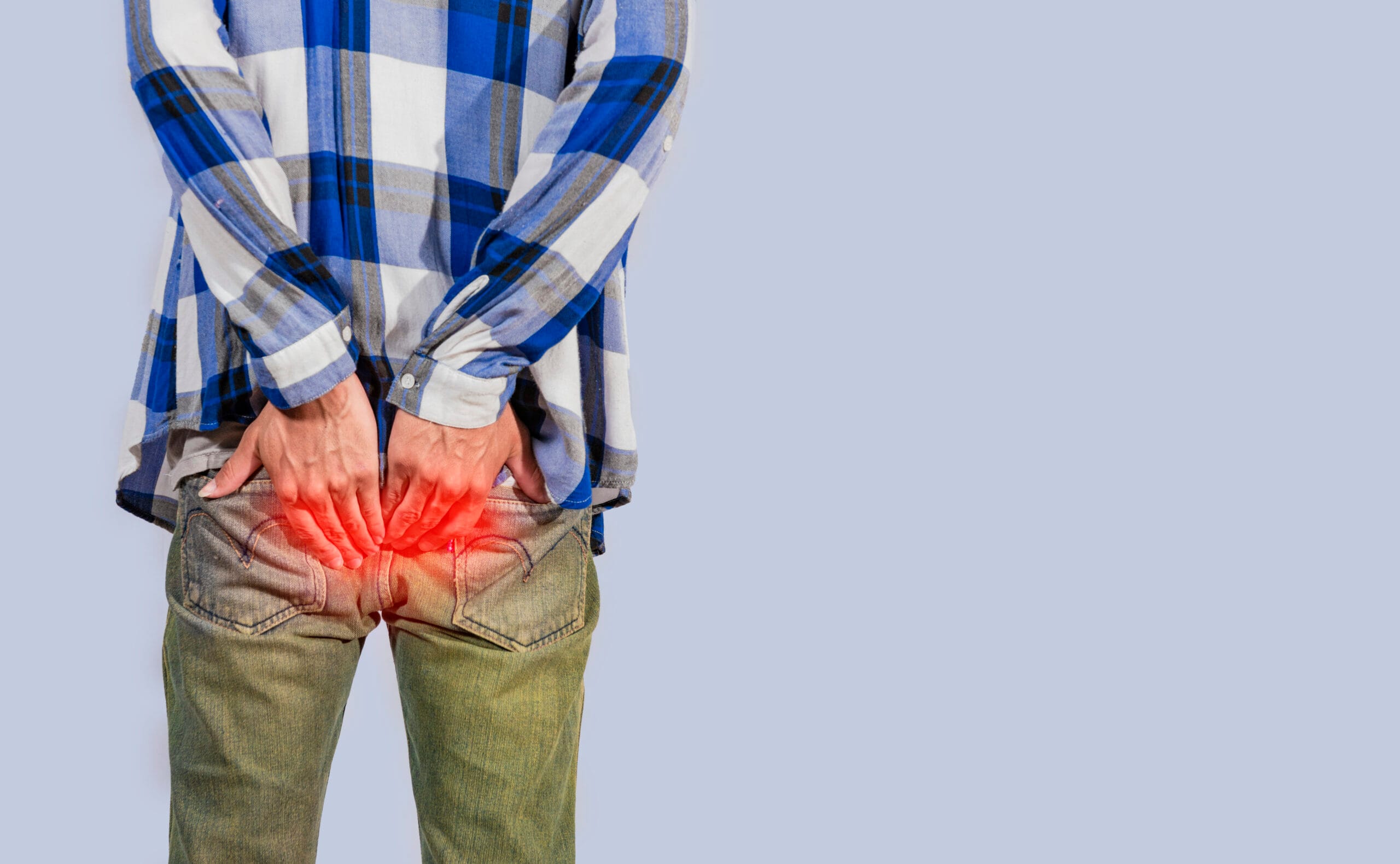
The initial symptoms of hemorrhoids typically present as itching, minor aches, and bright red bleeding, often accompanied by a feeling of swelling or a small lump in the anal area following defecation. These common symptoms can flare with straining, hard stool, or prolonged sitting, leading to significant discomfort that interrupts daily activities.
1. The Itch
Persistent itch around the anus is common with external hemorrhoids. Moist skin, sweat, or residue after stool can trap irritants and make the itch worse. Wiping hard or often can strip the skin and prolong the problem.
The itch may intensify following a bowel movement or an extended car ride. Scratching may be satisfying, but it can break skin, increase infection risk, and contribute to swelling.
If the itch lingers for days, look out for other symptoms like pain, a little lump, or bright red bleeding. Simple first aid can soothe symptoms quickly.
2. The Spot
Little bright red dots on toilet paper, or on the stool, or in the bowl indicate bleeding hemorrhoids. This bleeding is usually painless and is associated with internal hemorrhoids, particularly following straining or hard stools.
Keep tabs on the frequency and volume of blood. A few streaks on occasion seem to be early hemorrhoids. Any larger volumes, dark or mixed-in blood, dizziness, or continual bleeding should get prompt medical review to rule out other causes.
3. The Feeling
A feeling of fullness, pressure, or a dull ache during or following a bowel movement is common. Others feel like something is ‘stuck’ or bulging out that can indicate prolapse. Mild pain or burning may appear when you sit, walk, or exercise.
At first, you might just notice the area more with no obvious lump. Discomfort may be fleeting or may linger and disrupt your schedule.
4. The Lump
A soft or firm bump at the anal edge can be an external hemorrhoid. If it is bluish and very tender, it may be thrombosed. Size can change throughout the day and with activity.
Be alert to changes in color, size, or pain. Rapid swelling, intense pain, or rapid change needs medical attention.
Internal Versus External Signs
Both types of hemorrhoids share swollen veins, but where they begin transforms the common symptoms you observe, experience, and face.
| Feature | Internal hemorrhoids | External hemorrhoids |
| Usual pain | Typically painless | Often painful or tender |
| Early sign | Bright red, painless bleeding on stool or paper | Painful swelling or a hard lump at the anal edge |
| Other symptoms | Mucus discharge; fullness or pressure; prolapse with strain | Itching, burning, irritation; skin tags may follow |
| Complications | Prolapse; rare thrombosis; irritation from mucus | Thrombosis (blood clot) common cause of sharp pain |
| Care path | May need office therapy (e.g., rubber band ligation) | Clot removal or pain relief if severe or persistent |
Internal Signs That Indicate
Painless rectal bleeding is the most frequent early sign. You might notice bright red streaks on your toilet paper or on the surface of your stool with no pain during the bowel movement.
Prolapsing tissue can bulge out with strain, then recede on its own. If it remains out, it might feel like a mushy, wet lump that can throb or cause chafing on the skin.
Your mucus can make things damp and itchy. Some experience a gnawing feeling of fullness or that they didn’t finish after a bowel movement.
Pain is rare unless the prolapsed tissue becomes incarcerated or thrombosed. When this occurs, pain intensifies, and medical is necessary.
Internal hemorrhoids are more likely to need procedures such as rubber band ligation to stop blood flow when bleeding or prolapse persists.
External Sign Of Hemorrhoids
You may spot a tender, bluish lump at the rim of the anus. Swelling can rise fast after strain or heavy lifting, and it makes cleaning hard.
A sharp, intense pain usually indicates a clot in the hemorrhoid. The lump is hard, painful to touch, and sitting can be difficult.
Persistent itch or rash can ensue from moisture and friction. Some skin tags might stick around once the clot disappears.
Simple activities such as sitting, long walks, or even wiping can sting. If pain remains elevated, a rapid intervention to disrupt the clot can assist, or focused pain treatment options may suffice.
Why Do These Signs Appear
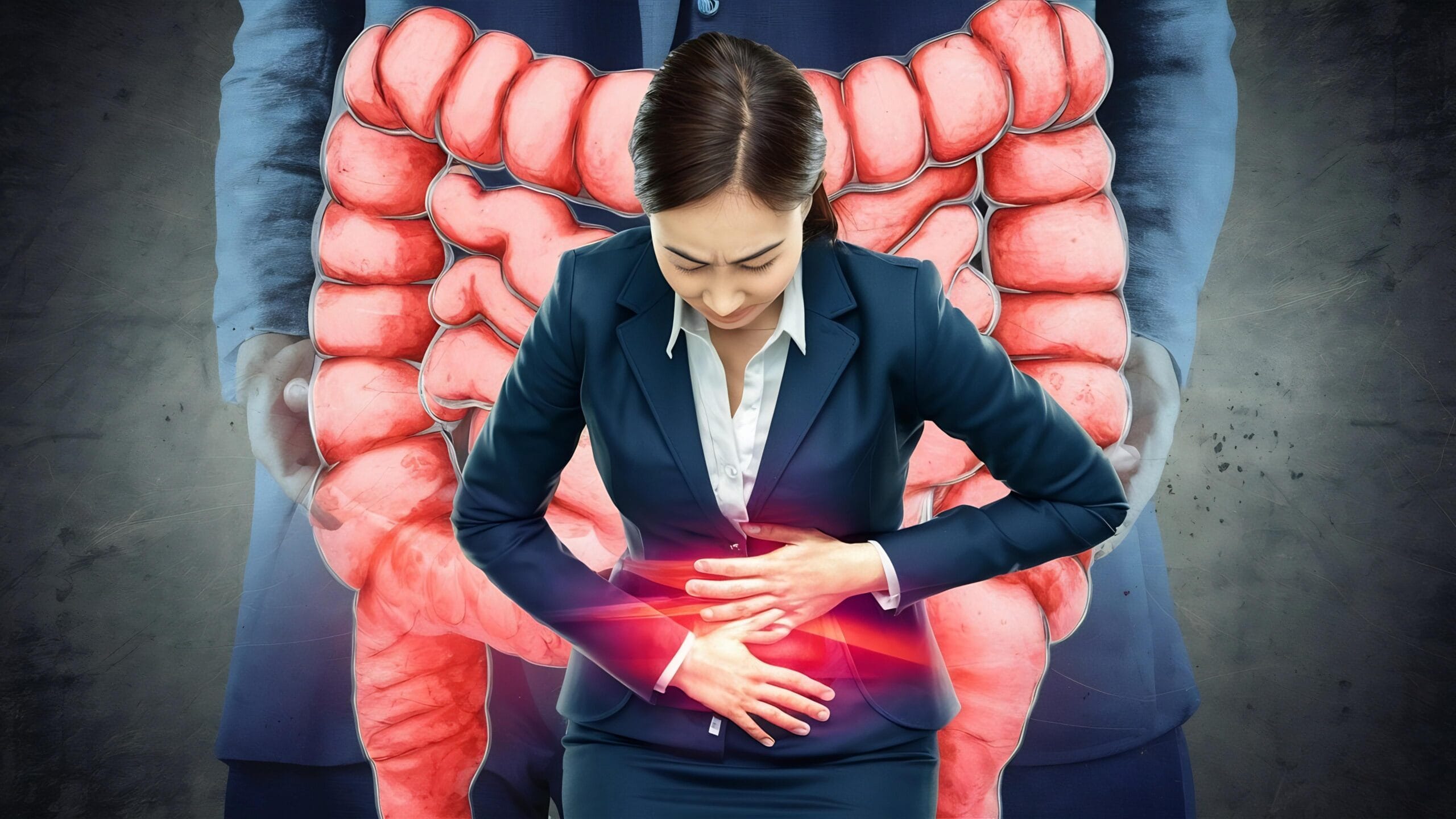
Hemorrhoid signs start when pressure builds in the rectal veins. Veins swell, blood pools, and fragile tissue stretches. Both internal and external hemorrhoids share this same vascular strain, so early signs, such as bleeding, itching, and tenderness, look alike.
Straining during bowel movements is the main driver. Aging weakens connective tissue in the anal canal, so veins lose support and bulge more easily. Flares can last 10 to 14 days, then settle and recur if triggers stay.
Pressure Points
- Pregnancy causes increased blood volume and pelvic pressure that distend rectal veins.
- Obesity raises intra‑abdominal pressure that pushes on the anal vessels.
- Long sitting compresses the perianal tissue and slows venous return.
- Heavy lifts, such as moving boxes, cause spikes in abdominal pressure and strain.
- Ferocious breath-holding workouts, such as maximum lifts and sprints, add sudden load.
- Chronic cough or long sneeze fits transmit force to the pelvic veins.
Lifestyle Triggers
- Bathroom habits: Delaying the urge dries stool, makes it hard, and leads to straining. Long sitting on the toilet adds pressure. Reading on a phone makes you think that time isn’t passing.
- Hydration: Low fluid intake thickens stool. Target a minimum of eight glasses, roughly 2 liters, daily to ease constipation and minimize bleeding or itching.
- Medications: Some diuretics increase fluid loss and dry stools. Chronic use of stimulant laxatives can cause irregular bowel patterns that swing from loose to hard stool, which in turn triggers straining and irritation.
Early home treatments can ease common signs of hemorrhoids in approximately one week, but persistent discomfort or worsening bleeding may indicate a need for medical care.
Dietary Influence
| Recommendation | Effect on symptoms | Practical notes |
| Boost fiber to about 30 g/day | Softens stool; less strain; fewer flares | Use fruits, vegetables, and whole grains; add gradually |
| Add water (≥2 liters/day) | Improves stool form; reduces bleeding | Space intake across the day |
| Use fiber supplements | Less pain and bleeding | Psyllium or methylcellulose; start low, increase slowly |
| Limit processed foods | Lowers constipation risk | Cut refined snacks, cured meats, and instant noodles |
Track daily fiber intake and increase it by 3 to 5 grams every few days, ensuring adequate fluids to ease discomfort. Early interventions can reduce internal and external hemorrhoid flare-ups and promote consistent bowel habits.
Misinterpreting Your Body’s Signals
It’s easy to overlook early hemorrhoid symptoms or mistake them for something else. A mild itch, swelling, blood streaks, or ache during bowel movements may appear trivial, but underestimating these signs postpones treatment and endangers severe pain or bleeding.
Some hemorrhoids don’t hurt, so we minimize them or assume they’ll go away. A diet low in fiber, not enough water, and long sitting increase the risk for hemorrhoids, but many brush these off. Stigma, too, silences symptoms.
Record what you experience, when it began, and what aggravates it. Use a checklist and track changes over time for transparent coexistence.
Checklist for care: bleeding on or in stool, pain that wakes you, new lump or swelling at the anus, symptoms lasting beyond 7 to 10 days, dark, tar-like stool, weight loss, fever, or fatigue, change in bowel habit, age over 40 with first-time bleeding, family history of colorectal disease, or prior inflammatory bowel disease.
Not Just Hemorrhoids
Rectal bleeding, pain, or a lump may indicate more than hemorrhoids. Where, when, and what causes the pain are important, as are stool color and pattern. A thrombosed lump hurts a lot.
Internal hemorrhoids may bleed, but do not hurt. When symptoms linger, get checked to eliminate other causes. Differentiating benign disease from serious disease early helps to prevent missed diagnoses and delayed treatment.
The Self-Diagnosis Trap
Depending on forums or quick hit posts is a danger of false reassurance. Pictures and stories miss major context, like age, background, and warning signs.
Common mistakes include assuming all bright red blood is hemorrhoids, disregarding black stool, downplaying intense pain as ‘typical’, and attributing mucus or weight loss to stress. Yet another error is halting fiber and water when symptoms subside.
Use a symptom checklist to sort patterns: bleeding type, pain level, lump changes, bowel habit shifts, triggers, and duration. Share it with a practitioner.
Home care can comfort but conceal a bad decision. If symptoms progress or recur, get evaluated quickly.
When To Seek Medical Advice To Prevent Hemorrhoids
Early signs of hemorrhoids can be mild, but certain symptoms need urgent attention to test for other causes and prevent complications.
Seek Help For Recurring Rectal Bleeding
If bleeding doesn’t stop, it needs urgent assistance, particularly if your toilet water runs red or you pass big clots. Dark or tarry stools can indicate bleeding higher in the gut and are not characteristic of uncomplicated hemorrhoids.
Repeated bright red streaks on tissue, bleeding with the majority of bowel movements, or bleeding that persists after a week of home care, warrant examination. Seek care immediately if you experience lightheadedness, weakness, or shortness of breath with bleeding.
Seek Care For Severe Pain, Swelling
A sudden, hard, very tender lump near the anus can mean a thrombosed external hemorrhoid. Severe pain that is constant, wakes you from sleep, or makes it hard to think or talk points to the same or to another urgent problem like a fissure or abscess.
Swelling with pus, fever, or chills needs immediate attention.
See A Doctor If Symptoms Persist Or Worsen
If itching, bleeding during bowel movements, or swelling does not improve after 7 days of home care, such as more fiber, fluids, brief sitz baths, and short-term topical relief, book a visit. Frequent flare-ups or a return of symptoms soon after they calm down deserve an evaluation.
Any new or odd change around the anus, like a skin growth, new discharge, or a sore that will not heal, should be checked. Pus leaking from the area is an emergency sign.
Assess Family Cancer History Or Weight Loss
Blood in stool may be due to more than one factor. If you have a family history of colorectal cancer, polyps, or inflammatory bowel disease, or if you experience unintentional weight loss, a change in bowel habits, or abdominal pain, don’t just assume you have hemorrhoids.
A clinician can give you guidance on stool tests, exams, or a colonoscopy.
Proactive Prevention Strategies
Prevention targets the triggers behind the first signs of hemorrhoids, such as hard stools and strain, which can lead to swollen veins and significant discomfort in the anal area.
Eat Fiber, Drink Water For Softness
Target 25 to 35 grams of fiber per day from foods such as oats, lentils, beans, chia, berries, pears, and leafy greens. Combine insoluble fiber, which includes whole grains and skins of fruits, to provide bulk with soluble fiber, such as oats and psyllium, to retain water and soften stool.
Add fiber gradually over one to two weeks to minimize gas. Drink six to eight glasses of water or other fluids each day so fiber can do its job. Fluids help keep stool soft and on the move. A simple plan is porridge with berries in the morning, a bean or lentil soup at lunch, a leafy salad and brown rice at dinner, plus fruit and nuts as snacks.
Follow Healthy Bathroom Habits: Respond Promptly
Go when you feel the urge to prevent hard, dry stool. Limit toilet time to less than 5 to 10 minutes to reduce strain. Don’t read or scroll on your phone.
Feet planted squarely on the floor, a small footstool can help lift the knees and facilitate translation. Don’t push hard. Exhale and let the pelvic floor relax.
Exercise Regularly To Reduce Rectal Pressure
Engage in a minimum of 30 minutes of moderate physical activity on most days, such as brisk walking, cycling, swimming, or light jogging. Exercise promotes normal bowel rhythm and prevents constipation.
If you’re sitting for long hours, stand and walk for 5 minutes every hour. Include some light core and hip work to enhance your posture and stomach support.
Use Fiber Or Stool Softeners Prevent Constipation
If diet fails, add psyllium, methylcellulose, or wheat dextrin. Begin low, then titrate. Consume eight glasses of fluid a day with supplements.
In the meantime, stool softeners will help make passage easier without straining. Taking a warm bath or sitz bath for 10 to 20 minutes multiple times throughout the day can soothe the irritation and lower your pain.
Kegel exercises stabilize the pelvic floor and support the rectal veins.
Conclusion
Early signs show up fast. Itch near the anus. Small streaks of bright red blood on toilet paper. A lump that feels sore after a hard stool. A need to wipe a lot. Mild leak or damp skin. These signs often link to strain, long sits, or low fiber.
To slash flare risk, create an easy plan. Increase your fiber intake by 25 to 30 grams per day. Consume 2 liters of water. Be active every day. Use a soft stool. Restrict phone use while on the toilet. Take warm baths for 10 to 15 minutes.
Visit a physician if discomfort persists, bleeding continues, or a bulge develops. Sharp pain or dark blood requires prompt attention.
Need assistance to figure next steps. Tell us your signs, your habits, and your aspirations.
FAQ
What are the first signs of hemorrhoids?
Minor bleeding on the toilet paper, itchiness, irritation, a sense of fullness, and pain during defecation are typical first indications of hemorrhoids. You might experience tiny sprinklings of bright red blood, especially with external hemorrhoids or thrombosed hemorrhoids, which often cause significant discomfort.
How do internal hemorrhoid signs differ from external ones?
Internal hemorrhoids often cause painless bleeding and a feeling of incomplete emptying, while external hemorrhoids can lead to significant discomfort, itching, and swelling in the anal region, sometimes indicating a thrombosed hemorrhoid.
Why do these signs appear?
Straining, hard stools, pregnancy, sitting for extended periods, and chronic coughing all increase the pressure in your rectal veins, which can lead to conditions such as internal hemorrhoids and external hemorrhoids. This pressure results in swollen veins, inflammation, and irritation, causing bleeding, itching, and significant discomfort. Low fiber and dehydration worsen common symptoms.
Can hemorrhoid symptoms be mistaken for something else?
Yes. Anal fissures, external hemorrhoids, polyps, inflammatory bowel disease, and colorectal cancer can mimic bleeding or pain. Do not self-diagnose if symptoms are new, persistent, or worsening; a medical evaluation ensures the right diagnosis and timely hemorrhoid treatment.
When should I see a doctor?
Seek medical help if you experience heavy or recurrent bleeding, severe pain, or a lump that doesn’t go away, especially if you notice dark or mixed-colored blood in your stool. These could be signs of hemorrhoids or other serious conditions requiring urgent care from a healthcare professional.
What helps prevent early hemorrhoid symptoms?
Consume 25 to 35 grams of fiber per day, stay hydrated, and avoid straining to prevent hemorrhoid flare-ups. Don’t sit on the toilet for extended periods, and exercise regularly. Act on the defecation impulse, and consider warm baths to ease discomfort.
Which at-home treatments work for mild symptoms?
Warm sitz baths, gentle cleansing, and alcohol-free moist wipes can help ease discomfort caused by hemorrhoids. Additionally, short courses of OTC hydrocortisone creams and oral pain relievers may provide relief. Increasing fiber and fluids is also essential. If there is no improvement in 7 to 10 days, consult a doctor for further hemorrhoid treatment.

 Victor2124 says:
 Ava2708 says:
 Jasper641 says: