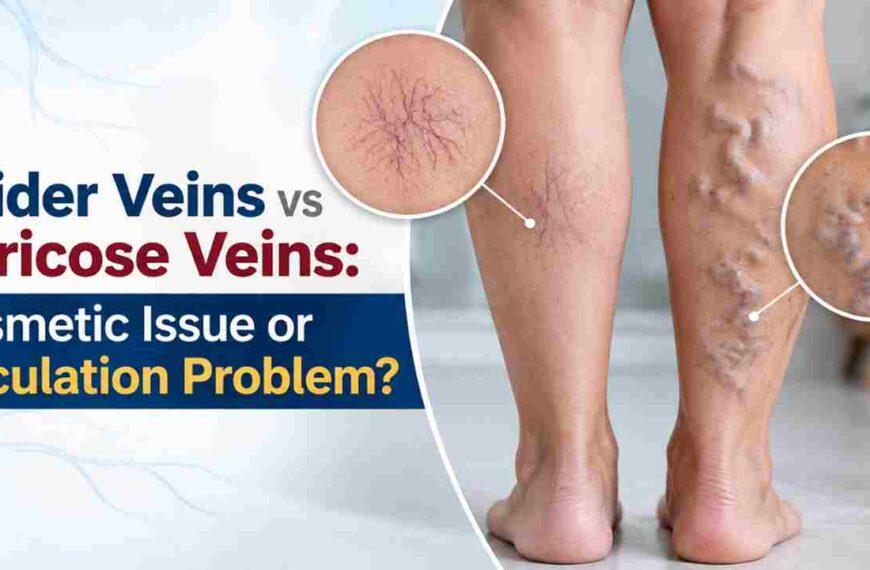
The stages of hemorrhoids are four grades that explain how far enlarged veins in your lower rectum have extended and how they behave.
You have a grade I inside the rectum with mild bleeding.
Grade II can bulge with strain, but pulls back on its own.
Grade III protrudes and requires a manual reduction.
Grade IV hangs out and stings or strangles.
You receive symptoms, treatments, and treatment steps next, with easy navigation for each grade.
Key Takeaways
- There are four stages of internal hemorrhoids, ranging from mild bleeding with no prolapse to permanently prolapsed tissue. Acting in a timely manner helps avoid complications. You’ll want to differentiate internal versus external hemorrhoids by location and symptoms in order to proceed.
- You decrease your risk by minimizing pressure in your pelvic veins. You can reduce straining, skip extended toilet sessions, and keep moving to combat extended sitting.
- You can relieve early-stage pain with additional fiber, additional liquids, warm baths, and good hygiene. You need to monitor bleeding, pain, prolapse, and mucus to detect advancement early.
- You might require medical procedures if symptoms endure, such as rubber band ligation, sclerotherapy, or infrared coagulation. You must go to urgent care for intense pain, persistent bleeding, or irreducible prolapse.
- You gain from precise diagnosis and staging by clinical examination and, as necessary, endoscopy to exclude other sources. You can record symptoms in an easy table to assist with unequivocal staging and follow-up.
- Don’t feel like you’re the only one if hemorrhoids ruin your day! You can talk about concerns with your clinician and explore support groups or counseling for additional coping mechanisms.
Understanding The Hemorrhoid Stages
You face four grades based on how far swollen veins in the anal canal (vascular cushions) protrude and how severe the symptoms are. Internal hemorrhoids begin inside the rectum, while external hemorrhoids, which sit under the skin at the anal opening, tend to itch, swell, or even develop into thrombosed hemorrhoids (clots). Tracking progression helps you act early and avoid invasive procedures.
| Grade | Type/location | Prolapse | Key symptoms |
| 1 | Internal, inside the rectum | None | Painless bright red bleeding, mild itch/irritation |
| 2 | Internal | With bowel movement, it self-retracts | Bleeding, discomfort, dampness, intermittent bulge |
| 3 | Internal | Needs manual reduction | Frequent bleeding, mucus, swelling, hygiene issues |
| 4 | Internal + external | Constant, non-reducible | Severe pain, large lumps, ulceration, thrombosis |
- First Stage
You’ve got internal hemorrhoids that never climb out. You could notice red blood on paper or in the bowl, experience slight post-stool irritation, but without an external lump. Swelling is contained, and there is no prolapse.
Hygiene helps: rinse with warm water, pat dry, avoid harsh wipes. Shoot 25 to 35 grams of fiber per day from oats, beans, fruit, and seeds, plus 1.5 to 2 liters of water. Walk daily and don’t strain.
If bleeding lasts longer than two weeks or intensifies, schedule a check-up to exclude other sources and avoid advancement.
2. Second Stage
These internal hemorrhoids fall out with a bowel movement and then go back in on their own. You’ll experience increased bleeding, moistness, or irritation.
Begin fiber supplements (psyllium), warm sitz baths, and temporary topical creams. Monitor stool consistency and aim for soft, formed stools and bowel movements to minimize straining.
If symptoms continue to recur, your clinician may recommend rubber band ligation or sclerotherapy.
3. Third Stage
Prolapse remains out after stool and requires your hand to push it back in. Prepare for swelling, mucus discharges, and near continuous bleeding that can interfere with hygiene and work.
Office treatments are often needed: rubber band ligation, sclerotherapy, or infrared coagulation. Delays increase risks, including thrombosed hemorrhoids, skin breakdown, and anemia.
Get care early.
4. Fourth Stage
Permanent prolapse that you can’t push back in often with huge external ‘piles’, intense swelling, potentially ulceration, and/or clots. Pain can be continuous, sitting is difficult, and bleeding can be common.
The risk of infection increases. Surgery is common, including hemorrhoidectomy or stapled procedures, chosen by your surgeon based on findings.
Red flags to watch for include unwavering bleeding, temperature, severe pain, or tissue damage.
Recognizing The Transition Signals
You need a tangible read on when piles shift from mild to a bit more serious. Early into it, signs can be fuzzy. Knowing what changes to track lets you move quickly and reduce exposure. They extend from stage 1 (internal, no prolapse) all the way to stage 4 (prolapsed with high inflammation).
Be on the lookout for changes in both your body and your tension, as aches and unease tend to escalate as symptoms advance.
- Bleeding that becomes heavy, bright red, or continues past a couple of days.
- A lump at the anus that appears during bowel movements is called a prolapse.
- Pain that begins to linger after stools, not just during.
- That’s not to say the symptoms are exactly the same.
- Mucus staining in underwear or on toilet paper.
- Trouble cleaning after stools or a sense of dampness.
- A sensation that you have to defecate more is known as tenesmus.
- Abdominal swelling that increases in size or does not spontaneously retract.
- Fresh or escalating concern that intrudes on routine work or sleep.
Monitor color, amount, and frequency of rectal bleeding. Be aware if blood is bright red, streaked through the stool, or drips into the bowl. Notice if bleeding now occurs with the majority of bowel movements or occurs in between them. Identify the transition signs.
These shifts tend to emphasize a transition from stage 1 to stage 2 or higher. Write down any anal lumps, mucus discharge, or bowel movements. Say if a lump goes back on its own (stage 2), needs a gentle push (stage 3), or stays out (stage 4).
Log pain scores from 0 to 10, itch level, bowel strain, time on the toilet, stool form using a simple scale from 1 to 7, and any leak.
Build a simple table to track patterns and triggers for a faster diagnosis:
- Columns: Date, Symptoms, Stool Form, Bleed Amount, Pain Score, Triggers (Spicy Food, Low Fiber, Long Sit), Aids Tried, Result.
Review weekly to spot trends and show your clinician.

What Fuels The Progression?
What generates the momentum? Chronic constipation, straining, and prolonged sitting propel blood into hemorrhoidal cushions, leading to both internal hemorrhoids and external hemorrhoids. These early steps, diet, movement, and symptom checks, prevent serious conditions like prolapse and rectal bleeding.
Lifestyle Factors
Sitting for too long can contribute to the development of hemorrhoids, as it decelerates blood circulation in the rectal plexus, leading to engorged tissue over time. Prolonged sitting erodes muscle tone and slows gut motility, causing stools to linger and harden. If you work at a desk, make it a habit to stand and walk for a few minutes every hour to promote healthy circulation and prevent the formation of external hemorrhoids.
Bad toilet habits can exacerbate the severity of hemorrhoids. Straining increases venous pressure suddenly, and extended phone-scrolling marathons on the pot add unnecessary time under pressure. A simple rule to follow is to stop when the urge fades and try later to avoid complications like thrombosed hemorrhoids.
Incorporating warm sitz baths and proper hygiene can help reduce inflammation and flare-ups. Mini habits, such as a quick 20 to 30-minute walk and pelvic floor exercises, can significantly alleviate symptoms. If chronic coughing occurs, seek medical intervention, as every cough raises pressure in the anal area.
Dietary Habits
Low fiber and low water lead to hard, dry stools that require pushing to get out. That force fuels the cycle: more strain, more swelling, more symptoms. Boost daily fibre with foods and OTCs such as psyllium, methylcellulose (Citrucel), or wheat dextrin.
Most do fine at 25 to 35 grams of fibre per day, scaled up over one to two weeks to reduce gas. Drink enough water so urine is pale yellow. Ditch processed snacks and ultra-refined grains. Put an emphasis on fruits, vegetables, legumes, nuts, and whole grains.
Maintain consistent meal times to teach your gut’s clock.
Genetic Predisposition
- Family history of hemorrhoids
- Inherited connective tissue laxity
- Venous wall fragility or valve issues
- Higher risk with aging, even with healthy habits
Tissue that stretches more easily allows vascular pillows to bulge sooner under increased pressure. You can still develop external hemorrhoids despite a good diet and exercise. If you have a close family connection, be on the lookout for symptoms like bleeding, itching, or prolapse and seek early hemorrhoid treatment.
How Doctors Confirm The Stage
Fortunately, doctors know how to stage it so care matches the problem. They classify them as grades 1 through 4. This is based on both how far they prolapse (slip out) and symptom load.
Stage 1 doesn’t show any swelling externally, and it’s mildly serious. Stage 2 prolapses with straining or a bowel movement but reduces on its own. Stage 3 remains, and you might have to push it back. Stage 4 is out with significant swelling and inflamed skin surrounding it.
How bad the prolapse is and what your symptoms are determine the stage, and that drives the plan, from self-care to office work to surgery.
Diagnostic Methods And What They’re For
| Method | What it checks | Why it matters |
| History and symptom review | Bleeding, pain, itch, seep, lumps, bowel habits, diet, strain | Links symptoms to stage and triggers |
| Visual exam | Skin tags, fissures, and thrombosed external lumps | Rules in/out external disease |
| Digital rectal exam | Tone, masses, tenderness, internal swell | Screens for other causes, and maps the extent |
| Anoscopy (short scope) | Directly look at internal hemorrhoids while you bear down | Shows prolapse grade 1–4 in real time |
| Proctoscopy/sigmoidoscopy | Lumen up to the distal colon | Checks bleeding source beyond the anus |
| Colonoscopy/endoscopy | Full colon view | Rules out polyps, cancer, and colitis when bleeding is unclear, or you have risk factors |
Colonoscopy or endoscopy might be ordered to exclude other anorectal or colorectal pathology. This is particularly relevant in the presence of anemia, weight loss, a family history of colorectal cancer, or if you’re due for screening based on age.
Stage 1 to 2 usually responds well to fiber (25 to 30 grams per day), fluids, decreased straining, and brief courses of topical treatment.
Stage 2 with continuous bleeding or seep may require banding. Stage 3 usually requires banding or a procedure such as Doppler-guided ligation. Stage 4, or severe pain, strangulation, or high swelling, normally requires an operation.
Record what you observe so you and your doctor can monitor change. A simple table works: date, symptoms, prolapse grade, bleed level, procedures, response.
Defined notes also assist in determining if a care switch is due and maintain consistency in staging across visits.
Tailoring Treatment To The Stage
You achieve optimal outcomes when treatment fits the stage of hemorrhoids and symptom burden. Early stages 1 to 2 usually respond to diet and habits. Stages 3 to 4 may require interventions under anesthesia.
The objectives are symptom relief and complication prevention, with plans tailored to your history and response to previous care. Follow up to check progress and adjust.
- Stage 1–2: fiber, fluids, stool-softening plans, sitz baths, topical agents, and short courses of over-the-counter drugs.
- Stage 2 with frequent flare-ups: Add guided pelvic floor and toilet habit changes. Consider office procedures if symptoms persist.
- Stage 3–4: Minimally invasive or surgical therapies for prolapse, bleeding, or pain that do not settle.
- Any stage: Review medications that raise constipation risk, track triggers, and schedule reassessment.

Early Stages
Start with home steps that cut pain and itch: warm sitz baths for 10 to 15 minutes, 2 to 3 times daily, petroleum or zinc oxide barrier, and short-term local anesthetic or hydrocortisone for flares. Take OTC oral pain relief as necessary.
Increase fiber to 25 to 35 grams per day with whole grains, legumes, fruit, and vegetables. Personalize treatment to the stage.
Drink 1.5 to 2.5 liters of water per day unless restricted. A psyllium or methylcellulose supplement aids in keeping stools soft.
Remember to maintain cleanliness with lukewarm water and gently pat dry. Avoid abrasive soaps, perfumed wipes, or coarse toilet paper. Minimize time on the toilet and never strain.
Watch for red flags: more bleeding, new lumps, severe pain, or prolapse that does not reduce. Early treatment is more successful and less painful.
Advanced Stages
When conservative steps fail, office procedures can help. Rubber band ligation is effective for internal grade 2 to 3. Sclerotherapy works for small internal hemorrhoids or anticoagulated patients. Infrared coagulation is suitable for select grade 1 to 2 bleeders.
Seek medical care for persistent bleeding, prolapse, thrombosis, or anemia. Short courses of prescription topical steroids, nifedipine or nitroglycerin ointment, and oral analgesics may relieve pain and swelling.
Prompt diagnosis limits infection, ulceration, and tissue damage.
Surgical Options
- Excisional hemorrhoidectomy (open or closed) for large grade 3 to 4 or combined disease.
- Stapled hemorrhoidopexy for circumferential prolapse (internal disease).
- Tailoring treatment to the stage THD or HAL for selected two to three patients to reduce blood flow.
- Thrombectomy for acute external thrombosis (best within 72 hours).
A thrombosed or full-thickness prolapse may require emergency excision under anesthesia. Newer alternatives such as THD and artery ligation can reduce pain and hasten return to work in certain patients.
Maintain a handy chart that summarizes each technique, anesthesia requirements, average recovery, complications (bleeding, retention, recurrence), and best indications. Bring it in to go over options and schedule a follow-up at 2 to 6 weeks to evaluate outcomes and next actions.
The Emotional And Mental Impact
Hemorrhoid stages can influence how you live, behave, and manage daily, beyond just physical symptoms like inflammation and rectal bleeding.
Ease Stress, Anxiety, And Embarrassment From Hemorrhoids
You might be anxious about flare-ups, stains, or smell. Itching, swelling, and bleeding can interrupt your concentration and your rest, which increases stress and decreases your tolerance.
Embarrassed about visible pads, wipes, or bathroom breaks, you may be tempted to conceal the issue, postpone treatment, or avoid social engagements. Others are terrified of exams or procedures, even if they’re low-risk and quick.
While these reactions are understandable and valid, they can prolong symptoms and diminish your desire to pursue timely assistance.
Acknowledge Daily Pain, Hygiene, Mental Health Impacts
Constant pain or discomfort can drain you and increase frustration. Worry about clean-up can cause excess washing, which can dry or crack skin and intensify itch.
The combination of pain and sleep deprivation can induce or exacerbate anxiety and depression. Studies associate hemorrhoids with mental illness, depression, and bipolar disorder.
Distress can change habits; some move less, gain weight, or change diet in unhelpful ways. Depression can increase the risk of eating disorders and decrease activity, both of which can decelerate gut transit and harden stools.
Encourage Support Groups Or Counseling For Coping
Peer groups–online or local–normalize your experience, share tips on stool softening, sitz baths, and skin care, and reduce shame.
Counseling provides strategies for pain management, urge timing, and fear of defecation that can result in constipation or stool withholding. Short, structured therapies, like CBT, help you reset routines, improve sleep, and track triggers.
Promote Honest Talks With Providers About Well-being
Tell your clinician if symptoms disrupt work, sex, travel, or play. Ask about pain plans, diet targets such as fiber and fluids, and movement goals.
Request screening for anxiety or depression and referrals when needed. Education, stress control, and root-cause care can ease both body and mind.
Conclusion
You recognize the symptoms by now. You’re aware of what each stage looks like, how it feels, and how it fluctuates from day to day. You know what accelerates it and what decelerates it. Little tweaks go a long way. Consider more fiber, more water, and consistent activity. Keep a record of your pain, itch, and any bleeding. Notice what causes it to increase. That log assists your physician in establishing the proper plan quickly.
To be on the ball, outline stages. For example, increase fiber intake by 10 grams per day, hydrate with 2 liters, and walk for 30 minutes. Soak in warm sitz baths after bowel movements. If you strain, give a stool softener a try. If you notice a bulge, bleeding, or intense pain, make an appointment within the week.
Need backup? Contact me with your mission, your phase, and next action.
FAQ
What are the four stages of hemorrhoids?
Stage I: internal hemorrhoids, no prolapse. Stage II: prolapse with straining, then retract. Stage III: prolapse needing manual push back. Stage IV: permanently prolapsed, cannot push back. Each stage requires different hemorrhoid treatment options. Premature treatment prevents complications.
How can you tell your hemorrhoids are getting worse?
Be alert for increased bleeding, bigger lumps, such as external hemorrhoids, pain, mucus, or tissue popping out that won’t retract. If you have to push them back in, then it’s probably Stage III. If they stay out, it’s Stage IV. Visit a healthcare provider without delay.
What triggers hemorrhoid progression?
Constipation, straining, low-fiber diet, prolonged sitting, heavy lifting, pregnancy, and obesity contribute to the development of hemorrhoids. Chronic diarrhea and aging tissues also play a role. Fixing fiber, fluids, and toilet habits can help arrest progression and minimize discomfort.
How do doctors confirm the stage?
During the physical examination, healthcare providers take your history, examine the anus, and may use anoscopy to identify internal hemorrhoids. They assess for symptoms like prolapse, bleeding, and pain, and if necessary, they order sigmoidoscopy or colonoscopy to rule out other serious conditions.
Which treatments match each stage?
For stages I–II of hemorrhoids, effective treatment options include fiber, fluids, topical creams, sitz baths, and rubber band ligation. In stage III, if symptoms persist, rubber band ligation or more invasive procedures like hemorrhoidectomy may be necessary.
When should you see a doctor urgently?
If you experience heavy bleeding, severe pain, fever, or a hard, very painful lump indicative of a possible thrombosed hemorrhoid, seek medical intervention. It’s crucial to get treated if symptoms persist beyond a week despite home remedies, especially if you’re over 45 with new rectal bleeding.
Can lifestyle changes reverse the early stages?
Increased fiber intake of 25 to 30 grams daily, along with hydration, can help alleviate symptoms of hemorrhoids and prevent worsening conditions. Avoiding prolonged sitting on the toilet and not straining during bowel movements, along with regular exercise, are effective measures to minimize swelling and bleeding, potentially avoiding invasive hemorrhoid treatments.

 Shawn3574 says:
 Victor3776 says:
 Gloria2084 says:
 Alyssa1208 says:
 Anderson4267 says: