That’s right, sitting too much causes hemorrhoids! You apply constant pressure to the veins in your rectum, which may become inflamed and flare up.
Long desk hours, long drives, and low daily movement increase your risk. Bad bathroom habits, too little fiber, and not enough water contribute to the straining.
To mitigate risk, take breaks, add fiber, and stay hydrated. You sit on cushions and don’t strain. The following sections detail each step.
Key Takeaways
- Sitting for a long time increases pressure on your rectal vein and decreases pelvic circulation, which raises your risk for hemorrhoids. Break up sitting every 30 to 60 minutes and avoid hard surfaces where possible.
- Bad posture and weak muscles exacerbate the pressure on the anorectal region. Sit with feet flat, hips slightly raised above knees, and engage pelvic floor and gluteal muscles.
- Toilet habits do matter for prevention. Reduce toilet time, don’t use devices while you’re sitting, and put your feet on a footstool to help smooth your bowel movement.
- Diet and fluids support softer stools and less straining. Go high fiber, add fiber supplements if needed, and drink plenty of water so your urine is pale colored.
- Be aware of early warning signs and symptoms, such as rectal bleeding, itching, pain, swelling, or lumps. Monitor symptoms and consult a doctor if bleeding is heavy, pain is severe, or prolapse occurs.
- A holistic approach reduces risk throughout daily life. Mix movement, good chairs, exercise, gut-friendly foods, and weight control for consistent defense.

The Direct Link Between Sitting And Hemorrhoids Pain
Prolonged sitting raises direct pressure on anal and rectal veins, which can lead to hemorrhoid development and slow pelvic blood flow. While it rarely causes external hemorrhoids directly, it increases the risk and can worsen hemorrhoid symptoms, especially if you strain or sit on hard seats.
1. Increased Pressure
Sitting compresses the venous cushions in your rectum, so blood can’t drain properly. That trapped blood can pool and swell and get painful or itchy. Hard chairs exacerbate this because the contact pressure focuses on the area of the perineum.
Throw in straining during use, which is typical with constipation, and the pressure spike compounds atop baseline sitting load and ignites both internal and external hemorrhoids. Office workers, drivers, and pregnant people experience this pressure cocktail more frequently, and they tend to exercise less, which multiplies risk.
Create a simple table for yourself: compare upright slouch, tall upright, reclined at 100–110 degrees, and perched on the seat edge. Note the pressure felt and symptom variation during the week.
2. Reduced Circulation
Long periods can also restrict blood flow to the rectum and anus, which promotes hemorrhoid formation. Poor flow weakens vein walls over time and raises the chance of a thrombosed hemorrhoid.
Slow flow slows healing, so the irritation persists and flares more frequently. To boost blood flow while seated, stand every 30 to 60 minutes, use a footrest with hips slightly above knees, do calf raises, or take a 2 to 3 minute walk.
3. Muscle Weakness
Sitting excessively stifles your glutes and pelvic floor, so veins lose support. That slack can increase prolapse risk and other anorectal problems.
Hard glutes and a reactive pelvic floor assist you in pooping with less effort. Try brisk walks, bodyweight squats, bridges, side-steps with a band, and gentle pelvic floor squeezes, which include short holds and full relaxation.
4. Poor Posture
Slouching increases rectal pressure and can alter the anorectal angle, causing you to strain more to evacuate stool. Crossing legs or leaning forward can impede blood flow and contribute to additional localized pressure.
Ergonomics that help include seat height so that feet are flat, hips being 2 to 3 centimeters higher than knees, lumbar support, screen at eye level, and sitting on softer, not hard, surfaces.
5. Toilet Sitting
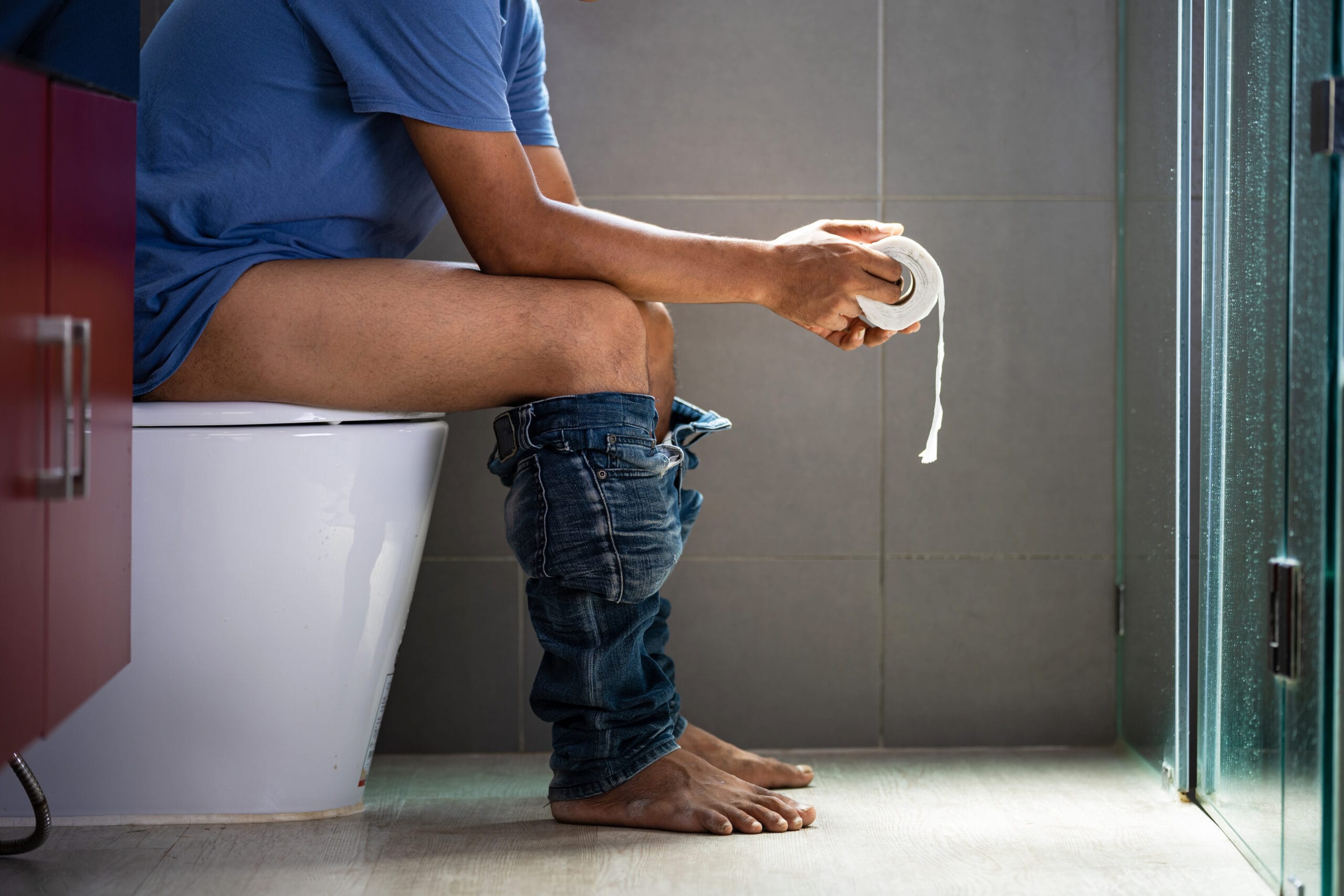
Additional minutes on the porcelain throne increase unnecessary strain. Ten to fifteen minutes is too long. Whether it’s reading or phone usage, it keeps you there, so danger increases.
A toilet seat provides less support than a chair, so pressure is greater. Cut your toilet time, go when you gotta go, and use a squatty potty or footstool to open the angle and reduce strain.
Recognizing The Warning Signs, Symptoms, And Causes
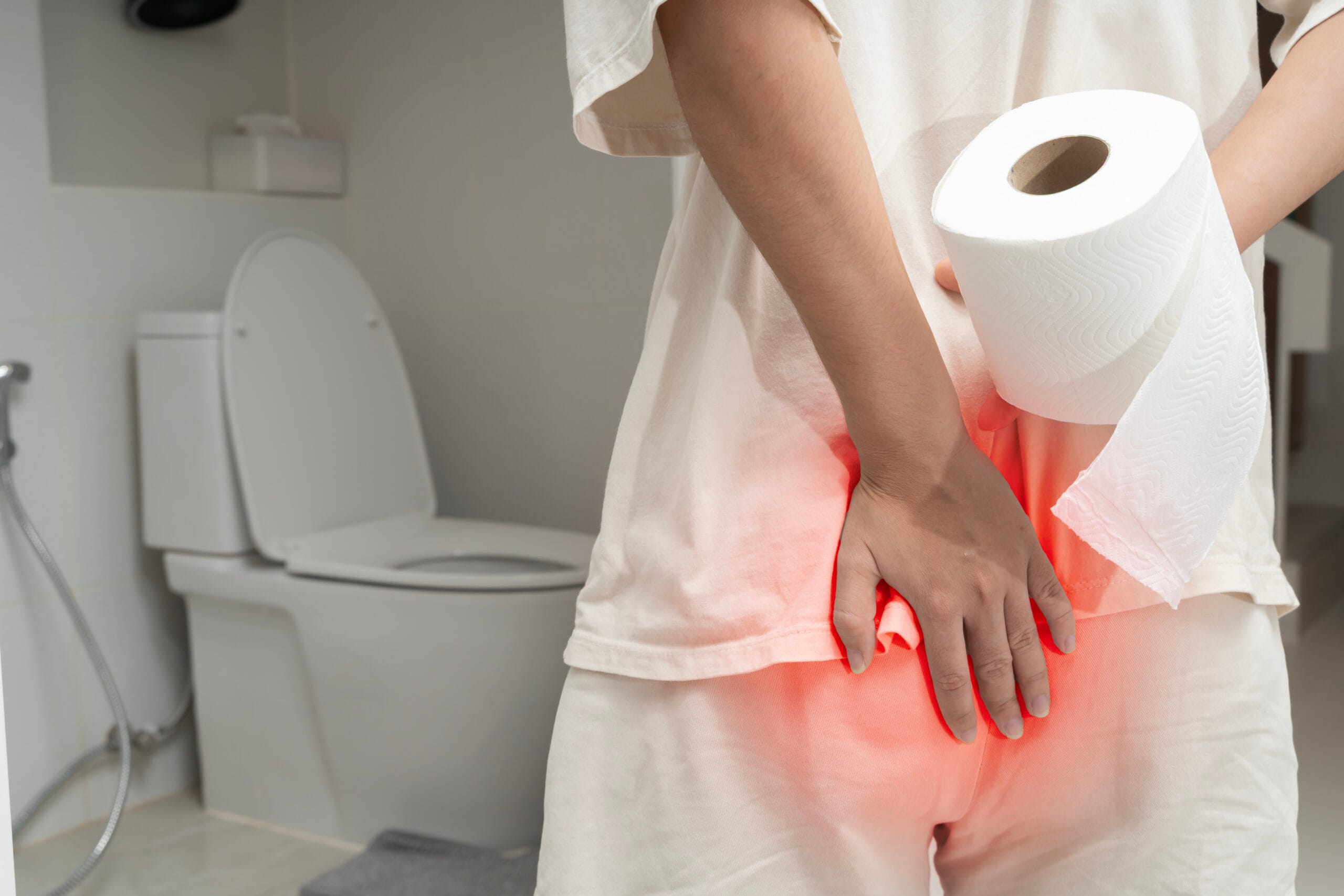
You want to spot hemorrhoids early so you can act fast and avoid complications. Common red flags include bright red blood on toilet paper, itching around the anus, burning during or after bowel movements, and a sense of pressure or fullness.
Lumps, swelling, or pain near the anal opening can point to external hemorrhoids. Ongoing irritation, prolapse, or symptoms that disrupt daily life need medical review. A simple checklist helps: bleeding, itching, pain with sitting or bowel movements, a visible lump, mucus, a feeling you did not finish, and constipation that keeps coming back.
Internal Issues
Internal hemorrhoids may result in painless rectal bleeding. You might notice bright red blood streaking the stool or in the bowl after movement, with no stabbing pain.
They can prolapse, which means tissue slips out of the anus, sometimes during straining or lifting. You might feel soft, moist tissue that goes back on its own or needs gentle pressure.
Watch for mucus discharge and a nagging sense of incomplete evacuation, both linked to irritation from prolapsed tissue. Risk rises if you strain or sit on the toilet for extended periods.
Constipation, low-fiber meals, low fluid intake, and heavy lifting all increase pressure in the lower rectum. Pregnancy, increased body weight, aging, family history, and even a persistent cough also contribute to this pressure.
External Signs
External hemorrhoids show up as visible lumps or swelling at the anal rim. The skin can look bluish or purplish when a clot forms.
Thrombosed hemorrhoids are a red-alert event. You may experience sudden, severe pain, a hard lump the size of a pea or larger, and marked tenderness. You may find it difficult to sit, walk, or have a bowel movement.
Still, even milder cases will leave you itching, with raw skin and soreness when you sit for long stretches, especially if you’re a desk jockey or do a lot of driving.
Track changes in size, color, pain level, bleeding, and how often symptoms flare. If the bleeding, intense pain, or difficulty having a bowel movement continues, visit a healthcare professional. If left untreated, they can cause thrombosis, strangulation, or infection.
Are You At Higher Risk?
The risk of developing hemorrhoids increases if you sit for long periods, strain on the toilet stool, consume too little fiber, become overweight, or age. Specific occupations, health conditions, and everyday decisions can accumulate and contribute to hemorrhoid development. Create a checklist to monitor these risk factors over time.
Your Job
Desk jockeys, file monkeys, receptionists, chauffeurs, and anyone else in boring hours-long meetings sit for extended periods, which reduces blood flow in the rectal veins. That increases hemorrhoid risk. Jobs with heavy lifts, such as warehouse workers, movers, and certain trades, cause abdominal pressure surges that can set off or exacerbate symptoms.
Secretaries and back-to-back meeting attenders should stand frequently, even for just a minute.
- Stand or walk for 5 minutes every 30–45 minutes
- Use a sit–stand desk part of the day
- Take calls while standing or pacing
- Schedule walking one-on-ones or short stretch breaks
- No phone use on the toilet to minimize sitting time.
Your Weight
Additional body weight places more strain on those same pelvic veins, making hemorrhoids more likely and tougher to heal. Pregnancy increases pelvic pressure and can induce constipation, so the risk is increased during the second and third trimesters.
Weight steps that help include steady loss with portion control, more plants and beans, and regular movement. Aim for brisk walks, cycling, or swimming most days.
Keep track of body weight and any changes in rectal bleeding, pain, or itch in a straightforward log so you can connect the dots and tune.
Your Diet
Low fiber causes hard stools and straining, which is a primary precipitating factor. Incorporate oats, whole grains, salads, lentils, berries, pears, and nuts to get to 25 to 35 grams of fiber per day.
Drink enough water so that your urine remains pale because dehydration hardens and slows stools. Plan a high-fiber day: oatmeal with fruit, lentil salad with greens, brown rice, vegetables, beans, and snacks of fruit and nuts.
Your Age
As we get older, supporting tissue weakens, and veins stretch more readily. Digestion sometimes slows down, and constipation is more prevalent.
Stay mobilized with daily walks and light strength wor,k and maintain fiber and fluids. Monitor bowel habits and treat straining early.
Checklist: prolonged sitting, minimal activity, heavy lifting, obesity, pregnancy, low fiber, dehydration, straining, toilet phone taking, and aging.
Beyond The Chair: A Holistic View
You reduce your risk of hemorrhoid development by thinking beyond the duration of sitting. Surfaces, fluid, exercise, and gut habits dictate pressure on rectal veins, stool consistency, and bowel health. Construct a rough checklist and scan your day for easy corrections that accumulate.
Seating Surfaces
Hard seats raise direct pressure on the anus and can flare pain, swelling, and itching. Prolonged sitting for more than 30 to 60 minutes adds a steady load on the rectal veins and raises the risk.
Sit on a soft chair or gel cushion. Donut pillows come in handy when pain is peaking, but others swear by a U-cut coccyx cushion to distribute weight more broadly and prevent sinking in the center. Go with foam, gel, or air cells; each shifts pressure differently and can relieve nerve hot spots.
Experiment with 2 or 3 pads for a week at a time. Monitor pain intensity, tingling, and seated time. If symptoms worsen on a hard bench, immediately swap or supplement with a cushion.
Hydration Levels
You want soft, easy stools; otherwise, you have to strain. Dehydration dries stool, slows transit, and lays the groundwork for constipation and flare-ups.
Shoot for pale, near-clear urine by mid-day and evening. Hydrate every meal and snack. Use a simple tracker on your phone to hit steady intake across the day, not one big gulp.
Exercise Habits
Consistent activity increases circulation and digestive peristalsis. For desk work, short bouts matter.
Walk, stand, stretch. Follow a 20-8-2 cycle: sit 20 minutes, stand 8 minutes, and move for 2 minutes. Throw in pelvic floor squeezes to hold the veins up and tone down straining during bowel movements.
Schedule a weekly routine with power walks, easy cycling, or swimming for 150 minutes a week.
Gut Health
A balanced microbiome contributes to soft stools and regular rhythm. Chronic diarrhea and on-off habits inflame veins.
Shoot for 25 to 35 grams of fiber per day from oats, beans, vegetables, and fruit. Supplement with psyllium if necessary. Incorporate fermented foods or a proven probiotic.
Stay mindful on the toilet. Go when you feel the urge, avoid straining, and keep your feet propped to ease passage.
Proactive Prevention Strategies
You can lower hemorrhoid risk with steady habits: move often, sit with care, eat for soft stools, and keep bowels regular. Identify what works for your body, and then construct a plan you’ll stick to.
- Move every day and break up long sits.
- Set up an ergonomic seat and avoid hard surfaces.
- Eat enough fiber and drink water.
- Be gentle and keep bathroom visits short.
Prevention is achievable with small, repeatable steps aligned to your risks, such as occupation, travel, pregnancy, and constipation history.
Move More
Get up and stretch every 30 to 60 minutes. Use a timer, calendar ping, or wearables app to cue breaks. Even 2 to 3 minutes aids in reducing venous pressure in the rectum.
Walk after meals to stimulate digestion and soften stools. Even a 10 to 15-minute walk will do.
Target at least 30 minutes of moderate activity a day. Walking, swimming, yoga, or cycling all work well. If you sit all day, add light stretches in the evening.
If you manage teams or work remotely, block move slots. Schedule them like meetings so you don’t miss them.
Sit Smarter
Use an ergonomic chair with lower back support. Maintain your back straight and shoulders relaxed to reduce tension.
Adjust chair height so your feet sit flat on the floor and your hips are a bit higher than your knees. Use a footrest if necessary.
Use a soft seat pad or cushion to reduce direct anal pressure. Limit time on hard benches. Avoid long sits on toilet seats. Read elsewhere.
Keep a spare cushion for travel or long commutes.
Eat Better
Aim for 25 to 35 grams of fiber per day from fruits, vegetables, whole grains, and legumes. Hard-core high-fiber eating prevents hemorrhoids and fissures.
If diet isn’t enough, look to nonprescription fiber supplements. Go slow and drink water to prevent gas.
Stay away from processed foods that constipate. Shop with a list: oats, brown rice, lentils, beans, apples, pears, and leafy greens.
Drink at least eight glasses of water a day to avoid straining.
Improve Habits
Go when you need to, don’t hold it in. Establish a consistent slot, typically after breakfast.
Take a footstool or “squatty potty” and open up that anorectal angle. Maintain an erect and upright back. Do not stoop or lean forward.
Restrict your toilet time to just a few minutes. Dab carefully with water, fragrance-free wipes, or soft paper. Warm sitz baths serve to soothe and reduce irritation.
When To Seek Medical Advice
Sitting for extended periods can aggravate external hemorrhoids. The warning signs that warrant treatment are based on symptoms, not just sitting duration. Sooner rather than later is important to avoid troubles and to receive appropriate treatment for hemorrhoid symptoms.
Seek help if you have persistent pain that does not ease with simple steps like warm baths, added fiber of 25 to 35 grams per day, more fluids, and short sitting breaks. Heavy rectal bleeding needs prompt review, especially if you see blood in the toilet, on tissue, or mixed with stool. A prolapsed hemorrhoid that stays out or keeps slipping out during bowel movements needs medical care.
If bleeding occurs during bowel movements or your internal hemorrhoids do not improve after a week of home care, talk with a healthcare professional. See a healthcare provider if home remedies don’t alleviate symptoms within 7 days. This would be, for instance,e if there is no improvement following daily sitz baths, stool softeners, and topical creams, or if the itching and swelling prevent you from sitting or sleeping.
If symptoms persist or get worse, consult a doctor to avoid additional complications. If you’re unsure about symptoms or next steps, a brief consult, either telehealth or in person, can provide you with reassurance and a plan.
Severe symptoms need faster action. Heavy or ongoing bleeding, faintness, or signs of anemia, such as fatigue, shortness of breath, or pale skin, require prompt evaluation. Extreme pain, tense swelling, and marked inflammation near the anus may indicate a thrombosed hemorrhoid.
Blood pools and forms a clot, which often causes sudden, severe pain and a firm, blue or purple lump. Large, hard lumps, fever, pus, or trouble passing stool or gas need urgent care. Book a visit to get a definitive diagnosis and explore alternatives if symptoms are intense or long-lasting.
Your physician might investigate other sources of bleeding, examine medications that increase bleeding risk, and provide treatments including rubber band ligation, sclerotherapy, infrared coagulation, or in select instances, surgery. When hemorrhoids resist home care, medical advice guides you to the best next move.
Conclusion
Extended periods in a chair increase the pressure in your veins. That strain can trigger pain, itch, or bleeding. You know your rhythm. Short breaks, soft wipes, more fiber, and more water reduce flare-ups quickly. A small footstool can be a lifesaver on the toilet. A seat cushion alleviates pressure while at your desk. Ten minutes of brisk steps after every hour of work adds up. For most, that change soothes symptoms within two to four weeks.
Got sharp pain, heavy bleeding, or lumps that won’t subside? Schedule an appointment. A simple exam dispels uncertainty and guides what’s ahead.
To remain on course, select one adjustment now. Say, set a 60-minute move alarm or replace a snack with fruit and yogurt, for instance. Your body will sense the rise.
FAQ
Can sitting too much cause hemorrhoids?
Yes. Extended periods of sitting can cause external hemorrhoids by putting added pressure on your rectal veins, which may irritate or enlarge them. To promote bowel health and enhance blood circulation, stand, walk, or stretch for a few minutes.
What are the early warning signs I should watch for?
Look for symptoms of hemorrhoids, such as rectal itching, burning, mild pain, or bright red blood on toilet paper. You may notice small lumps near the anus, which could indicate external hemorrhoids. If symptoms persist longer than a week or worsen, contact a healthcare professional.
Who is at higher risk from prolonged sitting?
You’re more at risk for developing hemorrhoids if you’re pregnant, obese, or experience chronic constipation. Low-fiber diets, dehydration, and excessive pressure during bowel movements significantly increase the risk of symptomatic hemorrhoids.
How can I prevent hemorrhoids if I sit all day?
Exercise often to promote bowel health and improve blood circulation. Stand or walk for 3 to 5 minutes every 30 to 60 minutes. Consume 25 to 35 grams of fiber per day, drink sufficient water, and avoid straining to prevent hemorrhoid development. Employ a footstool to optimize toilet posture and consider a standing desk with a padded seat for added comfort.
Do cushions or standing desks really help?
Using a donut or ergonomic cushion can lessen pressure on rectal veins, which helps with discomfort caused by external hemorrhoids. Pair these with activity breaks, fiber foods, and fluids for optimal bowel health.
When should I see a doctor?
See a doctor if you experience heavy bleeding, severe pain, dizziness, or hemorrhoid symptoms that persist for more than a week. Early treatment is crucial, especially if you have a change in bowel habits or are experiencing rectal discomfort, to avoid complications.
Are there quick at-home relief options?
Yes. Employ warm sitz baths, gentle cleansing, witch hazel pads, and OTC creams for hemorrhoid treatment. Ice packs reduce swelling. Keep stools soft with a fiber diet and water to support the bowel.