An anal fissure is basically a small cut or tear of the delicate, moist tissue that lines the anal canal, the muscular tube that carries stool from the digestive tract to the outside of the body. This condition is usually caused by constipation or the passage of hard or oversized stools, which results in pain or discomfort during defecation. Pain and bleeding can be severe and the anal sphincter — the muscle that controls the opening and closing of the anus — can go into painful spasms.
Although anal fissures are most commonly diagnosed in babies, they can affect people of any age. Fortunately, most of the time, cases are resolved rather simply — through rising dietary fibre, taking warm baths to ease the realm and so on. Therapies}, or medications may be needed in some cases, and rarely surgical intervention.
Symptoms of an Anal Fissure
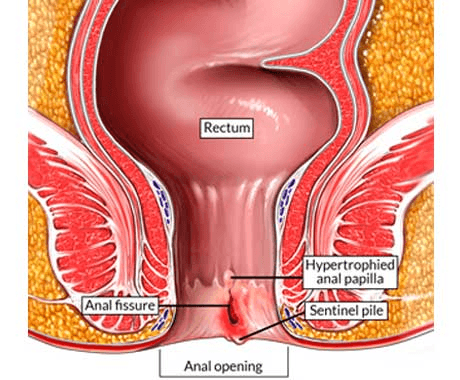
Signs: A person with an anal fissure may have the following signs:
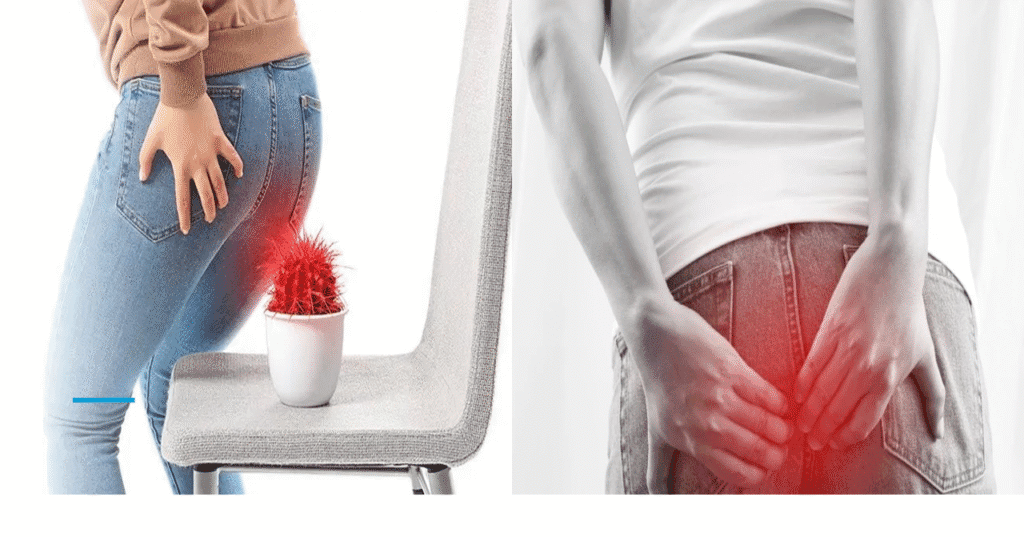
Pain while going to the bathroom or in the anal region
– Pain that continues for hours after a bowel movement.
Bright red streaks of blood on the stool or toilet paper after a bowel movement.
A crack or tear in the skin around the anal area.
— A bump or skin tag near the fissure site.
When to Consult a doctor?
It’s important to talk to a doctor if you have pain when you go to the bathroom or find blood on your stool or toilet paper afterward.
Causes of Anal Fissures
Anal fissures can be caused by a number of causes, including:
- Passing large or hard stools.
- Constipation with straining during a bowel movement.
- If episodes of diarrhoea last very long.
- Practice anal intercourse.
- The process of childbirth.
Less commonly, anal fissures may be linked with:
- Crohn’s disease or other types of inflammatory bowel diseases.
- Having anal cancer.
- HIV infection.
- Tuberculosis.
- Syphilis.
But anything we could protect against using rules might help decrease the burden of disease as well.
There are a number of factors that can increase the risk of developing an anal fissure, including:
- Constipation: Difficulty passing stool, especially while straining to eliminate dry stools can cause tearing in the anal area.
- Pregnancy and childbirth: Any strain caused by pregnancy and delivery can increase the risk of anal fissures.
- Crohn’s Disease: A chronic inflammatory condition affecting the intestines, which can weaken the lining of the anal canal and make fissures more likely.
- Anal Intercourse: This form of sex can also lead to tears.
- Age: Although anal fissures can occur in all life stages, they are especially common in infants and adults of middle age.
Complications
Anal fissure may result in a number of complications, including:
Nonhealing wound: An anal fissure that fails to improve over eight weeks is referred to as chronic and typically requires further medical care or surgical care.
Recurrences: Now that you have had an anal fissure, the chances that you will get another one in the future are higher, if you do not prevent constipation.
Involvement of Adjacent Muscles: The fissure may extend into the internal anal sphincter (the muscle that keeps the anus closed in the body). This might make proper healing difficult, but it sets off the cycle of pain, for many we need to get on medications or procedures to take the pain down and resolve the fissure properly.
Prevention
To reduce the risk of getting an anal fissure, do everything you can, to avoid both constipation and diarrhoea. Emotionally, having a fibre-rich diet, being well-hydrated, and exercising regularly can help to avoid straining with a bowel movement.
Diagnosis
In diagnosing an anal fissure, a health care professional will most likely ask about your medical history and perform a physical exam, which involves a gentle examination of the anal area. The fissure is usually locatable during this evaluation. Newer, acute fissures tend to be clean and look like fresh cuts, while chronic fissures last longer than eight weeks and can show deeper tearing and possibly internal or external growth.
The location of the fissure can also indicate what caused it. Fissures located on the sides of the anal opening, rather than right at the back or front, can reflect an underlying problem like Crohn’s disease. If this sounds like your situation, it may be worth exploring further. Possible tests include:
Anoscopy (Proctoscopy): You will be able to see the rectum and anal area with the help of a tubular instrument. But most of the time patient having severe pain, not allowing to be examined in OPD.
Flexible Sigmoidoscopy: A thin, flexible tube with a tiny camera attached is inserted into the rear area (rectum) to look at the lower part of the colon; this test is usually advised for adults under the age of 45 if they do not have particular risk factors for intestinal illnesses or colon cancer.
Colonoscopy: This is a more thorough examination, whereby a flexible tube is inserted into the rectum to view the complete colon and is usually recommended for individuals above the age of 45, those who have risk factors for colon cancer, or those who have had other gastrointestinal symptoms such as abdominal pain or diarrhoea.
Management of Anal Fissures
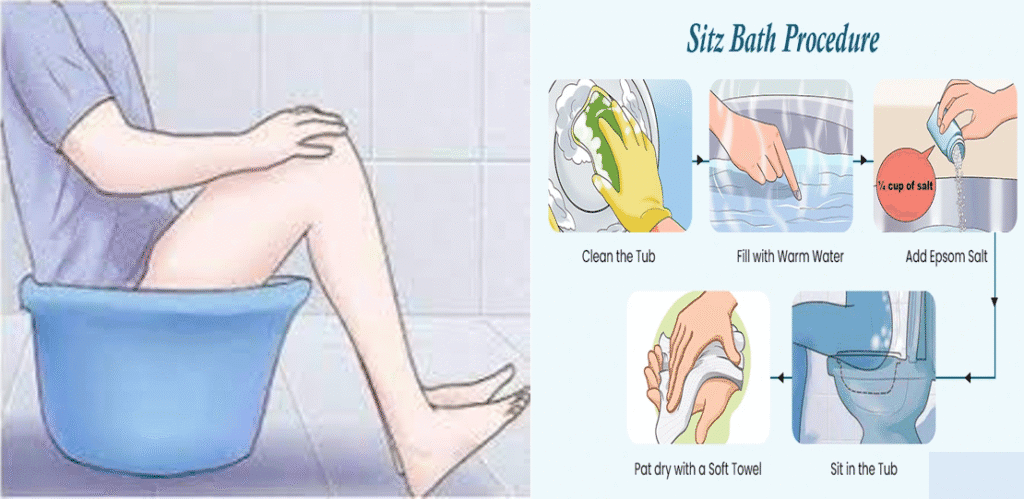
Anal fissures usually go away in a few weeks or so with appropriate home treatment. This will allow for healing, so it is important to keep your stool soft by increase fibre and fluids. Hot sitz baths — soaking in warm water for 10 to 20 minutes at a time, multiple times a day, especially after bowel movements — can soothe the anal sphincter and promote healing. If the pain lasts longer than this time frame, it may need further treatment.
Non-surgical Options
Care providers might recommend several nonsurgical options, including:
– Topical Nitro-glycerine ointment- increases blood flow to the fissure, promoting healing and providing anal sphincter muscle relaxation. Usually, this invasive option is considered if first-line conservative treatment fails. But be aware that it may cause side effects, such as significant headaches.
Local Anaesthetic Creams such as lidocaine (Xylocaine) can be used to reduce the feeling of pain.
OnabotulinumtoxinA (Botox) injections temporarily paralyze the anal sphincter muscle to relieve muscle spasms.
Calcium Channel Blockers (nifedipine or diltiazem) to relax the anal sphincter. (These can be used topically, but they’re also available in oral form—although oral use can lead to more prominent side effects.) These medications are helpful if nitroglycerin treatment isn’t appropriate or causes considerable side effects.
Surgical Intervention
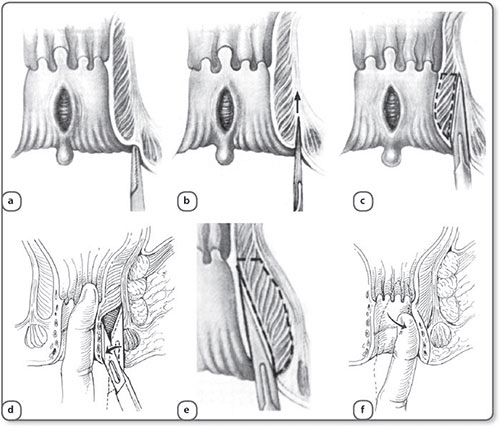
Surgical options may be advised for people with a chronic anal fissure that doesn’t respond to other treatments, or when symptoms are particularly severe. The standard method is lateral internal sphincterotomy (LIS) — cutting a tiny portion of the anal sphincter muscle. This can facilitate healing by relieving spasms and pain, and research shows that it performs significantly better than medical treatments for chronic fissures. Although, we must remember that there is a slight risk of incontinence with surgery.