Piles vs fissure vs fistula explains how three common anorectal issues differ in cause, signs, and care.
You face piles when swollen veins cause bleeding or itching during stools.
You face a fissure when a small tear brings sharp pain and bright red blood.
You face a fistula when an infected tract links the anal canal to the skin, often with pus.
To choose safe care, you need clear symptoms, risk factors, tests, and proven treatments ahead.
Key Takeaways
- You can distinguish piles, fissures, and fistulas by their source: piles are swollen rectal veins, fissures are tears in the anal lining, and fistulas are abnormal tunnels from the anal canal to nearby skin. You should seek medical evaluation for a precise diagnosis and treatment plan.
- You can map symptoms to likely causes: sharp pain with minor bleeding suggests a fissure, painless bright red bleeding and itching suggest piles, and persistent discharge with tenderness suggests a fistula. You want to monitor your symptoms and discuss them with your clinician.
- You can reduce risk by improving bowel habits: prioritize high fiber foods, drink at least 2 to 3 liters of water daily, and stay active. Avoid straining, extended sitting, and heavy lifting when possible.
- You can expect doctors to use stepwise diagnosis: history and physical exam first, then tools like anoscopy, ultrasound, or MRI for complex fistulas. Come with a symptom checklist and medication list.
- You can start with non-surgical care in many cases: fiber supplements, warm sitz baths, topical treatments, and oral pain relief. Ask about rubber band ligation for piles, botox for fissures, and antibiotics if there is an infection.
- You can plan for surgery if conservative care fails or complications develop. Options include hemorrhoidectomy, lateral internal sphincterotomy, or fistulotomy and setons for complex tracts. Be sure to talk about recovery time, continence risks, and follow-up care with your surgeon.
Piles Vs Fissure Vs Fistula
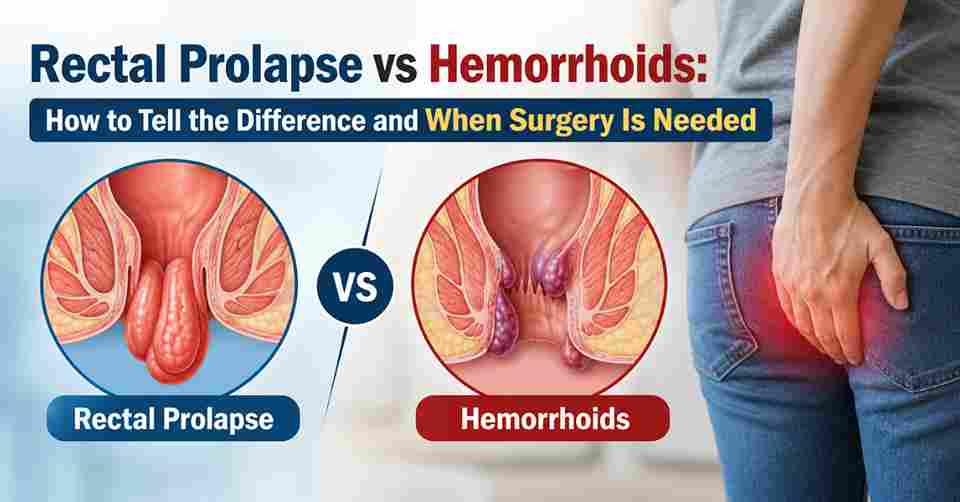
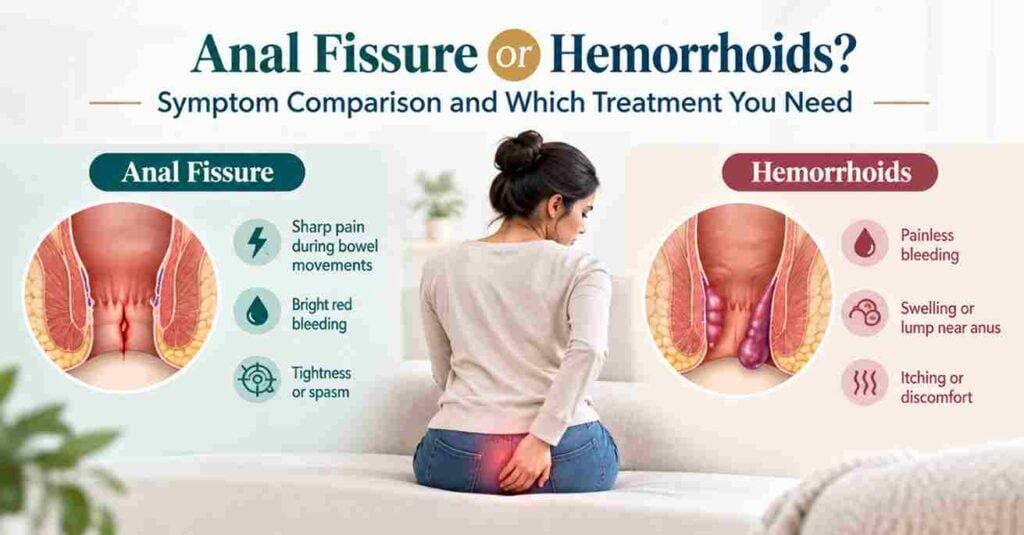
You face three distinct anorectal disorders here: piles (hemorrhoids), anal fissures, and anal fistulas. Piles are swollen rectal veins, while anal fissures are small tears in the anal lining. Fistulas form as abnormal tunnels from the anal canal to nearby skin. Each has different causes, locations, and symptoms, so a precise diagnosis guides the right care and helps prevent complications like chronic pain, infection, or recurrent abscess.
1. The Location
Piles form in the rectal and anal veins. Internal piles sit above the dentate line. External piles lie under the skin at the anal verge.
Fissures are linear tears in the soft mucosa of the anal canal, most often at the posterior midline. Less often, they appear anteriorly or off midline. Consider underlying disease if so.
Fistulas are tracts linking the anal canal to perianal skin. They may pass through sphincter muscles or branch to deeper tissue.
Simple Map:
- Piles: veins inside or just outside the anal canal
- Fissure: a tear at the canal edge, usually back midline
- Fistula: a tunnel from the canal to the skin opening
2. The Cause
Both piles and fissures are caused by too much straining and persistent constipation. Hard stools stretch tissue and increase venous pressure.
Fissures follow anal trauma, childbirth, or anal sex. Most acute fissures heal in 4 to 6 weeks with care.
Fistulas usually track from a prior abscess due to blocked anal glands. Recurrent infection keeps the tract open.
Uncommon causes: Crohn’s disease, tuberculosis, cancer, or obstetric injury.
Piles vs fissure vs fistula. About: Fix bowel habit, fiber, and fluid (water) to lower risk.
3. The Pain
- Fissure: Sharp, cutting pain during and after stool lingers for minutes to hours.
- Piles: ache, itch, or mild pain. Severe with thrombosed external piles.
- Fistula: steady pain, tenderness, and throbbing if infected. It gets worse with sitting.
4. The Bleeding
- Piles: Bright red blood on paper, stool surface, or bowl.
- Fissure: small fresh streaks on stool or tissue.
- Fistula: minor bleeding; discharge is more typical.
5. The Discharge
Piles: rarely discharge, maybe some mucus with internal piles.
Fissures: no real discharge; pain plus slight bleeding.
Fistulas frequently produce slimy mucus, often with pus or blood. Watch for fever, swelling, or recurring infections. Most fistulas require surgery, with recovery commonly lasting four to eight weeks, depending on the complexity.
What Are The Symptoms?
You may notice bleeding, pain, swelling, itching, or discharge around the anus. These symptoms overlap across piles, fissures, and fistulas, which makes self-diagnosis hard. Track what you feel, when it starts, and what makes it worse. A simple checklist helps you spot patterns and share clear notes with your clinician.
Ongoing or worsening issues can mean complications and call for prompt care.
Piles
You may see bright red blood on toilet paper or in the bowl, often painless if the piles are internal. Itching, swelling, and a soft lump at the edge of the anus are common. A grade 1 pile bleeds only and has no prolapse.
External piles can be painful if a clot develops (thrombosed). That lump is taut and extremely painful.
You might notice mucus on stool and a nagging sense you did not empty fully. Symptoms often flare with long sits, heavy strain, or hard stool. Piles can be internal, inside the anus or rectum, or external, outside the anus. Some people carry mild signs for years and only notice when bleeding starts.
Fissures
The hallmark is sharp, burning pain with a bowel movement. This pain can persist for minutes to hours after. You could notice a thin line of bright blood on the stool or paper.
Look for a tiny tear at the anal opening and strong muscle spasms that make passing stool harder. A sentinel pile, which is a small skin tag, can appear with chronic fissures.
Pain can cause you to withhold stool, which exacerbates constipation and prevents healing of the tear. If a fissure extends beyond eight weeks, it’s chronic and could require specific treatment.
Fistulas
You may have steady or on-off pain, swelling, and a tender spot near the anus. A small opening on the skin can leak pus, mucus, or blood, with underwear stains and a foul smell at times.
Fever and malaise may indicate an abscess along the tract. Skin gets sore and itchy due to constant moisture and discharge.
Abscesses and fistulas frequently require procedural interventions to halt infection and minimize recurrence.
Why Do They Happen
You face anal disorders when pressure, injury, or infection disrupts the anal canal and glands. The drivers fall into two groups: preventable (diet, hydration, bowel habits, hygiene practices, activity) and less preventable (aging, genetics, pregnancy, chronic disease). Strong digestive health and regular, soft stools lower the risk of anal fissures and severe complications across the board.
Lifestyle Factors
Not enough fiber slows transit, hardens stool and makes you strain. That strain can engorge haemorrhoidal cushions (piles), rip the anoderm (fissure) or exacerbate obstruction and infection that establishes a fistula. Not consuming enough water has the same impact. Dehydration increases the danger and hardens stool, too.
Prolonged sitting, including desk work or long driving, reduces pelvic blood flow and raises venous pressure. Haemorrhoids are common in jobs with long hours sitting or standing. Prolonged sitting can link to fistula when blocked glands and pressure impair drainage. Heavy lifting and obesity add intra-abdominal pressure, pushing on anal veins and tissue.
Chronic straining, rushing on the toilet, or ignoring the urge all raise risk. Poor anal hygiene after bowel movements can let bacteria enter small cracks, feeding infections around glands. Regular exercise, daily fiber of 25 to 30 grams, and 1.5 to 2.5 liters of water per day, along with unhurried, once-daily bowel habits help prevent most problems.
Key Risks By Condition:
- Piles occur due to low fiber, dehydration, sitting or standing jobs, heavy lifting, obesity, and aging, with over 50% of cases appearing after 50 years.
- Fissure: hard or frequent loose stools, straining, poor hygiene.
- Fistula: prolonged sitting, blocked glands, prior abscess, poor drainage.
Medical Conditions
Chronic constipation and chronic diarrhea both irritate the anal canal, leading to anal fissures. Hard stool can split the lining and start a fissure, while repeated loose stools can burn the tissue and inflame hemorrhoids. Inflammatory bowel disease significantly raises the risk of fissures and anal fistulas through deep ulcers and poor healing, which can result in serious complications if untreated.
Infections in anal glands can lead to the formation of anal abscesses. If fluid does not properly drain, it can create an anal fistula, an abnormal tunnel connecting different parts of the body. Prior anorectal surgery or radiation can cause scar tissue, disrupting proper drainage and increasing the likelihood of developing anal disorders.
Pregnancy and childbirth can elevate venous pressure and straining, making piles and anal fissures common during late pregnancy and postpartum. Rare yet significant causes of complicated or recurring anal illness include Crohn’s disease, tuberculosis, and cancer that block glands or compromise rectal tissues.
How doctors diagnose
You need a plan to diagnose piles (hemorrhoids), fissures, and fistula as symptoms overlap. Physicians begin with your symptom history, then a targeted exam. They include tools only when symptoms are ambiguous, intense, or indicate a fistula or a different disease.
The objective is to pair the appropriate test with your symptoms and sidestep a false diagnosis. Construct a basic comparison chart for your own records so you know exactly what each test does and why it was used.
Physical Examination
Your doctor asks about pain pattern, bleeding on stool, itch, swelling, discharge, bowel habits, past surgery, births, IBD, and infection. This prunes the list quickly.
They inspect the anal area for external piles (bluish lumps), a fissure tear (often at the posterior midline), or an external fistula opening with discharge or a skin tag. If the pain is sharp, they may delay a deeper exam until pain control.
A soft DRE evaluates tone, internal hemorrhoids, and point tenderness. Acute fissures can make this too painful. Your comfort directs the strategy.
Anoscopy gives a direct look at the anal canal. It’s a small, flexible tube with a camera and light to view internal hemorrhoids and fissures. Proctoscopy extends a bit higher if needed.
Palpation aids in identifying abscesses or a cord-like fistula tract. Fissures are graded I to IV to help direct care. If a fissure continues beyond 8 weeks, it’s chronic and requires personalized care.
Advanced Imaging
When findings point to a fistula, complex disease, or unclear anatomy, imaging matters. Endoanal ultrasound uses high-frequency sound waves to map internal openings and nearby abscesses and it helps with difficult fissures.
MRI provides detailed soft-tissue views to track the fistula’s path and plan surgery while sparing the sphincter. Fistulography or contrast-enhanced studies are reserved for select cases or when MRI is not available. Imaging rules out underlying drivers like Crohn’s disease.
| Technique | Primary use | When it’s needed |
| Endoanal ultrasound | Internal opening, abscess | Suspected fistula, unclear exam |
| MRI pelvis | Full fistula map | Complex/recurrent fistula, pre-op planning |
| Anoscopy | Visualize piles, fissure | First-line canal view |
| Fistulography | Tract outline | Limited access settings |
What Are The Treatments
You have three different problems with overlapping care: piles (hemorrhoids), fissures, and fistulas. Your treatment plan is dependent on symptoms, severity, etiology (such as constipation, infection, Crohn’s), and how you respond to initial care.
Initial measures typically address problems and reduce surgical requirements. See the comparative table at a glance: piles include fiber and sitz baths, topical creams, ligation, and hemorrhoidectomy; fissure includes fiber and sitz baths, topical nitroglycerin or calcium channel blockers, botulinum toxin, and lateral internal sphincterotomy; fistula includes antibiotics and drainage, fistulotomy, seton, and flap procedures.
Non-Surgical Options
Begin with stool-softening habits to prevent anal fissures. Increase fiber intake to 25 to 35 grams per day, drink 2 to 3 liters of water daily, and exercise most days. This relieves pressure, stabilizes bowel movement regularity, and allows hemorrhoids and fissures to heal effectively. A high-fruit and fiber diet along with adequate fluids reduces the risk of future anal disorders, including fissures and anal fistulas.
Using warm sitz baths can be beneficial; sit in warm water for 10 to 15 minutes several times a day. This promotes blood flow, soothes the anal sphincter muscles, cleans the environment, and hastens healing. Most acute anal fissure cases heal in 4 to 6 weeks with proper fiber intake and regular sitz baths.
Topical treatments help alleviate pain and spasm: for hemorrhoids, use hydrocortisone or witch hazel; for fissures, consider nitroglycerin or diltiazem ointment to relax the muscle; and local anesthetic gels for pain relief. Add oral NSAIDs if necessary to manage significant discomfort.
Minimally invasive options include rubber band ligation or infrared coagulation for internal hemorrhoids. Botulinum toxin injections are utilized for fissures that do not heal with creams. For anal fistulas or abscesses with infection, initiate antibiotics and expeditious drainage as recommended by a fistula specialist.
If an anal fissure persists longer than 8 weeks, it is considered chronic and requires additional treatment. Avoid straining on the toilet, maintain hygiene practices in the perianal area, and manage diarrhea or constipation early to prevent serious complications.
Incorporating these practices can significantly enhance digestive health and prevent further anal pain or discomfort. Regular check-ups with a professional piles specialist can also assist in monitoring and addressing any anal illness effectively.
Surgical Procedures
Surgery is for those that endure, are severe, or show complications after conservative measures. For piles, hemorrhoidectomy or stapled hemorrhoidopexy is used when large, prolapsed, or bleeding.
For fissures, lateral internal sphincterotomy is performed when pain or nonhealing persists; botulinum toxin is an alternative for select patients. For fistulas, fistulotomy is used for simple tracts; seton placement or advancement flap is used for complex paths or those crossing key sphincter muscle.
Certain centers employ minimally invasive instruments, and laparoscopy is expanding for associated gastrointestinal problems. Anticipate a brief period of recovery for ligation and a few weeks for excision.
Bleeding, infection, recurrence, and very rarely, continence changes are the risks. Good post-op care, fiber, fluids, and sitz baths mitigate these.
The Emotional Toll Of Anal Conditions
There’s more than physical pain when you confront anal fissures, anal fistulas, or piles; these anal disorders impact your thoughts, behavior, and daily life, causing significant discomfort that can accumulate quickly.
Address Embarrassment, Anxiety, And Withdrawal From Anal-Disorders
You may hide symptoms out of shame, skip plans, or avoid travel for fear of flares or toilet needs. Embarrassment about bleeding, discharge, or odor can push you to isolate and keep quiet at work or with friends.
Anxiety rises when you scan for bathrooms, plan routes, or worry about stains during a meeting or on a long train ride. The stigma around anal problems makes you second-guess intimacy and dating, which can strain trust and closeness.
Chronic Pain Causes Frustration, Reduced Life-Quality
Chronic pain from a fissure that burns with each bowel movement or a fistula that leaks can wear down sleep, mood, and focus. Evidence shows the toll is real: people with anal fissure or anorectal fistula have about a 30% higher rate of depression within five years versus matched controls.
Hazard ratios link fissure with depression, with a hazard ratio of 1.31 and a 95% confidence interval of 1.25 to 1.38, and fistula with depression, with a hazard ratio of 1.30 and a 95% confidence interval of 1.17 to 1.44. After five years, 13.0% of those with fissure and 12.3% of those with fistula had depression, compared with 9.7% to 10.3% in controls with a p-value of less than 0.001.
Complications like fecal incontinence can further cut quality of life. More comorbidities often mean lower quality of life and higher risk of depression.
Encourage Open Symptom Discussion, Reducing Stigma
You reduce shame when you speak in plain terms to your clinician, your partner, and a trusted friend. Discuss pain irritants, leakage amount, and stool habits.
Inquire about continence risks and plan. Early, real talk accelerates appropriate care and establishes reasonable expectations both at home and at work.
Promote Coping Strategies And Support Seeking
Build simple steps: a bowel routine with fiber and fluids, sitz baths for pain, barrier creams for skin care, and pads for backup when you travel.
Try short breathing exercises before defecating to reduce spasm. Session after session with a therapist who knows a thing or two about chronic pain.
Find a peer group online with strict rules and medical moderation. Keep a symptom log to identify flares and victories. When fear surges from uncertainty, request a concrete plan and time frames from your care team. Predictability soothes the mind.

Conclusion
You now know the difference between piles, fissure, and fistula. You can recognize key symptoms. You can understand why they get started. You know the way doctors check them. You know what care works best for each.
Real talk assists. A sore bum can wreck your day, your sleep, your mood. Little steps still assist. Warm sitz baths relieve the pain. Fiber to twenty-five to thirty grams per day softens stool. Water to roughly two liters per day keeps things smooth. Short walks reduce strain. Easy victories accumulate.
Hungry for next steps? Follow the symptoms for one week. Observe for pain, bleeding, lumps, pus, fever, or leaks. Book a check if pain persists, bleeding recurs, or you notice any discharge. Piles vs fissure vs fistula.
Bring your notes. Act like a jerkwad. You receive care that aligns with your lifestyle.
FAQ
How do piles, fissures, and fistulas differ?
Piles are swollen veins, while anal fissures are small tears in the anal lining that cause significant discomfort during bowel motions. Anal fistulas, which are abnormal tunnels between the anal canal and skin, can drain pus and lead to severe complications if untreated.
What symptoms should make you see a doctor urgently?
Consult a physician if you experience profuse bleeding, fever, intolerable anal pain, pus, a painful lump, or symptoms persisting over 1 week. A change in bowel motions or unintended weight loss requires urgent investigation.
Can these conditions heal on their own?
Mild piles and fresh fissures, such as anal fissures, improve with fiber, fluids, and sitz baths. However, anal fistulas do not usually heal on their own, and often, fistula treatment requires surgery. If anal pain, bleeding, or discharge persists despite home care after a few days, get medical help early.
How are these conditions diagnosed?
Doctors begin with your symptoms and a soft exam to assess for anal disorders. They might employ anoscopy or proctoscopy to investigate anal fissures or anal fistulas. Ultrasound or MRI aids in fistula mapping, while blood work will rule out infection or anemia.
What treatments work best?
Piles may require treatments like fiber, topical creams, rubber band ligation, or surgery, while anal fissures can be managed with stool softeners and topical creams. For anal fistulas, antibiotics for infection are essential before considering surgery like fistulotomy.
How can you prevent flare-ups?
Consume 25-35 g of fiber per day, drink adequate water, and avoid straining to prevent anal fissures and discomfort. Don’t sit on the toilet for extended periods; instead, exercise to keep your stools soft, addressing constipation or diarrhea early to avoid serious complications.
How do these conditions affect mental health?
Chronic pain, bleeding, or drainage from anal disorders can cause embarrassment, shame, and social withdrawal. It’s not you. Consult your physician, explore therapy for anal fissures, and join support communities. Efficient treatment usually makes you feel better and more confident right away.