Efficacy: Sclerotherapy for spider veins causes the visible veins to fade, skin tone to appear smoother and less leg discomfort for many of you suffering from small, surface veins.
You typically notice initial improvement in 3 to 6 weeks, with complete results in 2 to 3 months and some veins requiring more than one session.
To assist you in establishing reasonable objectives, the upcoming sections outline what you can anticipate pre- and post-treatment.
Key Takeaways
- You can use sclerotherapy as a minimally invasive, in-office option to close spider veins and small varicose veins, improving both leg appearance and symptoms like heaviness or aching. It directs blood into healthier veins and typically requires minimal downtime.
- Anticipate a slow results timeline, with initial changes in days and more complete improvement over weeks to months. You may need more than one treatment, especially if you have many or larger veins.
- You’ll have a better chance of achieving favorable outcomes if you’re an ideal candidate with superficial veins, no significant contraindications, and reasonable expectations. Your own healing response, vein type, and any underlying vein disease all shape your result, as well.
- To get the most out of your sclerotherapy for spider veins results, you can prepare by having an in-depth consultation, following pre-treatment instructions, and dressing appropriately with compression stockings for your appointment. Refraining from some medications and skin products on the day of treatment enhances safety.
- Know that the majority of side effects are mild and temporary and that serious complications are rare when you select a qualified vein specialist. In exchange, you can achieve durable cosmetic enhancement, symptom alleviation, and quicker recuperation than surgery.
- You help defend your investment by donning compression as prescribed, staying active with gentle walking, limiting exposure to sun and heat on treated limbs, and following up with visits. Proper aftercare promotes vein closure, minimizes side effects, and preserves your long-lasting outcomes.
What Is Sclerotherapy?
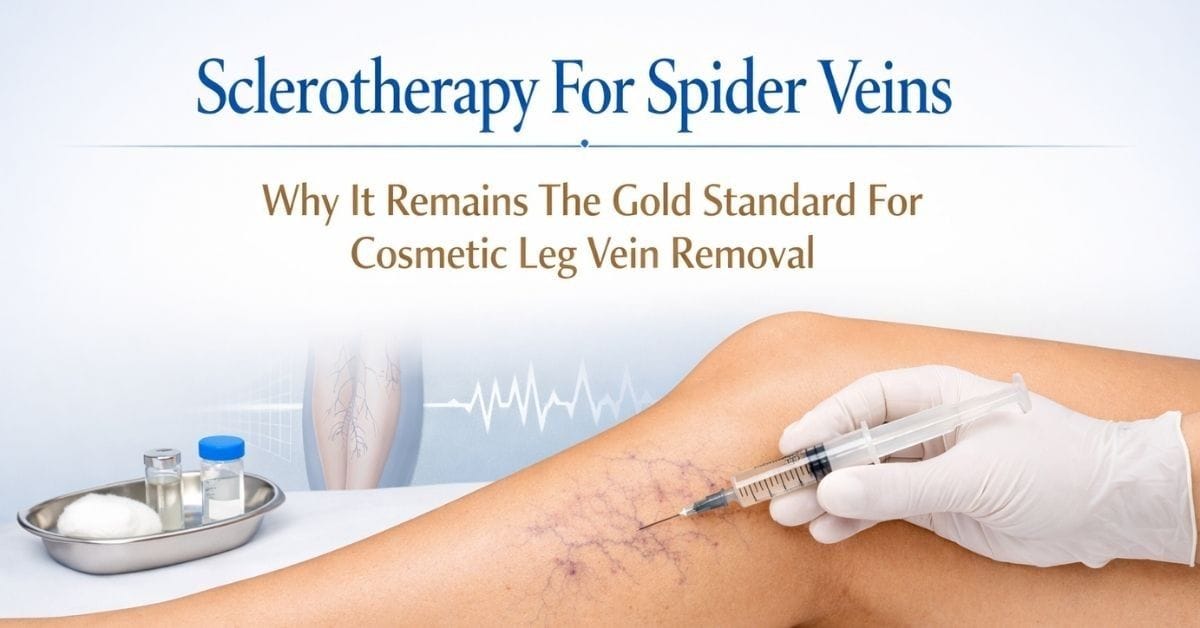
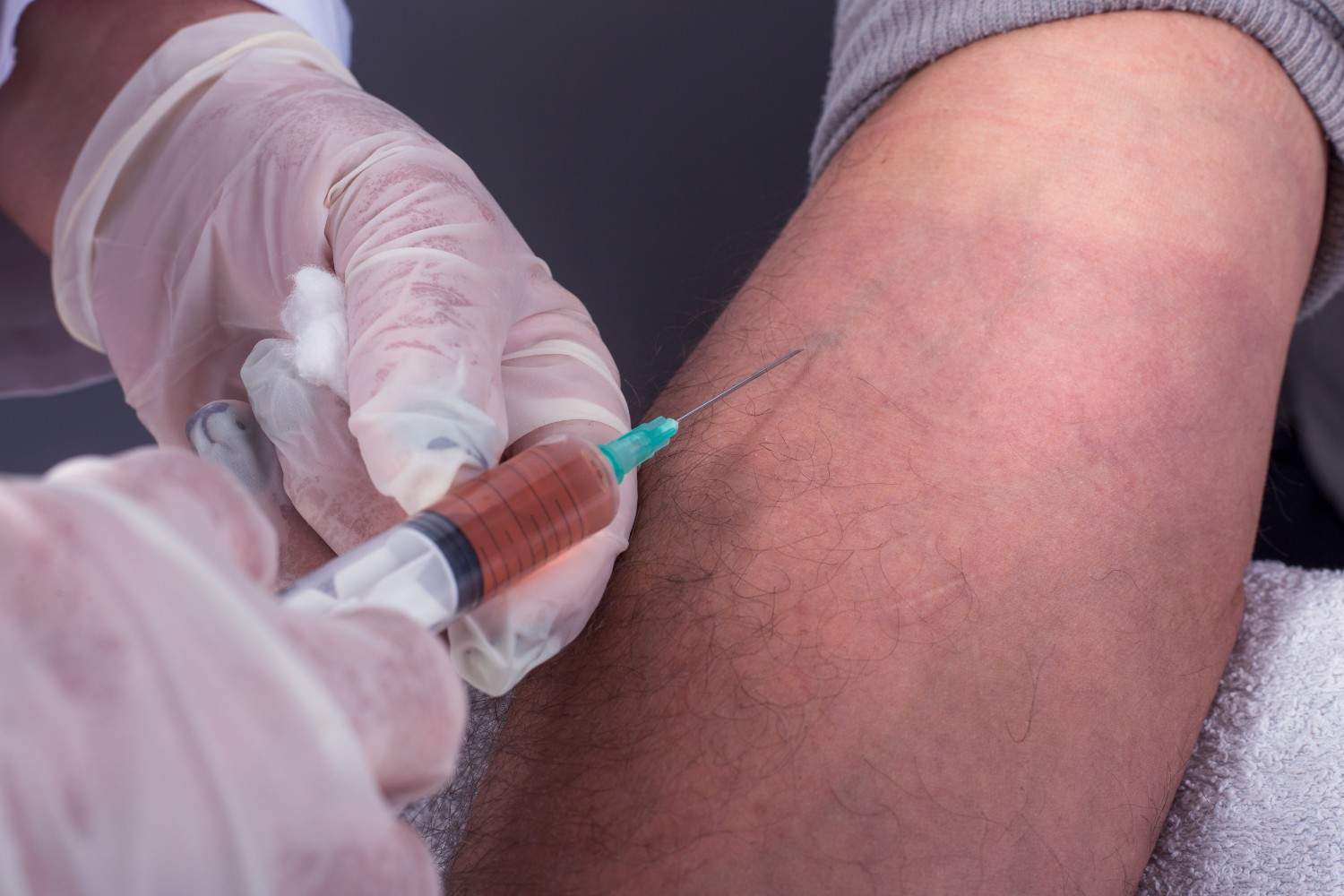
Sclerotherapy is a minimally invasive spider vein treatment where a vein specialist injects a chemical solution, known as a sclerosant, into your spider veins or small varicose veins. This solution causes the vein wall to swell, stick together, and close, effectively stopping blood from flowing through the damaged vessel. Eventually, your body reabsorbs the vein, making it disappear.
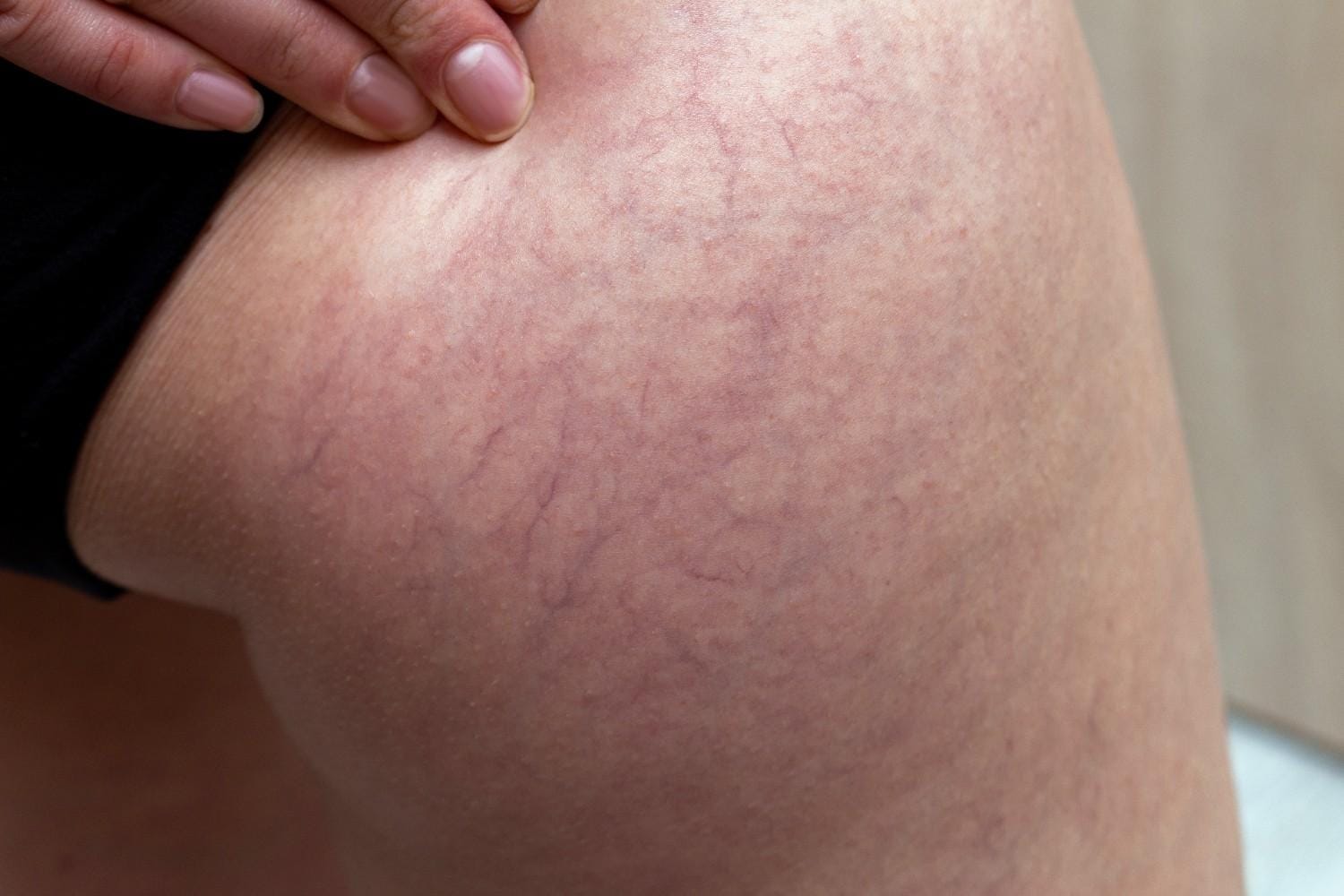
You typically get it in a clinic or doctor’s office and a session generally lasts around half an hour with minimal downtime. Sclerotherapy primarily treats spider veins, reticular veins, and other superficial leg veins that appear blue, red, or purple on your skin. Although used cosmetically, sclerotherapy can be employed to alleviate symptoms such as aching, burning, swelling, or night cramps of the legs.
For many patients experiencing venous insufficiency symptoms in the lower legs, sclerotherapy is considered a first-line option before any surgical intervention is necessary.
The Core Purpose
The primary purpose of sclerotherapy is to close off visible, abnormal surface veins so your legs appear clearer and feel more comfortable. When your provider seals these troubled veins, blood flow is redirected into healthier, deeper veins that can accommodate it more effectively.
This rerouting reduces pressure in the region and may relieve swelling and heaviness. You receive a combination of aesthetic and therapeutic benefit. They experience reduced aching, burning, or tired-leg sensation following prolonged standing.
For a non-surgical treatment for spider veins and small varicose veins, sclerotherapy ranks near the top of the standard options.
The Procedure Itself
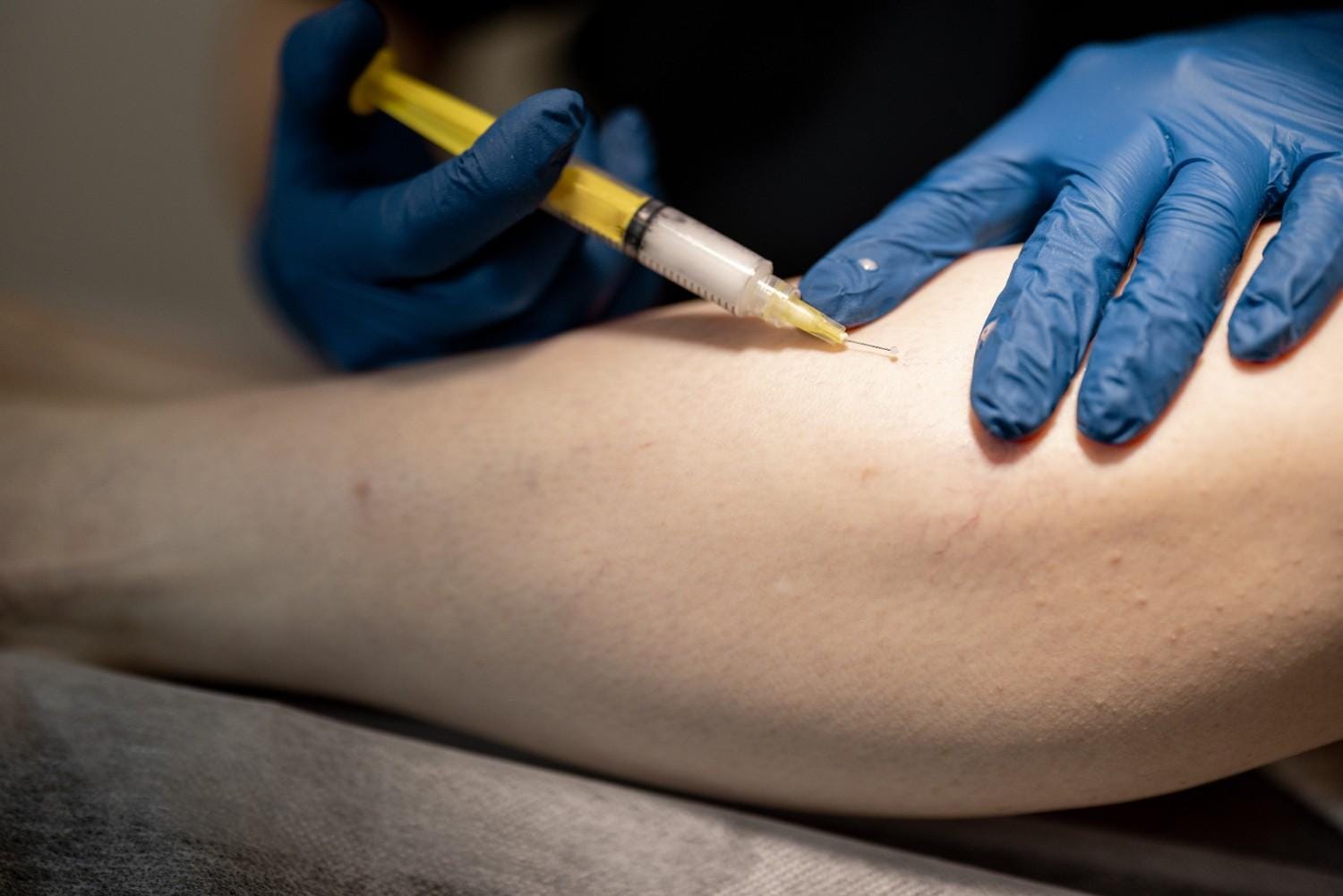
For sclerotherapy, your provider uses a very fine, thin needle to inject a small dose of sclerosant directly into each vein. The solution can be liquid or foam, depending on the size, depth and location of the vein. Foam usually works better for slightly larger or twisty veins because it pushes out the blood and remains in contact with the wall longer.
The drug irritates the vein’s inner lining so it becomes inflamed, collapses and shuts, which causes it to fade over weeks to months. A session ranges anywhere from a few minutes to an hour or so, depending on how many veins you’d like treated in a given visit.
You generally walk out under your own power right afterward and can go back to most daily activities the same day. You’ll typically begin to see results within three to six weeks for small spider veins, whereas larger veins may take three to four months to fully respond.
A few require multiple sessions to achieve the degree of clearing they desire. Side effects, when they do happen, tend to be mild and transient, such as bruising, itching, or temporary skin discoloration at the needle insertion site.
The Ideal Candidate
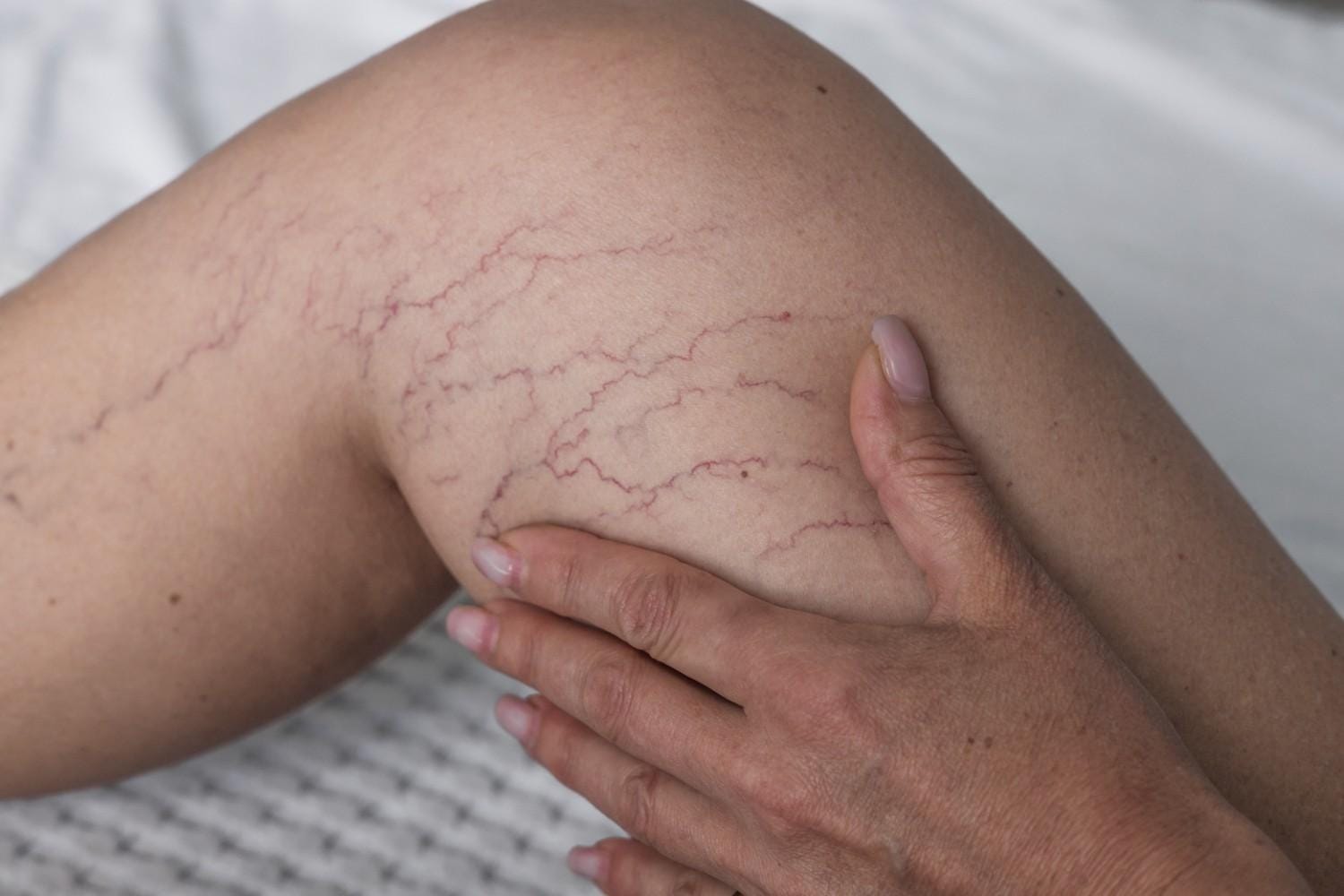
You are likely a good candidate for spider vein treatments if you have superficial spider veins, reticular veins, or small varicose veins that bother you in the mirror, cause symptoms, or both. These are veins near the skin, not the big deep veins that convey most of your leg blood. If you experience leg aching, burning, swelling, or cramps associated with these surface veins, you may derive more benefit from the effective treatment options available today.
You should not have sclerotherapy if you are pregnant, have an active blood clot, or a known history of deep vein thrombosis that is not fully worked up. Additionally, you may not be a candidate if you have some allergies to sclerosant drugs or are unable to wear compression stockings post-procedure for medical or mobility issues.
When you enter treatment with a realistic understanding of what sclerotherapy can and cannot achieve, you’ll tend to be happier. While it can clear many visible veins, it doesn’t prevent new ones from appearing later, so you may require touch-ups, especially in persistent spider vein cases.
You’ll need to be able to manage simple aftercare, such as walking every day, wearing compression stockings as recommended, and monitoring for abnormal pain or swelling so you can report it at an early stage.
The Sclerotherapy Results Timeline
You don’t experience the same results as someone else, even with the same quantity of injections. Your result depends on how many veins you treat, the size of the veins, your skin tone, and how your body clears the closed veins. For effective spider vein treatments, small spider veins may begin to disappear in three to six weeks, while larger veins typically require three to four months. Others may need multiple sessions for optimal results, which continue to develop over weeks to months, rather than days. Diligent aftercare, including compression and activity restrictions, significantly enhances the effectiveness of the treatment area.
1. Immediately After
Immediately following sclerotherapy, you’ll typically experience mild stinging or dull aching at the point of needle injection. The skin can appear red or a bit swollen, and you could experience welts or bruises along the vein trajectory. These changes are medicine working inside the vessel, not a signal that something has gone awry.
They will likely want you to walk around for a few minutes right after, then keep your legs slightly elevated later in the day to encourage blood flow toward healthy veins. Compression stockings or bandages come on immediately and frequently stay on for hours, sometimes overnight, depending on your protocol. Most can return to desk work or light daily activities the same or next day, provided they don’t do any heavy lifting or strenuous exercise.
2. The First Week
For the first week, you may notice bruising, slight swelling, or tiny skin sores around a few injection sites. These spots can appear worse before they heal.
Wear your compression gear as instructed by your doctor, often all day for several days. This promotes vein closure and reduces inflammation and clot risk. Avoid hot baths, saunas, and direct sun on the treated area as heat and UV will increase inflammation and darken marks.
Be on the lookout for intense pain, spreading redness, or acute swelling. If anything feels ‘off’ or inconsistent with what your provider cautioned you about, reach out for review.
3. The First Month
Over the first month, treated spider veins generally fade gradually, frequently appearing lighter or blurred instead of distinctly red or blue. Some of you may begin to see early results at 3 to 6 weeks, which is the typical timeframe for small spider veins to respond.
You could observe brown lines, dots or streaks along the previous vein path, induced by trapped blood or pigment. These marks tend to disappear over 3 to 6 months; however, a small percentage may persist for longer. Occasionally, larger injected veins will continue to feel lumpy or hard for a few months as they scar down and are absorbed.
Compression can still be in your agenda for some of the day to keep healing stable and lessen the risk of clots or new swelling. Most of your day-to-day activities are OK now, but if you work in a profession that requires long hours on your feet or you do high-impact exercise, your doctor might have you phase that in slowly.
It’s useful to take clear photos every few weeks in the same light so you can really track subtle changes you may otherwise miss.
4. Three Months Later
Around the three-month point, you can judge the bulk of your results, especially for small spider veins. Many people see a clear drop in visible clusters and feel more at ease wearing shorts or skirts.
Larger veins can take three to four months or longer to settle, so it is normal if some thicker lines are still fading or feel firm. Your doctor may check for any veins that still look raised or cause symptoms and suggest extra sclerotherapy sessions if needed.
This is when you may notice less leg heaviness, fewer night cramps, or less throbbing, which often matters as much as the cosmetic change. If new spider veins have popped up in other areas, you can talk about a staged plan, rather than trying to fix every vein in one round.
5. Long-Term Outlook
Once a treated vein closes up and the body reabsorbs it, it never returns. That vein is history. Over time, your body may develop new spider veins, particularly if you have a robust family history, hormonal fluctuations, or venous insufficiency.
You help guard your results by maintaining a stable weight, remaining active with daily walks, wearing compression stockings during extended travel, and steering clear of prolonged sitting or standing. Even with great habits, sclerotherapy can’t block all future spider veins, so some folks schedule maintenance visits every few years.
For deeper vein disease, your provider may combine sclerotherapy with other treatments, such as laser treatments or treatments on larger trunk veins, for more comprehensive care. A few marks or brown patches fade by three to six months, but rare ones can persist, so it’s worth discussing that tiny risk with your dermatologist before you begin.
Factors That Shape Your Outcome
Your Sclerotherapy Results Are A Function Of A Combination Of Vein Characteristics, Your Health, And How Well The Treatment Is Strategized And Executed. Key Factors Include:
- Type, size, and pattern of your veins
- Your circulation, healing, and immune response
- Skill and training of your practitioner
- Sclerosant drug, dose, and delivery method
- Underlying venous insufficiency or venous hypertension
- Your age, family history, and gender
- How closely you follow post-treatment care
Personalized regimens tend to deliver superior results since no two vein maps or medical histories are alike. Your aftercare involvement directly influences how your legs appear and feel long-term.
Vein Characteristics
| Vein type | Typical size range | Main technique used |
| Tiny telangiectasias | < 0.3 mm | Very low-volume liquid sclerotherapy |
| Small to medium spider veins | 0.3 to 1 mm | Conventional liquid sclerotherapy |
| Reticular veins | 1 to 3 mm | Liquid or microfoam sclerotherapy |
| Larger varicose veins | greater than 3 mm | Foam, sometimes with ultrasound guidance |
| feeder/communicating veins | foam guided by US duplex | variable |
Fine spider veins and reticular veins generally close and fade more quickly than larger varicose veins, which can require multiple sessions. If you have feeding vessels or incompetent communicating veins, they typically require treatment first, or your spider veins can return.
Keeping a basic table or chart of vein type, site, and technique used at each visit helps you and your doctor keep track of what was done and plan next steps. This is especially important if you live with venous insufficiency from incompetent deep veins or perforators that raise pressure when you stand or walk.
Your Body’s Response
Your body’s healing style dictates how quickly treated veins, including pesky veins like spider veins, disappear. Good circulation and a relatively healthy venous system usually translate to diminished swelling, faster discoloration, and easier skin sliding over treated areas. Spider vein treatments often lead to improved outcomes for patients, enhancing their overall experience.
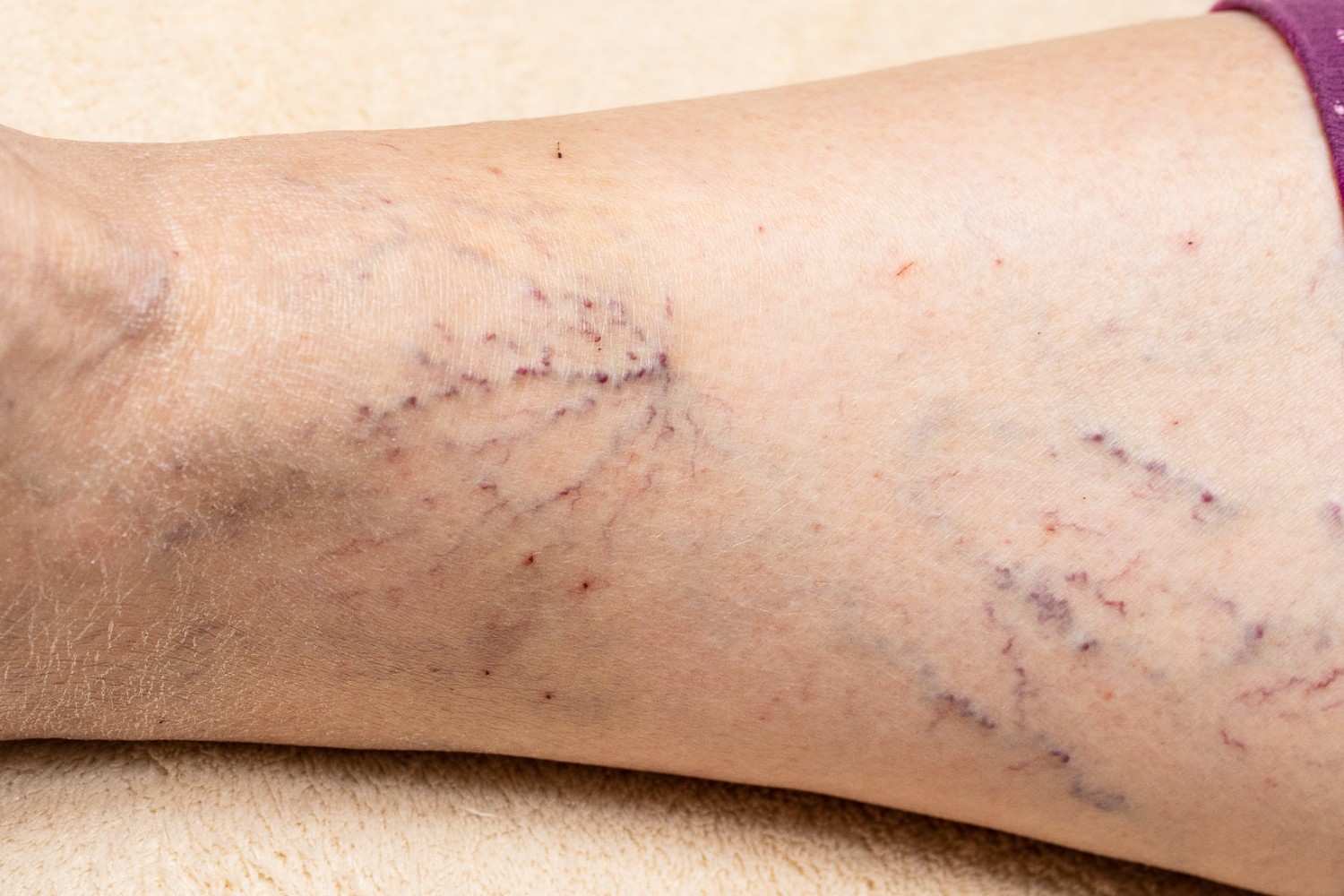
Others experience transient hyperpigmentation when the skin above the vein turns a brownish color or matting when numerous small recanalized vessels appear close to the treated area. These changes may appear concerning but tend to level off over several months as your immune system clears blood breakdown products, particularly after effective laser treatment.
If you have venous hypertension from deep or superficial venous insufficiency, your tissues remain under higher pressure. This can impede healing and increase the risk of new veins arising. Rarely, individuals respond to the sclerosant with local allergy or in very rare cases a systemic response, which can change the plan and restrict which agents your healthcare provider will use next time.
Practitioner Expertise
A seasoned vein doc or vascular surgeon typically achieves higher closure rates with fewer side effects because they read your vein map well and tailor technique to your anatomy. Proper injection technique matters at each step.
Choosing the right needle size, controlling injection speed and pressure, and following a “downstream” pattern from larger to smaller vessels ensures that the sclerosant flows along the diseased path instead of leaking into healthy branches.
Ultrasound guidance is particularly important if you have deeper reticular or perforating veins that supply your spider veins or evidence of deep system venous insufficiency. Using duplex imaging, your doctor can visualize reflux, incompetent perforators, and venous varicosities associated with genetic predisposition, age, or pregnancy and subsequently address those origins.
You can verify expertise by inquiring about board certification, monthly sclerotherapy procedure volume, and researching patient narratives that reference not only the cosmetic outcome but their long-term comfort while standing or walking.
Sclerosant Choice
| Sclerosant type | Pros | Cons/cautions |
| Detergents (e.g., polidocanol) | Predictable, versatile, often well tolerated | Can still cause matting, hyperpigmentation, and rare allergy |
| Osmotic agents (e.g., saline) | Simple, low cost | More sting, less effective for larger veins |
| Irritants (ethanol, phenol, polyiodinated iodine) | Strong fibrosis of the vessel wall | Higher risk of pain, tissue damage, and pigmentation if misused |
| Foam (any agent as foam) | Better contact in larger or tortuous veins | Higher risk if injected into the wrong vessel; needs skilled hands |
Foam sclerotherapy is usually reserved for bigger varicosities or venous varicosities associated with chronic venous insufficiency. The bubbles cling to the wall and displace blood.
The type and concentration of sclerosant and the volume per injection alter not only the efficacy of vein closure but your propensity to have side effects such as inflammation or staining. Potent irritants such as ethanol, phenol, and polyiodinated iodine instigate vessel fibrosis but need to be employed with caution and good technique.
Your doc should walk you through a clear list of pros and cons for each option. Then couple that with strict post-treatment care—compression stockings, leaving dressings in place for 7 days or so, and walking routines—to help counter the natural upward surge of venous pressure. This is particularly important if you stand for long hours, are older, or have a strong family history.
This full picture matters more than gender alone, although roughly 60% of people with varicosities are women.
Preparing For Your Session
Good prep enhances the effectiveness of vein treatments, making your veins more receptive.
- Inform your provider of all medications, supplements, and vitamins you’re taking, particularly anything that can affect bleeding or clotting.
- Don’t discontinue any medicine yourself. Switch only after you and your doc have decided on a safe protocol.
- Do not take aspirin, ibuprofen, or any other anti-inflammatory drug for approximately 48 hours before and after sclerotherapy unless otherwise instructed by your doctor.
- Inquire if you take medications such as tetracycline or minocycline. These may increase the possibility of skin staining if you use them 7 to 10 days pre or post treatment.
- Schedule no hard exercise, such as running or heavy gym work, for two weeks after the session.
- Have compression stockings of the appropriate size and strength available for you to put on right after the procedure.
- If sedation is in the plan, arrange for a ride home. Don’t drive yourself.
Initial Consultation
Your provider will inquire about your spider veins, any leg pain or swelling, previous vein treatments, and your medical history. Include blood thinners, hormone therapy, contraceptives, or any drugs that have ever caused side effects.
A lot of clinics utilize duplex ultrasound to map out deeper and surface veins, select the appropriate injection locations, and ensure that there is no vein clot. This scan directs how many sessions you might require and where treatment will provide the most aesthetic impact.
You should review risks like bruising, tiny clots, brown spots, matting of new small veins, allergy, and rare serious problems. Pregnancy, some cardiac and coagulation issues, and allergy to the sclerosant are main causes to postpone or avoid treatment.
Pre-Treatment Instructions
You’ll typically be instructed to stay away from aspirin, ibuprofen, and other anti-inflammatory pills for at least 48 hours on either side of the session, unless medically required. If you have to remain on them, your doctor will take that into account in your plan and describe how it could influence bruising.
On the day, avoid lotion, oil, and cream on your legs so the skin is dry and clean. This assists the nurse in visualizing the veins, insert the needle, and maintaining dressings. A quick shower before is OK as long as your skin is completely dry.
Eat lightly and hydrate so you feel grounded and less prone to getting woozy during injections. Don’t forget your compression stockings or other compression gear that was prescribed so it can go on immediately after the final injection while you’re still in the clinic.
For pain afterwards, you can usually take paracetamol (Panadol), but don’t self-medicate with anti-inflammatories unless your provider tells you it is safe.
What To Wear
Wear loose shorts, a skirt, or wide-leg pants that will roll up above the treated area, allowing our team to access the veins without complete disrobe.
Select flat, comfortable shoes you can walk in immediately, and skip tight waistbands or leggings that will dig into your legs or restrict circulation post-session. Bring or wear your compression stockings to be fitted after treatment.
Almost every clinic will have you lie down around 15 minutes after the injections to settle the solution and check for any early reaction. Leave jewelry and valuables at home. You want your attention on the procedure and your aftercare plan, not your bag.
Risks Versus Rewards
You compare sclerotherapy by considering both the actual, demonstrable benefits and the minimal but significant health hazards. Done by an experienced doctor or vein specialist who performs the procedure and screens you well, sclerotherapy is safe for most people with superficial spider or small varicose veins.
Most responses remain mild and resolve on their own, while severe complications are uncommon but important to know about prior to proceeding.
Common Side Effects
- Mild bruising around injection sites
- Itching or burning for a few hours
- Local swelling that fades over days
- Brownish discoloration or hyperpigmentation along the treated vein
- Fine new red vessels (telangiectatic matting) near the area
- Small lumps or trapped blood that feel hard to the touch
- Slight aching, cramping, or discomfort in the treated leg
- Tiny skin sores or blisters that need close watching
You commonly see bruising, itching, and swelling in the first days. The majority resolve within 2 to 4 weeks. Brown marks or pigmentation shifts can linger for months, and a tiny portion could remain long term, notably darker skin.
Telangiectatic matting can leave a mesh of fine red veins. It often disappears but can leave a permanent mark on the skin in approximately 5% of individuals. Any new sore, blister, or scab needs to be brought to your doctor’s attention so it does not become an ulcer.
Potential Complications
The major serious risks are clots in treated veins, deep vein thrombosis, and allergic reaction to the sclerosant. Clots can migrate or cause lung complications if not treated quickly. Any new calf pain, rapid swelling, chest pain, or shortness of breath requires immediate attention.
If that chemical leaks outside the vein, also known as extravasation, it can injure skin and tissue and in rare instances cause necrosis, leading to a painful wound or scar. Others get thrombophlebitis, with a hard, hot, cord-like vein or longer-lasting pain and ulceration, particularly if they already have sluggish circulation or a previous history of clots.
Nerve damage is rare but can occur when veins are in close proximity to small nerves. You may experience numbness, tingling, or stinging twinges down a line in the leg. Infection or a severe allergy can happen, but that is rare in pristine, well-managed clinics.
Look out for spreading redness, fever, hives, or difficulty breathing and get immediate assistance.
The Benefits
Most notice a reduction in visible spider and small varicose veins with the leg skin appearing smoother and more even. Usually, the treated veins dissipate within a few weeks, and additional improvements display themselves over the course of two to three months as your body dissolves the sealed vessels.
If you live with heavy, tired legs or swelling at the end of the day or a dull ache after standing, sclerotherapy can ease these symptoms by closing down weak surface veins that collect blood. Most report walking or standing lighter after the healing sets in.
Recovery is short compared with surgery: you usually walk right after the session, return to work the same or next day, and just have to wear compression stockings and skip heavy workouts for a bit.
No incisions, stitches, or hospital stay in regular cases. Since it treats just the affected veins using tiny needles, sclerotherapy is usually more affordable than surgical vein stripping or most energy-type treatments, particularly for dispersed spider veins.
We’ve been using it for decades with rock-solid data supporting its position as first-line therapy for superficial venous disease.
Beyond The Needle: Post-Treatment Care
What you do post-sclerotherapy treatment significantly influences how your spider veins diminish. Care during those initial weeks can reduce side effects, decrease the chance of pesky veins reappearing in the same locations, and facilitate the incremental results you anticipate over three to six weeks for smaller veins and sometimes a couple of months for larger varicose vein systems.
Compression Is Key
Compression stockings assist your treated veins to close and recuperate. They minimize bruising, swelling and the possibility of blood pooling in delicate vessels.
Use A Simple Daily Checklist:
- Wear your compression stockings in the morning before extended sitting or standing.
- Wear them during the day, typically for a few days to weeks, as your provider recommends.
- Make sure there aren’t any wrinkles or folds digging into your skin and smooth them out.
- Care for stockings by washing in cool water and air drying.
- Check your skin every night for red marks, blisters, or numb areas.
Stay committed to compression for the duration your provider specifies, even when your legs begin to appear better. Removing them too early can allow pressure to once again accumulate in treated veins and potentially increase the development of new spider veins in that area.
Activity Guidelines
Most people are walking within hours of their vein treatments, and you should too. Light walking encourages circulation, decreases the risk of blood clots, and works in harmony with daytime compression wear. Short, frequent walks are preferable to sitting or standing still for an extended time.
For at least the first few days, and sometimes even two weeks, stay away from heavy lifting, high-impact workouts, and other strenuous exercise. Most providers will have you skip vigorous training for a full two weeks to guard the healing vein walls.
Elevate your legs on a pillow or footstool a few times a day. Try to elevate your feet above hip height in 10 to 15-minute increments. This decreases venous pressure and assists in reducing swelling, especially after sclerotherapy treatment.
Take cool or lukewarm showers for 1 to 2 weeks. Hot baths, saunas, and hot tubs can dilate blood vessels, exacerbate swelling, and delay recovery.
If you take pain relief, avoid aspirin, ibuprofen, or other anti-inflammatory drugs for 48 hours before and after treatment unless otherwise directed by your doctor. These medications can increase the risk of bleeding and bruising in the vicinity of the injection sites, potentially impacting your recovery from spider vein treatments.
Sun Exposure
Healed veins and skin discoloration are inextricably linked, so sun protection is important. The micro-leaks and mildly inflamed skin in the treated area react strongly to UV light, which can seal in dark patches.
Keep treated skin out of the sun directly for a minimum of 2 weeks. When you go outside, drape your legs in clothing or apply a broad-spectrum sunscreen to exposed areas, even on overcast days. Most people don’t mind a lotion with SPF 30 or greater that is easy to reapply every 2 to 3 hours.
Avoid tanning beds for the entire healing period and stay away from very hot environments, such as steam rooms, that can intensify redness and swelling. Mild bruising and swelling is fine and tends to resolve within a few weeks.
What you want to watch for is pain or swelling that persists or gets worse after two weeks, which is a reason to call your provider.
Take photos of your legs every 1 to 2 weeks under the same light and keep your follow-up visits. This record helps you and your provider judge progress, plan any touch-up sessions, and spot issues early.
Conclusion
Sclerotherapy provides you with a definite course of action, not shooting in the dark. You know what it does, how long it takes, and what can influence your results. You visualize the tradeoff. A little sting, a little post-care, but real change in how your legs look and feel.
Or lighter legs for those long work days. You could be sick of shorts that are collecting dust in your dresser drawer. Both targets belong here. Baby step. Sclerotherapy for spider veins results one vein at a time.
The next wise decision is easy. Jot your goals, your meds, your prior vein care. Then schedule a consultation with a reputable vein specialist and bring your list.
FAQ
How soon will you see results after sclerotherapy for spider veins?
You generally notice fading of pesky veins within 3 to 6 weeks. Certain veins respond more quickly to sclerotherapy treatment, while others take a little more time to clear. Final results typically reveal themselves after a few sessions, and your vascular specialist will evaluate your progress and modify your treatment options as necessary.
How long do sclerotherapy results last?
Treated spider veins typically vanish permanently, but your body can generate new veins. Healthy habits and follow-up vein treatments help maintain smoother-looking legs and extend results.
How many sclerotherapy sessions will you need?
Most individuals require two to four sessions for optimal cosmetic outcomes, especially with various vein treatments like sclerotherapy and laser therapy. It depends on the number of veins you have, their size, and your body’s ability to respond. Your provider will personalize a plan after your initial exam.
Does sclerotherapy hurt and what does it feel like?
You could experience a quick pinch or minor stinging during the sclerotherapy treatment injections. Pain is typically transient and minimal, allowing patients to resume their normal daily activities immediately after vein treatments.
What can you not do after sclerotherapy?
To ensure the effectiveness of your vein treatments, skip hot baths and saunas, intense workouts, and exposing treated areas to the sun for a few days. Avoid sitting or standing in one place for a long time; instead, walk daily and follow your healthcare provider’s compression stocking instructions.
Are there risks or side effects you should know about?
Typical side effects of vein treatments include minor bruising, redness, itchiness, and small brown dots, which usually dissipate. Serious complications are rare when an experienced healthcare professional conducts the procedure.
How can you get the best possible results from sclerotherapy?
Adhere to all pre- and post-care instructions for your vein treatments. Be sure to wear your compression stockings as instructed, keep moving, and shield your legs from the sun to optimize your spider vein treatments and ensure a swift recovery time.

 Leslie3471 says: