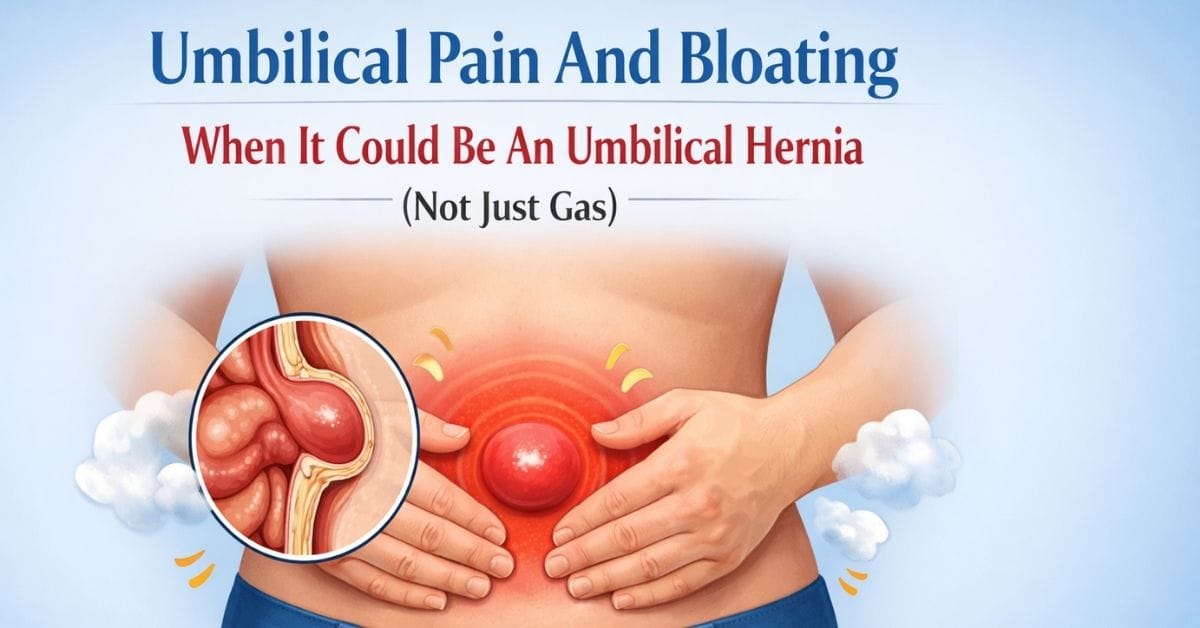
Umbilical Hernia symptoms in adults typically manifest as a tender bulge adjacent to your navel that can enlarge when you cough, stand, or strain.
You might experience mild pain, pressure, or a dull ache, particularly after eating or strenuous activity. Certain hernias remain small and painless, whereas others induce a pinching sensation or skin discoloration.
By recognizing these early symptoms, you can determine when home treatment is sufficient and when professional care is necessary.
Key Takeaways
- Look for a soft bulge at or close to your belly button, particularly when you stand, cough, or lift, and whether the bulge can be pushed back in or feels trapped. Any sudden change in size, firmness, or color of the bulge requires immediate attention.
- You might experience localized discomfort, tenderness, or sharp pain around your navel, which tends to worsen with movement, straining, or coughing. Acute, severe pain at the location of the hernia often indicates a medical emergency and warrants immediate attention.
- You could experience a sense of pressure, heaviness, or fullness in the abdomen, particularly following meals or exercise. If this pressure is accompanied by nausea, vomiting, or changes in bowel habits, then it’s time to seek medical attention.
- Your symptoms may vary based on your body type, activity levels, gender, and other health issues, so don’t dismiss subtle or atypical aches. Even mild tugs, fever, or slow transformations in the bulge can be red flags.
- Seek emergency care if the bulge becomes hard, very painful, discolored, or irreducible with fever, nausea, vomiting, or tachycardia. These symptoms can be a sign of an incarcerated or strangulated hernia that may need urgent surgical intervention.
- You can safeguard your health by understanding your risk factors, including obesity, pregnancy, chronic coughing, or previous abdominal surgery, and by obtaining an accurate diagnosis through a physical exam and when indicated, imaging. By discussing the physical and emotional effects openly with your provider, you can select the safest and most appropriate treatment path.
What Are Umbilical Hernia Symptoms?
You detect umbilical hernia symptoms primarily by noticing what you observe and experience around your navel. A doctor typically diagnoses an umbilical hernia through a physical examination and by searching for a visible bulge, often without the need for scans.
1. The Obvious Bulge
You might detect a soft lump or swelling at or near your navel. It tends to become more prominent when you stand, cough, strain on the toilet, or lift a heavy object. It then disappears or flattens out when you lie down and relax.
In some cases, you can push the bulge back in with gentle pressure. This is a ‘reducible’ hernia. If it stays out, or feels stuck or turns hard, that can be an “incarcerated” hernia and requires prompt medical evaluation.
The bulge may vary in size throughout the day, increase after meals, or be more taut when your abdomen is strained.
2. Localized Pain
You could experience mild soreness or a stabbing pain at the hernia site. Pain typically intensifies when you cough, bend forward, or engage your core muscles, and you could feel obvious tenderness should you press surrounding the navel.
Sudden onset of intense, unrelenting pain is an abnormal change and may indicate a complication requiring emergency treatment.
3. Pressure And Fullness
Many adults report more of a heavy or fullness feeling versus actual pain. You might experience a dull, dragging pressure in the center of your abdomen that flares after large meals or extended standing or walking.
After a while, you may learn to distinguish this consistent, deep ache from more acute cramps or gas pains.
| Sensation type | Umbilical hernia | Other common causes (examples) |
| Dull pressure | At or around the navel, linked to the bulge | Bloating from food, gas, and constipation |
| Sharper focal pain | Right on the hernia, worse with straining | Gallbladder, ulcers, and kidney stones |
| Heaviness/fullness | Midline near the belly button | General abdominal distension from meals |
4. Nausea Or Vomiting
If the hernia traps a portion of your intestine, you can begin to feel nauseous or vomit. Nausea and vomiting can be worsened by eating or straining to have a bowel movement.
Stubborn vomiting, severe cramping, or a hard, very painful bulge can indicate bowel obstruction or strangulation, which is an emergency.
Possible Warning Signs Include:
- Ongoing nausea with a visible umbilical bulge
- Vomiting plus sudden, severe pain near the navel
- Bloating, no gas or stool passing, and a firm abdomen.
5. Subtle Changes
You could just feel little twinges, light pulling or intermittent burning in the vicinity of your navel, particularly when you exercise, strain, or remain standing for a prolonged period.
Some umbilical hernias remain relatively silent, and you could have a bulge with no discomfort whatsoever. Over months or years, the lump may gradually become larger or feel tougher.
New warmth, redness, or darker skin over the hernia can suggest entrapped tissue or compromised blood flow. Symptoms usually vary over time.
They may remain mild or can become severe and begin to impact your activities of daily living, sleep, and work. That level of intrusion, combined with the severity and frequency of your symptoms, is a major factor doctors discuss regarding surgery versus watchful waiting with you.
Why Do Symptoms Feel Different
Umbilical hernias occur in the tight space around your belly button, where fat, bowel, muscle, nerves, and skin converge. The experience of symptoms can vary significantly, as factors like body type, daily habits, gender, and pre-existing health issues influence how these parts interact. Consequently, two individuals with the same size umbilical hernia may report very different symptoms.
By Body Type
If you live with obesity or have a significant amount of fat around your abdominal area, the hernia bulge may hide under the fat pad. You might experience vague pressure, bloating, or “pulling” when you stand or strain, but not notice an obvious lump. Excess weight increases pressure within your abdomen, meaning that the hernia is more likely to throb following meals, extended strolls, or heavy lifting.
Big hernias in this group remain a risk for issues like incarcerated bowel or skin irritation over the lump. If you’re thin, even a little hernia can stick out. You may feel a grape or walnut-sized bulge that protrudes out when you cough or sit up and flattens when you lie down. Mild pain or stinging is easier to associate with a particular point at your navel, so you spot alterations earlier.
Muscle tone alters symptoms. A strong, tight abdominal wall can contain a small hernia, so you may experience only sharp twinges while making heavy effort. A weak or stretched wall from weight fluctuations or old surgery allows more tissue to slip out, which can make the lump bigger and more painful. Those with central obesity, weak core muscles, or chronic cough typically experience more diffuse, achy, widespread pain.
Very lean adults with tight musculature are more likely to describe very localized lumps and stabbing pain.

By Activity Level
If you stay active, you may notice that abdominal pain and bulging spike during the exact activities that raise pressure in your belly: weightlifting, intense core workouts, sprinting, or jobs that involve lifting boxes. The umbilical hernia may be silent at rest, but it can engorge to the size of a lime when you exert yourself, occasionally accompanied by a burning or ‘ripping’ sensation. Ongoing pushing from constipation or a bad cough can gradually stretch the hernia, leading to symptoms that build over months.
If your life is more sedentary, you might experience less daily pain, which can postpone diagnosis. The hernia could just hang out there as a mushy, pliable lump that only annoys you after a heavy meal or long day walking. That calmer image doesn’t always mean lower risk. A silent hernia can still imprison bowel or, in rare cases, cause internal bleeding or dangerous swelling if pressures suddenly spike.
Other problems only appear post-operatively after hernia repair surgery. Seromas, which are pouches of clear fluid, may develop at the repaired site and feel like a small walnut or lime under your previous hernia. They typically produce minimal or no pain and resolve spontaneously within approximately 90 days. Chronic pain post hernia repair is rare, occurring in less than 1% of cases, but when it does occur, it may feel different from your old hernia, more like nerve pain than pressure.
Recurrence in 1 to 3% of cases can resurrect a bulge with new strains of pain, sometimes gentler and sometimes harsher.
| Activity/factor | Common effect on symptoms |
| Heavy lifting | Bigger bulge, sharper pain during or right after |
| Core workouts/sit-ups | Localized pulling at the belly button |
| Long periods of standing | Gradual ache, sense of heaviness |
| Chronic cough | Slow growth of the hernia, more frequent twinges |
| Straining on the toilet | Short bursts of pain or sudden size change |
By Gender
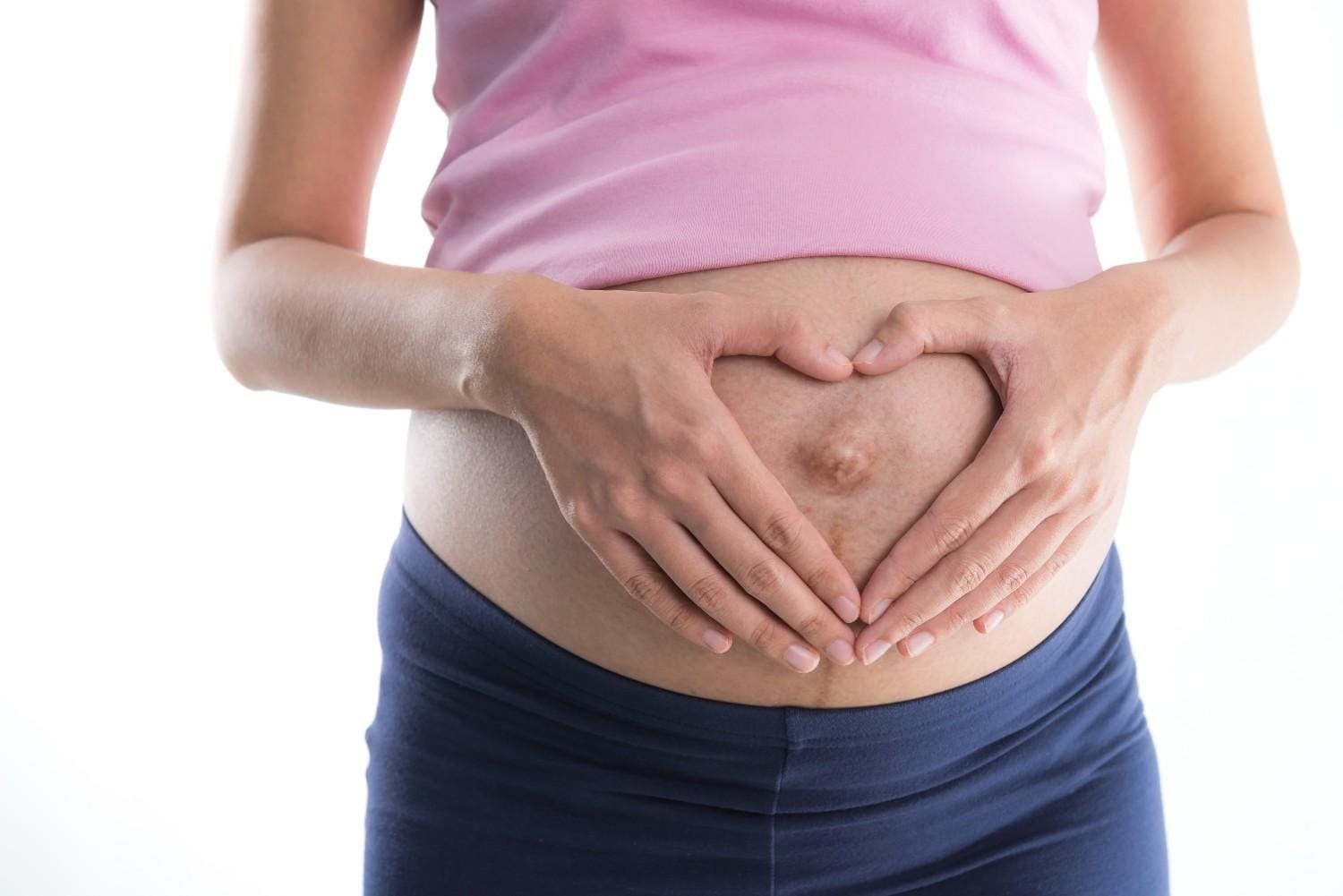
Gender doesn’t change where an umbilical hernia sits, but it does influence how the abdominal wall is stressed over time, leading to varying symptom patterns. Pregnancy stretches and thins the tissue around the belly button in women, which can contribute to the development of umbilical hernias. After one or more pregnancies, you might feel a little bulge that appears and disappears, bloating that’s worse at the navel than the rest of your belly, or a tender soft spot that aches when you lift your toddler or push your stroller uphill.
Postpartum, the hernia can be hard to distinguish from loose skin or diastasis, so you may notice shape changes before sharp pain arises. Men usually have a thicker, more homogenous abdominal wall, so if and when a hernia develops, the bulge may seem more distinct. You might notice a round protruding bump during an exercise session or when standing up from a chair, occasionally accompanied by shooting pain that ceases once you lie flat. The need for umbilical hernia repair becomes clearer in men, who often seek care sooner, even with mild pain.
Risk factors are divided by gender. In women, multiple pregnancies, previous abdominal surgery, and conditions that lead to fluid in the belly add tension on the umbilical region and may accelerate symptom development. In men, strenuous manual work, weightlifting, and long-term smoking are common culprits, as smoking weakens tissue and chronic cough increases internal pressure.
Among all genders, obesity, poor health, and smoking increase the risk of more intense post-repair symptoms and rare complications such as wound infection or abscess, although these are far less common after minimally invasive hernia repair surgery.
When The Bulge Becomes Dangerous
Adult umbilical hernias may sound harmless, but these visible bulges can escalate from a minor health issue to a medical emergency. Since umbilical hernia repair is necessary and hernias frequently expand or become more symptomatic over time, recognizing when the bulge has transitioned to a hazardous one allows you to make timely moves and prevent permanent harm.
Incarceration Signs
Incarcerated means tissue has slid into the hernia and become trapped. The bulge at your navel is now hard and can no longer be lightly massaged back in while supine and relaxed. It might ache or feel “caught,” and the shape appears rigid rather than soft and pliable as it did previously.
This is where pain starts to build. The hernia region may become increasingly painful, enlarge, or develop a feverish sensation. You may have trouble bending, coughing, or lifting anything without a shooting pull at the bulge. For a lot of us, this is when the hernia begins to interfere with your day-to-day activities and work, which is a major consideration doctors use when discussing surgery.
If bowel is entrapped, you may experience constipation, bloating, nausea, or vomiting. You might fart less, or not at all. This is distinct from mild, intermittent tummy upset. It’s like traffic has come to a halt. When this occurs following previous open abdominal surgery, it may be due in part to a hernia issue that can impact as many as 30% of those patients.
Ignoring an incarcerated hernia can result in tissue damage, infection, and later, strangulation. Most umbilical hernias in kids close by themselves by age 2 or even age 5 or older sometimes. An adult incarcerated hernia won’t close and requires immediate surgical evaluation. If it’s a complicated repair, you may be in the hospital for one to five days.
Strangulation Signs
Strangulation means the blood supply to the trapped tissue is cut off, and it can destroy bowel or fat in hours. You typically experience acute, severe pain at or close to the hernia, often more severe than any you’ve previously felt from it. The bulge becomes very firm, and you can’t press it back, even with slow, steady pressure.
The skin over the hernia can shift from being normal to red and then purple or blue. It can appear bruised or patchy. It can make your whole belly feel tender or rigid while the area feels hot. These color and temperature changes indicate tissue is in jeopardy, not just inflamed.
Other possible symptoms include fever, chills, rapid heartbeat or feeling very ill. Some get dizzy, sweaty or faint. These are indications your entire body is responding to diminished blood flow and potential infection. At this stage, home care is not secure.
A strangulated umbilical hernia is an emergency that requires immediate hernia repair surgery. When the bulge becomes dangerous, it is crucial to seek emergency care, even if you are uncertain. Physicians might proceed directly to surgery to rescue the incarcerated bowel and reduce the risk of a life-threatening infection.
Since the vast majority of hernias, including umbilical hernias, tend to enlarge or become painful over time, being prepared to act when symptoms like pain, color, or firmness change will save you from organ damage and complicated hernia repair down the line.
Unmasking The Underlying Causes
An umbilical hernia occurs when tissue protrudes through a weakness in the vicinity of your belly button. In adults, this almost always links back to two things working together: higher pressure inside your abdomen and weaker muscles in the abdominal wall, which can lead to the need for umbilical hernia repair.
When pressure within your belly remains elevated, it continues to push from within. If your abdominal muscles are strong and tight, they effectively contain that pressure. However, if they’re thin, stretched, or scarred, they give way more easily, allowing a hernia to pop up. That’s what makes aging significant in the context of hernia growth.
As you age, your muscle fibers weaken, collagen shifts, and that tissue around your navel isn’t as taut as it once was. Little natural crevices that were firm for years can begin to open. Obesity is another major culprit. Extra body weight, particularly around your waist, increases pressure on the abdominal wall constantly, not just during movement, raising the risk for hernia repair surgery.
The stronger this force, the more stress it applies to the vulnerable defect at your umbilicus. You see the same effect with pregnancy, primarily in late term or multiples. It’s a perfect storm of the growing uterus, stretched skin, and loosened abdominal muscles making it all too easy for tissue to bulge forward, leading to umbilical hernia treatment.
Chronic strain compounds the danger. If you frequently hoist heavy weights, push to poop, cough for months from lung illness, or toil in professions that require constant bending, you continue spiking the pressure within your abdomen. Over time, that constant push can transform a small weakness into an obvious hernia.
Fluid accumulation in the abdomen, known as ascites, acts similarly. The liquid occupies space, exerts persistent pressure from within, and expands the tissues from the inside. Not all risks originate from your habits. Previous abdominal surgery can leave scars around the umbilicus and scar tissue is not as robust as regular muscle, complicating any potential hernia repair.
Family history of hernias indicates a genetic weakness in your connective tissue. Your umbilical area is more prone to give way under strain even if you’re cautious. Smoking doesn’t cause the hernia itself, but it can delay wound healing following surgical intervention and increase the risk of infection or recurrence.
Ethnicity can factor in early. For instance, black US infants have a marginally higher rate of umbilical hernias, some of which may persist into adulthood, necessitating careful monitoring by a health care provider.

| Risk factor | How it adds to hernia risk |
| Older age | Natural muscle loss and weaker connective tissue |
| Obesity | Constant high abdominal pressure around the umbilicus |
| Pregnancy (single/multiple) | Strong stretch and thinning of abdominal muscles |
| Chronic cough | Repeated sharp pressure spikes with every cough |
| Heavy lifting/straining | Frequent force on a weak abdominal area |
| Prior abdominal surgery | Scarred, weaker tissue near the surgical site |
| Ascites | Ongoing internal pressure from excess abdominal fluid |
| Family history | Inherited weaker connective tissue or muscle structure |
| Smoking | Poor healing and a higher risk of recurrent hernia |
Getting A Definitive Diagnosis
You receive a solid diagnosis of an umbilical hernia by a combination of your history, a physical exam, and imaging if necessary. The objective is to verify there is a hernia, determine its seriousness, and exclude life-threatening issues requiring immediate intervention.
Your physician begins with your history. You explain when you initially detected a bulge around your navel, its frequency of occurrence, and what triggers it, such as lifting, coughing, or prolonged periods of standing. You review prior surgeries, pregnancies, weight fluctuations, chronic cough, or liver disease, since umbilical hernias occur more frequently in adults who are obese, have had multiple pregnancies, or have liver cirrhosis with ascites.
You discuss how the hernia impacts daily life, such as pain when you exercise, bend, or work, as that helps direct the treatment plan.
Physical exam comes next. You lie flat out first, then stand up. Your physician examines you and palpates for a soft or firm protrusion at or around your navel. You might be requested to cough or strain so that the hernia protrudes further. Often, the exam suffices for a definitive diagnosis.
Imaging enters the picture when the exam is ambiguous, when you’ve got a high body mass index, or when your physician wants a closer look before surgery. Ultrasound is usually the preferred initial modality for its expediency and lack of radiation. A CT provides a more defined map of the hernia, how big the hole in the abdominal wall is, and what is caught in it.
MRI may be utilized when radiation is a concern or the anatomy is complex. Your doctor checks if the hernia is reducible (you or the doctor can gently push the bulge back in), incarcerated (stuck but blood flow is still okay), or strangulated (blood flow is cut off, with severe pain, a hard tender lump, sometimes fever or nausea).
This part matters a lot because a strangulated hernia needs emergency surgery, while a reducible hernia can often be planned for repair. They exclude other diagnoses that can masquerade as a hernia, such as abdominal wall lipomas, small cysts, gastritis, or bowel disease without an actual defect in the muscle wall.
Imaging aids again here, revealing if there is a true fascial defect and bowel or fat protruding through it.
The Emotional Toll Of Symptoms
Umbilical hernia symptoms don’t remain “just physical.” They can impact your body image, mood, and even navigate your day-to-day life at home and the office, especially for children.
Anxiety, Embarrassment, And Self‑consciousness
A prominent navel can leave you feeling vulnerable, even if no one else really cares. You may alter your fashion, eschew bathing suits, or retreat from intimacy for fear that someone will gaze or inquire. If the region appears dissimilar to how it formerly did, you might experience a sense that your body does not fit with your self-image.
For others, that subtle self-consciousness erodes confidence and social ease. When pain is constant or achy, your brain can obsess over it, which stokes anxiety and causes you to body check all day.
Impact Of Pain And Limits On Daily Life And Mood
Trust me, constant pain or pressure can wear you down. You may give up lifting, scale back your workouts, or ditch long walks if each step causes the hernia to pulsate. This loss of freedom can result in frustration, irritability, and mood swings, particularly if you sense others don’t ‘see’ your suffering.
Stress increases when symptoms disrupt your sleep or your work concentration. Over time, these confines can sap your spirit. Most of us recognize that after the hernia is repaired and the pain subsides, our mood, patience, and daily comfort increase significantly.
Fear, Uncertainty, And Coping With Emotional Stress
Not knowing whether your hernia will remain stable, worsen, or require surgery can leave you on edge. You might fret over unexpected complications, anesthesia’s safety, or lost work time. Waiting for a surgery date or watching and waiting with regular checkups often feels like “living on hold” for you and your family.
To cope, it helps to quiz your doctor with pointed questions, figure out what warning signs to seek out, and plot straightforward rules for lifting, exercise, and rest. Gentle movement, breath work, and short walks can soothe both tension and pain.
Opening up to your partner, a close friend, or a counselor provides you with a safe space to express what you’re afraid of without judgment. Some people find support groups or online forums helpful as they demonstrate you’re not alone in juggling pain, body image concerns, and difficult surgery decisions.

Conclusion
Umbilical hernia symptoms in adults seem small initially, but they can really burden your day and your spirits. A soft bulge, dull pain, or obvious change to your belly is enough to make you pause. That hesitation is important.
You are the expert when it comes to your body. You pay attention to new symptoms and changes. A bulge that becomes firm, red, or suddenly sharp with pain requires urgent attention. That decision can protect your well-being and sanity.
Sort it out on your own. Contact a doctor, bring your tough questions, and tell the whole story of your symptoms. Take the next step today and give your belly and your mind some actual relief.
FAQ
What are the most common umbilical hernia symptoms in adults?
You typically notice a visible bulge close to your navel, especially when you stand, cough, or lift. This symptom can lead to mild pain or discomfort, while some adults may experience no pain and only observe the hernia.
How do I know if my umbilical hernia is becoming an emergency?
Go to urgent care if the bulge suddenly gets hard, is very painful, or can no longer be pushed back in. Look out for nausea, vomiting, fever, or red, dark, or discolored skin on the bulge. These can indicate a trapped or strangulated hernia.
Can an umbilical hernia cause stomach pain and bloating?
Yes, you might experience dull belly pain, pressure, or bloating, particularly after meals or prolonged standing, which can be symptoms of umbilical hernias. If the pain is new, severe, or constant, visit a doctor promptly for evaluation.
Do umbilical hernia symptoms feel different in adults than in children?
Yes. Children often exhibit a visible bulge due to umbilical hernias that come and go without pain. In contrast, adults are more likely to experience symptoms like aching, pressure, or burning, necessitating more frequent medical monitoring for potential complications.
What triggers umbilical hernia pain to get worse?
Pain frequently intensifies with coughing, sneezing, lifting, straining on the toilet, or prolonged standing. Increased pressure from weight gain, pregnancy, or heavy labor can exacerbate umbilical hernias. If your typical ache suddenly shifts, call your physician for evaluation.
Can an umbilical hernia go away on its own in adults?
In adults, an umbilical hernia almost never resolves on its own; it may remain unchanged or gradually enlarge. Surgery, specifically umbilical hernia repair, is the sole cure, and your doctor can assist you in determining when surgical intervention is preferable to watchful waiting.
How are umbilical hernia symptoms diagnosed by a doctor?
Your physician will inspect your umbilicus in both standing and supine positions, assessing for any visible bulge indicative of umbilical hernias. If symptoms are ambiguous or severe, they might order an ultrasound or CT scan to visualize the hernia and diagnose any complications.